Charter management company
A managed fleet where tenders are bought ad hoc by each captain and nobody owns the fleet-wide picture.
Service
We treat the fleet as one problem, not a series of one-off purchases: standardised boats, planned seasonal supply, and short-term cover so no mothership starts a charter under-equipped.
Engagement
We map what each yacht runs today, where the gaps and duplications are, and which boats are due for replacement.
Where it pays, we standardise on common platforms so crew, spares, and training transfer across the fleet.
A rolling plan for new builds, replacements, and short-term charter cover, costed and timelined against the season.
We run each acquisition through sourcing and brokerage, then transport and commissioning, as a managed pipeline.
Cover for breakdowns, late charters, and last-minute requirements, drawing on the wider builder and brokerage market.
Triggers
A managed fleet where tenders are bought ad hoc by each captain and nobody owns the fleet-wide picture.
An owner with more than one vessel who wants common boats, common training, and a single point of accountability.
A charter programme expanding faster than the tender fleet, with a hard deadline before guests arrive.
A primary tender out of action mid-season and a charter that cannot wait for a yard slot.
A single yacht buys a tender. A fleet has a tender problem. When tenders are bought one captain at a time, a charter operation ends up with a different boat, a different engine, and a different launch system on every mothership, which multiplies spares, training, and downtime. Treating the fleet as one brief is where the savings and the reliability come from.
We start with a fleet audit: what each yacht runs, where the gaps and duplications are, and which boats are near the end of their useful life. Where it pays, we standardise on common platforms so crew, spares, and training transfer across the fleet, and so a boat can be moved between yachts without surprises. The result is a rolling supply programme, costed against the season, covering new builds, replacements, and short-term charter cover.
Each acquisition still runs through the same disciplined route as a single purchase, through sourcing and brokerage, then transport and delivery. The difference is that it is planned as a pipeline rather than a panic. Our guide to fleet planning covers the thinking in more depth.
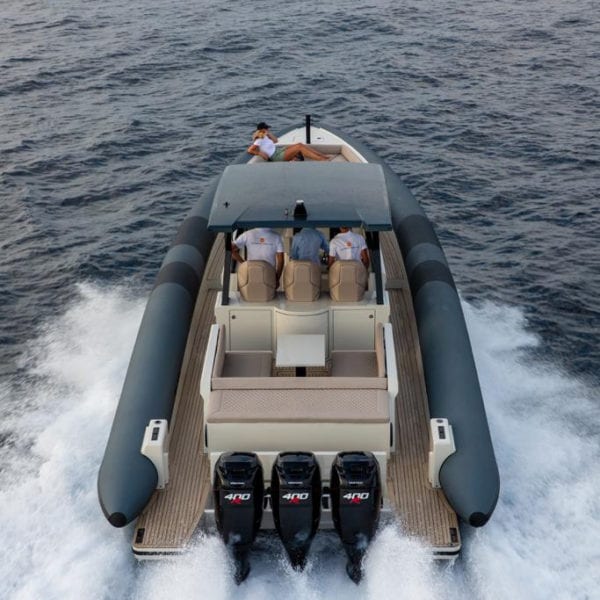
A working charter fleet rarely runs one type of boat. The supply plan usually spans tenders, chase boats, and RIBs, matched to the use rather than bought to a single template.
Read first
Most superyachts carry two or three tenders, not one. This guide sets out how many a yacht actually needs, the realistic fleet mix by size with sizing tables and worked examples, and where the garage runs out and a chase boat or support vessel takes over.
Read the guide →There is no single best superyacht tender, the right boat is the one that fits the garage, the brief and the budget. This is the owner's-side resource for superyacht and mega yacht programmes: the luxury yacht tender types, how to size one to your yacht, the builders we shortlist by category, and the method for choosing.
Read the guide →Adjacent
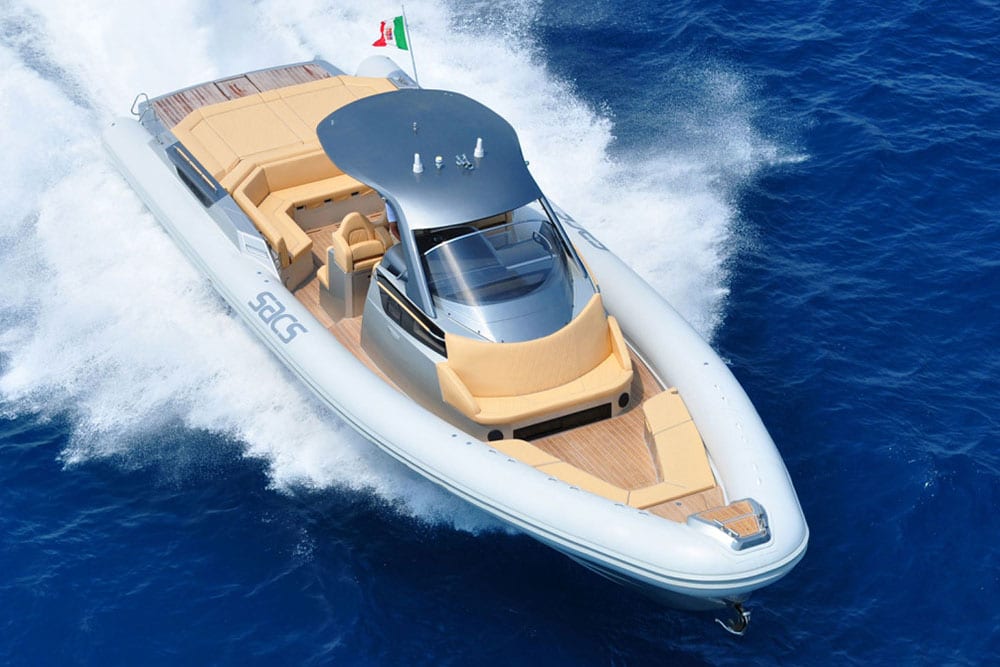
Tender sourcing for owners, captains, and project teams.
See the engagement →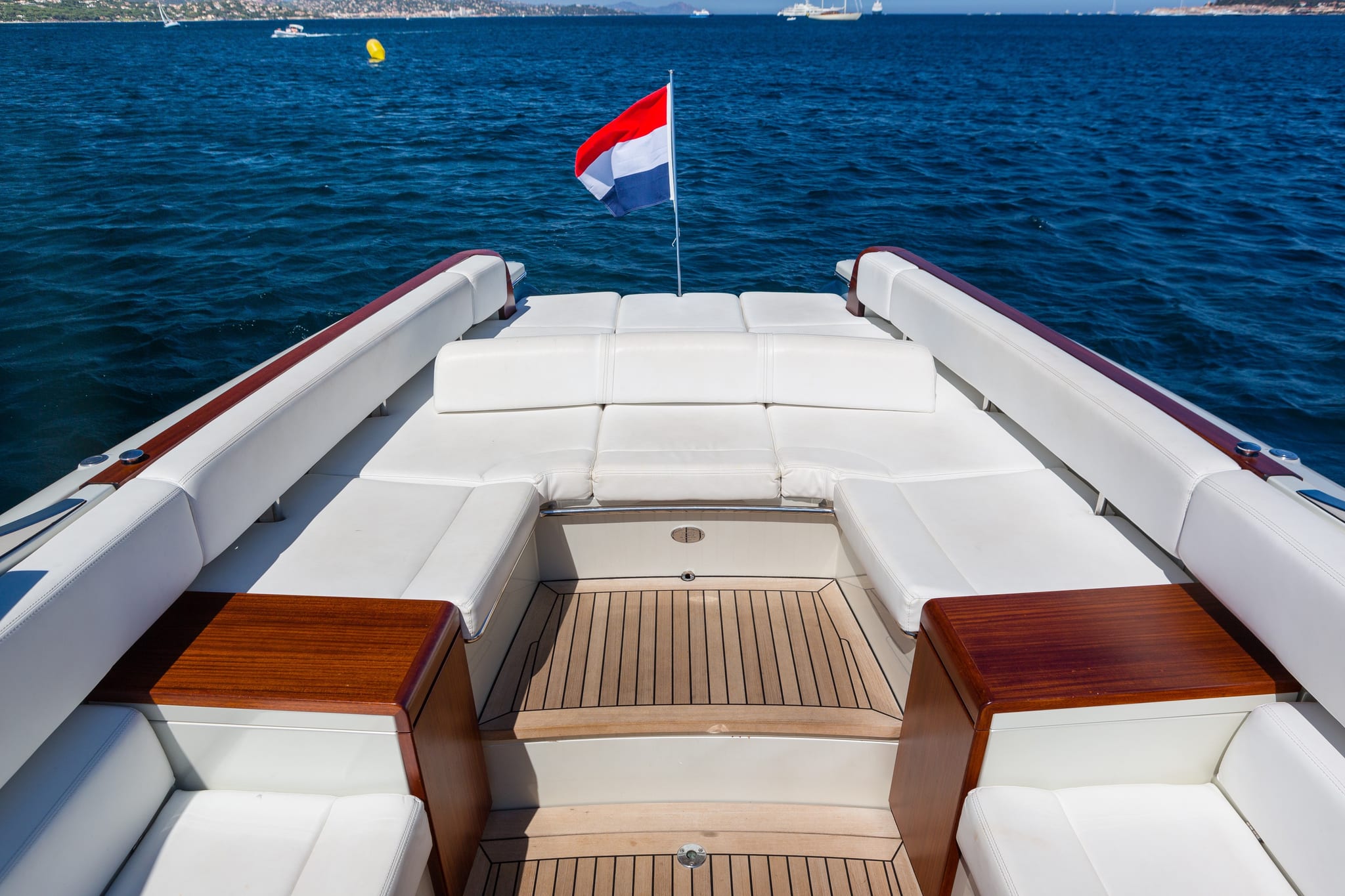
Brokerage representation for owners, captains, and project teams.
See the engagement →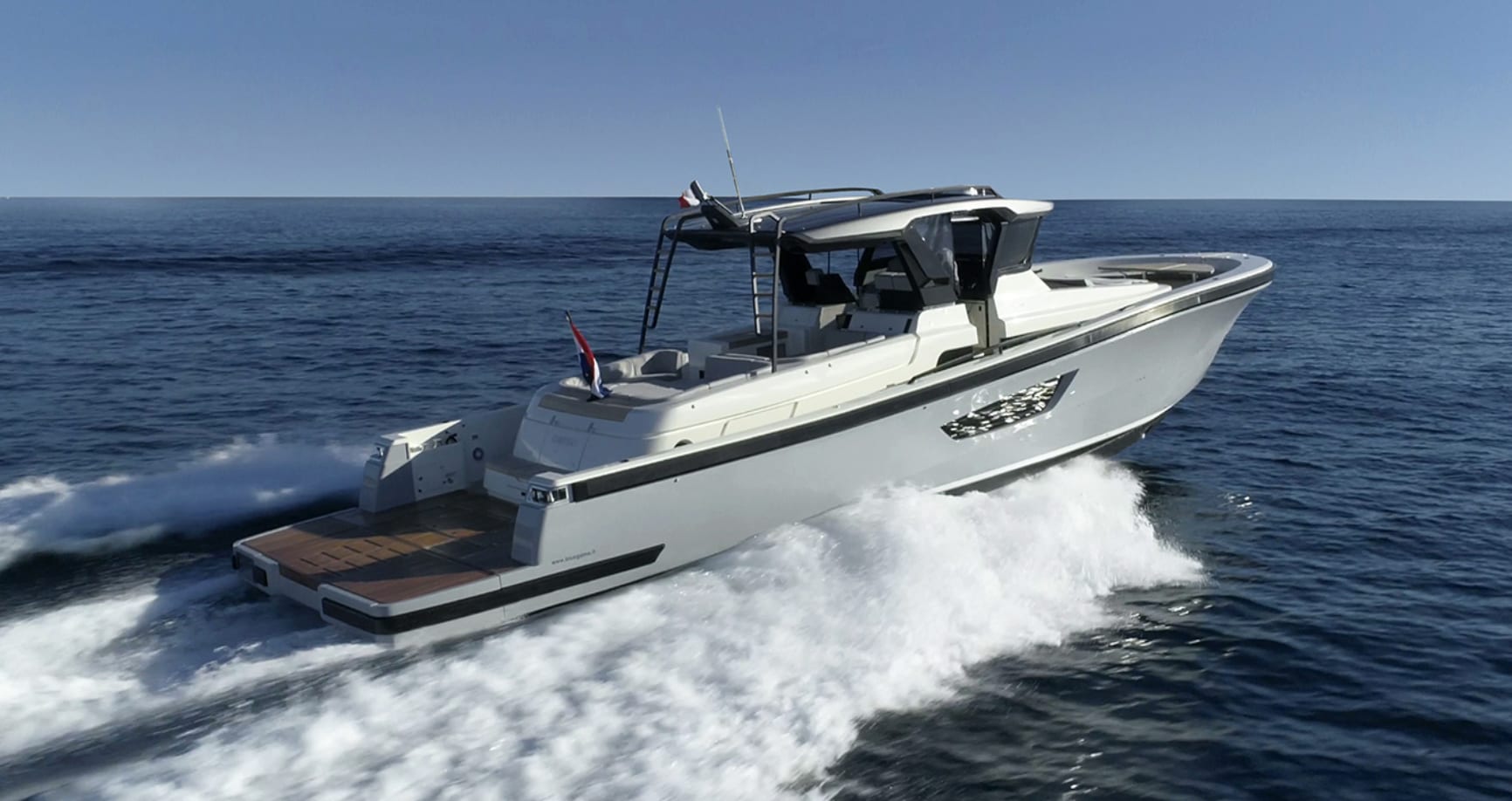
Protecting the boat and its residual value between seasons.
See the engagement →Talk to us
Send the mothership, the programme, and the role you need filled. A response follows within 48 hours.