Insurance renewal
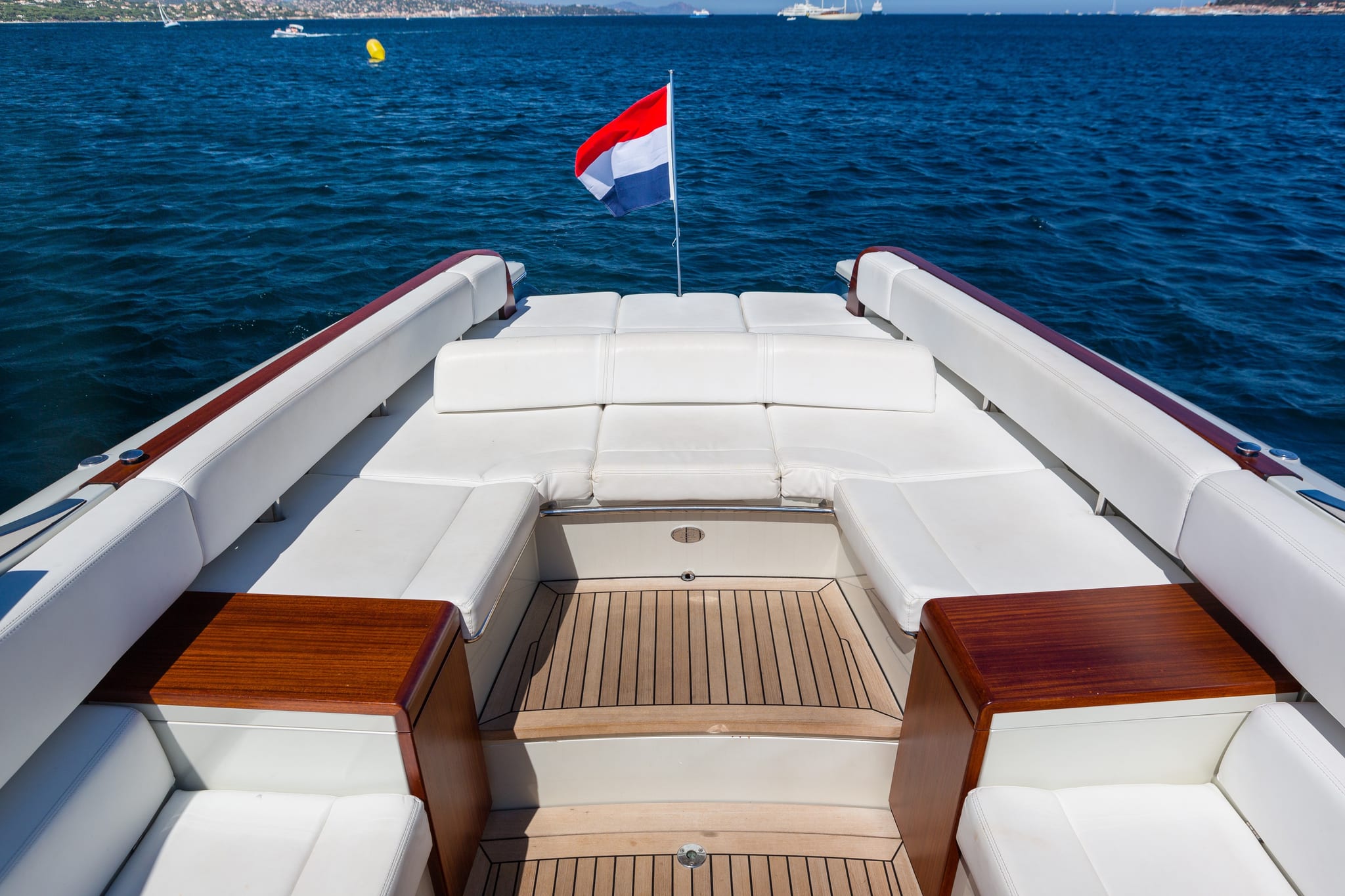
Under-declared tenders pay a partial claim in a total loss; over-declared ones pay unnecessary premium. We rebase at renewal.
Service
A defensible written value for a tender or chase boat, backed by comparable transactions and a structured condition assessment. Any sale instruction is handled separately with our 10% closing fee disclosed upfront.
Engagement
A written valuation request specifying the purpose: insurance renewal, finance, divorce, estate, sale planning, or internal accounting.
We collect build certificate, specification, options list, service history, classification status, and any prior valuations or surveys.
Where the purpose requires it (insurance and finance typically do; internal valuation may not), we inspect the tender in person.
We work the recent transaction record across our brokerage network and the visible market.
A five-to-fifteen-page document with the methodology, the comparables, the condition notes, and a single defensible number.
We make the report available to the insurer, lender, court, or other counterparty as needed and answer follow-up questions.
Triggers
Under-declared tenders pay a partial claim in a total loss; over-declared ones pay unnecessary premium. We rebase at renewal.
A lender writing a loan against a tender or fleet wants an independent valuation in the credit file. We deliver to the lender's standard or LMA template.
Divorce, estate, partnership dissolution, or charter-business sale. The report has to stand up to challenge.
An owner planning to sell within twelve months wants the realistic price before listing. Also useful for refit-versus-replace decisions.
The valuation is a piece of evidence, not a marketing exercise. We deliver three valuation types: *market value (what it would sell for), insurance value (replacement cost for the policy), and forced-sale value* (realistic 90-day disposal price). Most engagements need one of the three; some need all three on the same boat for different counterparties.
The work that matters is the comparable analysis. There is no public price register for superyacht tenders the way there is for cars or houses; the recent transaction record sits inside the small number of brokers who actively trade the segment. We hold our own deal record and trade comparables with a handful of trusted counterparties on a no-names basis. The valuation lands on a defensible number because the comparables are real, not asking-price scrapes from the public listings.
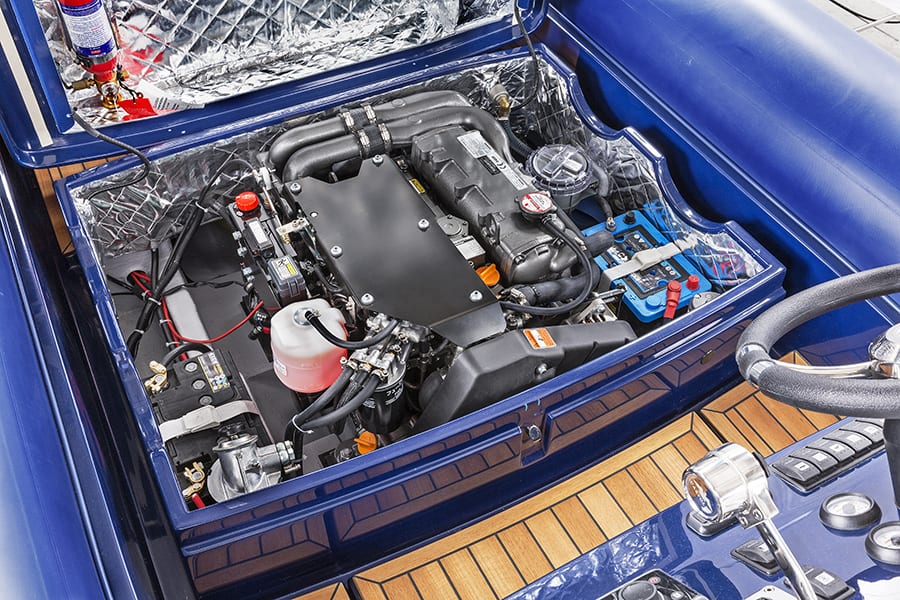
The condition assessment matters second. Two boats from the same yard, same year, same hours, can value 30 percent apart on condition alone. We score against a structured rubric (hull, power, electrical, electronics, interior, equipment, paperwork) and the score feeds the value adjustment.
Read first
A superyacht tender costs anywhere from roughly 80,000 EUR for a production RIB to several million for a fully custom limousine. This guide sets out the price bands by type and the inputs that actually move the headline.
Read the guide →The used superyacht tender market is shallow and moves fast: the right hull clears in days and the public list is only ever part of what is available. This is the buyer's-side guide to finding one, inspecting it properly, valuing it, and not overpaying.
Read the guide →A tender that has run eight or ten seasons is rarely worn out, it is out of step with the yacht it serves. This guide works the refit-versus-replace decision hull by hull: when a refit pays back, and when the money belongs in a replacement.
Read the guide →Browse the market
Talk to us
Send the mothership, the programme, and the role you need filled. A response follows within 48 hours.