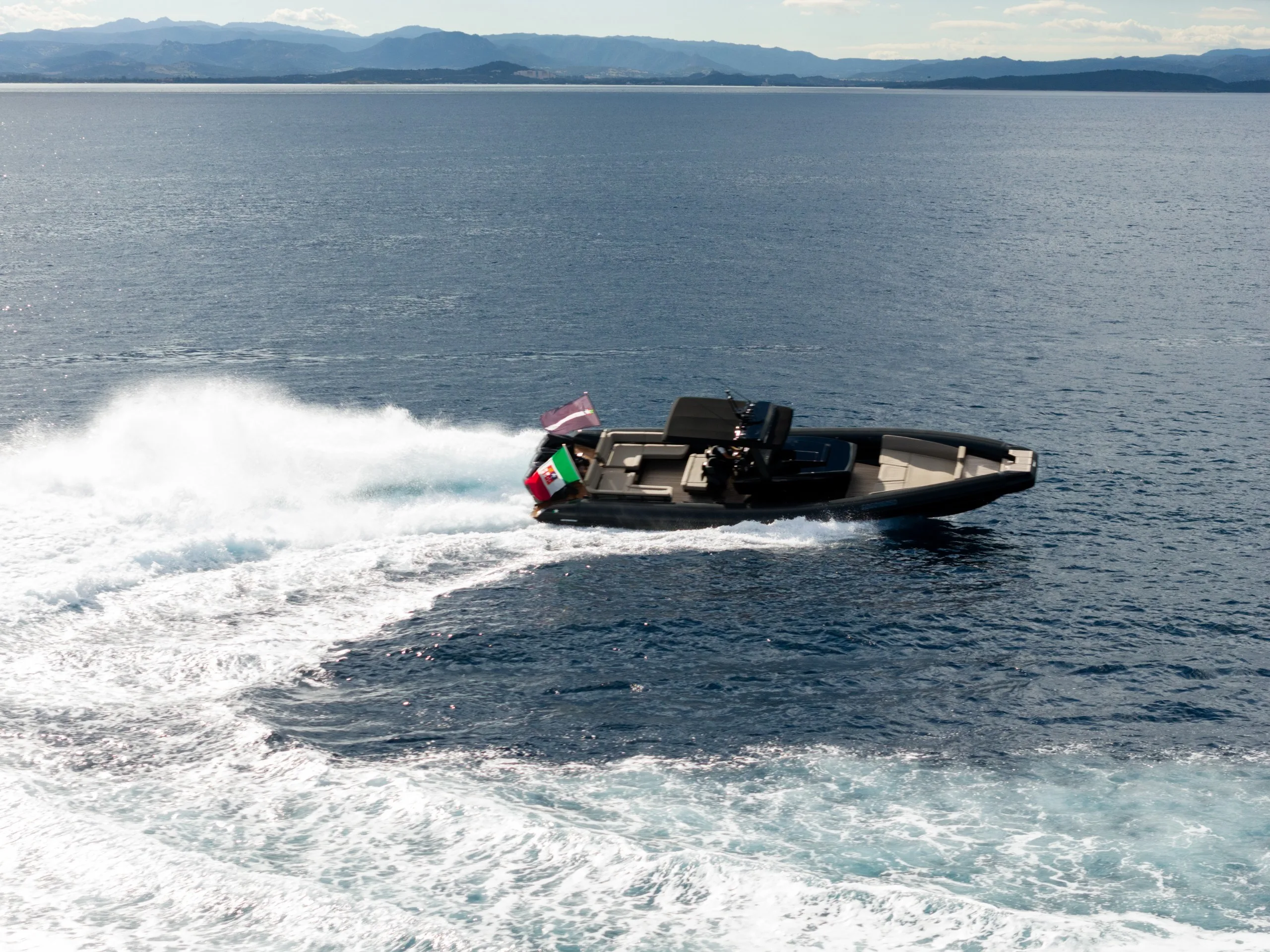
Novamarine · New build
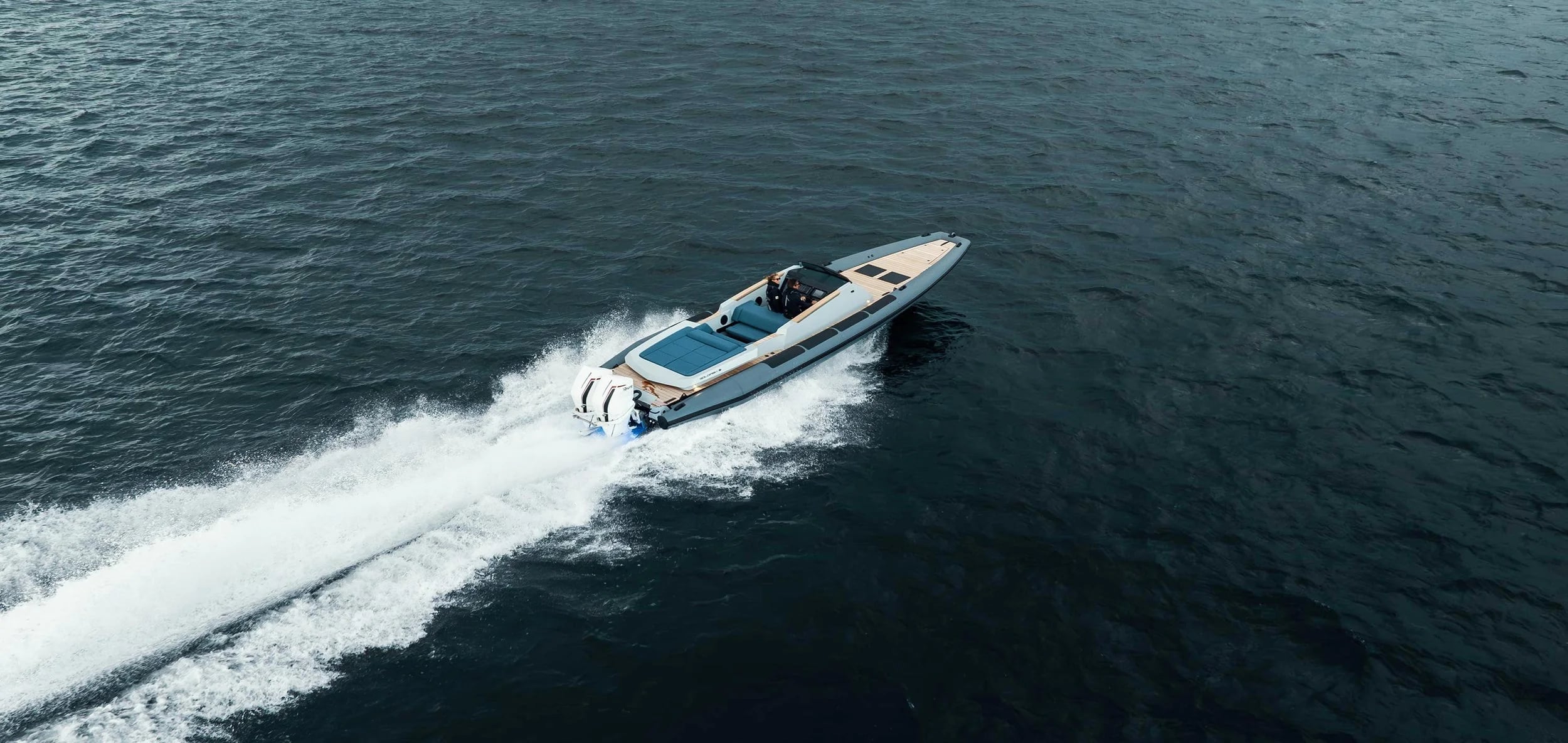
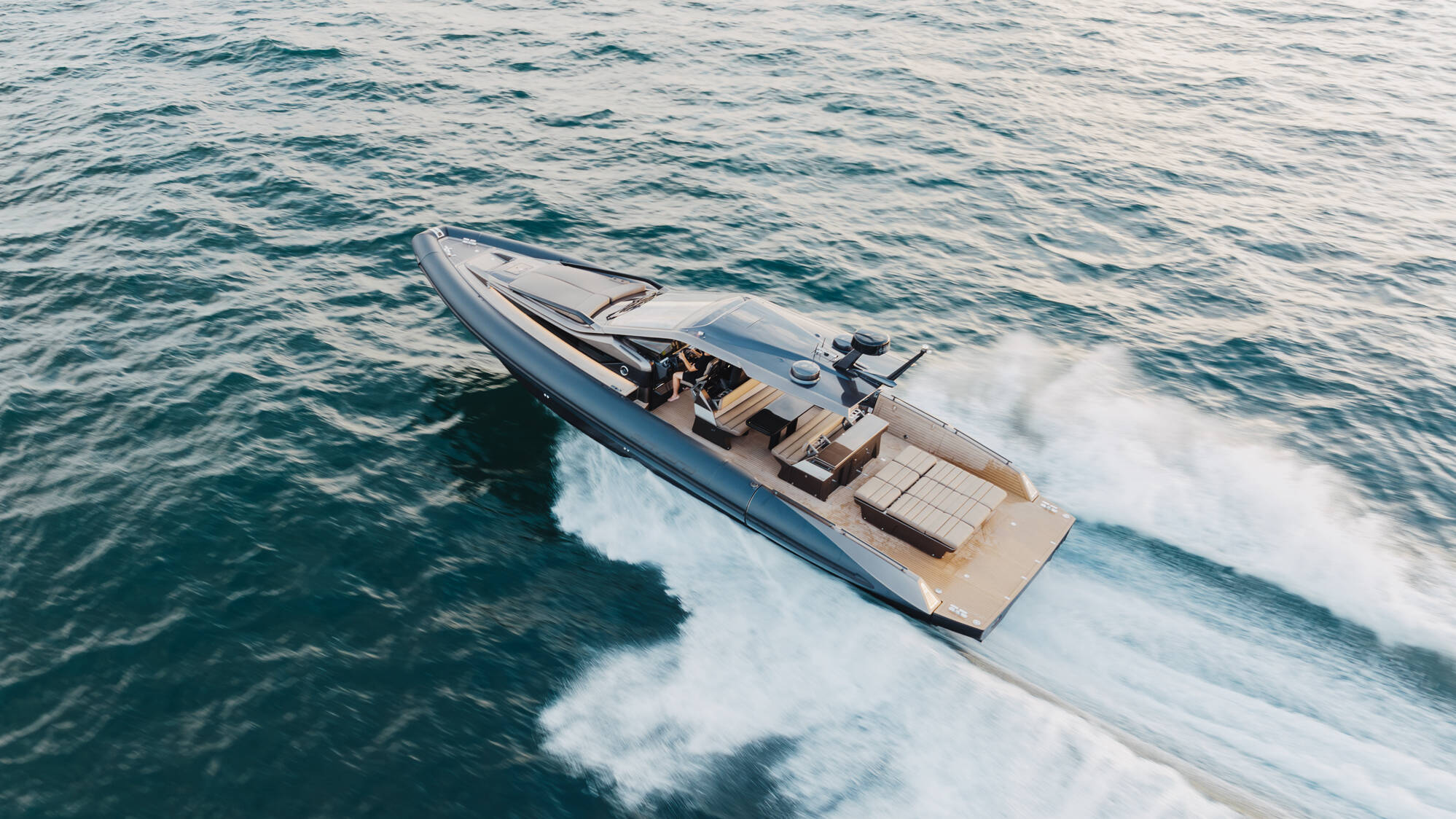
RH1200
12.1m
Length
48kt
Top Speed
14
People
Prices on request
Rigid inflatable boats for superyacht service, new and pre-owned: open RIBs, cabin RIBs, jet RIBs and big RIBs from 6 to 15 metres. Builders, tube materials and prices, or brief us for a shortlist.
For sale now
Showing the latest 12 of 35 boats
New build, to order · priced within one working day
Guide
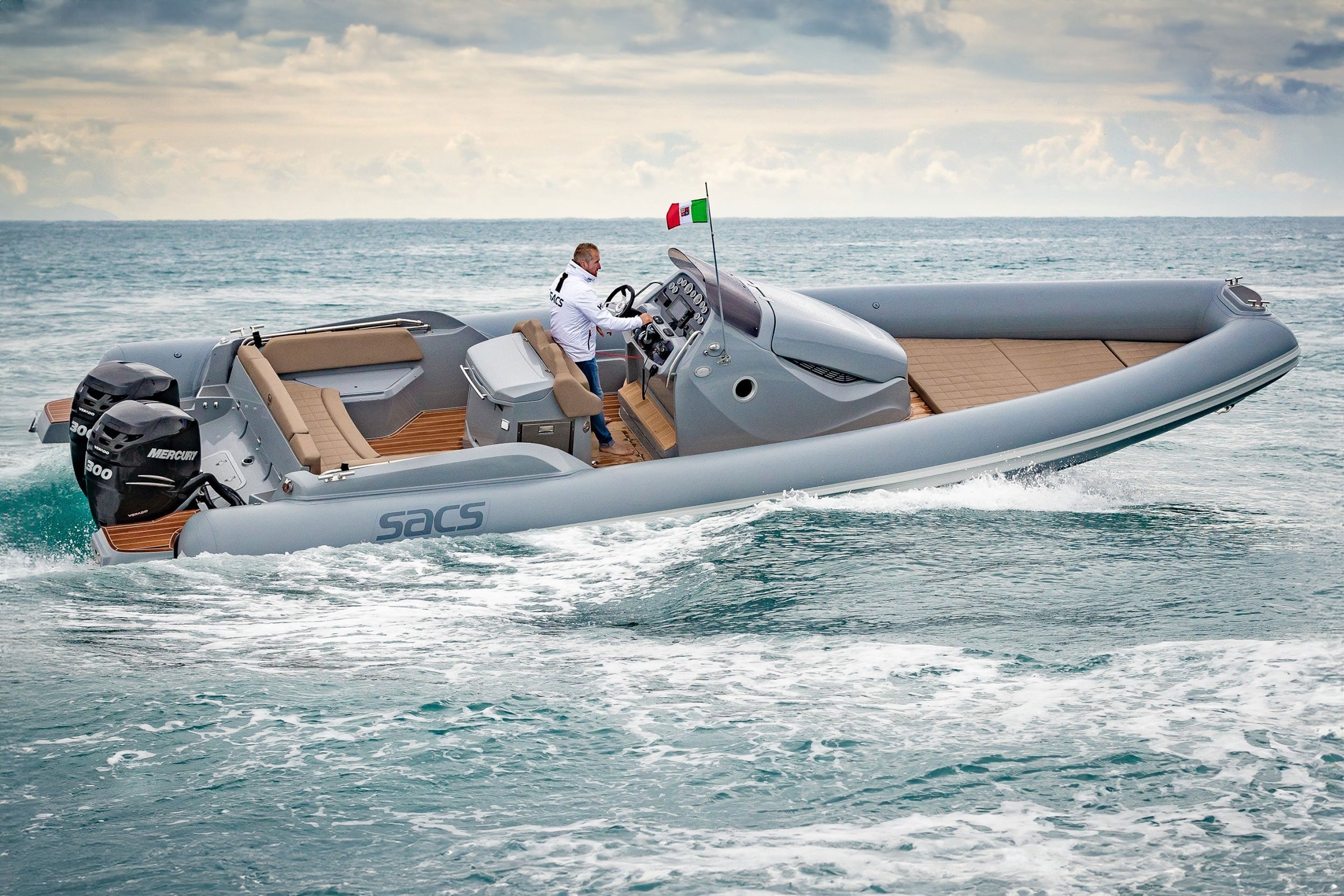
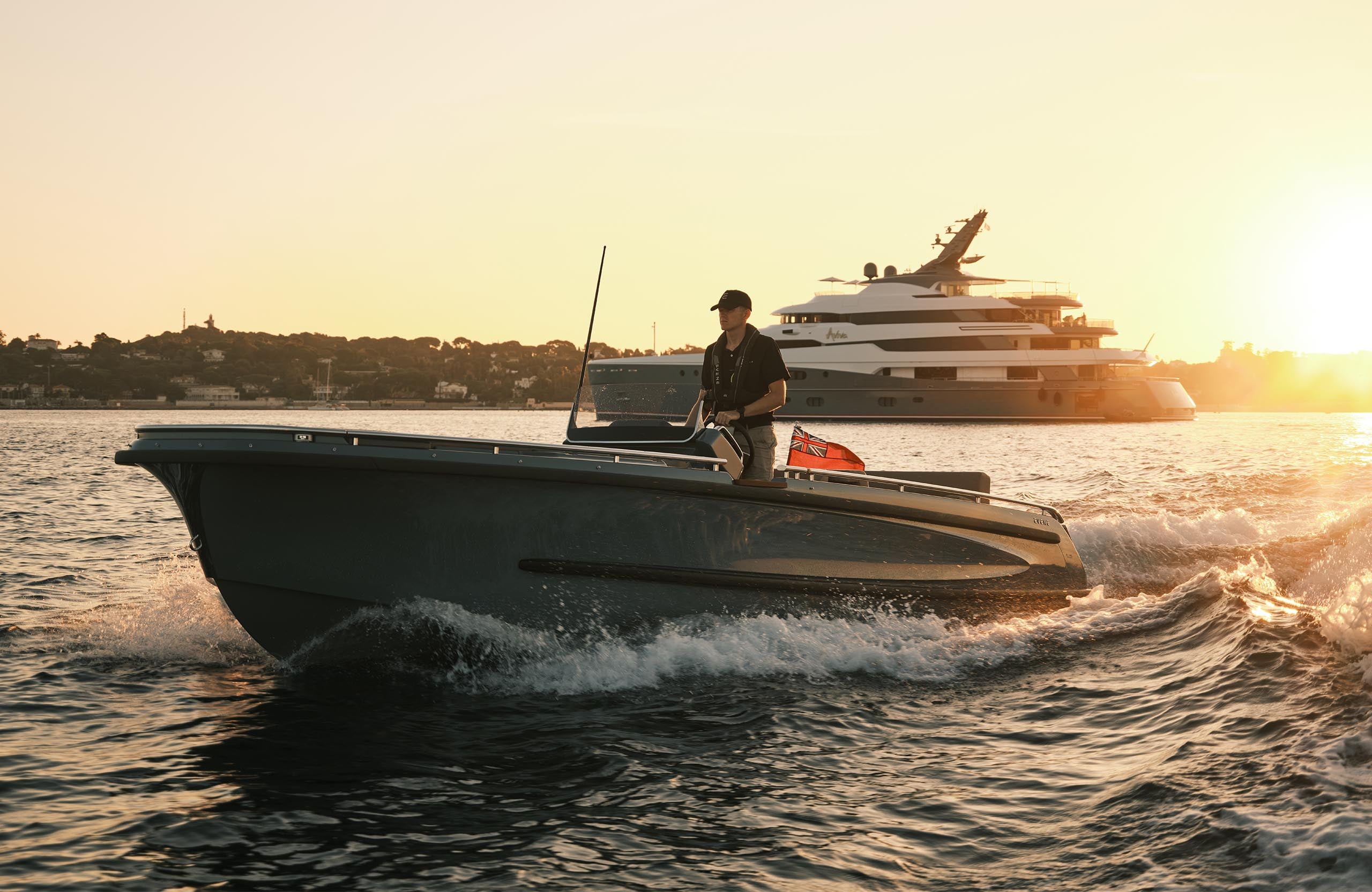
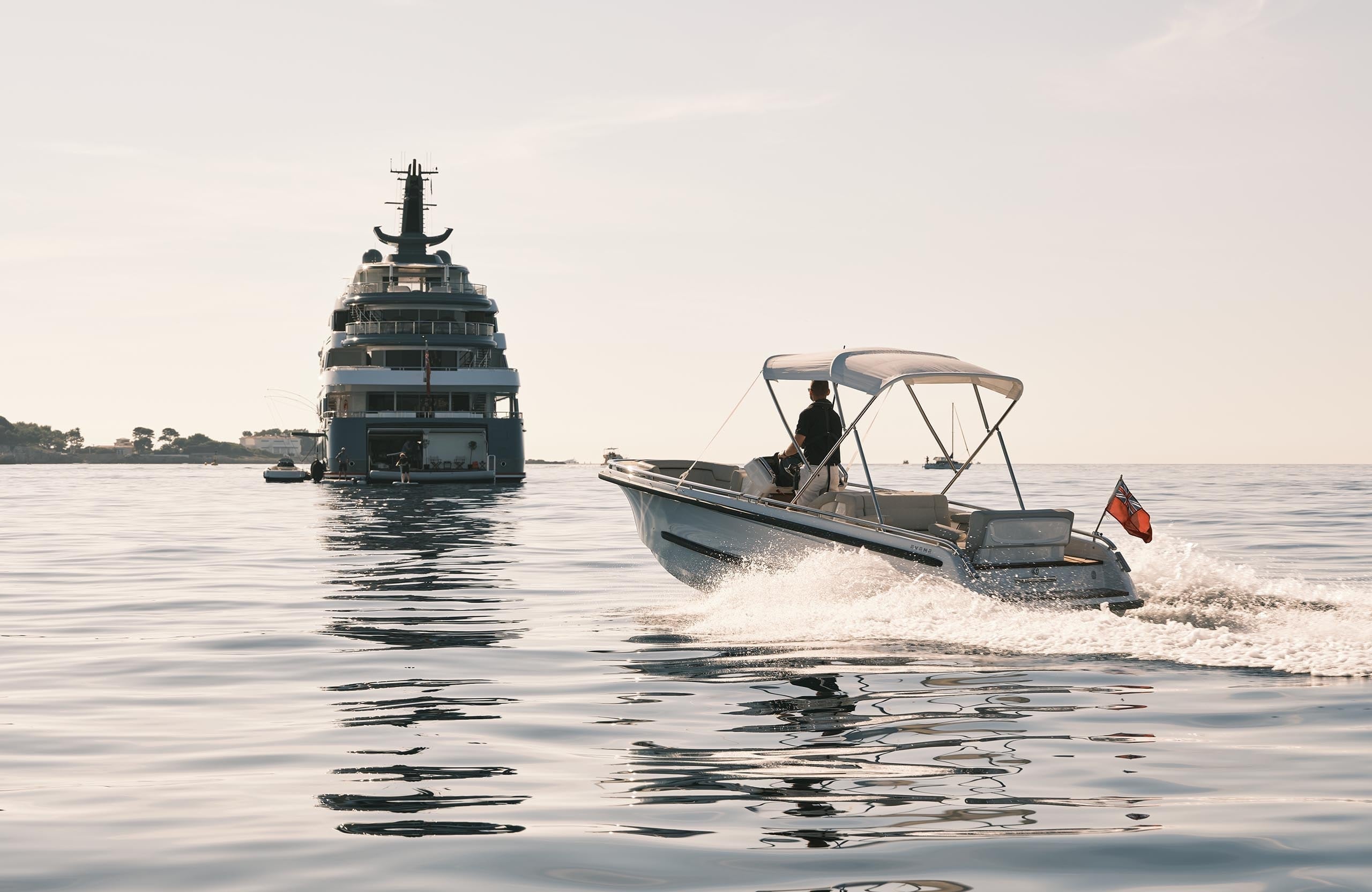
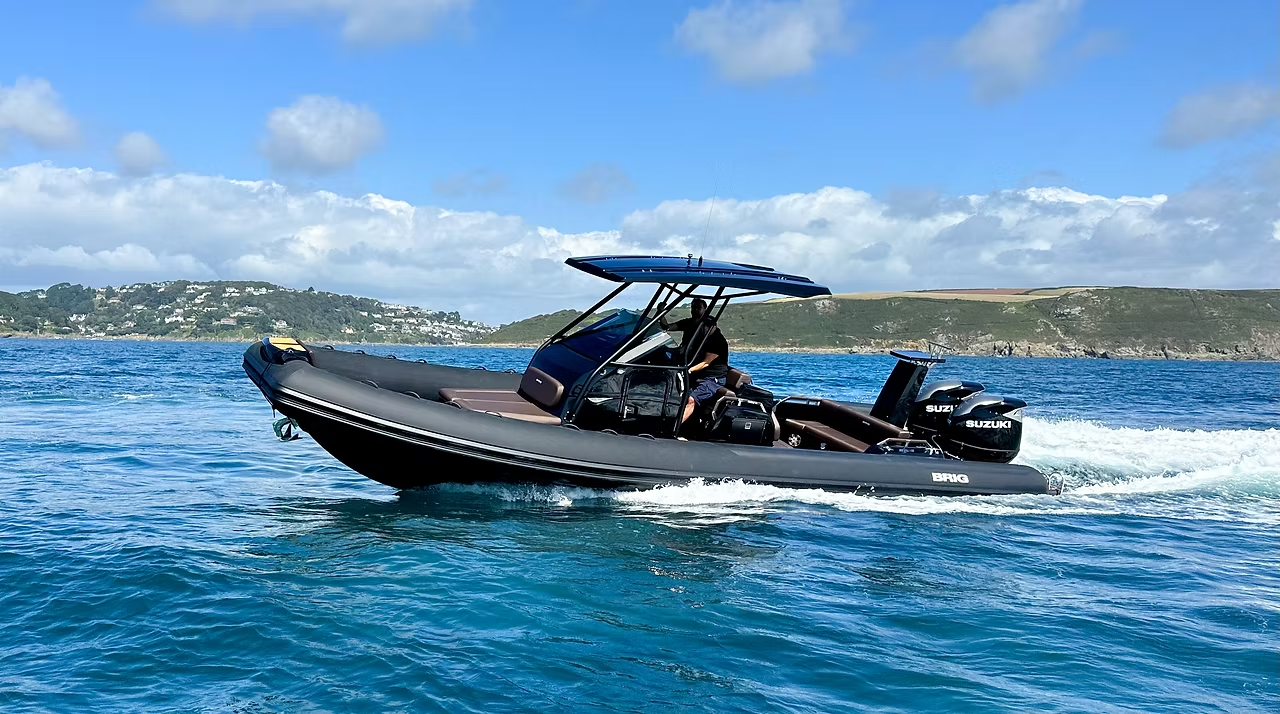
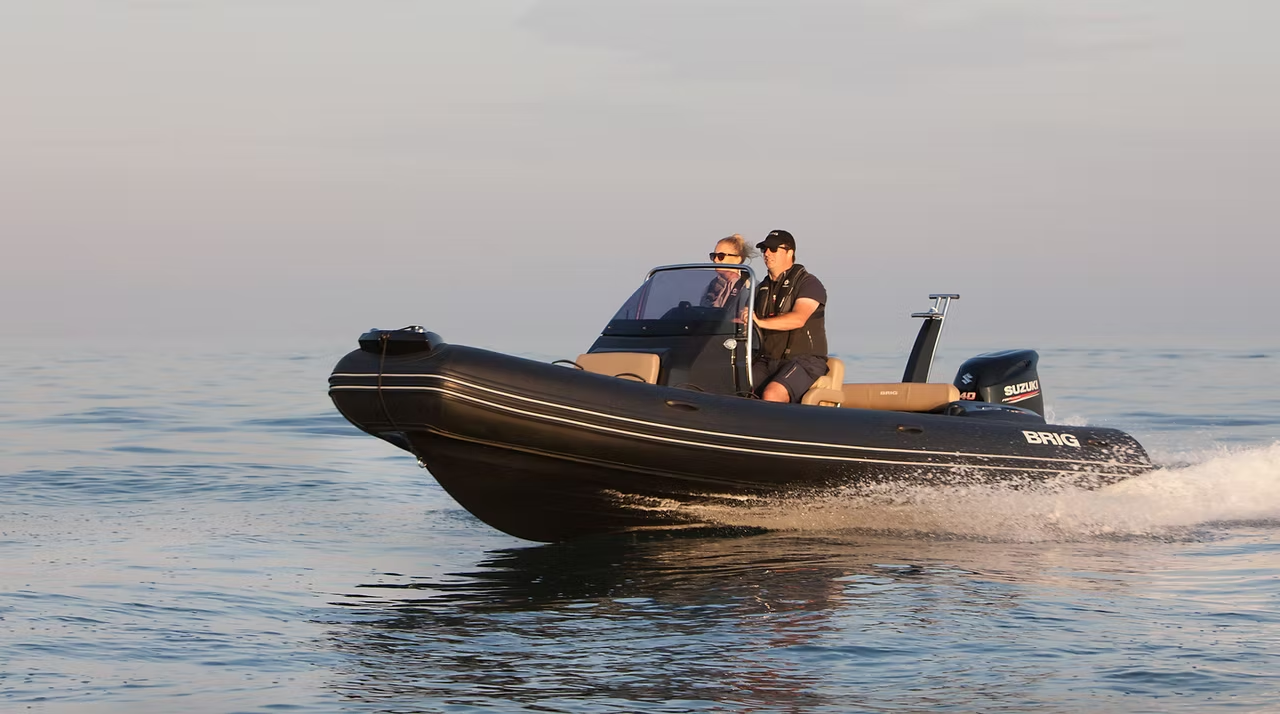
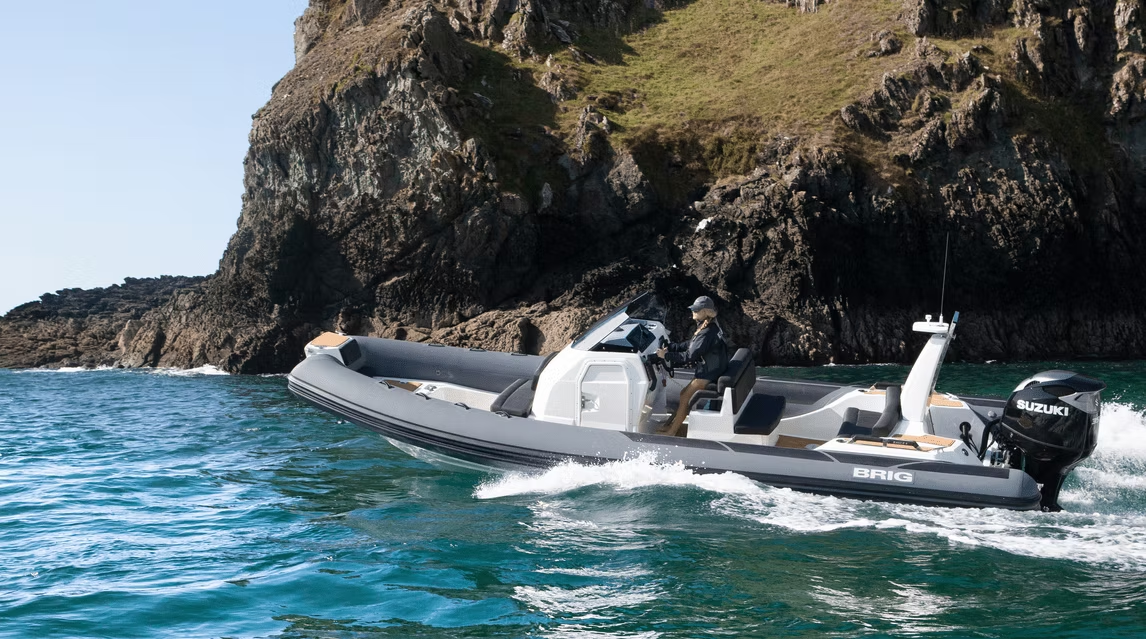
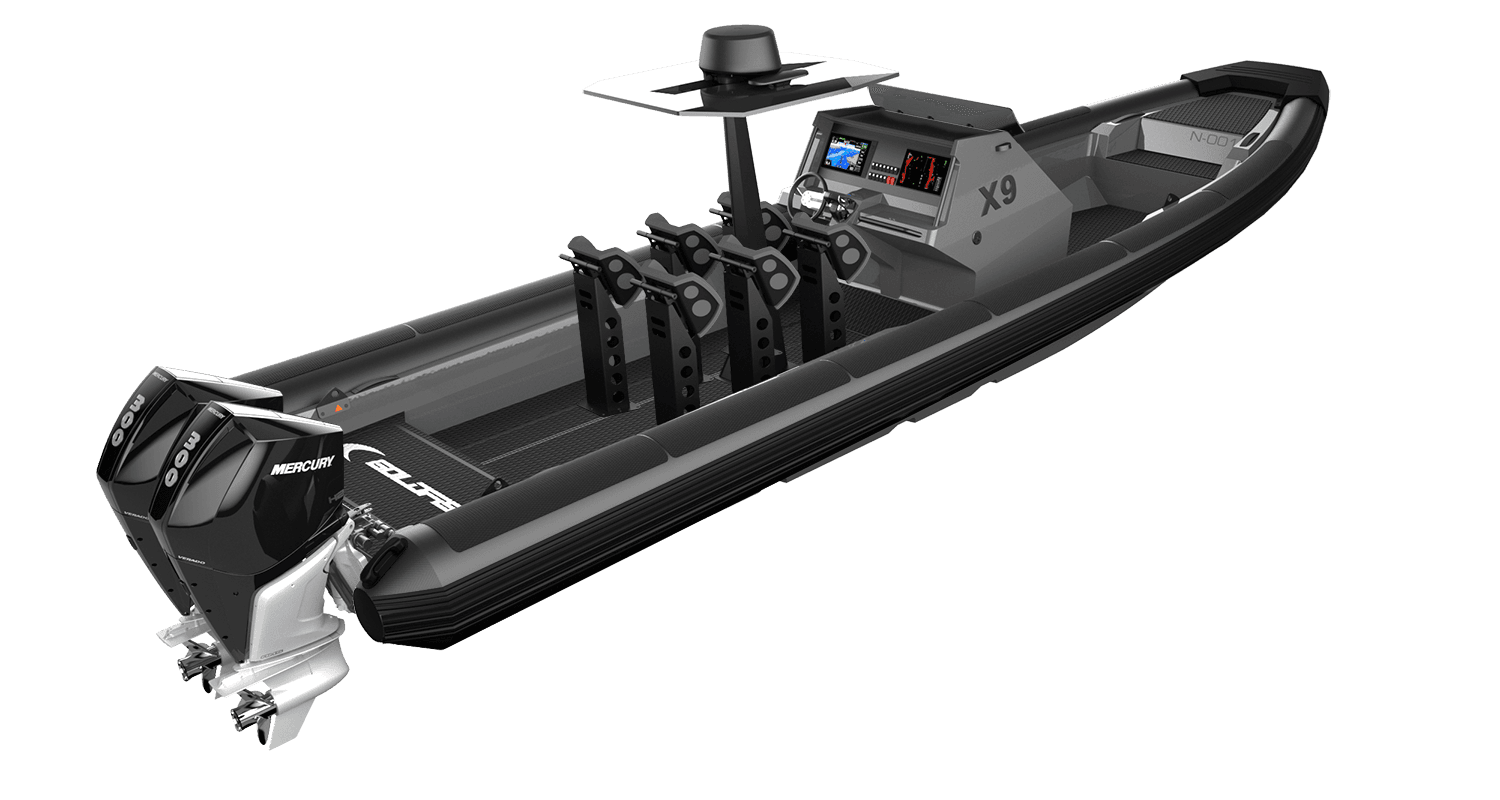
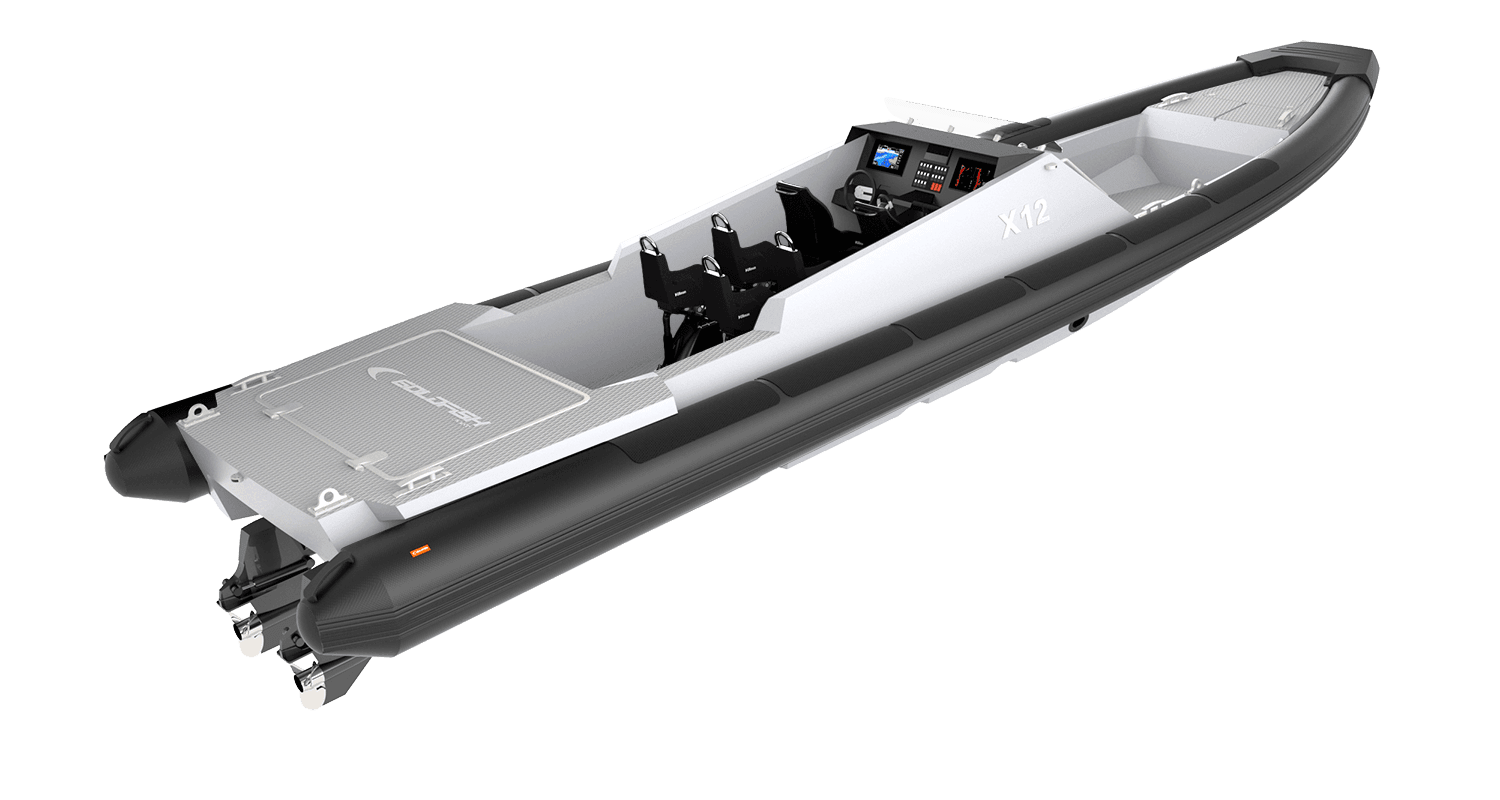
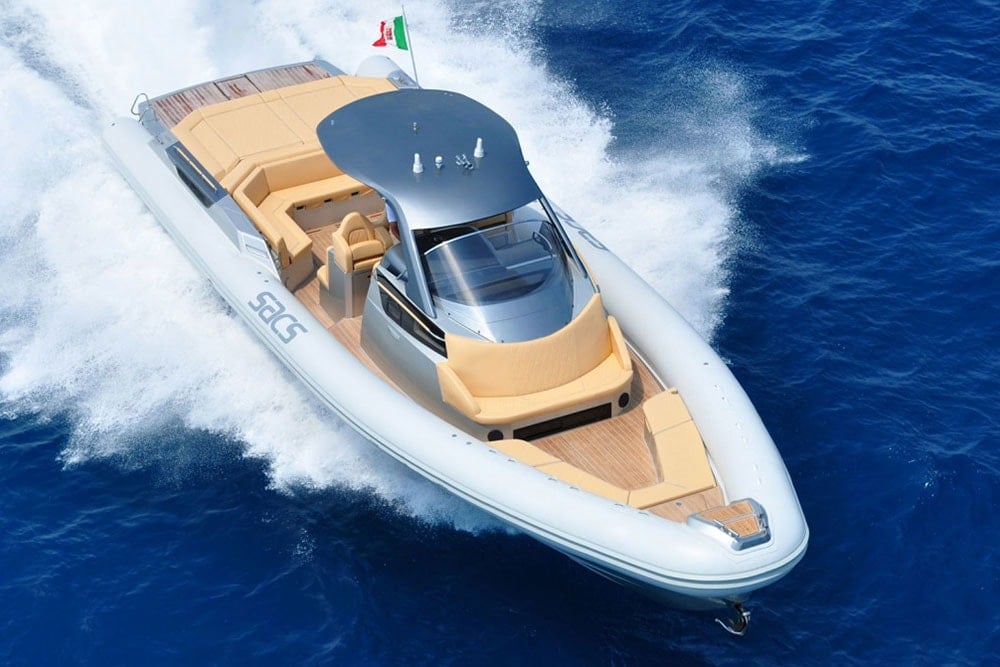
A RIB (rigid inflatable boat) tender pairs a rigid hull with inflatable collar tubes. The combination is the workhorse format of the superyacht-tender world: forgiving alongside the swim platform, easier on guests during boarding, more stable at rest than a conventional hard-bottom hull, and tolerant of the routine bumps of yacht-side life.
Three reasons:
RIBs span the full superyacht-tender map:
A practical question that comes up early in spec discussions:
For a yacht-tender brief, Hypalon is the default specification. PVC is a budget tender for limited-use scenarios. Our collar construction spoke goes deeper into chamber count, repair economics, and the failure modes that show up first.
Three common configurations:
A limousine tender has the presence and weather-protection that a RIB lacks, but a RIB carries more guests, costs less, and handles routine yacht-side knocks better. Most superyacht programmes carry both: a limousine for the formal arrival, a RIB for the working week.
RIB briefs are common; we work them across all four sub-categories. The starting point is the mothership's garage envelope, the davit class, and the role mix the boat needs to cover. The contact page is the start.
Explore
Read
Most tender purchases go wrong in the brief, not the build. This guide walks the buying process end to end, brief first, garage envelope second, propulsion third, yard shortlist fourth, contract fifth, the way we run it for owners.
ReadThe tender garage is the most expensive box on the yacht to get wrong, once built, stretching it means cutting structure. This guide works backwards from the tender envelope through the seven dimensions that actually decide which boat fits.
ReadA tender purchase that closes without a clean survey, a bound insurance policy and a documented sea trial has three failure modes baked in. This guide walks the acquisition sequence we use, what good looks like at each step, and the recurring traps.
Library
A cabin rib is a larger rigid inflatable with an enclosed or partial cabin that adds shelter, range and crew comfort.
ReadA decision-ordered framework for specifying the right RIB tender, from the brief through to the builder shortlist.
ReadWilliams, Pirelli, SACS, Pascoe, Brig, Ribco. Who builds what, and which yard fits which programme.
ReadHypalon vs PVC, single vs multi-chamber, repair economics, and what fails first.
ReadWhat a RIB tender costs, what drives the number, and what it costs to run once it is on the water.
ReadThe length bands that run from a small davit RIB to a 15m chase-capable hull, and how to match each to the mothership and the mission.
ReadHow Hypalon, PVC, and polyurethane collars compare on UV resistance, repair, weight, cost, and lifespan in hot-climate yacht service.
ReadHow an inflatable-collar RIB and a rigid GRP tender compare across the attributes that actually decide a superyacht order.
ReadA RIB tender is a rigid inflatable boat: a solid hull married to an inflatable collar, the default workhorse of the modern yacht fleet.
Glossary
Destinations
Palma is the deepest brokerage and refit market for superyacht tenders in Europe, and the western Med's busiest spring re-spec window.
USAFort Lauderdale is the largest concentrated superyacht tender market in the Americas and the West's busiest refit-and-transport hub.
FrancePort Vauban is the deepest tender-trade pool on the Med, and the calendar runs on Cannes and Monaco show prep.
GreeceMykonos is an anchorage destination, not a marina one: high-frequency tender shuttling defines every programme that calls here.
Talk to us
Send the mothership, the programme, and the role you need filled. A shortlist follows within 48 hours.
Start an Enquiry →