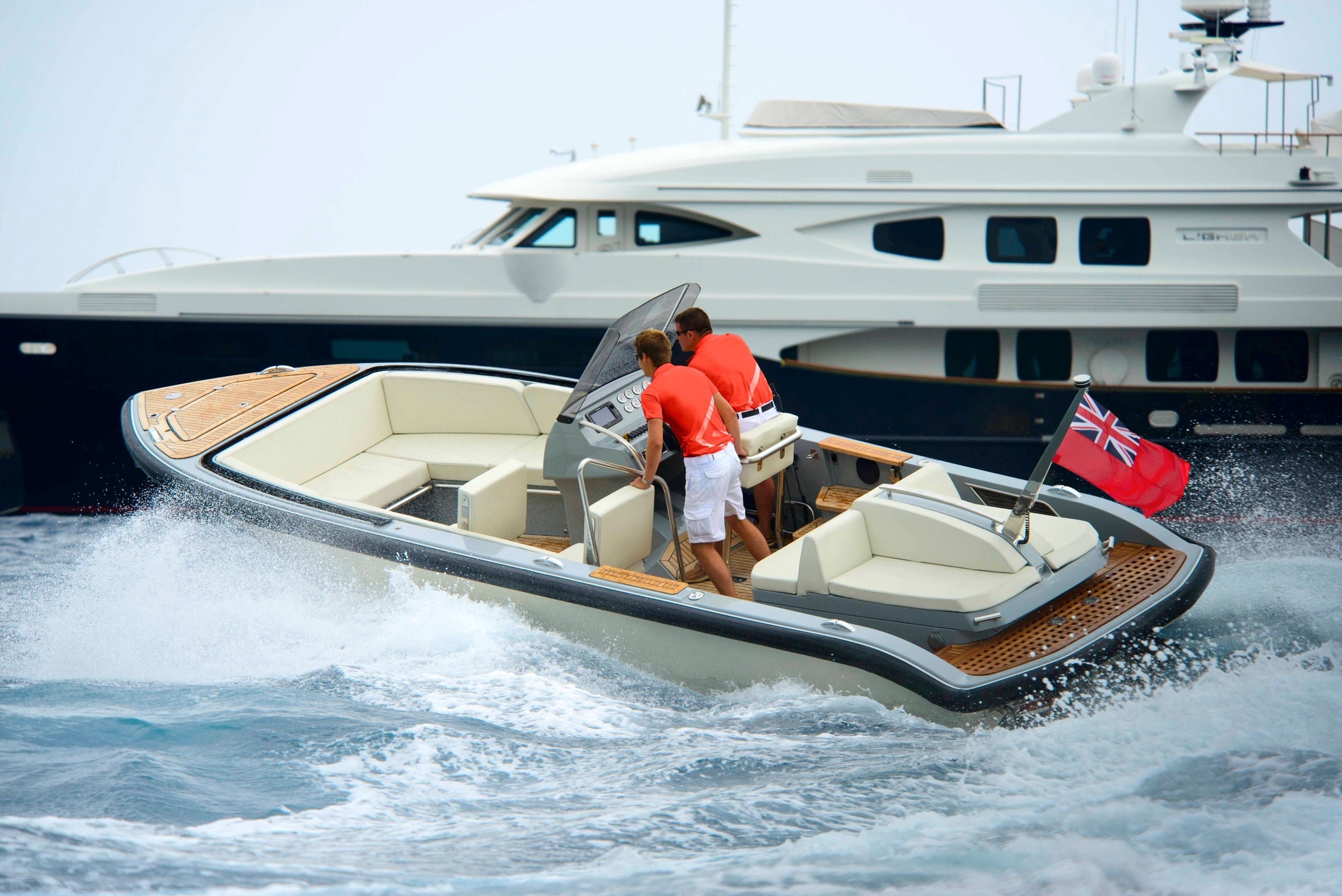
 3-6 months
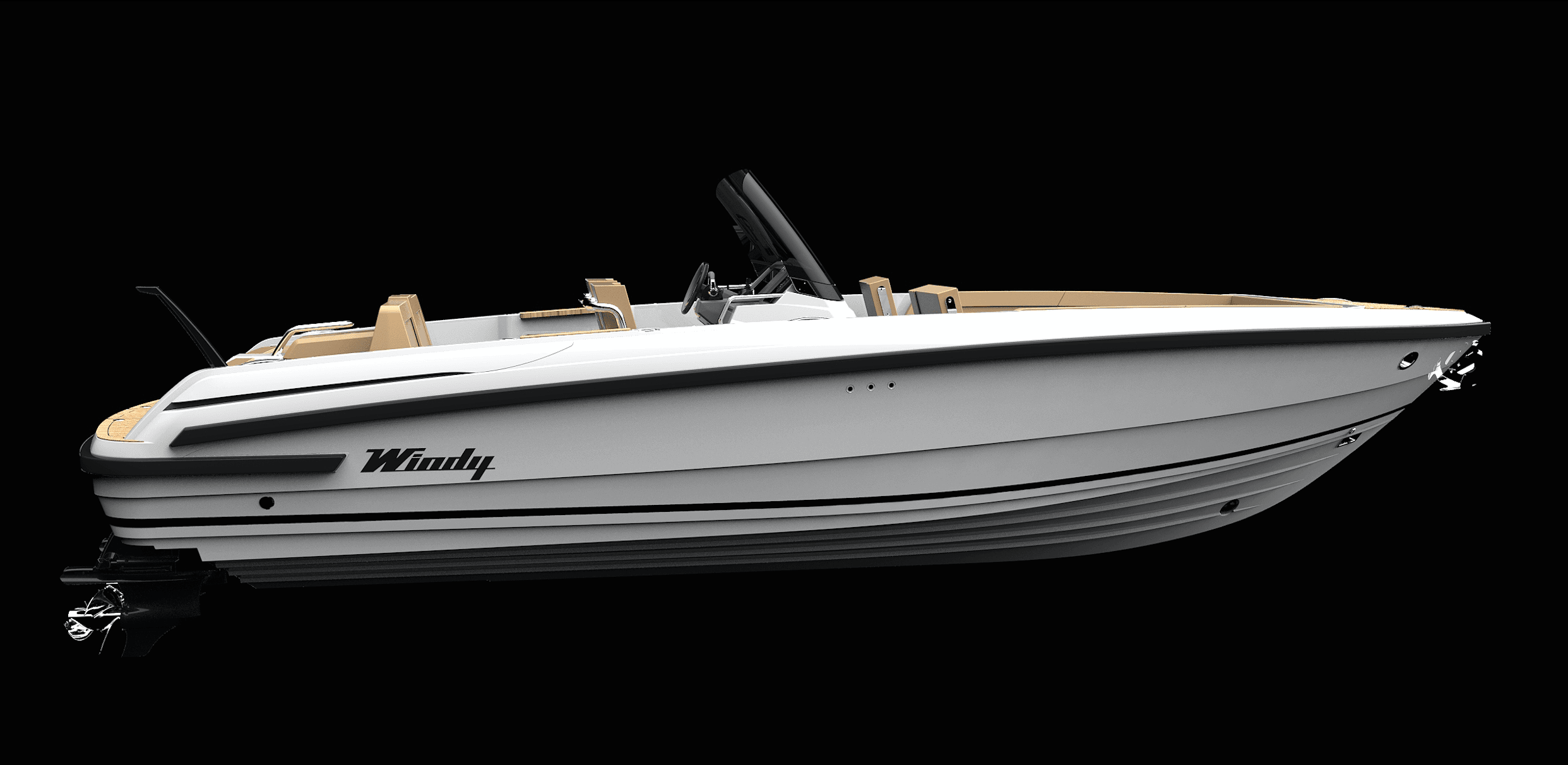
Windy · New build
SR26
7.9m
Length
40kt
Top Speed
9
People
Prices on request
Luxury yacht tenders for superyachts and mega yachts, new-build and pre-owned: limousine, open, RIB, SOLAS, beach lander, jet and electric. Compare builders, specs and prices, or brief us for a shortlist within 48 hours.
For sale now
Showing the latest 12 of 43 boats
New build, to order · priced within one working day
3-6 months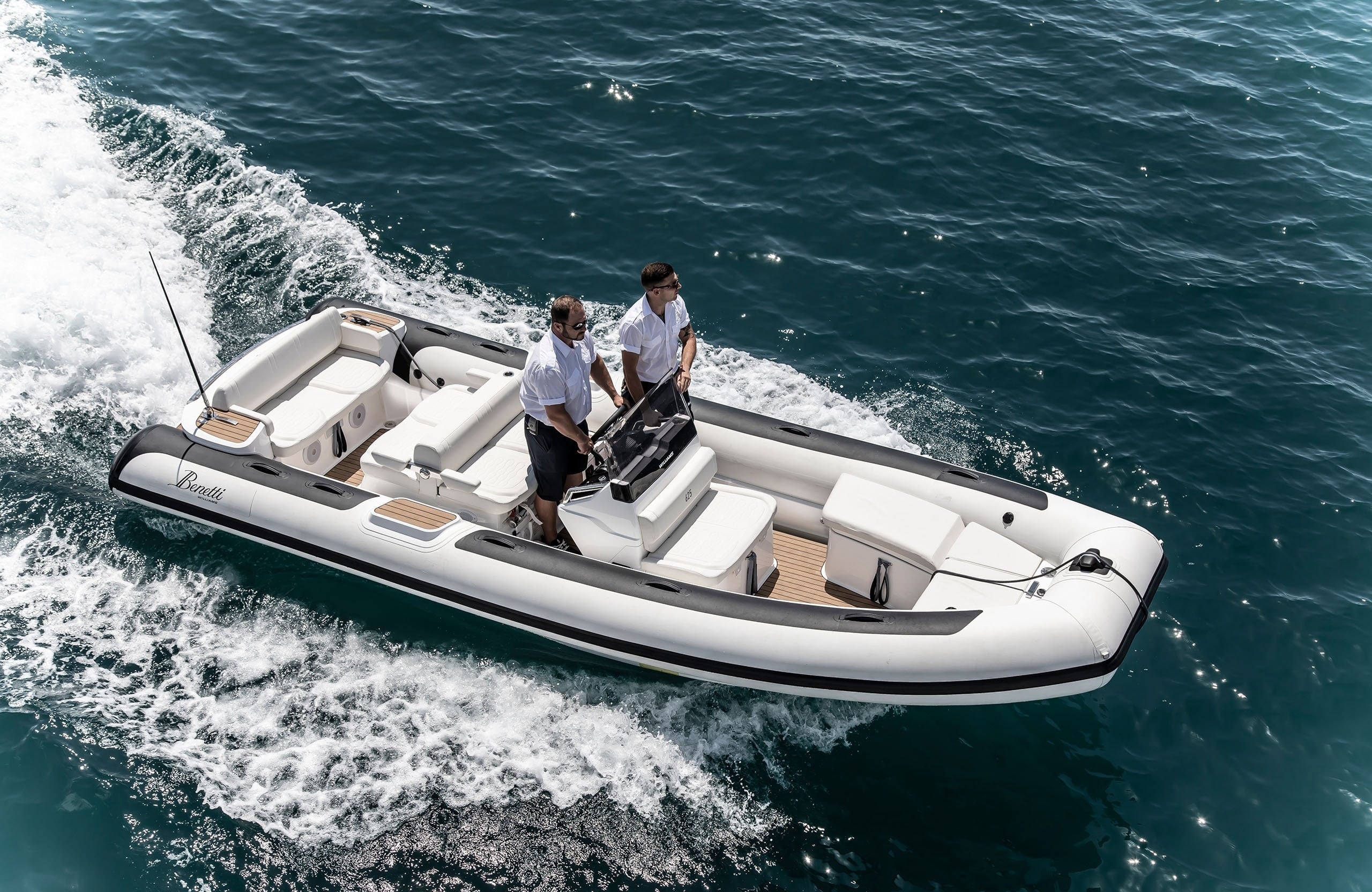
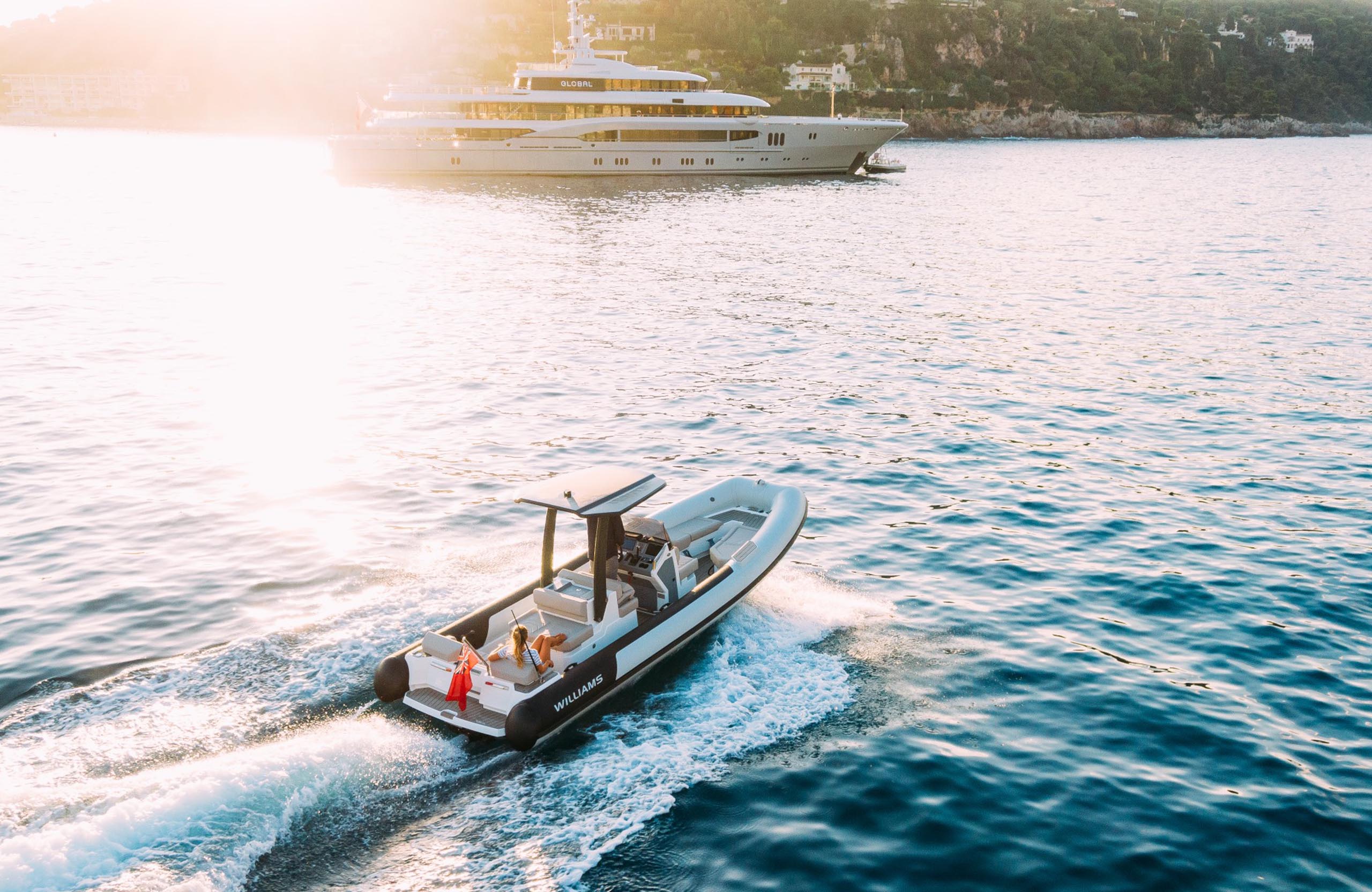
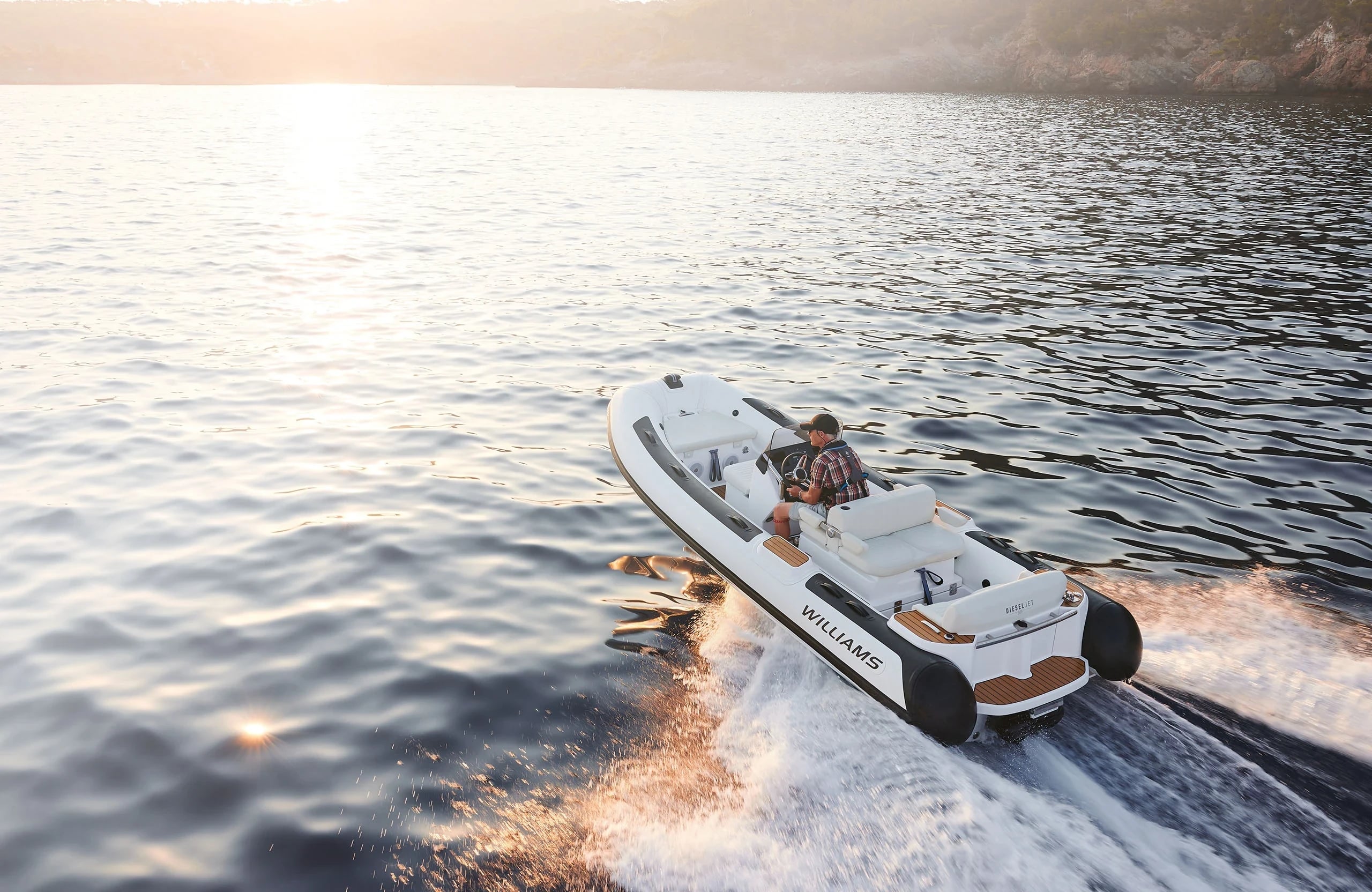
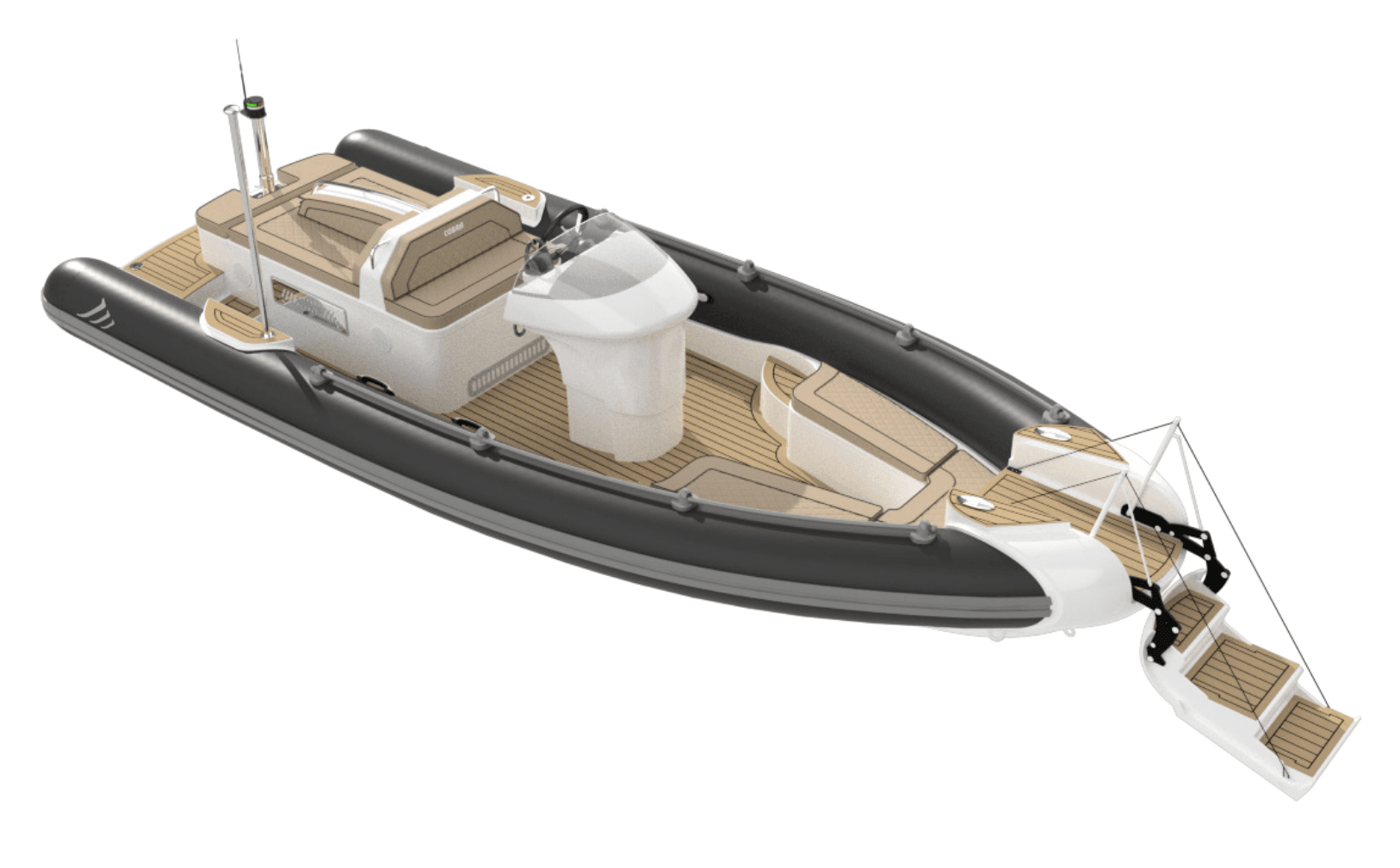
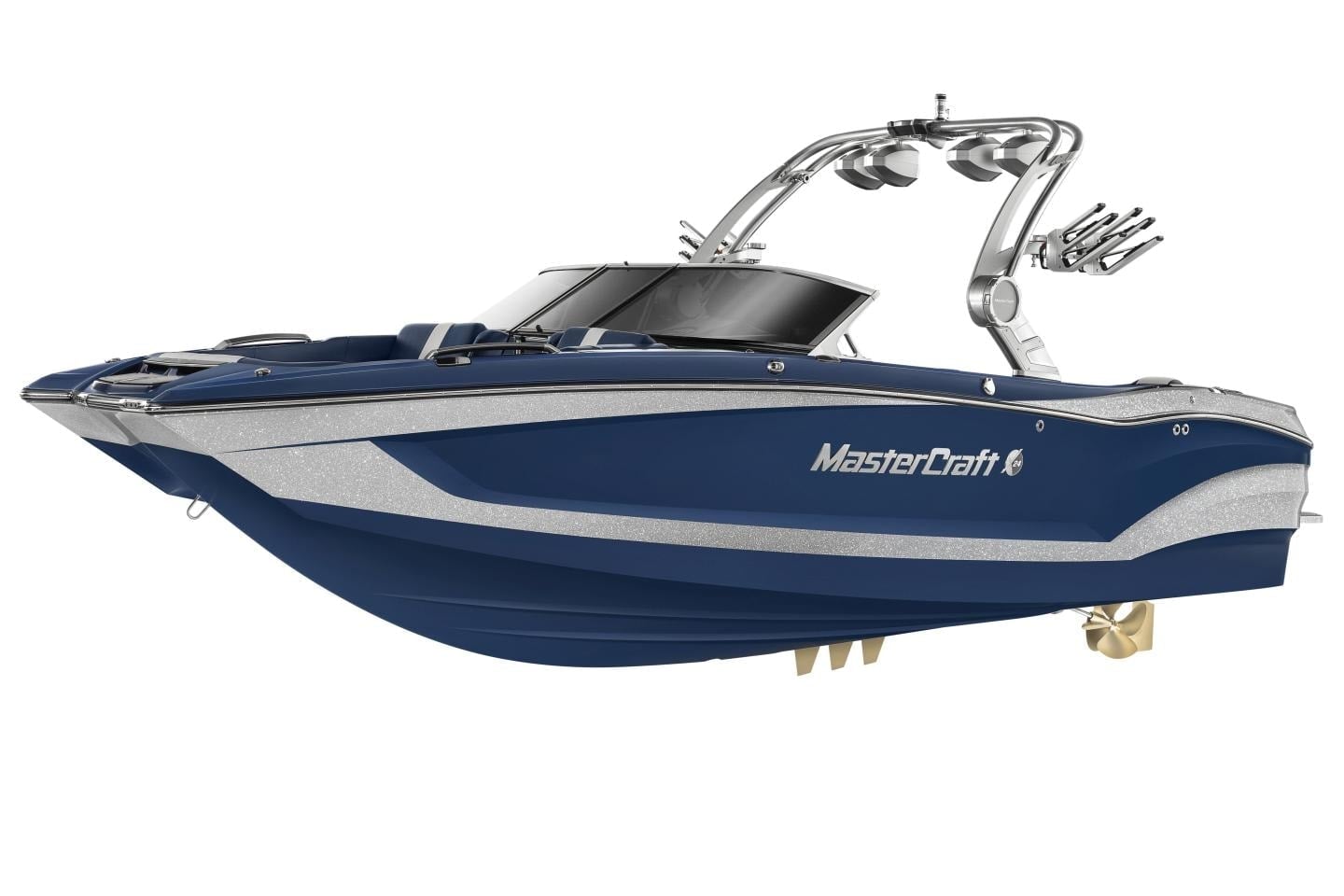
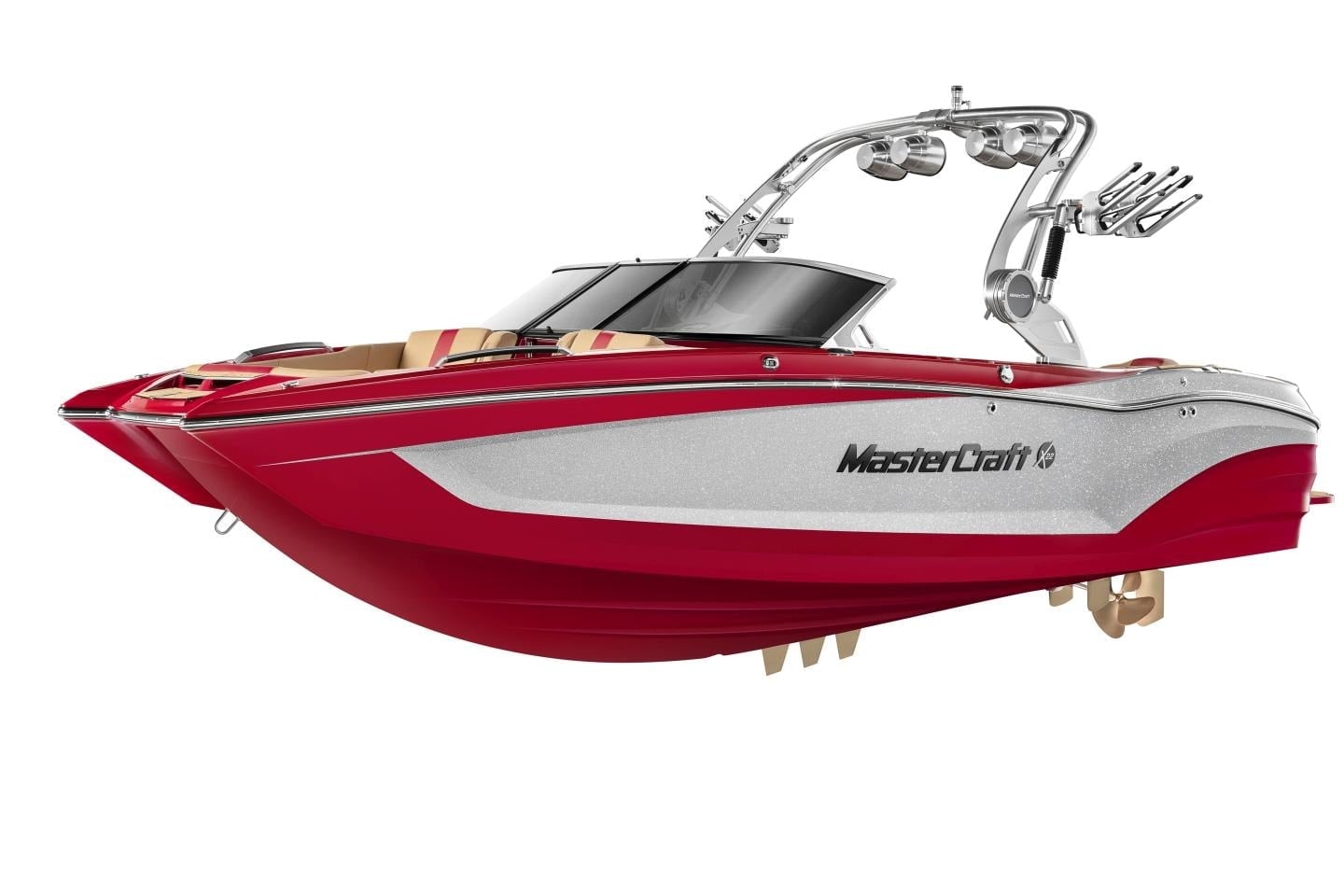
 6-9 months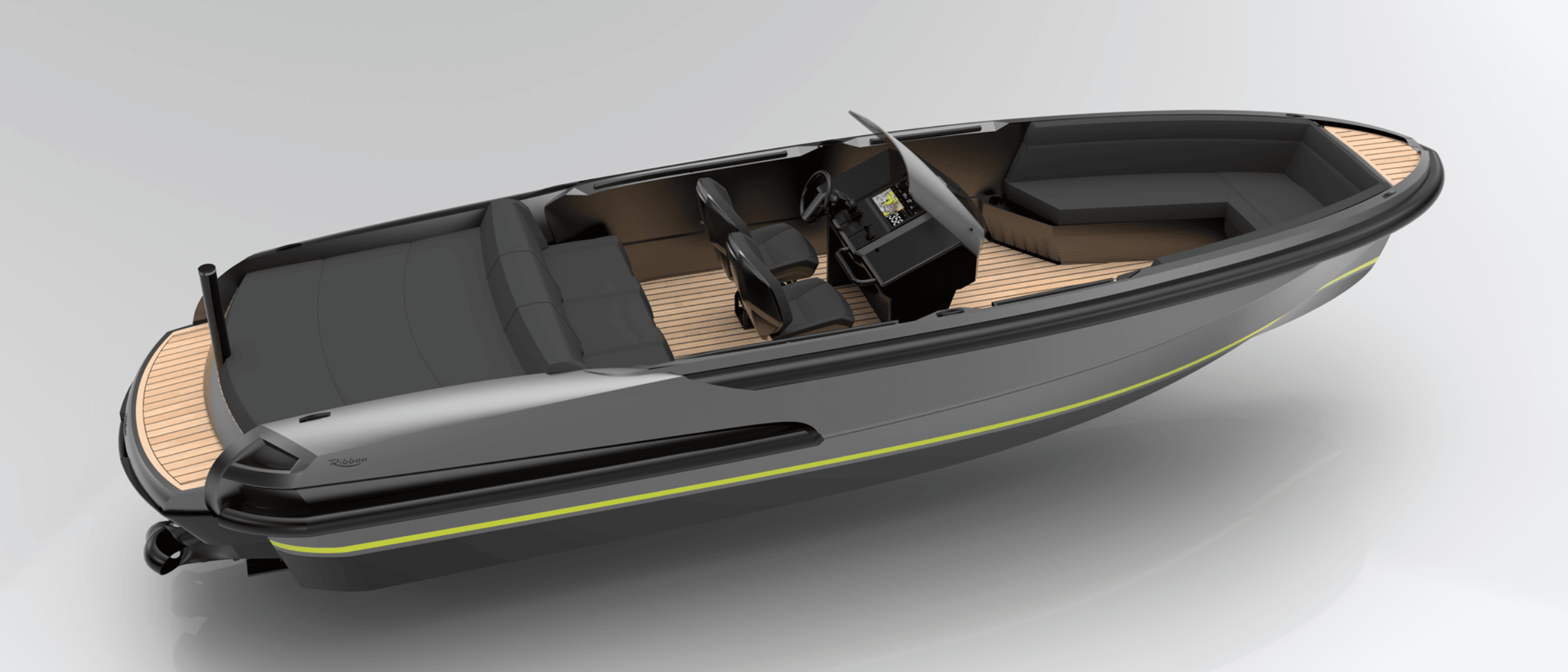
Guide
A superyacht tender is the boat that does the actual work of moving people, kit, and provisions between the mothership and shore. Get it wrong and the programme suffers in ways that are hard to fix without a refit: cycles get longer, guests sit on a swim platform waiting, the captain has to choose between the boat the owner wanted and the boat the garage will accept. Get it right and most of the time you forget the tender exists, which is the point.
This page is the entry to our tender library. It explains the categories that matter, the way builders think about them, and the decisions that drive cost, garage fit, and certification status. Where a category needs more detail, follow the links into the spokes.
In the strict sense, a tender is any small craft carried by, or operated from, a larger vessel. On a private superyacht the term is used loosely for everything launched from the garage or stowed on deck, including the watersports RIB. On a commercially registered yacht the line is sharper, because flag and class rules apply specific carriage and rescue obligations to the boats listed in the safety equipment certificate.
For practical specification, we group tenders into the categories that drive design:
Most yachts carry two or three tenders, not one. A common pattern is a covered limo or limo-tender for guest transfer, a sport tender or RIB for watersports, and a crew or working tender that lives on davits or aft deck. The mix depends on programme, garage geometry, and what the captain will actually use.
A tender specification is a negotiation between four constraints, and almost every difficult decision on a build collapses to one of them.
The full breakdown of the inputs that go into a tender spec sits on the tender specification guide.
Headline budget bands, before options, transport, and refit allowance:
The full breakdown, including the line items that move price the most, is on cost of a superyacht tender. For finance routes see tender finance and leasing and for cross-border purchase see tender import and VAT.
Most builders sell across two or three of these tracks at once.
A semi-custom 9m limo on a 30 to 36 month build cycle is the typical ask for a new yacht. Custom programmes run 18 to 36 months for the boat itself, often longer when garage integration drives the timeline.
Commercial yacht codes (LY3, REG Yacht Code, PYC) treat the rescue tender as part of the vessel's safety equipment. The carriage requirement, capacity, and stowage method all sit in the safety case the flag state signs off. Private yachts have more latitude but most build managers still specify to commercial standard so the boat can move between registries without a re-fit.
The rules that apply most often:
We unpack the practical implications on tender classification rules, including the commonly missed point that an open RIB built to recreational ISO will not satisfy a commercial rescue obligation without rework.
The two terms get used interchangeably, mostly by builders who want to sell into both buckets. They are not the same boat. A tender is launched from the mothership and lives in the garage. A chase boat is its own platform, runs under its own crew, and follows the yacht under power. The crossover sits around 11 to 14 metres, where some boats can do both jobs.
The decision tree, the geometry, and the typical operating patterns are on tender vs chase boat. The full chase boat library lives on the superyacht chase boats overview, and for the larger end of the support spectrum see support vessels.
Once the spec is agreed, the rest of the work is process.
We work as the owner's side of the table, not the builder's. Our job is to keep specifications honest, prices defensible, and timelines realistic. That means brokerage on used boats, sourcing on new builds, project management through delivery, and an opinion when one is needed.
If you have a yacht in build and the tender brief is still a paragraph in a contract, the work to do now is the spec. If you have a finished boat and the existing tender is wrong, the work is either a refit or a re-buy and we can usually tell which inside an hour. Either way, get in touch and we will start where it makes sense.
Explore
Read
Most tender purchases go wrong in the brief, not the build. This guide walks the buying process end to end, brief first, garage envelope second, propulsion third, yard shortlist fourth, contract fifth, the way we run it for owners.
ReadThe tender garage is the most expensive box on the yacht to get wrong, once built, stretching it means cutting structure. This guide works backwards from the tender envelope through the seven dimensions that actually decide which boat fits.
ReadProduction, semi-custom and full-custom are not a quality ladder, they are three different commercial propositions. This guide defines each tier, what they cost, the lead times, and how to pick the right one for the brief before a yard is chosen.
ReadA tender purchase that closes without a clean survey, a bound insurance policy and a documented sea trial has three failure modes baked in. This guide walks the acquisition sequence we use, what good looks like at each step, and the recurring traps.
Library
A catamaran tender trades the speed of a deep-vee monohull for deck area, stability at rest, and shallow draft. It earns its place as a watersports, dive, or beach-day platform, not a guest transfer boat.
ReadA crew or working tender does the unglamorous work: provisioning runs, laundry, crew rotation, and fuelling logistics. It is specified for cargo, durability, and single-crew handling, not guest comfort.
ReadA custom superyacht tender, or bespoke yacht tender, is designed from a clean sheet for a specific yacht, garage and programme. True custom runs 24 to 42 months and costs 50 to 100 percent above an equivalent semi-custom, and the garage demands it in roughly 60 percent of cases. This page covers the custom yacht tender builders, the costs and the decision.
ReadAn electric or hybrid tender suits short-cycle work where range is bounded and noise and emissions matter. Pure-electric works at 6 to 10m, giving 12 to 25 nautical miles of planing range; above that, hybrid is the realistic answer.
ReadStart from the brief, not the boat. The mothership, the cruising programme, and the role mix set the envelope before any preference matters, and most yachts above 50m carry two or three tenders rather than one boat doing everything.
ReadA jet tender uses a waterjet instead of a propeller, spanning from the 2.85m Williams DieselJet to 14m Castoldi platforms. No exposed prop and a flat underbelly make it the default for tight, height-constrained garages under 60m.
ReadAn open guest tender has no fixed cabin or hardtop, favouring deck space and swim-platform access over weather protection. It is the volume choice for fair-weather hops and runs 15 to 30 percent below the limousine version of the same hull.
ReadA semi-custom tender keeps the hull and layout fixed while the owner chooses engine, electronics, trim and finish. It delivers in 9 to 15 months against 18 to 24 for full custom.
ReadA sport tender is a guest-carrying day boat that prioritises performance and driving feel over cargo volume. Most sit between 8m and 14m and cruise in the high thirties to mid forties knots.
ReadAn authoritative overview of the yacht tender brands and manufacturers that build the world's superyacht tenders, how the field divides across custom, semi-custom and production yards, and how to shortlist a builder against your brief.
ReadHow tender length is set by the mothership and its garage, the typical size bands by yacht length, and the trade between volume and capability.
ReadBuying a superyacht tender is closer to a build project than a boat purchase. A custom build runs 18 to 30 months from brief to a tender on the mothership, staged across eight steps.
ReadOnce a tender is carried commercially or crosses length and capacity thresholds, flag-state, class and code rules apply. Most ship as CE Category B or C; over 500GT triggers SOLAS rescue duty.
ReadHow a new or bought tender actually reaches the yacht, from build slot to commissioning, and how to fit it around the itinerary.
ReadMost superyacht tenders close in cash, but finance and lease structures suit charter fleets and treasury cases. Loan-to-value caps at 60 to 75% over a 5 to 10 year term.
ReadTender tax turns on where it is delivered, where it is operated, and the carrying yacht's status. EU rates run 17 to 27%, the UK 20%, and a tax-paid yacht's tender usually inherits its status.
ReadHow a superyacht tender is insured, when it sits under the mothership policy, and what changes the moment it is used commercially or for charter.
ReadMost tender damage on a working yacht happens during launch or recovery, not under way. Lift geometry, load-rated points, crane SWL margin and crew procedure decide whether a boat lifts clean in a swell.
ReadA well-maintained tier-one tender holds 65-75% of new value after five years; the same hull run on reactive maintenance sits at 40-50%. A structured schedule is the highest-leverage spend in tender ownership.
ReadA well-built tender runs 15-20 years with planned refit cycles. A refit at year 7-10 typically returns another 5-10 years of service for 30-50% of new build cost, if the hull, lifting points and garage fit still check out.
ReadA tender sea trial is where the spec sheet meets the water, and it is the last point at which a problem costs the yard money rather than the owner.
ReadA specification document is the bridge between a brief and a built boat. A usable tender spec covers eight areas, from mothership role and dry-weight target through to sea-trial pass criteria and handover documentation.
ReadTenders spend more time stored than running, and how they are stored and moved drives hull life, finish quality and the operating budget. On-board stowage, off-season options and transport between cruising grounds all turn on the mothership's geometry.
ReadA tender lives on the mothership and carries guests or crew over short distances, typically 4-16m. A chase boat follows on its own keel, running 150-400nm independently to extend range and carry toys.
ReadA yacht tender is the small boat a larger yacht carries or operates to move people, kit and provisions between the mothership and shore. On a superyacht that means anything from a 4 metre crew RIB to a 12 metre limousine, and most yachts carry two or three.
ReadYacht toys are the watersports and leisure kit a superyacht carries: Seabobs, e-foils, PWC, inflatables, dive kit and, at the top end, submersibles. The toy list shapes tender choice, garage planning and crew workload more than most owners expect.
Glossary
Destinations
The densest large-yacht harbour in the world runs a captain-led tender market that peaks hard around the Grand Prix.
FrancePort Vauban is the deepest tender-trade pool on the Med, and the calendar runs on Cannes and Monaco show prep.
SpainPalma is the deepest brokerage and refit market for superyacht tenders in Europe, and the western Med's busiest spring re-spec window.
USAFort Lauderdale is the largest concentrated superyacht tender market in the Americas and the West's busiest refit-and-transport hub.
ItalyViareggio is a building town: tenders here are commissioned with the mothership, not traded off the dock.
ItalyGenoa is a builder's port and the busiest yacht-transport hub on the Med, not a guest destination.
Talk to us
Send the mothership, the programme, and the role you need filled. A shortlist follows within 48 hours.
Start an Enquiry →