 Available now
Anvera · Pre-owned
Anvera 14.5m
14.5m
Length
2023
Year
Genoa
Location
1,200,000 EUR
Chase boats for sale, new and pre-owned, from 8 to 20 metres: center console, sport-fishing and expedition boats that run alongside the mothership. What they cost, who builds them, and a shortlist within 48 hours.
For sale now
Showing the latest 20 of 125 boats
Pre-owned, available now
Available now Available now
 Available now
 Available now
 Available now
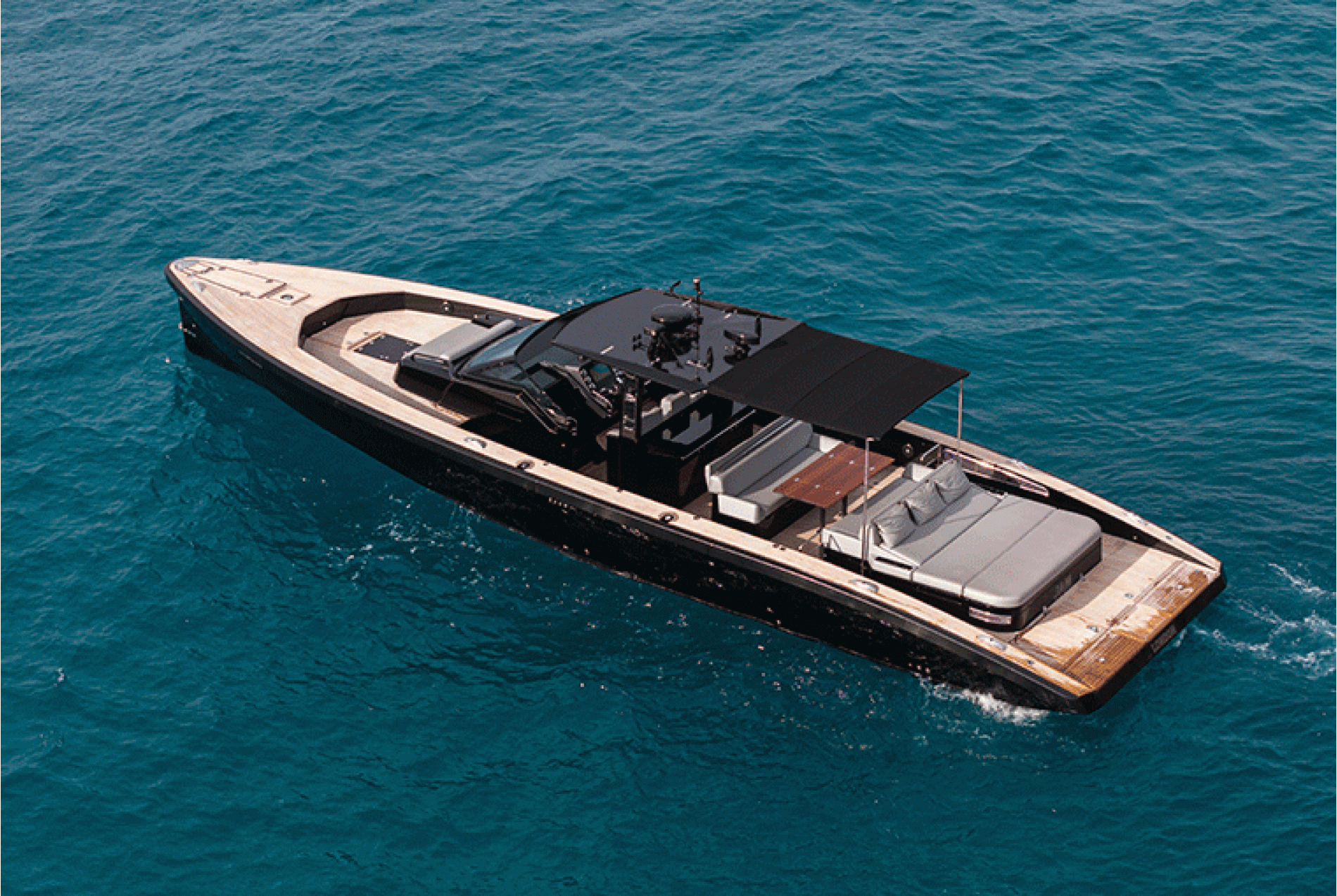 Available now
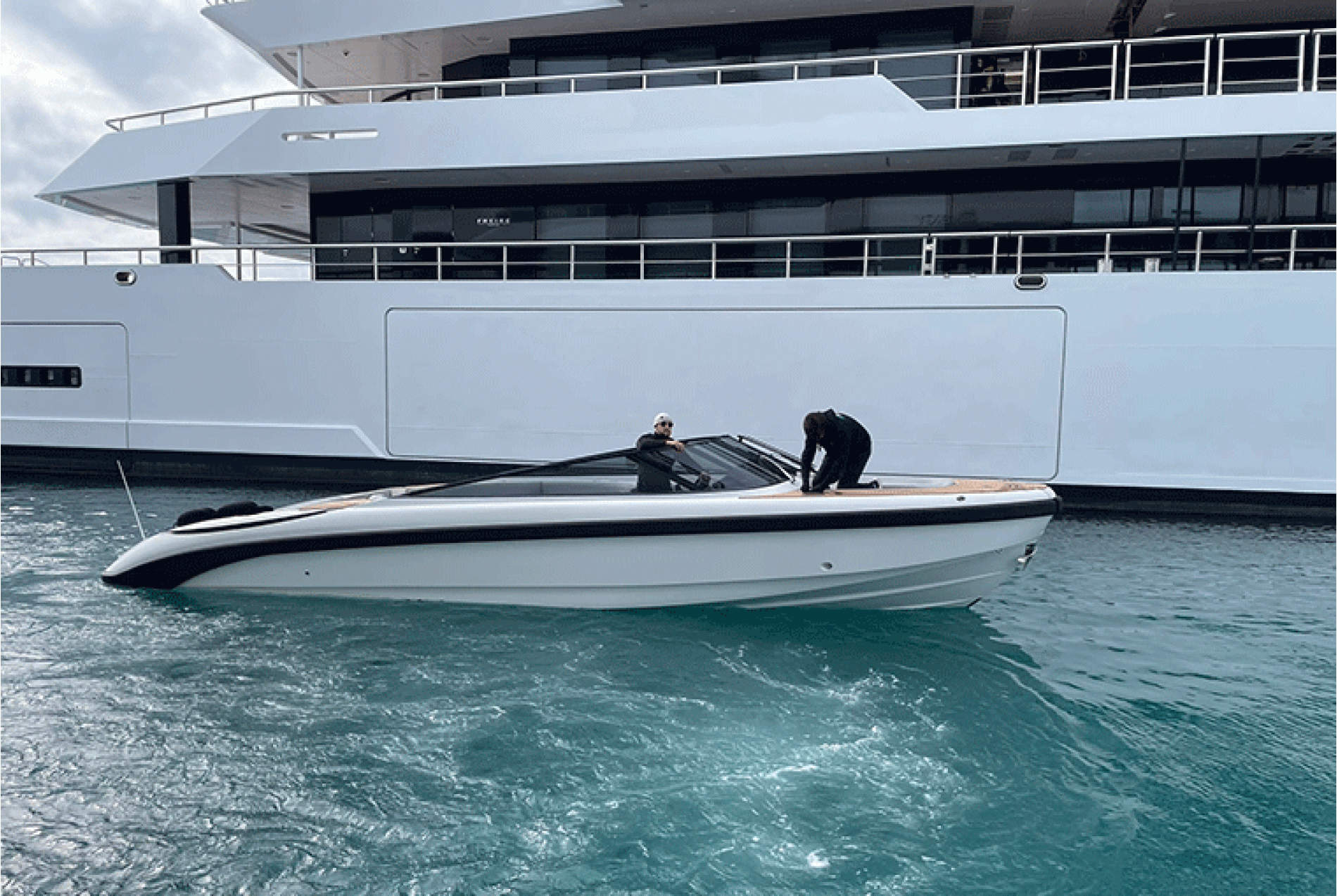 Available now
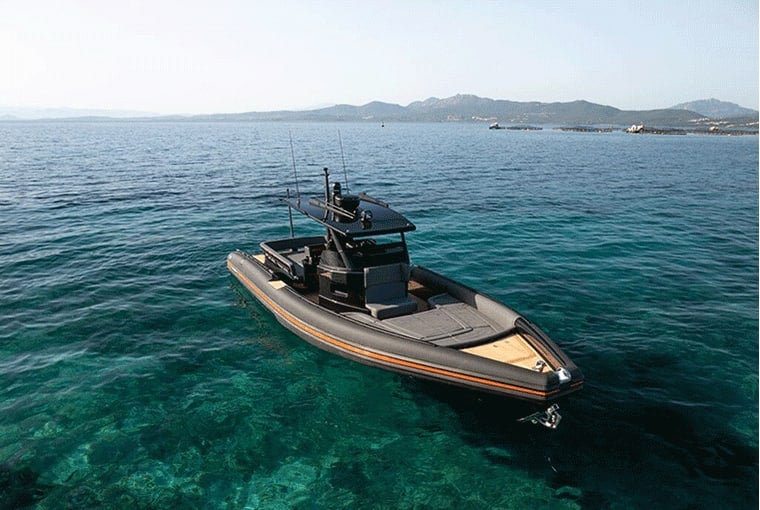 Available now
New build, to order · priced within one working day
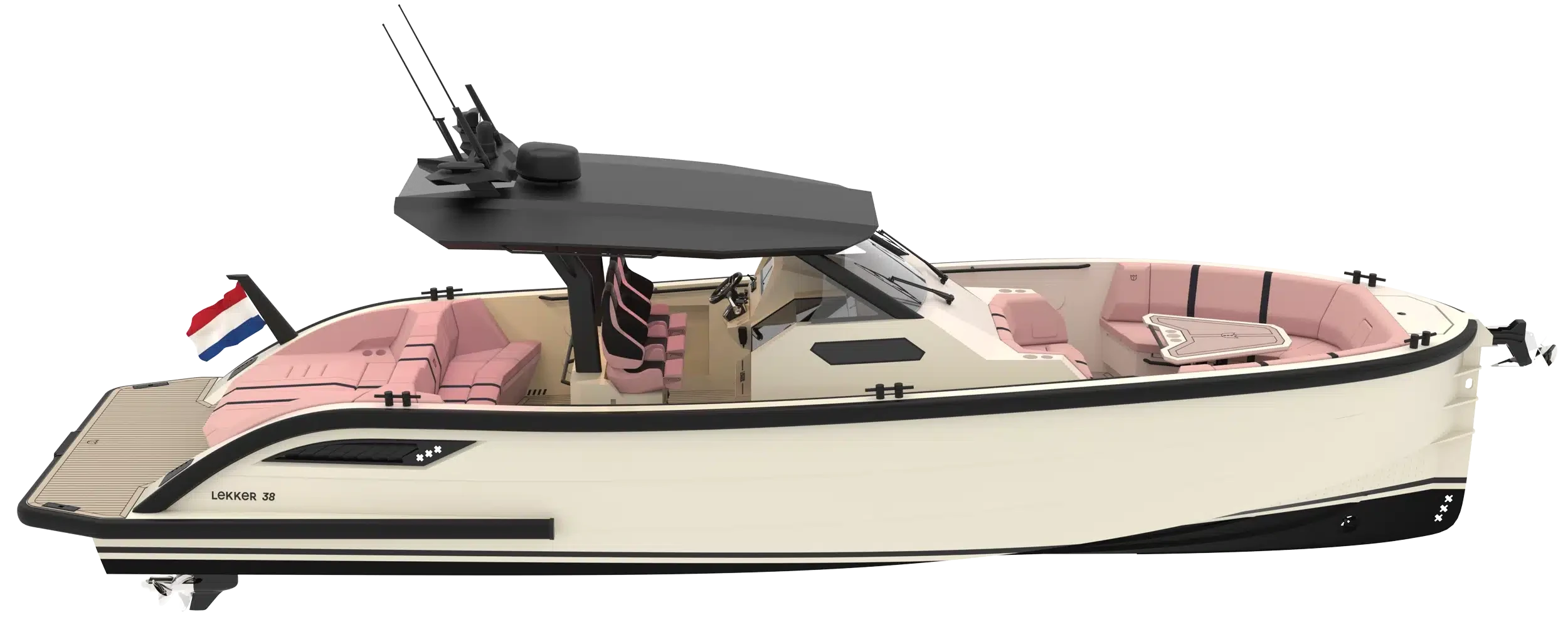 6-9 months
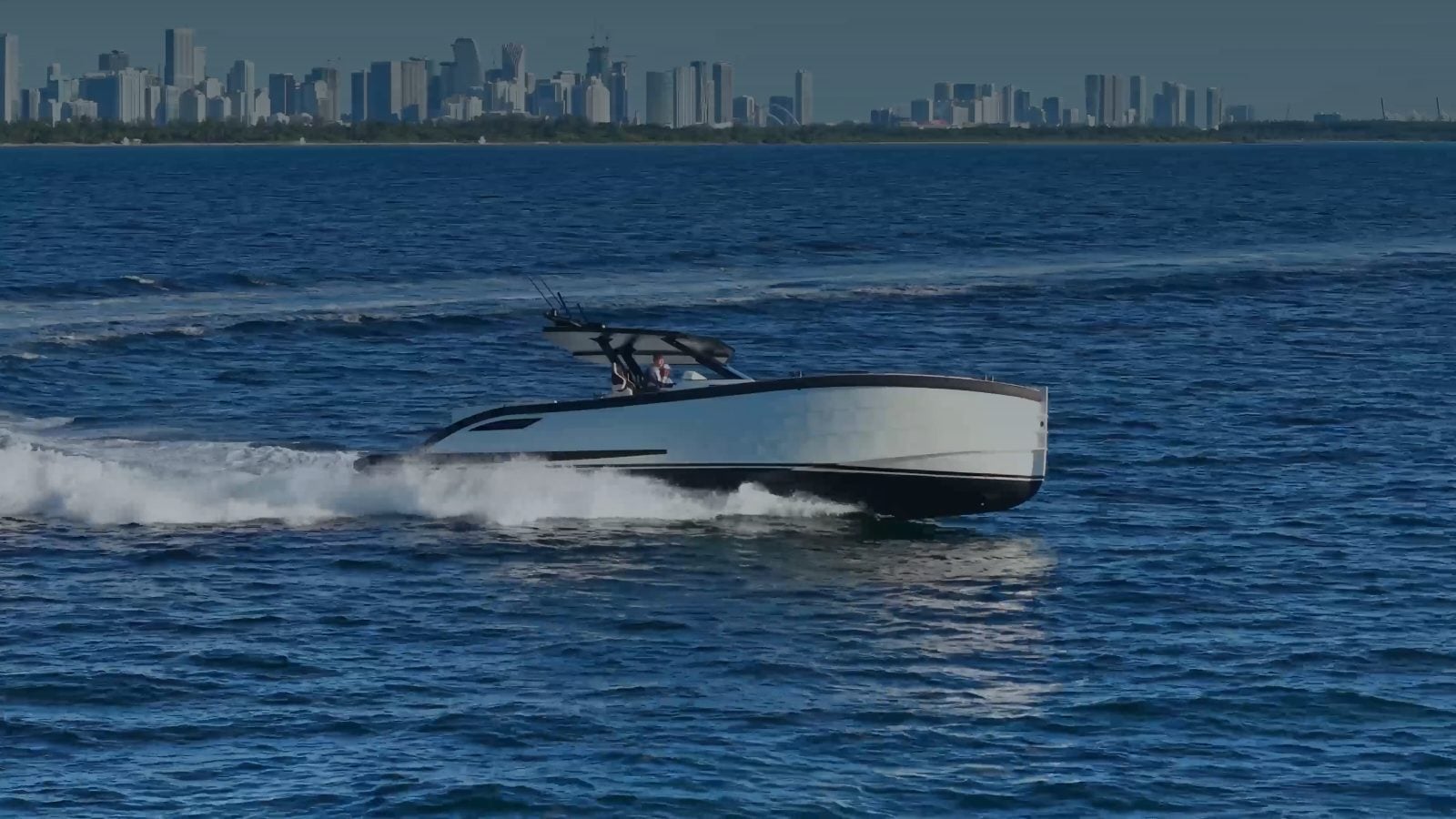 6-9 months
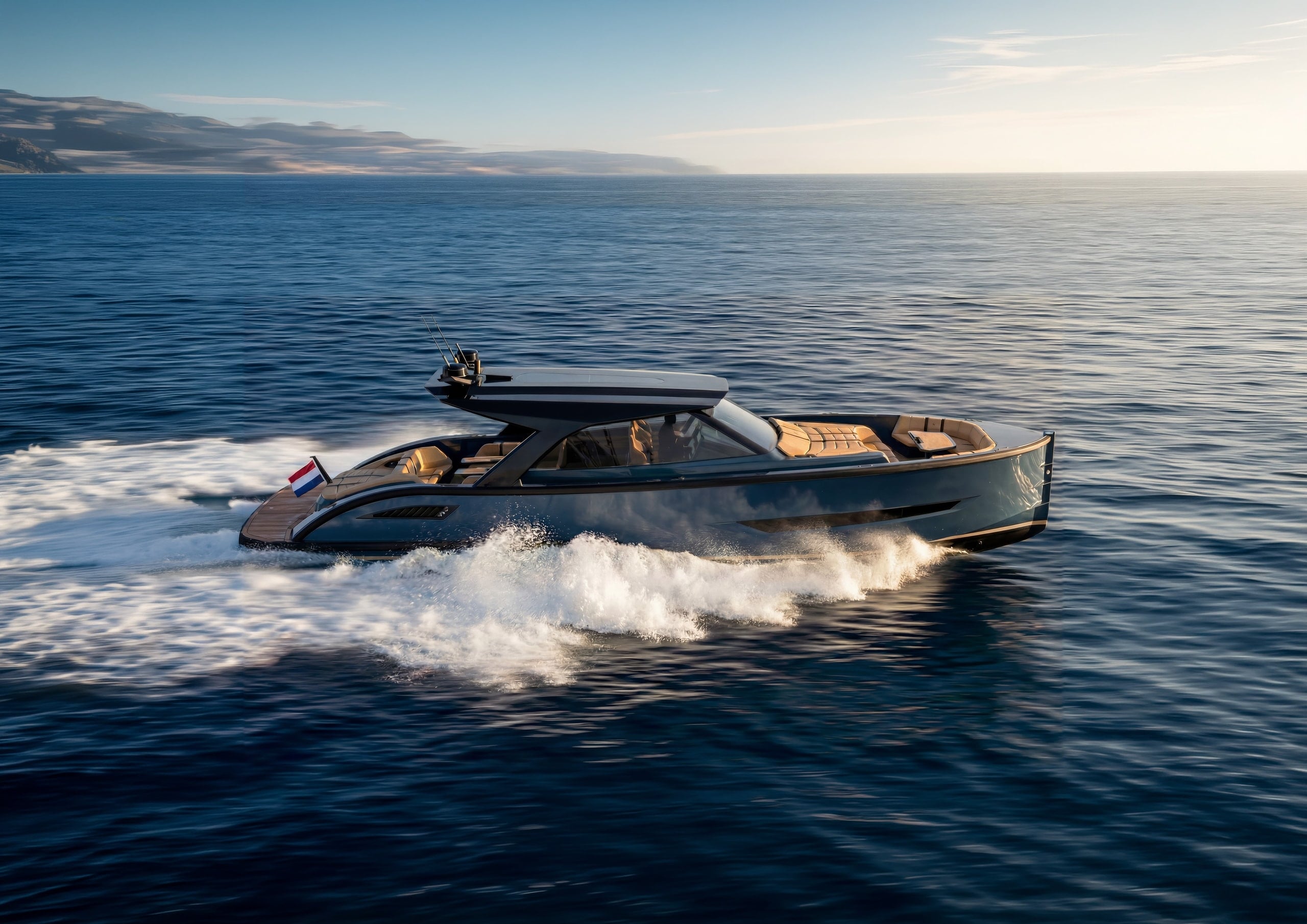 6-9 months
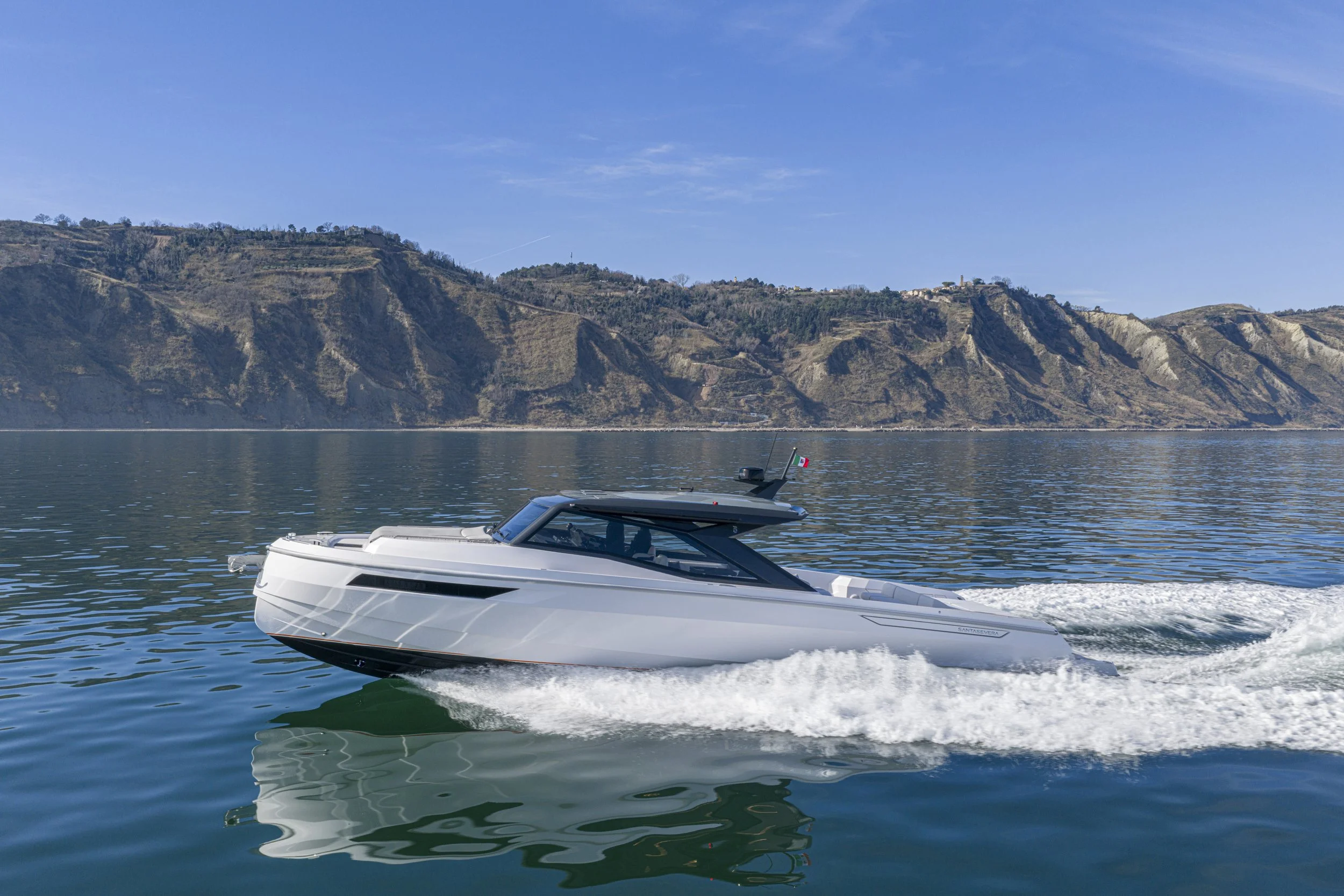 6-9 months
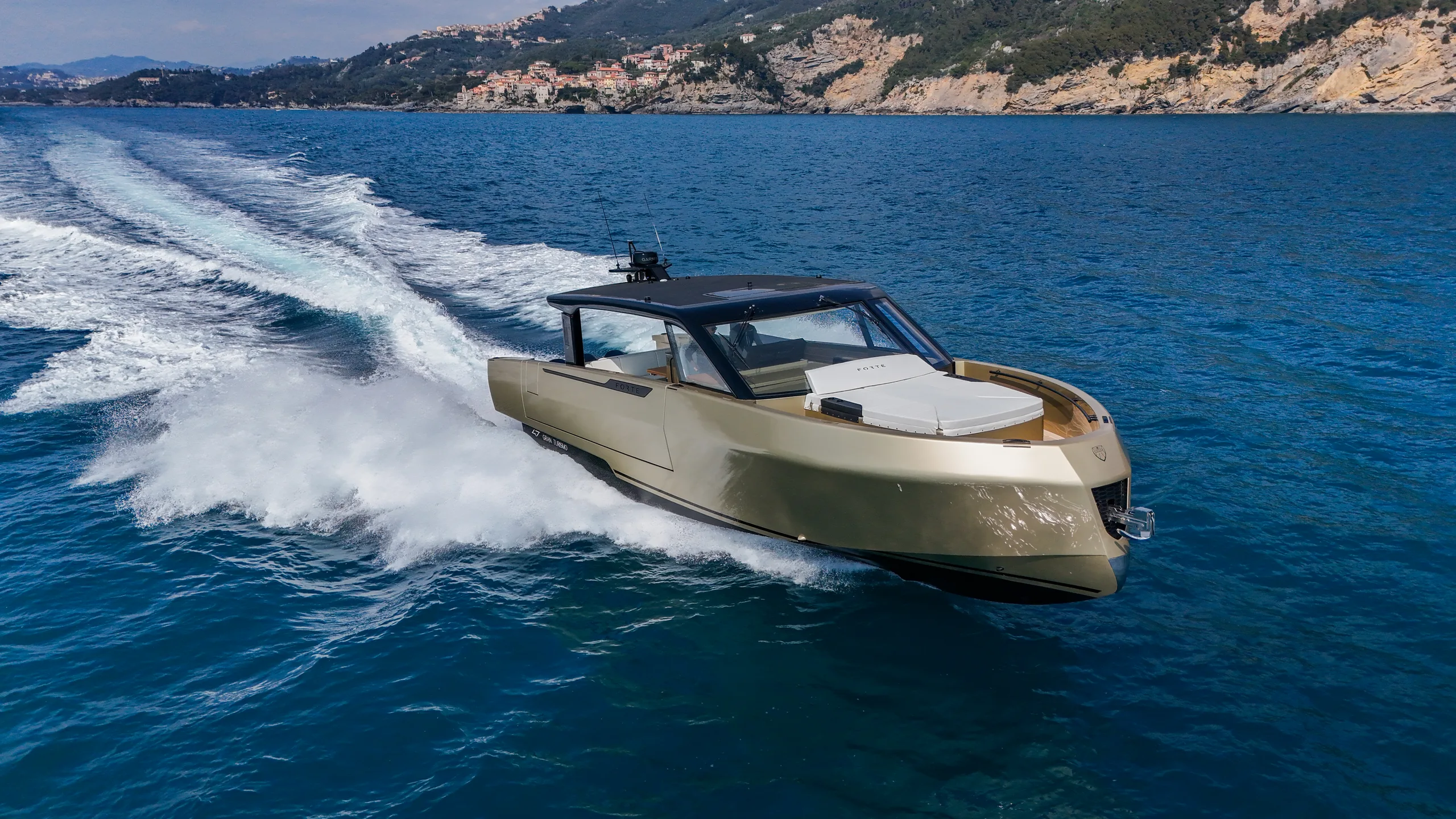 3-6 months
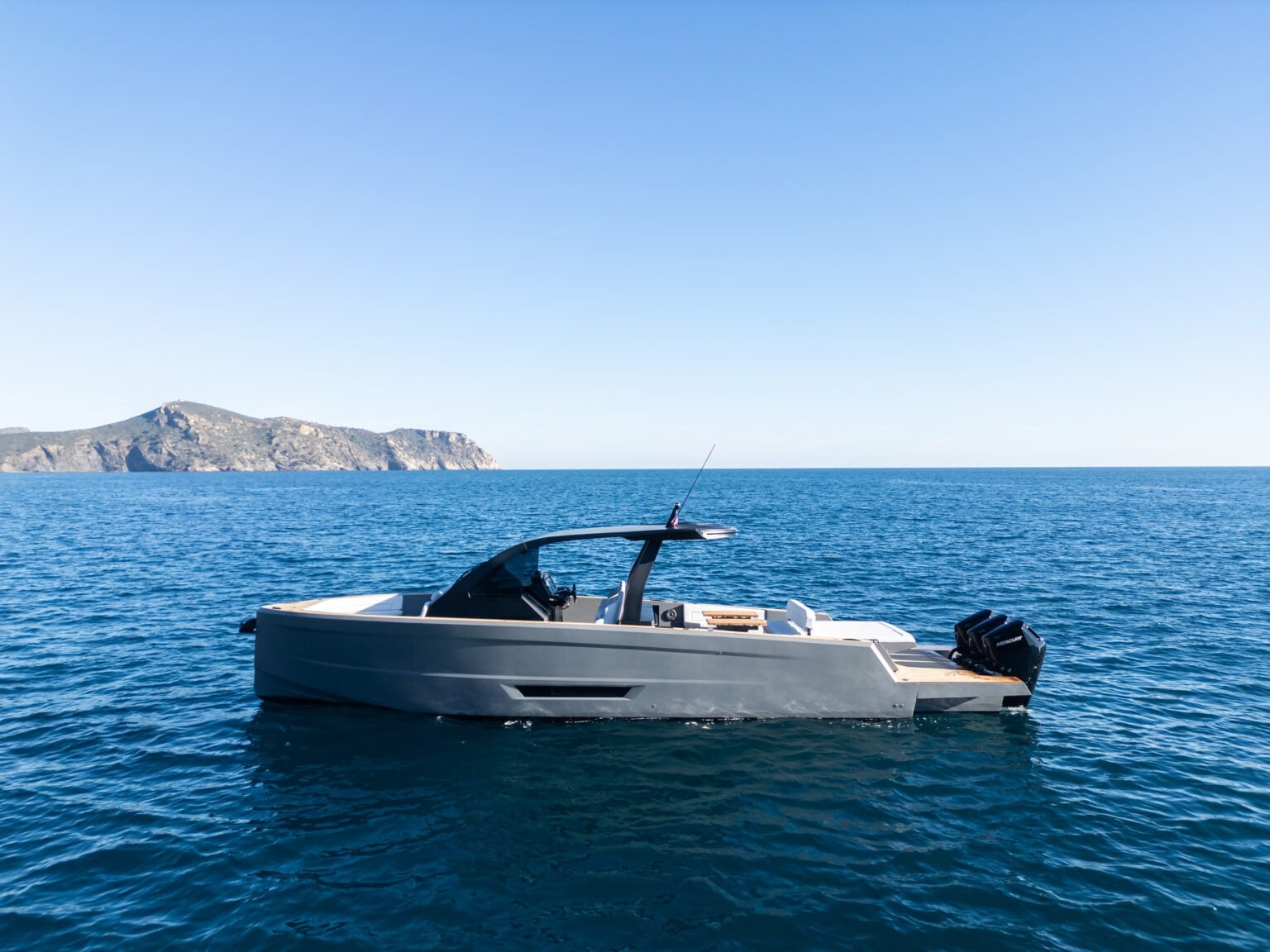 6-9 months
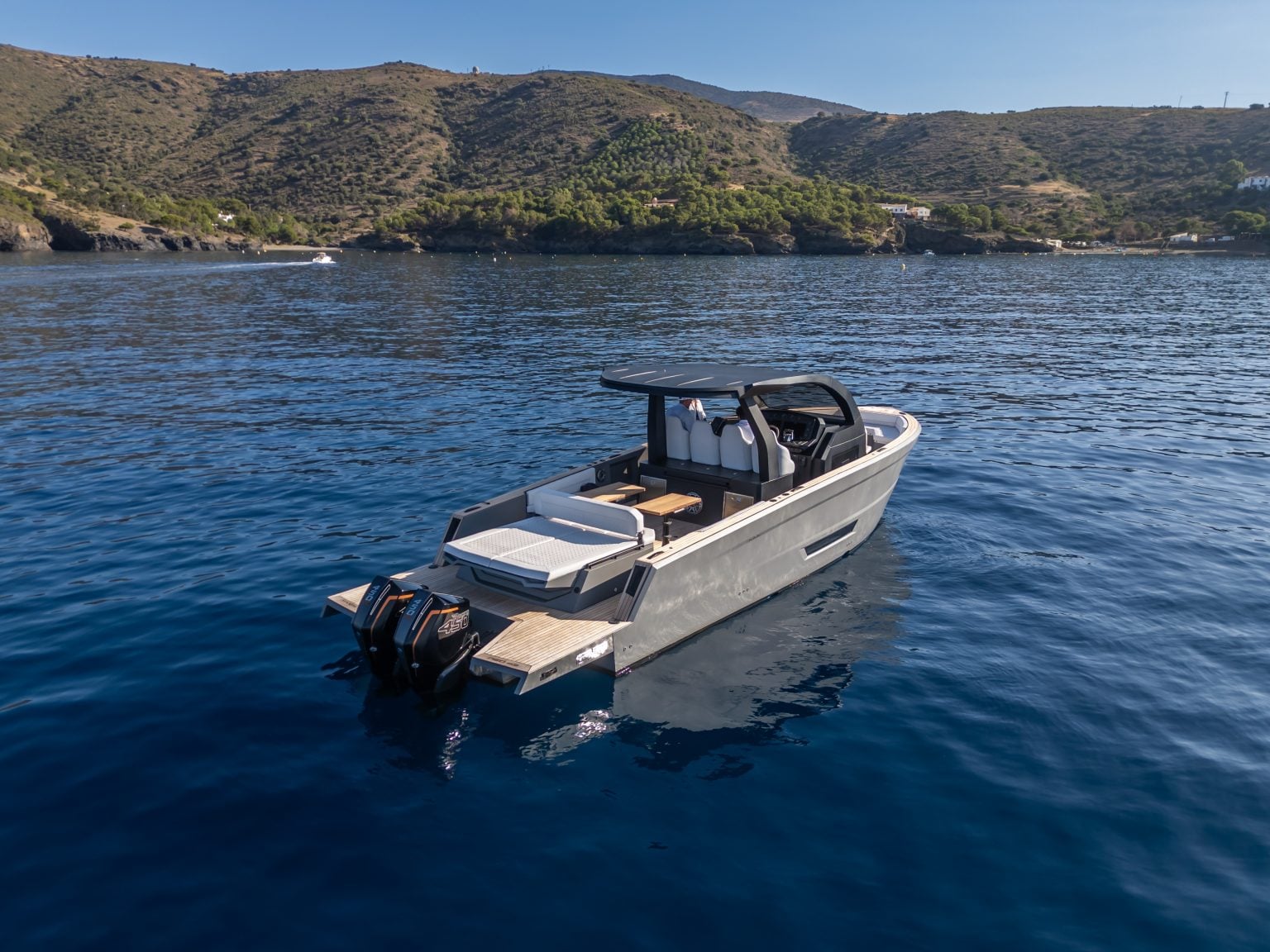 6-9 months
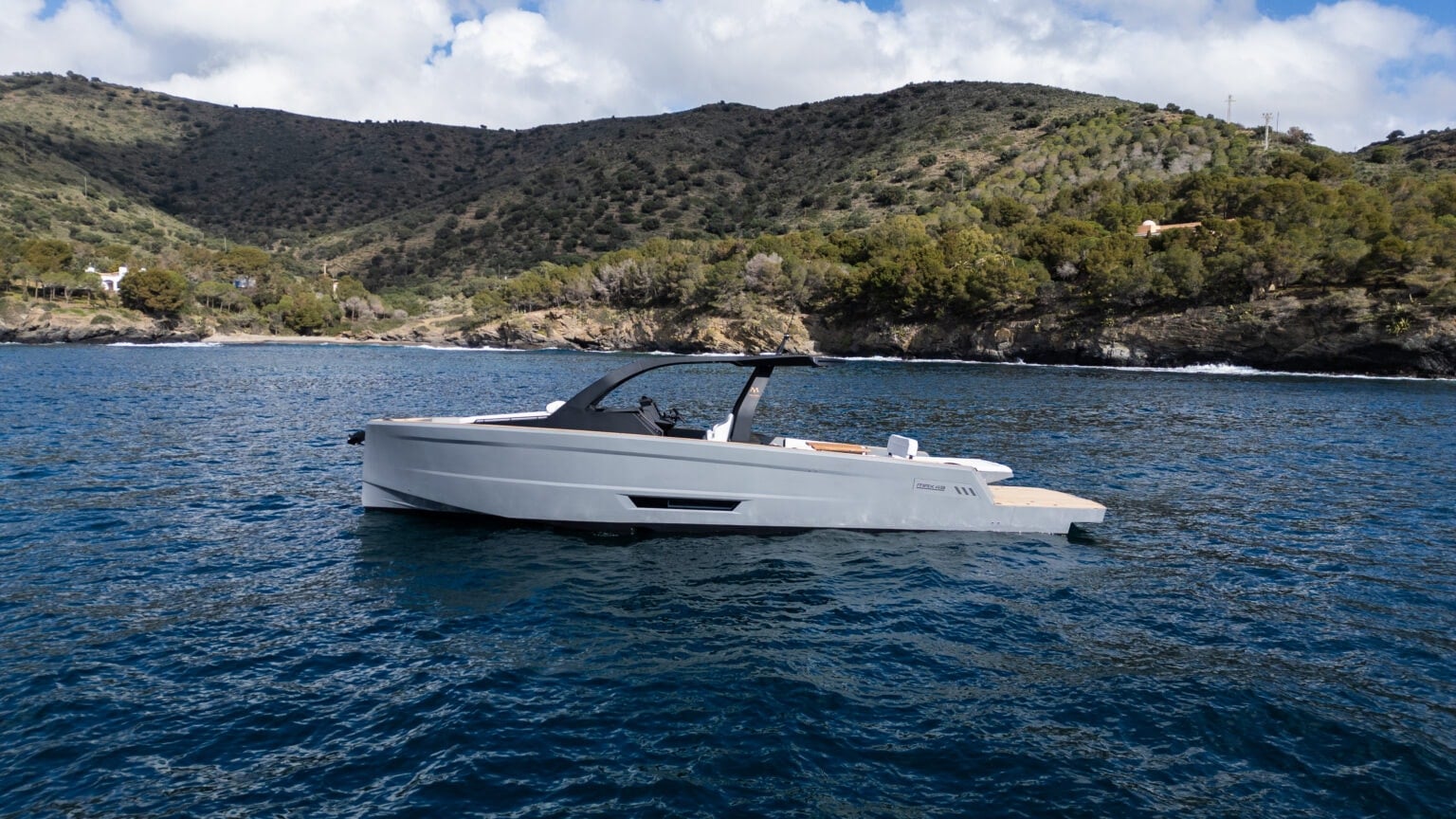 6-9 months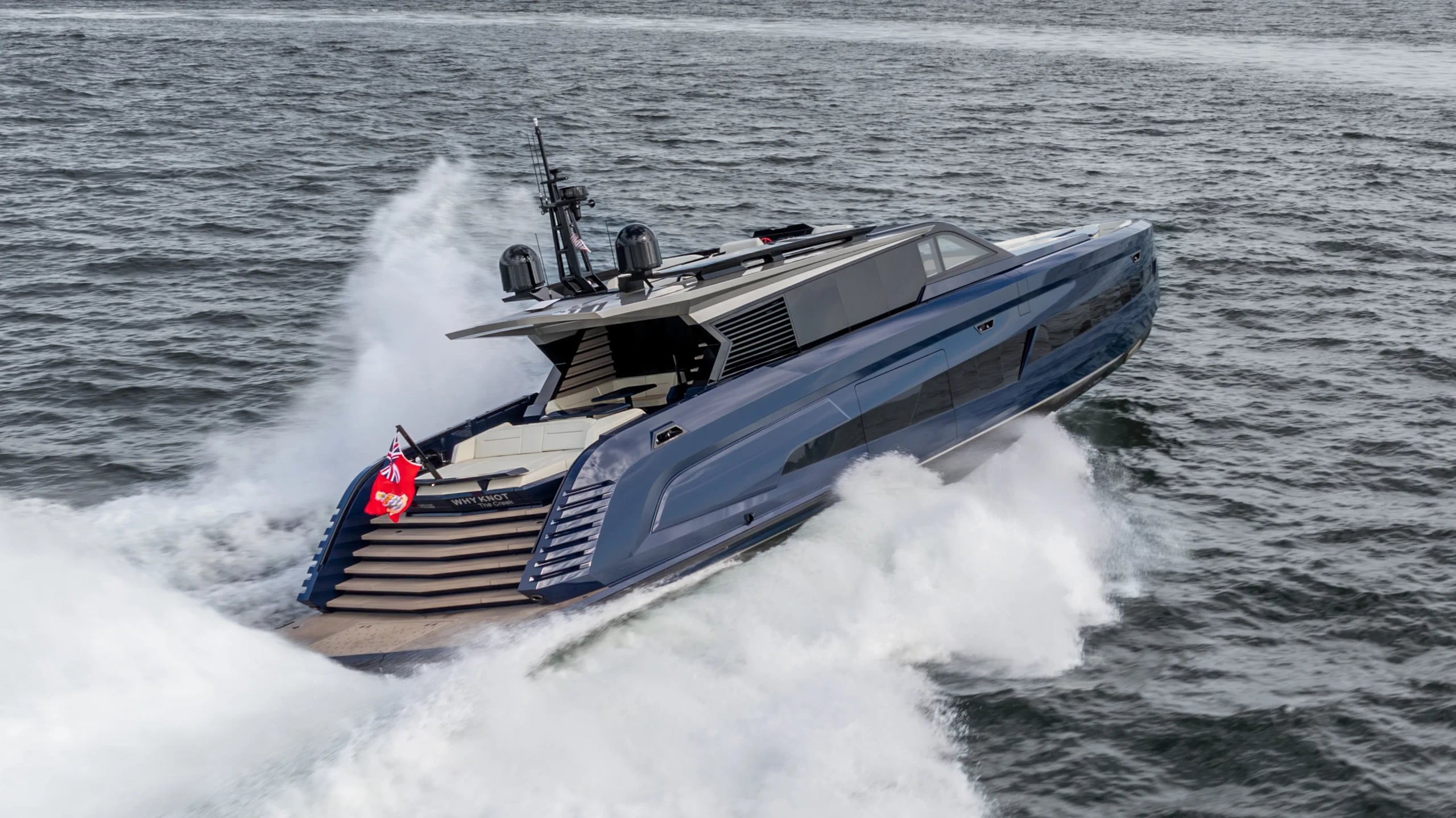

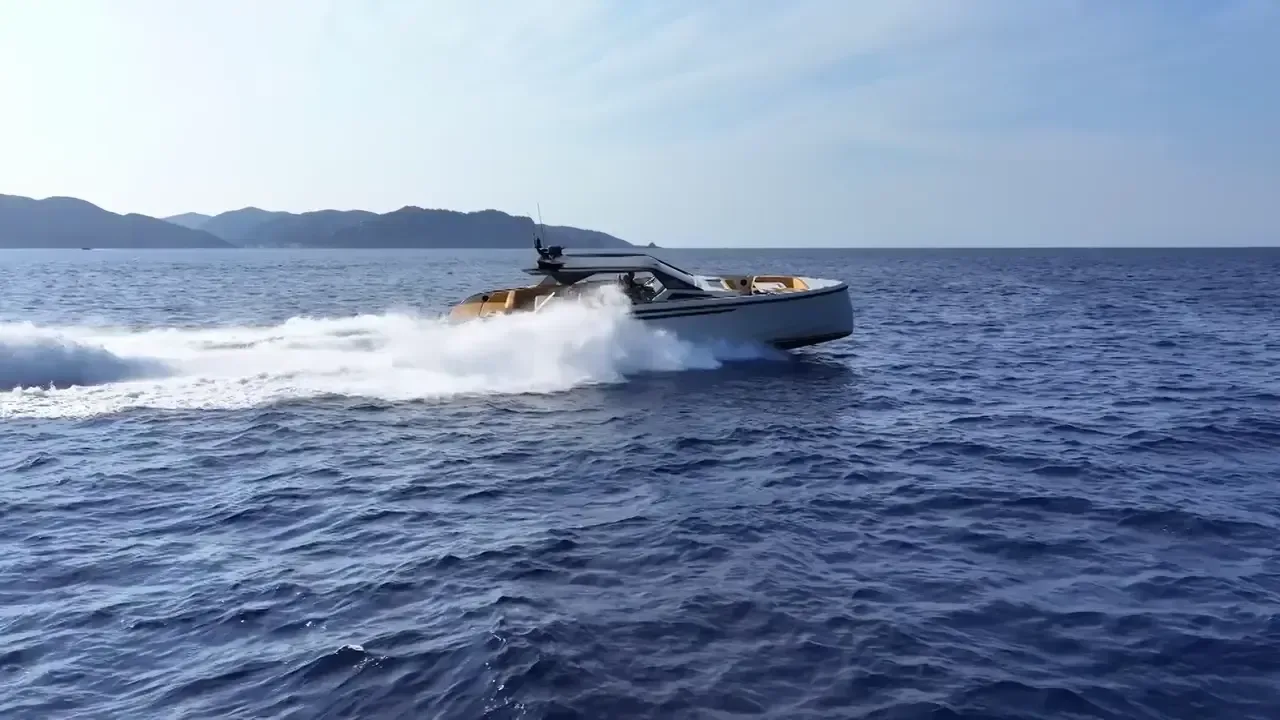
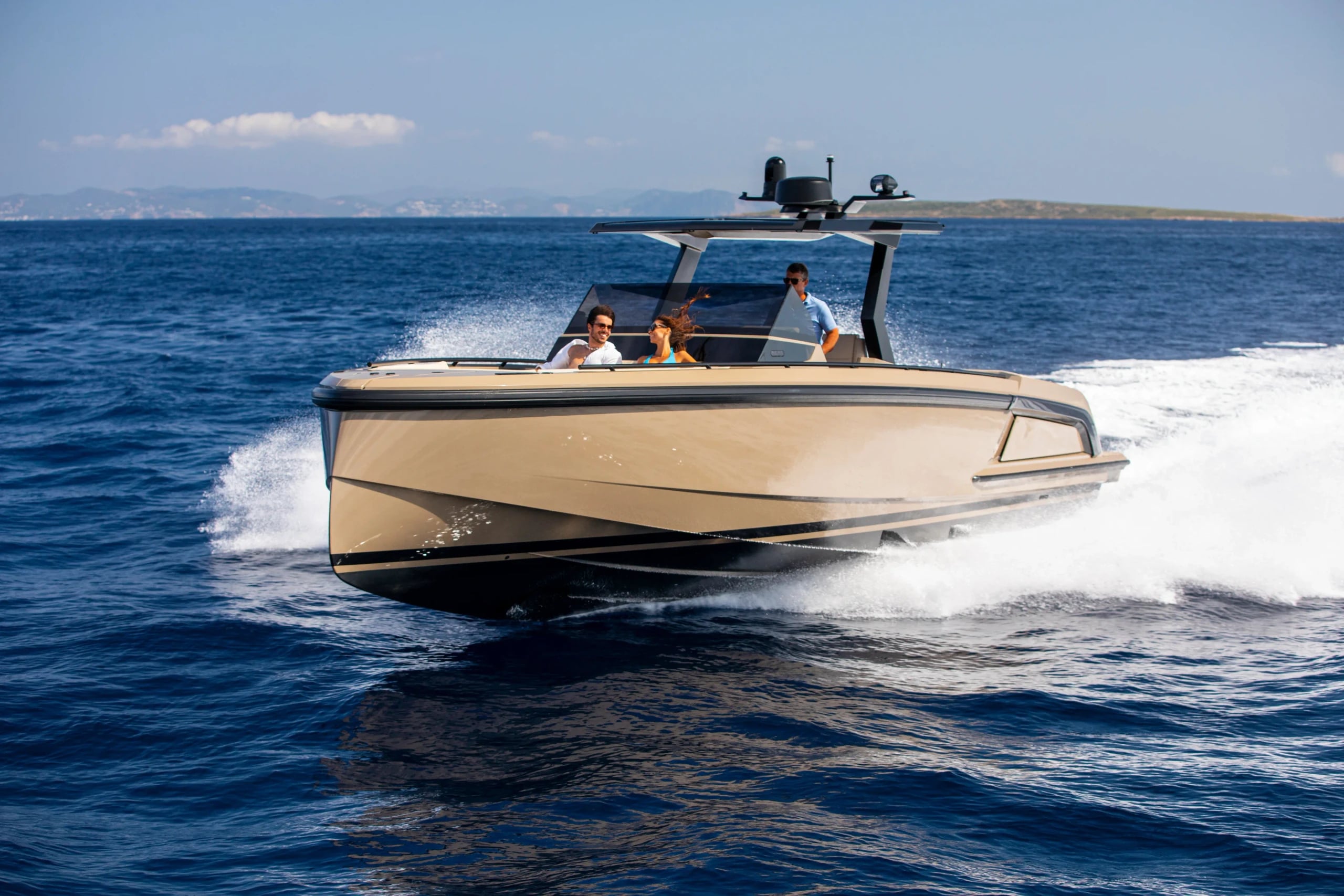
Guide
A chase boat is a separate hull that follows a superyacht under its own power, with its own fuel, its own crew, and its own programme of work. It is not a tender. A tender is launched from the mothership and lives in the garage. A chase boat ties up alongside, runs to its own marina at the end of the day, and meets the yacht at the next anchorage on its own keel. The distinction sounds pedantic until the wrong boat is ordered and the new owner discovers, six months in, that what they specified will not fit through the garage door but is not credentialed to operate as a separate vessel either.
This is the entry to our chase boat library. It explains the categories, the size brackets, the build standard, and where chase boats sit between large tenders and full support vessels.
The job description varies by programme but most chase boats earn their keep on three fronts.
A few programmes use chase boats for sport-fishing, where a 14m centre console with quad outboards delivers performance no garage tender can match. See sport-fishing chase boats and the diving use case.
Chase boats sit in three rough brackets, each with its own builder set and economics. The full breakdown is on chase boat sizes.
Beyond 20m the asset is no longer a chase boat in any honest sense. It is a shadow yacht or expedition support vessel, with a different cost structure and a different operating model.
Cruise speed at half load is what gets planned against. Top speed lives in the brochure. The numbers most chase boats actually hit:
Range collapses fast at top speed and faster in head sea. We cover the realistic envelope and the input assumptions on chase boat range and the speed and propulsion choices on chase boat specifications.
The chase boat builder map looks different from the tender map. Some of the names overlap, especially at the smaller end where a builder of large RIBs sells the same hull as either a tender or a chase boat with the badge changed. At the larger end the builders are either dedicated sportfish yards (Hatteras, Viking, Bertram, Mag Bay), Italian or Dutch semi-custom houses (Wajer, VanDutch, Sacs, Tecnomar), or workboat yards trading up (Damen Yachting, Tor, Eagle). The full list, with where each one actually competes, is on chase boat builders.
Headline budget bands, before transport, refit, and the typical 18 to 24 month commissioning tail.
The full cost breakdown, including running cost and the line items that move the headline, is on chase boat cost.
Chartering suits a single season or a trial: a 12 to 14 metre chase boat with crew runs roughly EUR 4,000 to 7,500 a day in peak Med season plus APA, and it must be commercially coded to charter at all. Buying makes sense once the boat will follow the yacht for more than a season or two, with its own crew, fit-out and toy package. Chase boat charter covers how the contract works.
A chase boat that runs commercially under the same yacht code as the mothership is a different asset to one that runs privately as a separate flagged vessel. Most owners do not have the appetite to crew and class a chase boat to commercial standard, so the boat ends up on private flag with a single permanent operator and a deckhand seconded from the yacht. The arrangement works until charter income enters the picture, at which point the chase boat usually has to come into commercial certification or stop earning. See chase boat crew and chase boat charter.
Towing is a separate question and the answer is mostly no. Long ocean tows of chase boats fail more often than they succeed, and most owners eventually buy a shadow vessel instead.
The realistic use case is what should drive the spec, not a list of capability boxes ticked. The patterns we see most:
Two comparisons matter most.
The first is chase boat vs tender. Tenders live in the garage, chase boats live alongside. The second is chase boat vs shadow vessel. Shadow vessels carry tenders, helicopters, submarines, and crew across oceans. Chase boats day-run from coastal bases. The decision between them usually collapses to whether the programme needs trans-ocean repositioning, in which case it is a shadow vessel, or coastal flexibility, in which case it is a chase boat.
For the larger asset class, see the support vessels overview, helicopter support vessels, and expedition support yachts.
We have brokered, specified, or surveyed every chase boat category in this library, and we sit on the owner's side of the table. If you have a programme that has outgrown its tender and the question is whether the next asset is a bigger boat in the garage or a separate hull alongside, we will tell you straight. If a builder is steering you towards a hull they have a slot for rather than the one your programme actually needs, we will say so. Get in touch and we will start where it makes sense.
Explore
Read
The best chase boat is the independent hull that holds the mothership's transit speed and earns its keep on a real mission. This is the owner's-side shortlist by builder and size band, the specs that separate a real chase boat from a fast day boat, and the crewing reality.
ReadThe davit is the part of the tender programme nobody thinks about until it fails. This guide explains the launch-and-recovery options, the SWL and cost that drive them, and why the geometry is locked at yacht-concept stage before the tender is chosen.
ReadTender lead times are the single most under-planned variable in superyacht projects. This guide sets out the six phases of delivery, the realistic 2026 timing, 14 to 30 months for a custom build, 6 to 14 weeks for stock, and how to plan it.
ReadA tender purchase that closes without a clean survey, a bound insurance policy and a documented sea trial has three failure modes baked in. This guide walks the acquisition sequence we use, what good looks like at each step, and the recurring traps.
Library
Buying a chase boat runs through five gates: write the brief, choose new or used, shortlist hulls, sea-trial and survey, then contract and code. The brief and the survey are where money is saved or lost.
ReadSix or seven yards do most of the bespoke chase boat work, a dozen more cover semi-custom, and the rest are sport-boat hulls adapted to the brief. Wajer, Pascoe, Hodgdon, Vikal and Windy lead the bespoke tier.
ReadChase-boat charter is a support package, not a boat on its own. A 12 to 14 metre hull with crew runs roughly EUR 4,000 to 7,500 a day in peak Med season, and the boat must be coded commercially to charter at all.
ReadA chase boat is rarely covered by the mothership certificate. Because it runs at 30 to 40 knots, beyond 3 miles and often for revenue, it is certified independently under a small commercial vessel code such as the MCA Workboat Code.
ReadA chase boat ranges from a 350,000 euro used Axopar to a 6.5 million euro Vandal 60. Most new builds sell at 1.5 to 4.5 million, and annual running cost lands at 8 to 15 percent of acquisition.
ReadAbove roughly 12 metres, or once it runs independently, a chase boat needs its own captain rather than a borrowed deckhand. A seasonal chase boat captain costs 75,000 to 110,000 euros and usually holds an MCA Officer of the Watch or Master 200 ticket, and the rest of the superyacht crew structure follows from that.
ReadThe mission sets the deck before the builder does. Sport-fishing, diving and guest shuttling are three different boats at the same length, and the console, seating, shade and fuel all follow from the day plan.
ReadA chase boat is rated as its own vessel, not a garaged toy. Cruising at 30 to 40 knots and working away from the yacht, its cover and premium sit closer to a fast commercial day boat, and the liability section is the part not to trim.
ReadA chase boat is serviced by engine hours, not the calendar. A working season clears 100 hours in six to eight weeks, and the driveline you specified at build, outboards or diesel pods, sets most of the maintenance workload.
ReadHow outboard, sterndrive, IPS, and surface-drive propulsion shape a chase boat's speed, range, draft, and maintenance, and which fits which mission.
ReadChase boat range runs from 200 to 850 nautical miles depending on length, but the number that matters is working range, which is roughly 60 to 70 percent of the brochure figure once you plan a 30 percent landfall reserve.
ReadA practical guide to deciding when a hard-worked chase boat is worth refitting, what the work usually covers, and how to time it against resale.
ReadChase boats run from roughly 9 to 21 metres across four working bands, with most current orders concentrated between 12 and 18 metres. Bigger costs more per metre to run, with crew steps at 14 and 18 metres.
ReadSpecifying a chase boat is closer to ordering a sport boat than commissioning a tender: the operating profile is written first, and size, driveline, classification, and deck plan all follow from it in sequence.
ReadA chase boat is towed on a Y-bridle from twin bow eyes at 10 to 14 knots, with a nylon tow line set 3 to 5 times the boat's length to keep it sitting on the second wave. Above force 5, do not tow.
ReadA chase boat is a fast 10 to 20 metre day platform that extends the mothership's day; a shadow vessel is a slow 30 to 70 metre logistics yacht that extends its payload. You buy a chase boat when the mothership is too slow, a shadow vessel when it is too small.
ReadAn honest look at where battery-electric and hybrid drivelines stand for fast chase boats, and where each one earns its place.
ReadExpedition chase boats trade dispatch speed for range and sea-keeping. The brief moves toward bigger tanks, deeper hulls, and 250 to 400 nautical miles of cruising at 25 to 30 knots.
ReadA family day-boat chase is the boat the family actually runs: lunch trips, beach days, tow-toys. The sweet spot is 10 to 13m, with seating for 8 to 12 and joystick docking a guest can handle.
ReadOn a sport-fishing chase boat the fish dictate the spec, from gunwale height to engine count to live-well plumbing. For yacht-attached work the 11 to 14m centre-console outboard is the sweet spot.
ReadA chase boat is a fast, fully independent day boat, usually 10 to 20 metres, that travels alongside a superyacht with its own crew, its own fuel, and its own classification to extend the operating envelope. It is not stowed in a garage.
Glossary
Destinations
Fort Lauderdale is the largest concentrated superyacht tender market in the Americas and the West's busiest refit-and-transport hub.
MonacoThe densest large-yacht harbour in the world runs a captain-led tender market that peaks hard around the Grand Prix.
New ZealandAuckland is the southern hemisphere's yacht-refit capital and the natural staging port for any superyacht working the Pacific season.
ThailandPhuket is the base for almost every superyacht cruising the Andaman, with tenders split between Phang Nga island work and Mergui crossings.
USAMiami is the guest-facing half of the South Florida tender corridor and host of the February boat show.
USANewport runs a Memorial Day to Columbus Day tender programme built around drier, deeper-V hulls and shipyard-based refit.
Talk to us
Send the mothership, the programme, and the role you need filled. A shortlist follows within 48 hours.
Start an Enquiry →