New tender, new garage
A fresh boat meeting a fresh garage. The drawings said it fits; the quay is the wrong place to find out it does not.

Service
We close the gap between an accepted boat and a working tender: cradle and garage fit proven, launch and recovery rehearsed, systems commissioned, and the crew handed a boat they can run the first morning.
Engagement
We confirm the cradle, chocks, and clearances against the garage envelope before the boat ships, not after it arrives at the quay.
We coordinate the lift onto the mothership, check the lifting points and slings, and witness the first stow in the garage.
Fuel, electrical, charging, electronics, and the launch and recovery system are commissioned and run through their first full cycle.
We run the launch and recovery sequence with the crew until it is routine, in the conditions they will actually face.
Manuals, service schedules, spares lists, and the as-built specification are handed over in order, not in a box.
Triggers
A fresh boat meeting a fresh garage. The drawings said it fits; the quay is the wrong place to find out it does not.
A side-launch or stern garage where the recovery sequence needs rehearsing before the crew attempts it in a seaway.
The boat has wintered ashore and needs recommissioning and a crew refresh before the owner is aboard.
A new crew inheriting a tender they have never launched. The handover protects the boat and the people.
The week between a delivered hull and a working tender is where avoidable problems surface. A boat can pass sea trials cleanly and still arrive at a garage it does not stow in cleanly, or with a launch sequence the crew has never run. Commissioning is the unglamorous work of proving all of that before the owner steps aboard.
We start before the boat ships, by confirming the cradle, chocks, and clearances against the real garage envelope rather than the early drawing. On arrival we coordinate the lift, check the lifting points and the davit or launch system, and commission the boat through a full cycle: fuel, electrical, charging, electronics, and the launch and recovery sequence. Then we rehearse that sequence with the crew until it is routine, in the conditions they will face rather than a flat marina.
The handover is documentation as much as hardware. Manuals, service schedules, spares lists, and the as-built specification are handed over in order, so the boat enters storage and maintenance management with a clean record from day one.
Delivery and commissioning follows transport and runs into crew familiarisation. For a first boat from a new yard it is the natural continuation of build management and acceptance.
Read first
Tender lead times are the single most under-planned variable in superyacht projects. This guide sets out the six phases of delivery, the realistic 2026 timing, 14 to 30 months for a custom build, 6 to 14 weeks for stock, and how to plan it.
Read the guide →The davit is the part of the tender programme nobody thinks about until it fails. This guide explains the launch-and-recovery options, the SWL and cost that drive them, and why the geometry is locked at yacht-concept stage before the tender is chosen.
Read the guide →The tender garage is the most expensive box on the yacht to get wrong, once built, stretching it means cutting structure. This guide works backwards from the tender envelope through the seven dimensions that actually decide which boat fits.
Read the guide →Browse the market
Adjacent
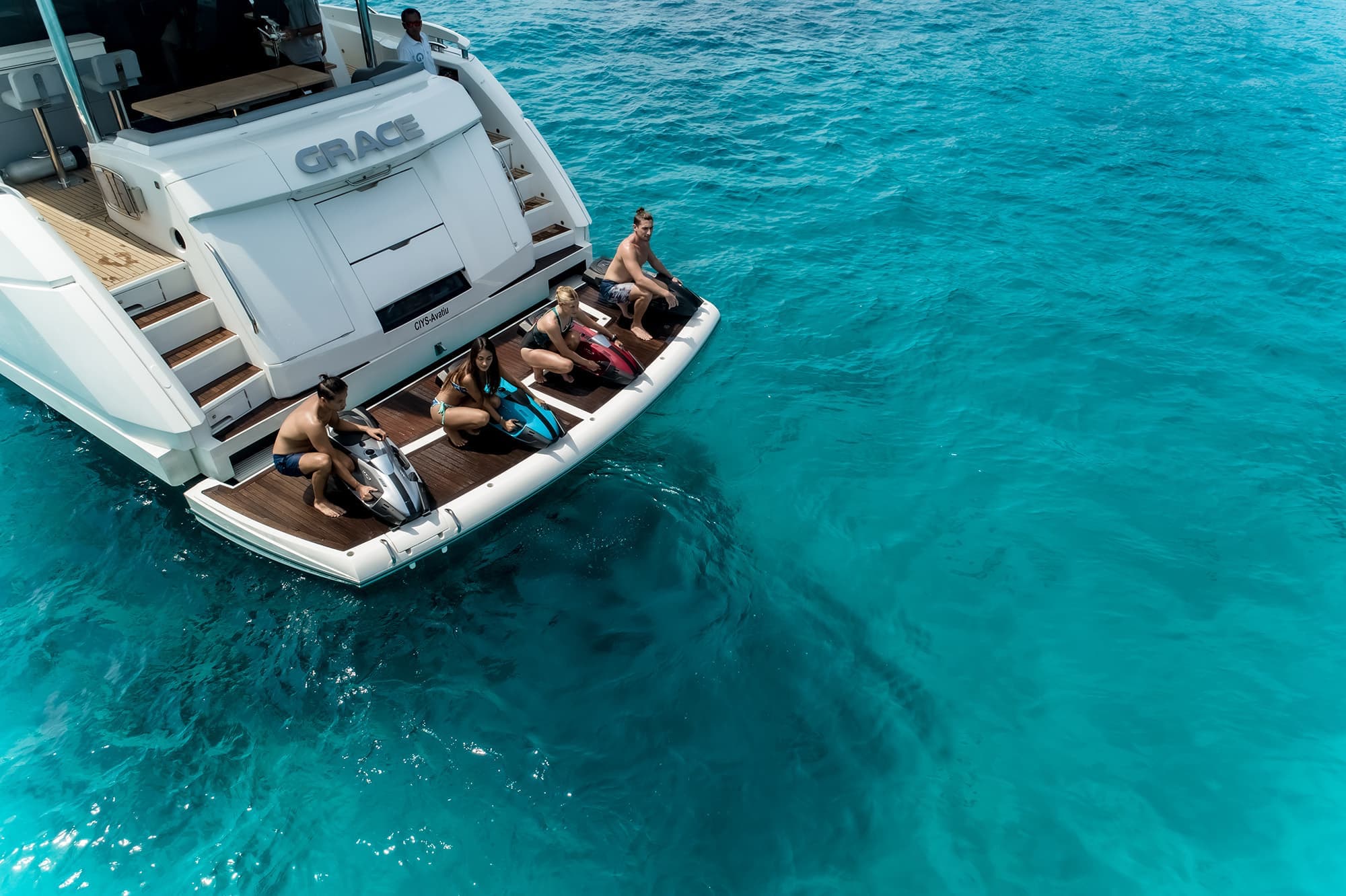
Tender transport for owners, captains, and project teams.
See the engagement →
Independent sea trials and acceptance for new-build and post-refit tenders.
See the engagement →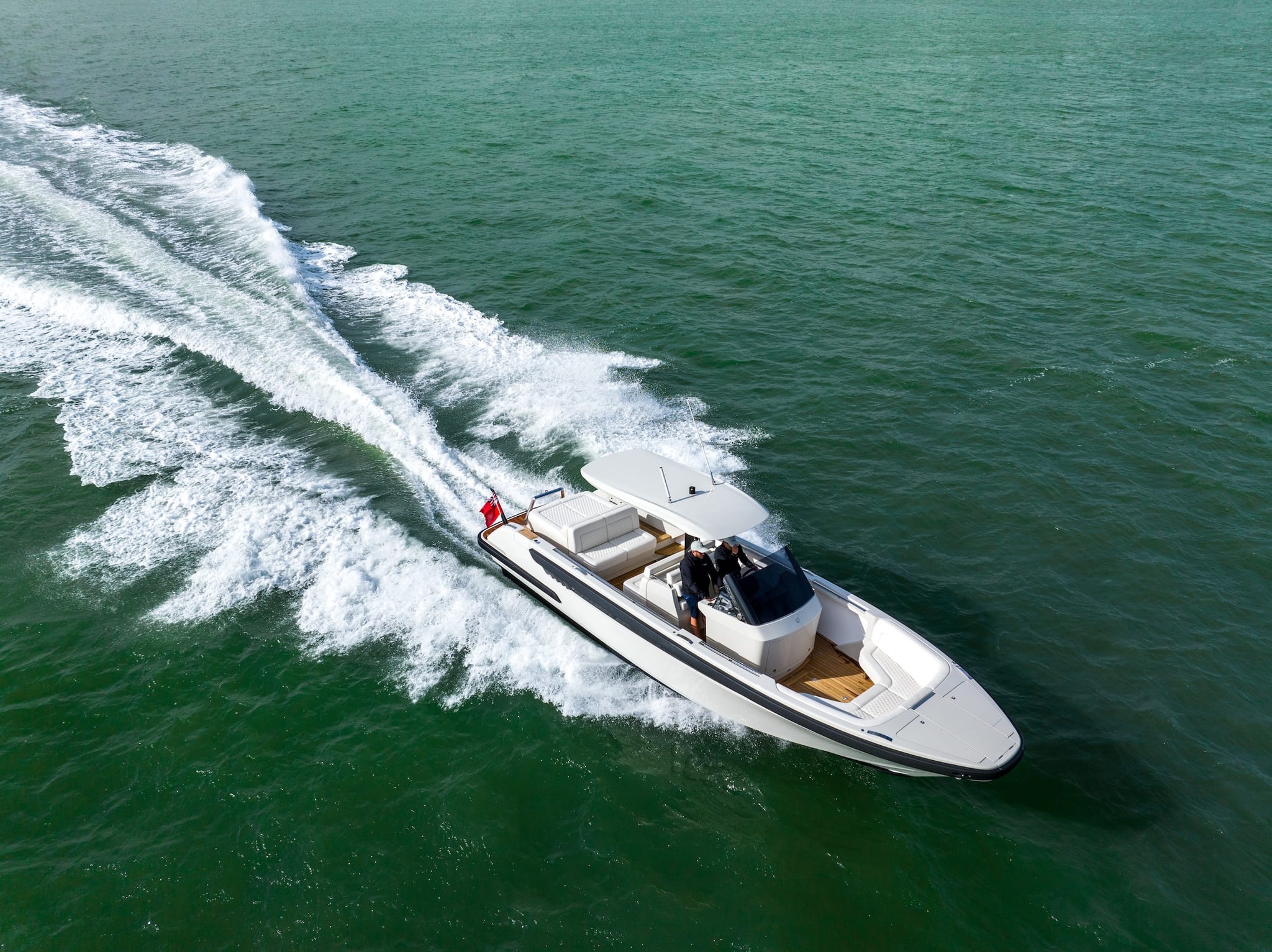
Getting the crew confident on a new or unfamiliar tender.
See the engagement →Talk to us
Send the mothership, the programme, and the role you need filled. A response follows within 48 hours.