First new-build acceptance
A first tender from a yard the owner has not worked with before. The trial is the last point of real leverage before final payment.
Service
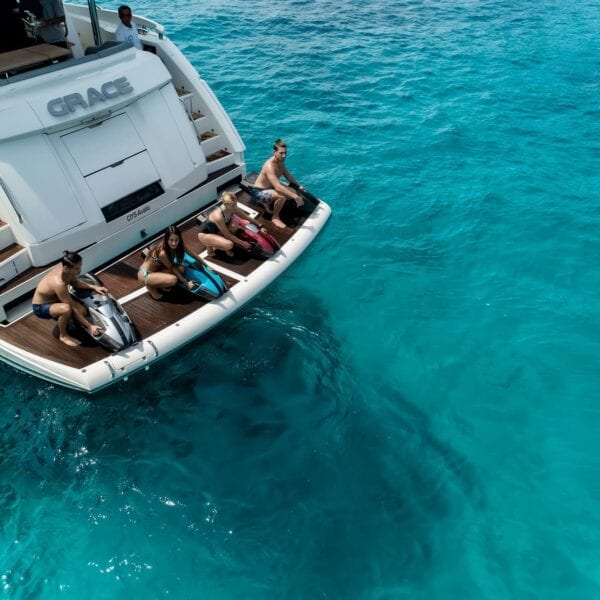
We attend the trials with you, measure the boat against the contract rather than the brochure, and run the acceptance snag list to closure before any final payment is released.
Engagement
We read the build contract, the agreed specification, and the classification scope so the trial tests what was actually ordered.
We attend the sea trials in person. Speed, trim, noise, vibration, handling, launch and recovery, and the systems that only show themselves under load.
A written list of deviations, defects, and open items, ranked by whether they block acceptance or are deferred to warranty.
We confirm the yard has closed the blocking items, witness any re-trial, and advise on whether the boat is ready to accept.
Once accepted, we hand off into transport and commissioning so the boat reaches the mothership ready to run.
Triggers
A first tender from a yard the owner has not worked with before. The trial is the last point of real leverage before final payment.
A boat back from a major refit where the work needs verifying against the scope, not just a quick run round the bay.
The build is at a yard the captain cannot easily reach. We attend on the owner's behalf and report in writing.
Performance figures are slipping against the contract and the conversation with the yard needs an independent, documented read.
Sea trials are where a tender stops being a drawing and starts being a boat, and acceptance is the last moment the owner holds real leverage. Once the final payment clears, the relationship with the yard shifts from contract to goodwill. The trial is the point to find the problems, while there is still a reason for the yard to fix them quickly.
We attend the trials in person and measure the boat against the build contract and the agreed specification, not against the brochure. Speed and range matter, but so do the things that only appear under load: noise and vibration at cruise, trim through the turn, the behaviour of the launch and recovery system with the boat fully fuelled and crewed, and the systems that were quietly value-engineered during the build. Our output is a written snag list, ranked by what blocks acceptance and what can be deferred to warranty.
The work pairs naturally with build management and refit management, and it reads against the same reference points covered in our guide to insurance, survey, and trials. Where the trial is clean, acceptance is quick. Where it is not, the written record is what keeps the conversation with the yard factual.
An accepted boat still has to reach the mothership and enter service. We hand off into transport and delivery and commissioning so nothing is dropped between the yard slip and the garage.
Read first
A tender purchase that closes without a clean survey, a bound insurance policy and a documented sea trial has three failure modes baked in. This guide walks the acquisition sequence we use, what good looks like at each step, and the recurring traps.
Read the guide →Tender lead times are the single most under-planned variable in superyacht projects. This guide sets out the six phases of delivery, the realistic 2026 timing, 14 to 30 months for a custom build, 6 to 14 weeks for stock, and how to plan it.
Read the guide →Adjacent
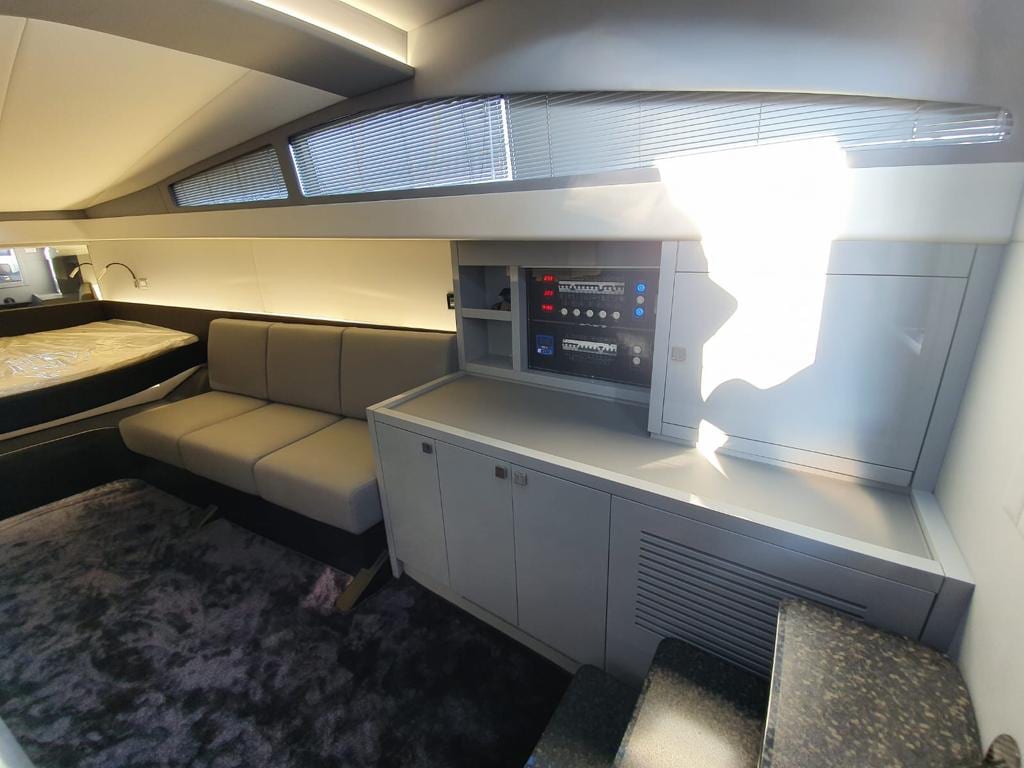
New-build management for owners, captains, and project teams.
See the engagement →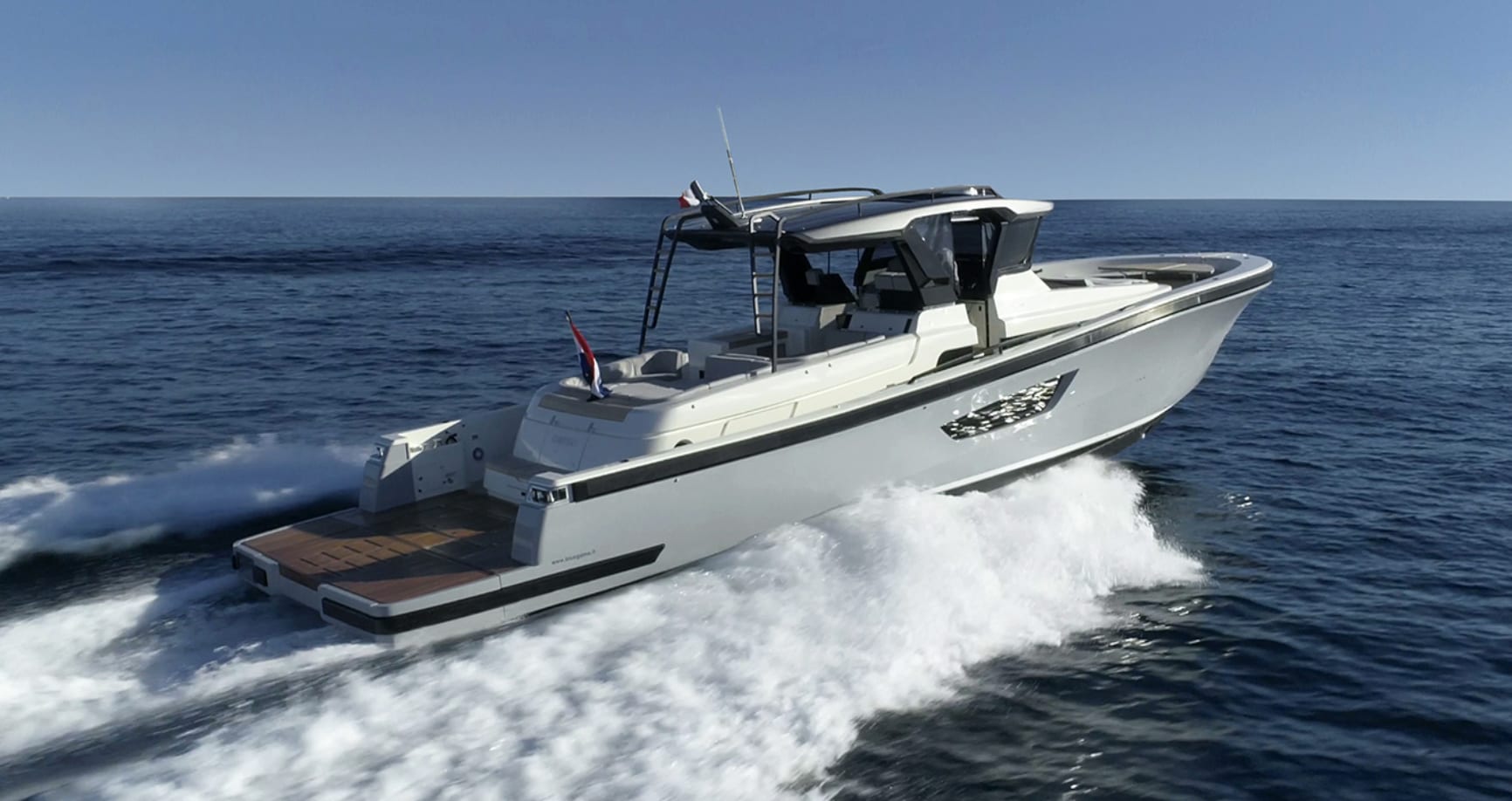
Refit project management for owners, captains, and project teams.
See the engagement →
Getting the boat onto the mothership and into service on day one.
See the engagement →Talk to us
Send the mothership, the programme, and the role you need filled. A response follows within 48 hours.