New boat handover
A tender arriving to a crew who have never launched it. The familiarisation protects the boat, the guests, and the warranty.
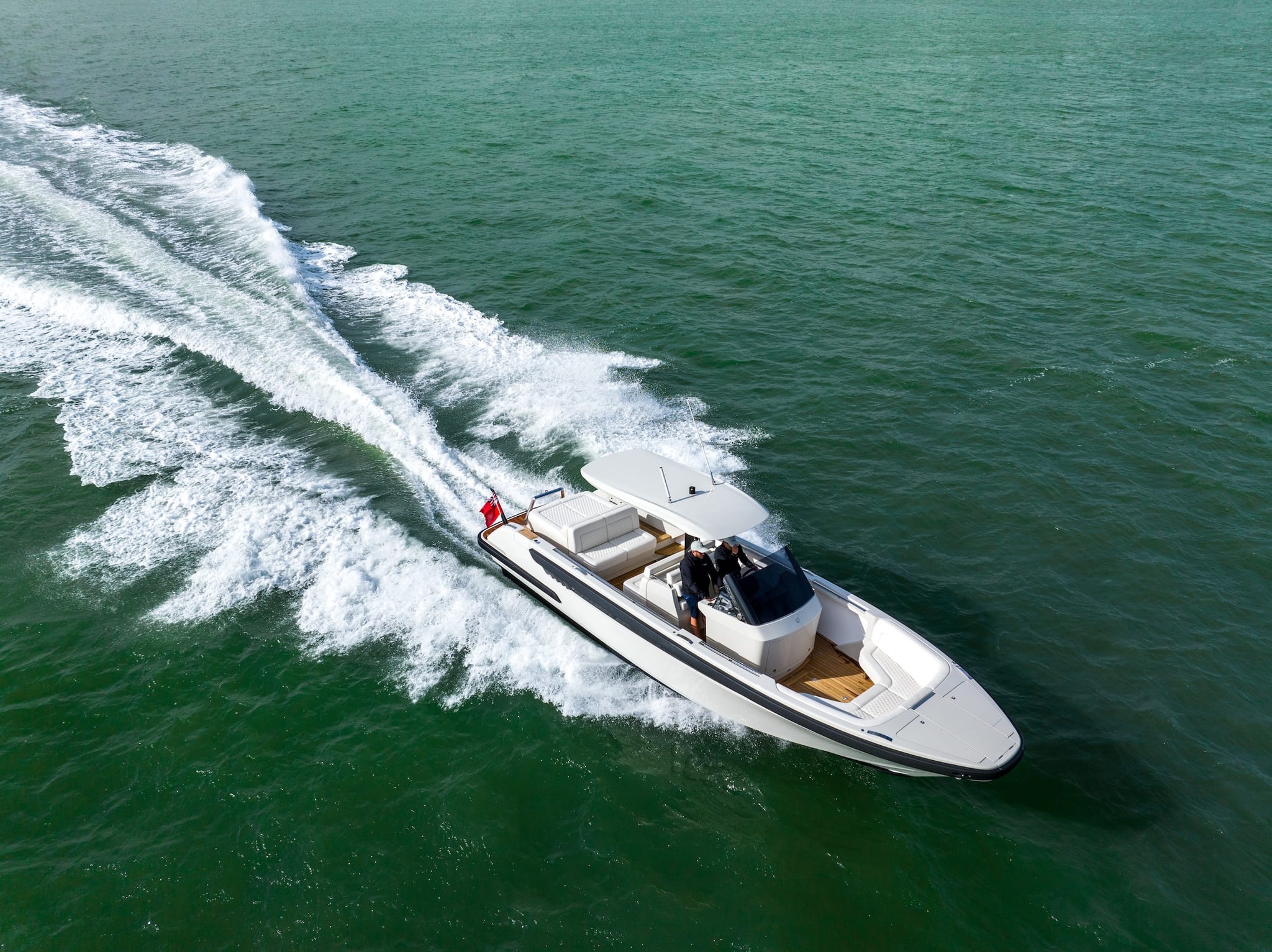
Service
We hand the boat to the people who run it: launch and recovery rehearsed in real conditions, handling and docking covered, and the maintenance routine set out so the tender is run safely and kept in warranty.
Engagement
We confirm the launch system, the handling characteristics, and the manufacturer's service requirements that keep the boat in warranty.
We run the launch and recovery sequence with the crew until it is routine, in the sea state they will actually work in.
Close-quarters handling, guest embarkation, beach approaches, and night running, matched to how the boat will be used.
We set out the daily, weekly, and seasonal checks so the crew can keep records that protect both safety and resale value.
A short, boat-specific handover pack the crew can actually use, rather than a shelf of manufacturer manuals.
Triggers
A tender arriving to a crew who have never launched it. The familiarisation protects the boat, the guests, and the warranty.
A new captain or deck team inheriting a tender mid-programme with no structured handover from the last crew.
A side-launch, stern garage, or davit the crew has not used, where the recovery sequence carries real risk if rushed.
Changed systems or a new propulsion package the existing crew needs bringing up to speed on.
A tender is only as good as the crew running it, and most incidents happen in the launch and recovery sequence rather than under way. A boat that passed every sea trial can still be damaged on its first recovery if the deck team has never run the system in a seaway. Familiarisation closes that gap before it costs anything.
We start with the boat and the brief: the launch system, the handling characteristics, and the manufacturer's service requirements that keep the warranty intact. Then we rehearse launch and recovery with the crew until it is routine, in the conditions they will actually face, and cover close-quarters handling, guest embarkation, beach approaches, and night running as the use demands. The point is not a certificate; it is a deck team that can run the boat without thinking about it. For the formal licensing side, our guide to crew training and licensing sets out what is required.
The session ends with a short, boat-specific handover pack and a maintenance routine the crew can keep records against, which feeds straight into storage and maintenance management and protects resale value.
Crew familiarisation usually follows delivery and commissioning, and it is worth repeating after a refit that changes systems or after a crew change.
Read first
A tender driven badly is the most visible operational failure on a superyacht. This guide covers the qualification stack every tender driver in a superyacht crew needs, what the yacht captain must record, commercial versus private operation, and the structure that keeps guests and insurers comfortable.
Read the guide →The davit is the part of the tender programme nobody thinks about until it fails. This guide explains the launch-and-recovery options, the SWL and cost that drive them, and why the geometry is locked at yacht-concept stage before the tender is chosen.
Read the guide →Browse the market
Adjacent

Getting the boat onto the mothership and into service on day one.
See the engagement →
Refit project management for owners, captains, and project teams.
See the engagement →Protecting the boat and its residual value between seasons.
See the engagement →Talk to us
Send the mothership, the programme, and the role you need filled. A response follows within 48 hours.