 Available now
Alunautic · Pre-owned
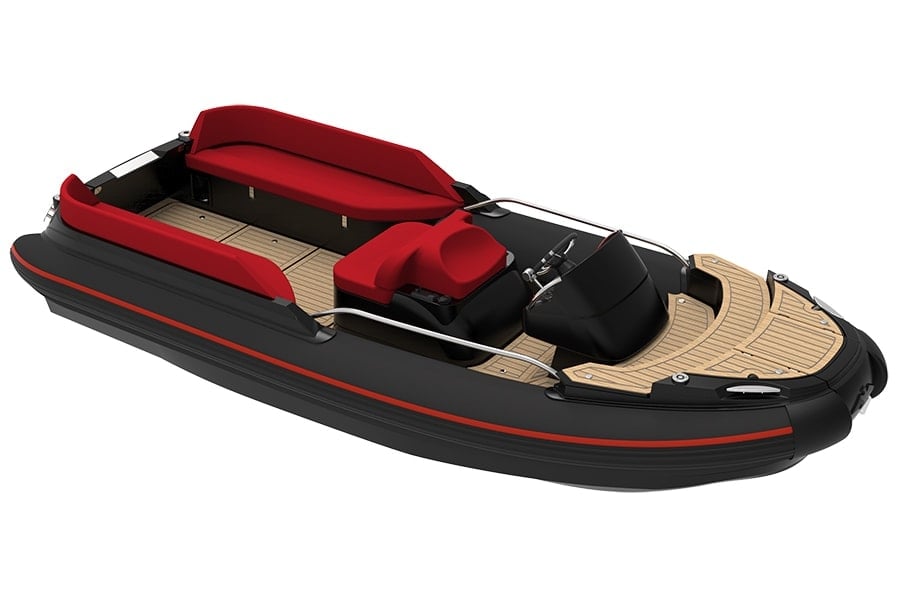
Alunautic 7.4m
7.4m
Length
2023
Year
Genoa
Location
800,000 EUR
Beachlander tenders for sale with bow ramps and shallow draft that put guests dry on the sand. Builders, hull design and prices, new-build and pre-owned, or brief us for a shortlist.
For sale now
9 boats
Pre-owned, available now
New build, to order · priced within one working day
Guide
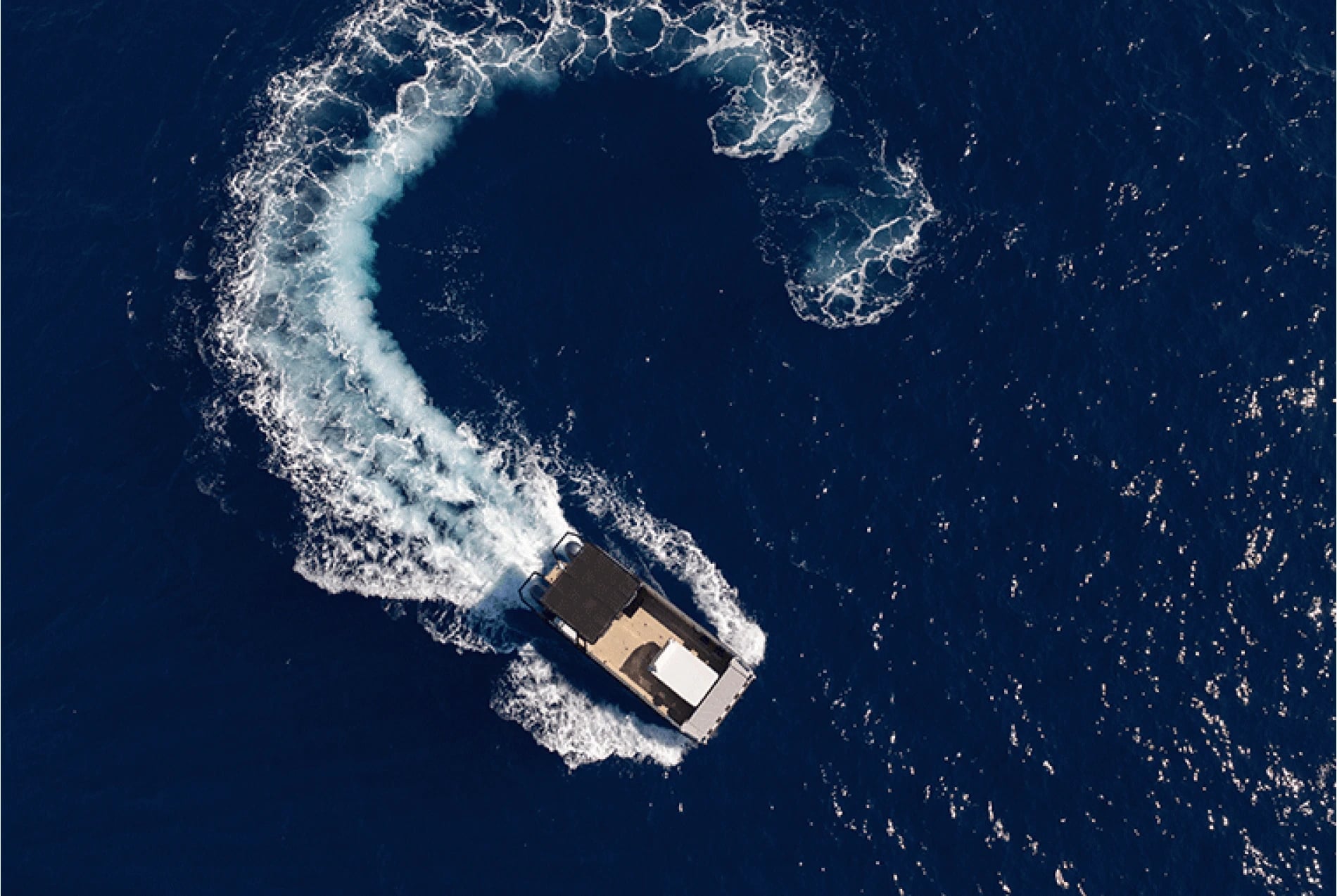
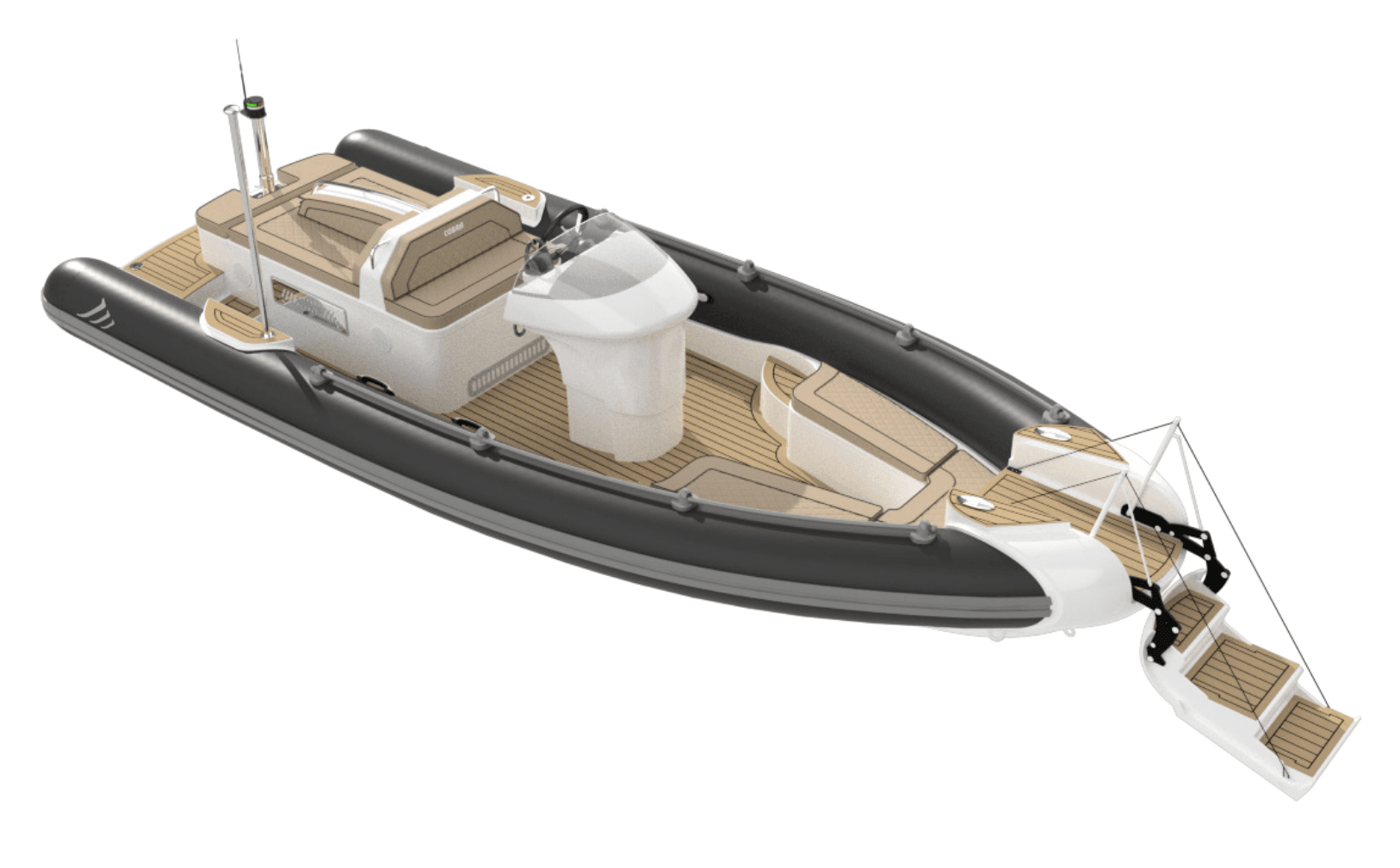
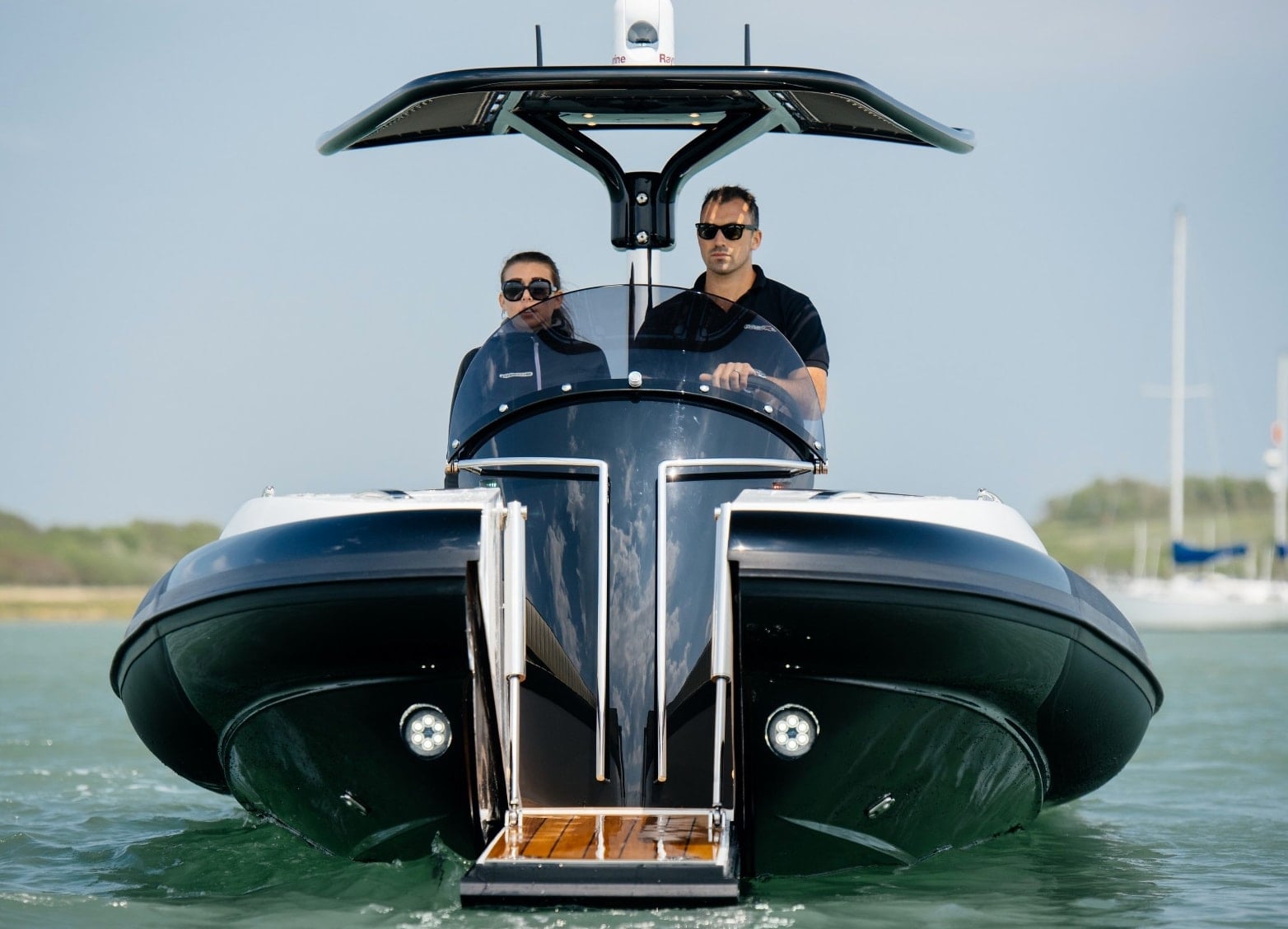
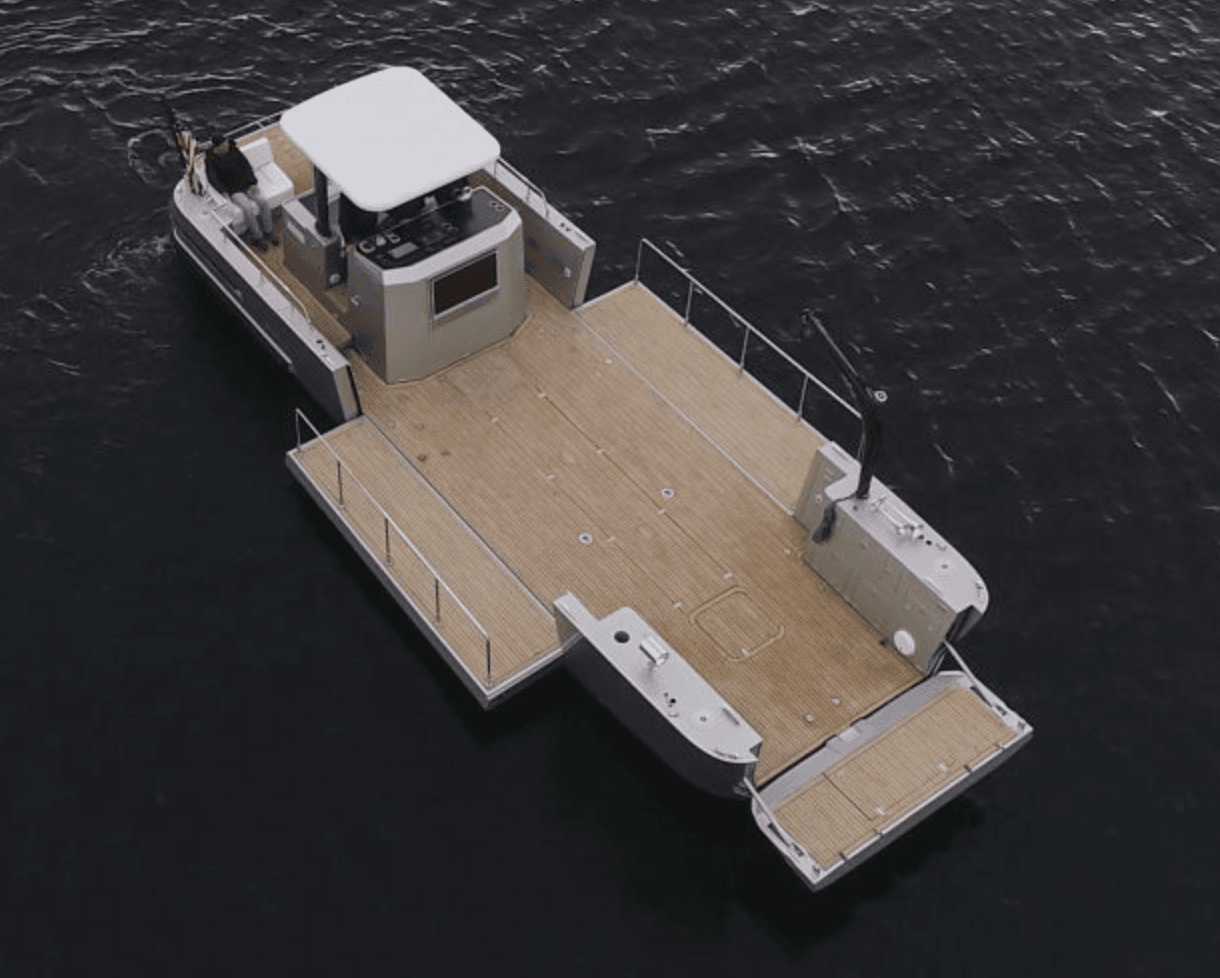
A beach lander is a tender designed to drive its bow up onto a beach, drop a ramp or door, and let guests step off onto dry sand. The format is uncommon below 9m and rare above 14m, with the mainstream sitting in the 10 to 12m bracket. The boat exists because conventional tenders cannot get within 30m of most beaches without grounding the propulsion or stranding guests in waist-deep water with their luggage.
This page covers what makes a beach lander different to other tenders, where the format earns its keep, and the spec inputs that drive cost and capability.
Three features in combination:
Without all three the boat is just a tender with shallow draft, which is a different and more limited proposition.
Three programme types use beach landers well:
A beach lander is not the right second tender for a yacht that mostly visits commercial ports. For that, an open guest tender or limousine tender is the better answer.
The hull is usually a flat-floor, shallow-vee design with substantial forward buoyancy, which costs ride comfort in chop above one metre. Most beach landers cruise comfortably to Beaufort 3 to 4 and become uncomfortable beyond that. They are coastal-day-boat tools, not all-weather machines.
Propulsion choice:
Sterndrives are sometimes specified but rarely the right answer because the lower unit takes the grounding load.
The dominant sizes:
For the full pricing context, see cost of a superyacht tender.
The beach lander segment is more concentrated than the open or limo segments. The names that come up consistently:
The amphibious format is a small and specialist sub-segment. For most yacht programmes a conventional waterjet beach lander is the right answer.
Beach landers are typically wider than open tenders of the same length because the deck has to accommodate the bow-access door mechanism and the ramp deployment swing. A 10.5m beach lander typically runs 3.4 to 3.6m beam, against 3.2m for an equivalent open tender. The ramp linkage can also drive the cradle design, which affects garage clearance more than people expect. We cover the geometry on tender garage sizing.
Working from a fixed garage envelope? Use the garage-fit finder to shortlist boats by length, beam, and height.
Open garage-fit finder →The cooling-intake question gets missed often and matters. A waterjet that loses cooling because the bow is on sand and the intake is sucking grit will overheat in five minutes. Most builders solve it with a high intake or a forced-cooling auxiliary, but the answer needs to be documented.
Compare to open guest tenders, jet tenders, and limousine tenders. For the broader picture, see the boats hub. For the buying process, see tender buying process. To talk through a project, get in touch.
Explore
Read
Most tender purchases go wrong in the brief, not the build. This guide walks the buying process end to end, brief first, garage envelope second, propulsion third, yard shortlist fourth, contract fifth, the way we run it for owners.
ReadThe tender garage is the most expensive box on the yacht to get wrong, once built, stretching it means cutting structure. This guide works backwards from the tender envelope through the seven dimensions that actually decide which boat fits.
ReadTender lead times are the single most under-planned variable in superyacht projects. This guide sets out the six phases of delivery, the realistic 2026 timing, 14 to 30 months for a custom build, 6 to 14 weeks for stock, and how to plan it.
Library
Hydraulic vs manual ramps, sea-state limits, and the hinge geometry that drives long-term reliability.
ReadAn overview of the yards that build bow-ramp landing tenders and what each one is known for.
ReadWhat drives the price of a beach lander, the purchase bands you should plan around, and what it costs to own one.
ReadWhat separates a bow-loading hull from a conventional shallow-draft tender.
ReadHow beach lander length bands trade off against garage fit, beaching capability, ramp width, and load.
ReadThe real operational missions a beach lander runs, from dry guest landings to beach clubs, provisioning, and accessible boarding.
ReadHow a dry bow-ramp beach lander and a conventional RIB tender differ, and which one fits your programme.
ReadA decision-ordered framework for choosing a beach lander, from the brief through garage fit, ramp, propulsion, finish, and builder shortlist.
ReadA beach lander is a shallow-draft tender whose drop-down bow ramp lets guests and stores step straight onto the sand, dry.
Glossary
Destinations
Palma is the deepest brokerage and refit market for superyacht tenders in Europe, and the western Med's busiest spring re-spec window.
USAFort Lauderdale is the largest concentrated superyacht tender market in the Americas and the West's busiest refit-and-transport hub.
MonacoThe densest large-yacht harbour in the world runs a captain-led tender market that peaks hard around the Grand Prix.
BahamasNassau is the Bahamas gateway where shallow-draft beach-landers and open tenders earn their keep from December to April.
Talk to us
Send the mothership, the programme, and the role you need filled. A shortlist follows within 48 hours.
Start an Enquiry →