Headline
The first half of 2026 is closing as a two-track market. Custom-build order books at the established limousine and chase-boat yards are extended into 2027 and in two cases into 2028. Production and semi-custom platforms in the 8m to 12m range have shorter, more accessible lead times, and a meaningful pre-owned market is starting to fill out as the 2018-2020 wave of new builds rotates through.
Custom builds: 18 to 24 month order books
The yards we work most often (Pascoe, Cockwells, Hodgdon, Vikal, Wajer) are quoting 18 to 24 month lead times on new custom briefs, with the limousine end of the range at the longer end. The drivers are the usual ones: composite hull lay-up capacity, finish-quality labour pools that have not expanded with demand, and the second-tier supplier base for davits and lifting hardware that cannot keep up.
For owners specifying a tender against a yacht delivery date, the practical advice is to start the tender brief at the same time you confirm the yard for the mothership, not after. The mothership will absorb the late tender; the tender will rarely catch up to a fixed yacht delivery if it starts six months behind.
Production platforms: faster but selective
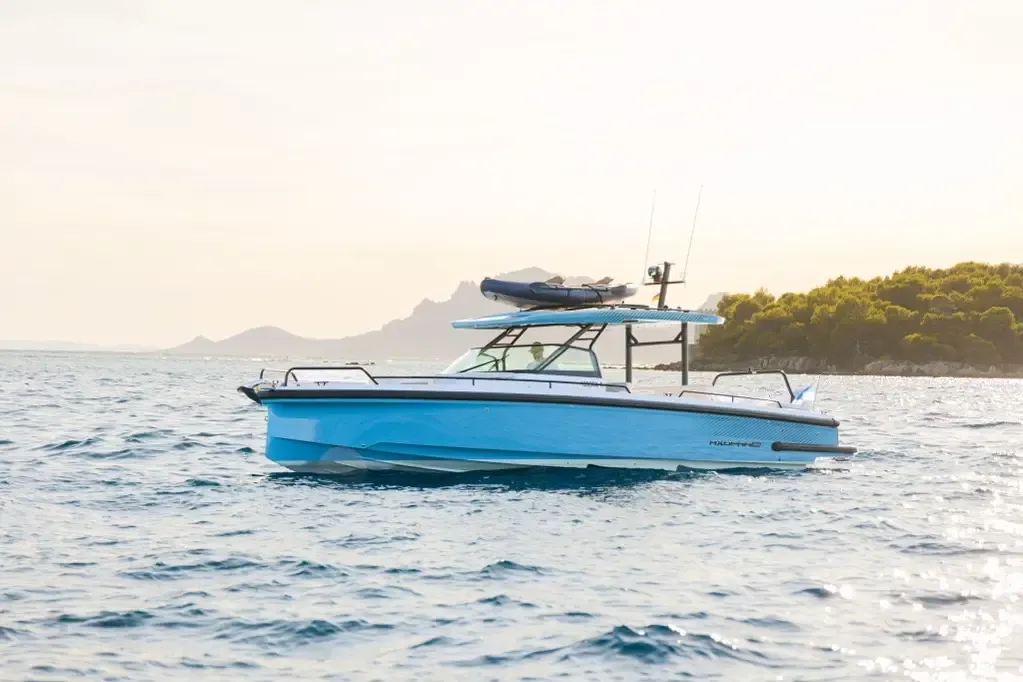
In the 8m to 12m sport-tender and chase-boat segment, lead times are noticeably shorter, often 6 to 9 months from order. Axopar continues to be the clearest example, with most of the 28 and 37 range available within a single production cycle. Frauscher, Saxdor, and the smaller Wajer 38 sit in a similar window. Where lead times stretch, it is typically because of engine package availability, not hull capacity; Mercury V12 600s and Yamaha 450s remain the bottleneck.
Pre-owned: the 2018-2020 wave is rotating
The 2018-2020 generation of new builds is starting to reach the typical 5 to 7 year refresh point on superyacht programmes. We are seeing more inventory enter the for-sale register at the upper end (Pascoe SL Limousine, Vikal A45, Williams DieselJet 565), and the buyer pool for these is broader than the new-build buyer pool because the lead-time pressure goes away.
For owners with a flexible delivery window, the pre-owned route at this end of the market is currently 25 to 35 percent below comparable new-build prices, with most of the spec preserved. The used tenders page covers the framework we use to evaluate these.
Categories in motion
Three categories are moving fastest:
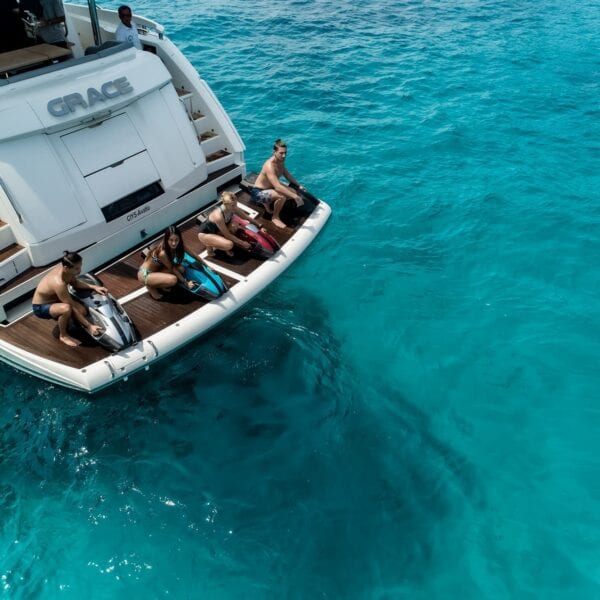
- Compact SOLAS-coded tenders. Yachts in the 40m to 60m range are increasingly fitting SOLAS-coded rescue craft to extend their charter eligibility. The 6m to 7m segment has thin supply against rising demand.
- Electric day tenders. Mostly Italian and Scandinavian yards. Range and charge logistics still bound use to harbour and short-shore work, but the noise advantage in tender bays is real and the segment is no longer experimental.
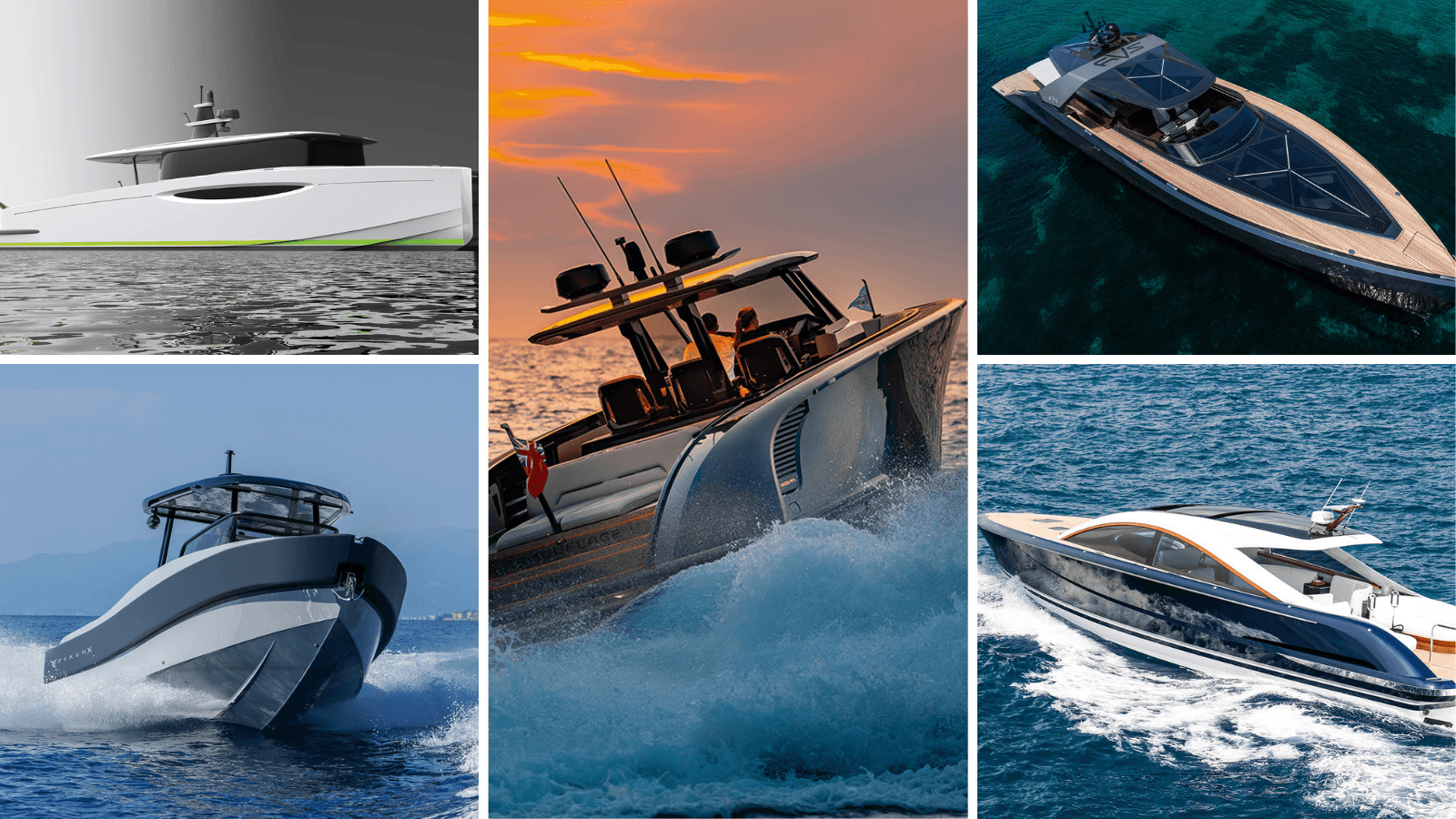
- Mid-range chase boats (10m to 14m). The bridge between a sport tender and a true chase platform. Brabus, Anvera, Goldfish, and the bigger Axopar 45 all sit here. We have the largest active brief volume in this band right now.
What's slowing
Two segments are softer than they were 12 months ago: the very large limousine tenders (over 14m) where mothership garage capacity caps demand, and the open guest tenders in the 7m to 9m range where the production-platform alternatives have eaten the brief.
What we expect for H2
Custom-yard lead times to stay where they are. Production-platform pricing to ease 5 to 8 percent as new model launches put pressure on the older spec. Pre-owned inventory to keep building. The next update lands in October.