Getting a new tender to the yacht is a logistics project in its own right, and it is the part of the buying process that most often slips. The boat itself can be perfect, but if the build slot, the transport booking, and the yard period do not line up, the tender sits in a shed in the Netherlands while the yacht waits in Antibes. This page covers the moving parts: lead times and slot planning, factory acceptance, the transport modes, commissioning at the yacht, and how to coordinate all of it with the itinerary.
Lead times and slot planning
Lead time is set by how custom the boat is, not by how big it is. A stock or lightly optioned hull from a builder's standing inventory can be ready in 4 to 8 weeks. A standard SOLAS build typically runs 8 to 12 months depending on configuration. A fully custom limousine tender takes around 18 months from the point the builder slots you into the schedule, and the slot is the binding constraint, not the build hours. The yards we work with book their custom lines a year or more ahead, so the order date you actually care about is the date you secure the slot, not the date you sign.
That has a planning consequence. If the tender is going into a new build or a refit, work backwards from the yacht's delivery or relaunch date and add a margin. We tell owners to place the tender order at the same time as the davit and garage are being finalised, because the specification of the cavity and the launch system has to be locked before the tender build is frozen. Leave it late and you are choosing from stock, which narrows the field. For the full picture across categories see our lead times and delivery guide.
Factory acceptance
Before a tender leaves the works it goes through a factory acceptance test and a builder sea trial. This is where engine hours are logged, the steering and trim systems are run, the electronics are commissioned, and the boat is checked against the contract spec and against class where SOLAS applies. For a custom tender this is also the moment to verify the finish, the upholstery, and any owner specials against the original drawings, while the builder still has the boat and the tooling in front of them.
Send someone. A surveyor, the captain, or the project manager should attend the acceptance and trial, snag the boat properly, and only release the transport booking once the snag list is closed or scheduled. Signing off remotely on photographs is how small defects travel three thousand miles and become expensive. The acceptance document is also what the transport company and the insurer want to see, because it establishes the condition of the boat at the point it leaves the factory.
Transport modes
There are three practical ways to move a tender, and the choice turns on distance, size, and how firm the date has to be.
- Road. Within a region, road haulage on a low loader is the fastest and most controllable option. You can specify the load date, track the vehicle, and deliver to the quay or the storage yard within a day or two. Larger hulls need an abnormal load permit and an escort, which adds lead time at each end. Road does not cross oceans.
- Container. Small RIBs and compact tenders fit inside a 40 foot container, which is the cheapest and most secure way to ship a boat under roughly 7 metres across the water. The boat is cradled, strapped, and sealed, and it travels as ordinary freight.
- On deck. Larger tenders cross by lift on lift off, where a crane hoists the boat into a custom cradle on the deck of a cargo ship, or by float on float off on a semi submersible, where the boat floats into a partially submerged hold that is then drained. Neither has the height limit of roll on roll off, so a tender with a tower or a tall arch ships intact.
The thing to understand about ocean transport is that it is not precise. As the Dockwalk guide to shipping a yacht puts it, you cannot expect to ship on a certain day and unload on a certain day, and ships are frequently fully booked a month or more before they reach port. Book early, build slack into the plan, and never promise an owner a hard arrival date that depends on a sailing you have not yet confirmed.
Commissioning at the yacht
Factory acceptance is not the end of commissioning. Once the tender reaches the yacht there is a second round: refit the gear that was removed for transport, run the engines, recommission the electronics in their final environment, and most importantly do a physical fit check against the actual garage cradle, davit, or launch and recovery system. Garage geometry rarely matches the drawings to the millimetre, and a tender that looked fine on paper can foul a chock or sit proud of the door. Finding that out at the quay, with the builder's commissioning engineer present, is recoverable. Finding it out on the first guest charter is not.
A compact day tender like the 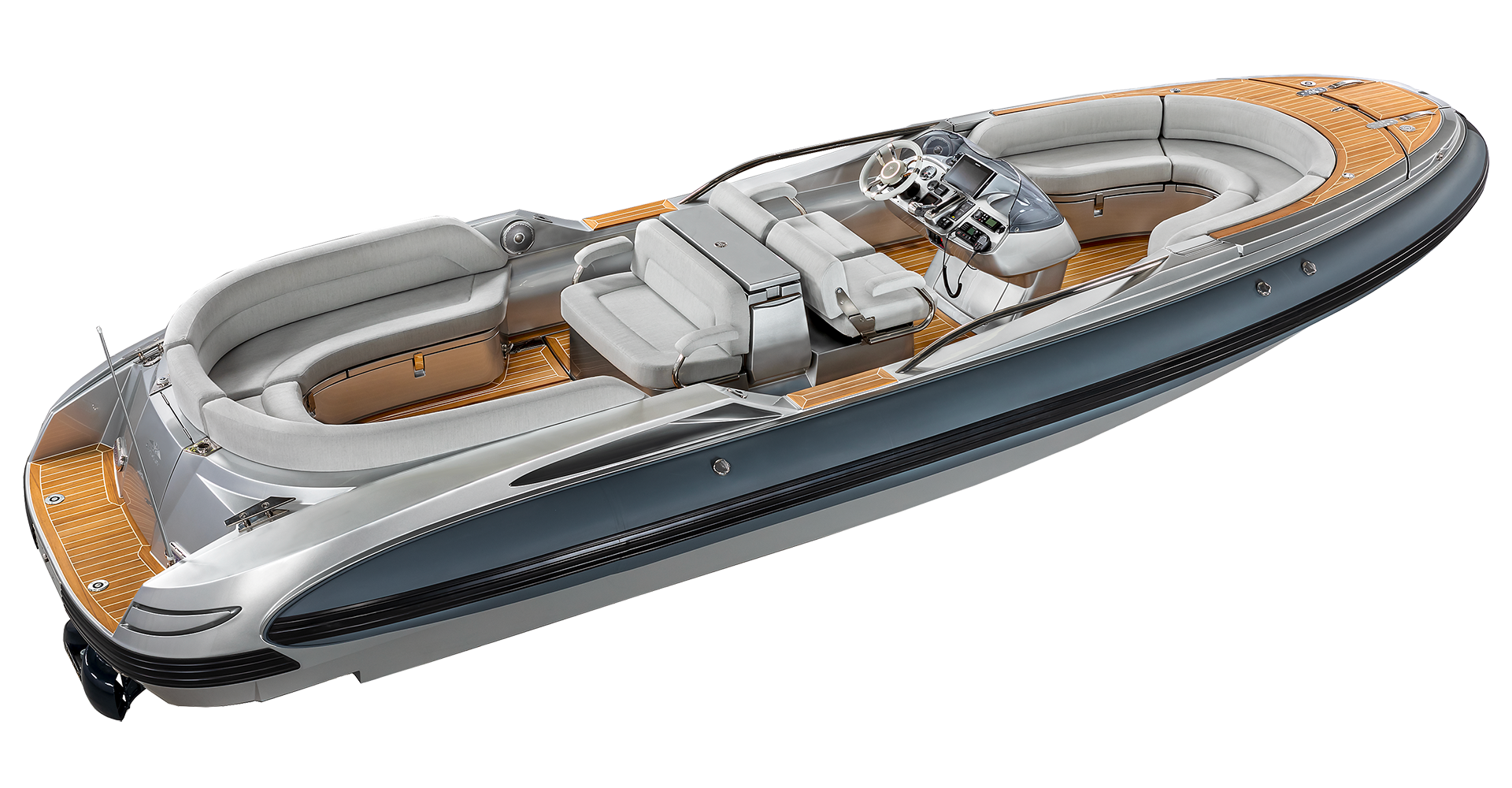 Castoldi · On the registerCastoldi 25LOA7.5mBeam2.60mTop Speed38knPrices on requestView on Superyacht Tenders → commissions quickly because it is a known quantity into a known cavity. A bespoke build needs the engineer on site for several days, and the handover should include crew familiarisation, the document pack, the warranty registration, and a final sign off against the snag list from the factory acceptance.
Coordinating with the itinerary and yard period
The whole job lives or dies on timing. A tender delivery has to land in a window when the yacht is alongside or in the yard, the crew are aboard, and the launch system is ready to receive it. The cleanest delivery is into a scheduled yard period, because the yacht is static, the davit can be tested under load, and any modification to the cradle or the door can be done by the same yard while the boat is open.
Build the schedule backwards from the first cruising date the tender has to be ready for, then stack the dependencies: commissioning needs the boat on site, the boat on site needs the transport landed, the transport needs a confirmed booking, and the booking needs the boat through factory acceptance. Add margin at every join. If the itinerary is tight, it is usually better to deliver early into storage near the yacht than to chase a delivery into a port call between charters.
What we tell clients
Treat delivery as a project with its own critical path, not as a line item the builder will handle. Secure the build slot early, attend the factory acceptance in person, book transport with weeks of slack, and aim the arrival at a yard period rather than a gap between charters. Decide the transport mode from the boat's actual dimensions, not a guess: road within region, container for small RIBs, on deck for anything large or tall. And always commission against the real cradle and davit before you sign off, because the fit check is the one test that the factory cannot run for you.
If you are still choosing the boat, start with the superyacht tenders overview and the complete guide to buying a superyacht tender, then come back here once you have a build slot to plan around.