A tender sea trial is where the spec sheet meets the water. It is also the last point at which a performance problem is the yard's to fix rather than yours to live with. Whether you are accepting a new build or buying used, the trial exists to convert promises into measured numbers, and the discipline that matters is writing those numbers down. A run that "felt fast" proves nothing. A run that shows 41 knots at 6,200 rpm with 75 per cent fuel and two crew aboard proves a great deal. This guide covers what to test, how new-build acceptance differs from a used purchase, the garage-fit check that gets skipped too often, and what a usable trial report contains. It sits inside the wider tender buying process.
What to measure on the water
Start before you slip the lines. Cold-start the engines and watch the gauges respond, look for excessive smoke as they warm, and confirm there are no leaks at the dock. Then take the boat out and work through the operating range in order, because each band tells you something different.
The headline number is speed at rated rpm. Push to wide-open throttle and confirm the engines reach the manufacturer's rated range. As one marine survey reference puts it, the engines should "reach the manufacturer's rated top-end range under normal trial conditions," and a shortfall of more than a few hundred rpm points to a boat that is over-propped, overloaded, or down on power (Blue Matter Marine). Record the actual top speed and the rpm at which it was reached, not just the peak.
Fuel burn is the number owners feel for the next ten years, so measure it at the speeds you will actually run, not only at the top. Note litres per hour and rpm at displacement speed, at the planing transition, and at your intended cruise. Those three points let you work out real range and compare the boat against its brochure.
Planing and handling tell you whether the hull does its job. Time how long the boat takes to climb onto the plane and at what rpm it settles. Run turns at speed, both gentle and hard over, and confirm the boat tracks predictably and does not chine-walk or porpoise. Test stopping from cruise, and reverse, which matters more on a tender that lives off a swim platform than people expect.
Noise and vibration are quality signals. A tender that drones at cruise will not be used. Listen at the helm and in the passenger area, and feel for vibration through the wheel and deck that points to a prop or alignment issue.
Finally, sweep the electronics under way, not just at the dock. Chartplotter, depth, VHF, trim tabs, bilge pumps, and bow thruster should all work in the real environment. For how these blocks connect back to what you ordered, see the tender specification guide.
Measurement checklist
- Speed at WOT: actual top speed and the rpm reached, against the rated range.
- Cruise speed and rpm: the comfortable, repeatable cruise figure.
- Fuel burn: litres per hour at displacement, transition, and cruise speeds.
- Time to plane: seconds from a standing start, and rpm when settled.
- Handling: tracking, turns, stopping distance, reverse behaviour.
- Noise: at the helm and passenger area at cruise.
- Loading at trial: fuel, water, and crew aboard, ideally a 75 per cent cruising trim.
- Sea state: wind and swell, recorded so the figures can be read in context.
- Electronics: every screen and control exercised under way.
New-build acceptance versus a used purchase
The two trials share a checklist but differ in purpose. A new-build acceptance trial is a contractual event. The boat is being measured against the build contract, and the speed, fuel, and noise figures in that contract are the thresholds you are testing. The output is a snag list and an acceptance decision: you are deciding whether to take delivery, hold delivery, or accept against an agreed remediation plan. Trim matters here, because a yard can flatter the numbers with a light boat. Insist on a realistic cruising load before the speed runs.
A used-tender trial is a verification event. There is no contract to test against, so you are confirming the boat performs as the broker describes and surfacing the wear a survey alone will not show: a tired engine that smokes on load, a gearbox that hesitates, electronics that fail under way. The trial pairs with a hull and engine survey rather than replacing it. We walk through both together in insurance, survey and trials, and the wider purchase path sits in buying a used superyacht tender and across the used tenders market.
The garage-fit and stowage check
This is the test that gets skipped, and it is the one that strands a tender on the dock. The fastest, most economical tender in the fleet is useless if it does not fit the mothership's garage with fenders, antennas, and a bridle attached, or if it cannot be launched and recovered in the sea state the yacht actually cruises in.
Run the garage cycle as part of the trial, not as an afterthought weeks later. Confirm the boat fits the cradle and the door opening with cushioning in place, that the lifting points line up with the launch and recovery system, and that the crane or slipway handles the laden weight with margin. Measure the real stowed envelope against the garage, because a brochure length rarely includes the bathing platform, the bow eye, or a raised T-top. The numbers to check against are in tender garage sizing, and if a boat fails this stage it belongs back in how to choose a superyacht tender rather than on the snag list.
What a good trial report contains
A trial is only as useful as the record it produces. A verbal "ran well" is worthless three months on when a number is disputed. A good report is a document, signed and dated, that anyone can read later.
It should state the conditions: date, location, wind, sea state, and the loading aboard, because a speed figure means nothing without them. It should carry the measured numbers in a table: rpm, speed, and fuel burn at each tested band, time to plane, and stopping behaviour. It should list every snag found, ranked by severity, with the agreed action and a date for each. It should note who was aboard and who signed. On a new build it should reference the contract clause each figure is tested against. On a used boat it should cross-reference the surveyor's findings so the two documents agree. Keep it with the boat's papers, because it becomes the baseline the next trial, refit, or sale is measured against.
A reference tender shows the level of data worth capturing: the
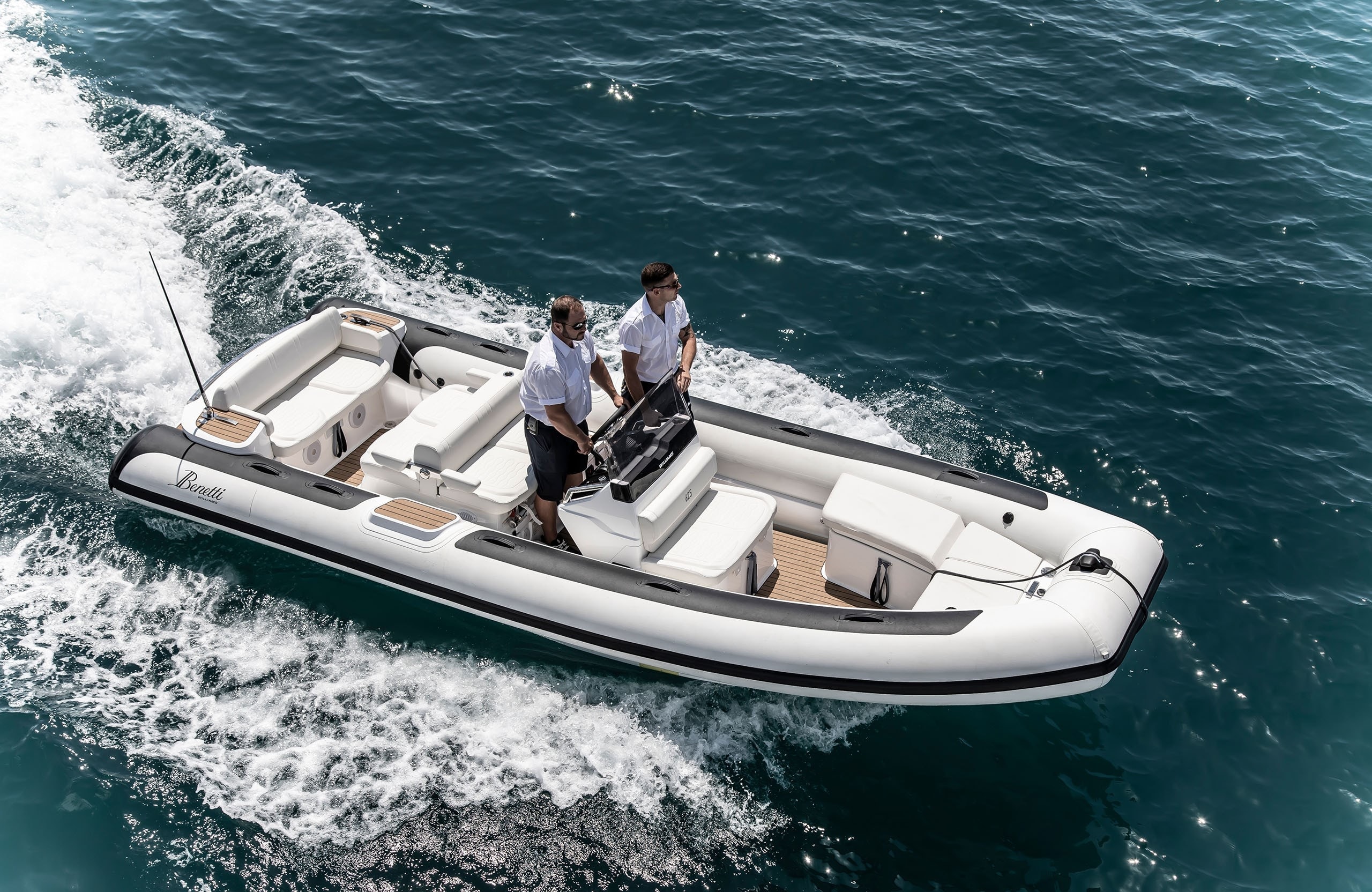 Williams · On the registerWilliams DieselJet 625LOA6.3mBeam2.41mTop Speed40knPrices on requestView on Superyacht Tenders →
publishes speed and weight figures precise enough to test directly on the water, and a trial that cannot reproduce them within a sensible margin is telling you something.
Williams · On the registerWilliams DieselJet 625LOA6.3mBeam2.41mTop Speed40knPrices on requestView on Superyacht Tenders →
publishes speed and weight figures precise enough to test directly on the water, and a trial that cannot reproduce them within a sensible margin is telling you something.
What we tell clients
Treat the trial as the moment you stop trusting the brochure and start trusting the numbers. Turn up with a one-page form listing every figure you intend to capture, fill it in on the water, and do not let a missed target become a verbal reassurance. A second trial day costs little against accepting a tender that will not reach its rated speed, burns more than its range allows, or will not launch in a metre of swell. Start at the superyacht tenders overview to see how the trial fits the rest of the buying decision, and if you want a hand running one, that is exactly the kind of brief we take on.