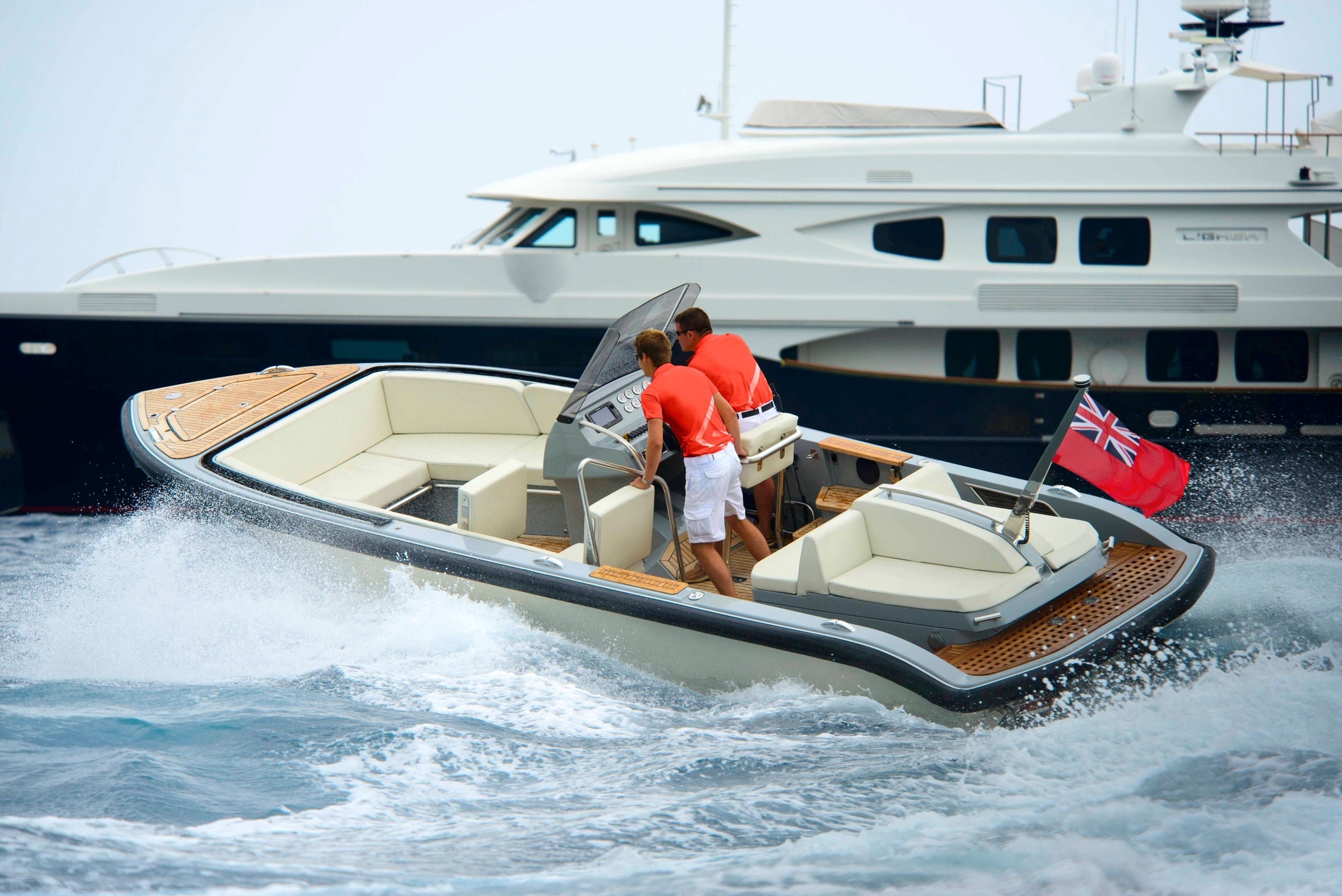
 3-6 months
Windy · New build
SR26
7.9m
Length
40kt
Top Speed
9
People
Prices on request
The used superyacht tender market is shallow and moves fast: the right hull clears in days and the public list is only ever part of what is available. This is the buyer's-side guide to finding one, inspecting it properly, valuing it, and not overpaying.
For sale now
Showing the latest 6 of 43 boats
New build, to order · priced within one working day
3-6 months
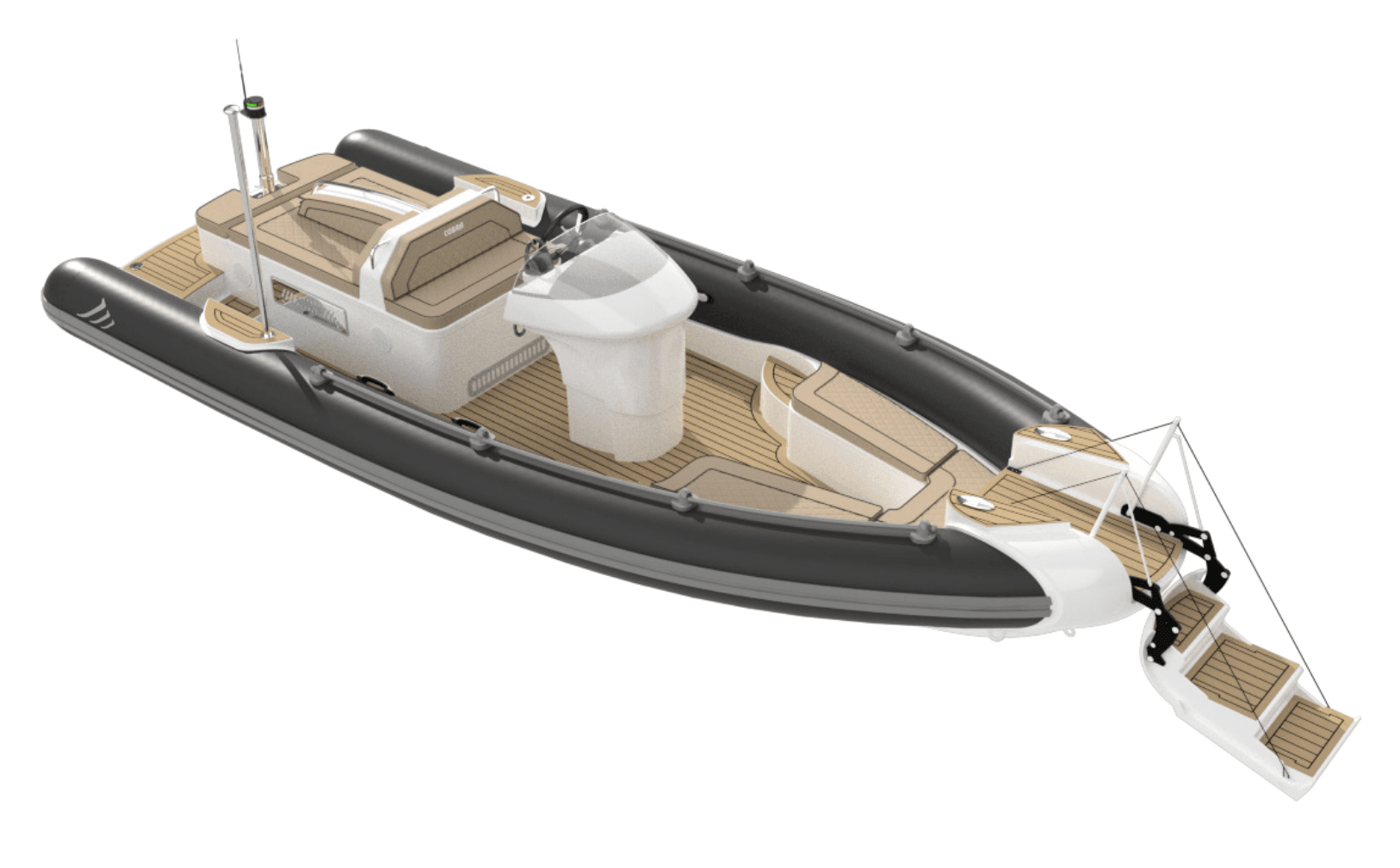
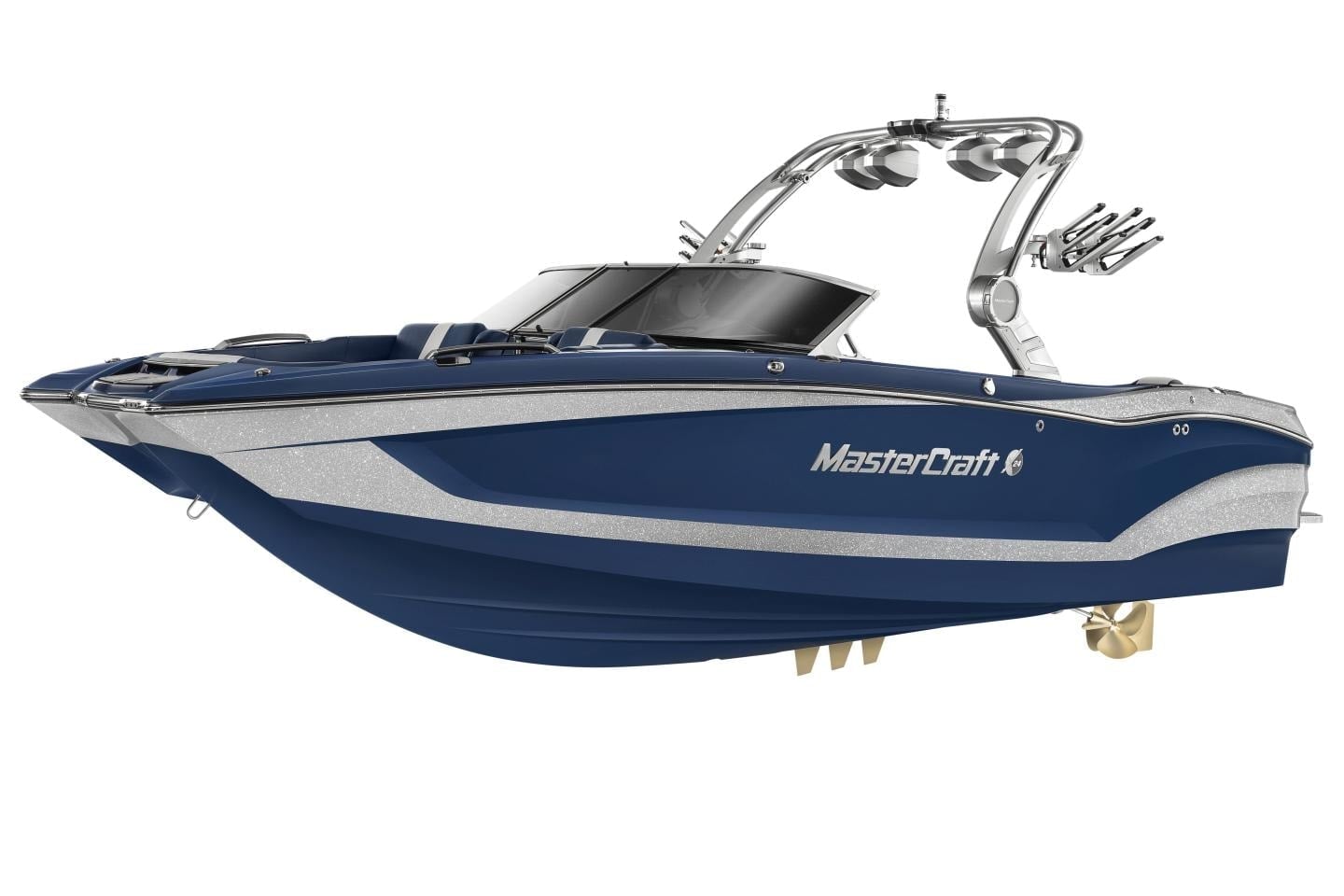
A used superyacht tender purchase that closes without a clean survey, a documented sea trial and a confirmed VAT position has three failure modes baked in. The market makes this harder than it should be: it is shallow, it moves quickly, and the public brokerage list is only ever part of what is actually available. This is the buyer's-side method, run the way we run it for clients. For the full new-build process see the complete guide to buying a superyacht tender.
Three pools, only one of which is public:
A buyer who only watches the public list sees a fraction of the market. Tell us the brief and we run all three in parallel.
A production runabout has a deep buyer pool and a known price. A superyacht tender does not. It is often a semi-custom or bespoke hull built around one yacht's garage and davit, with a narrow catchment of buyers who need exactly that envelope. That has three consequences for a buyer: orphan-brand risk (a builder that has stopped trading or supporting parts destroys value), the davit-interface problem (the lifting arrangement may not suit your yacht), and a thin comparable set, so condition and provenance drive price far more than the asking number suggests. None of this is visible on a listing page; it is exactly what the survey and the brief are for.
A clean independent survey is non-negotiable. The tender-specific points that matter, beyond a generic boat checklist:
The survey, sea trial and insurance guide is the full sequence and a tender-specific checklist.
Value is decided by provenance, not age. The shape of it: a new tender is roughly 3 to 4 per cent of the mothership's value when bought, per Superyacht Tenders; depreciation is steep early and then flattens, with sources putting roughly 40 to 50 per cent off in the first three years and around 30 to 40 per cent of build value returned at a typical five-year sale. The levers that move a specific boat off that curve: documented refit history, live builder parts support, engine and davit-interface condition, and hours backed by invoices. A well-kept boat from a supported builder is worth materially more than a neglected one or an orphan brand, regardless of year.
A tender carries its own VAT and customs status, independent of the mothership, and getting it wrong on a cross-border deal can cost 20 per cent of the value plus duty. Tenders kept within the large-yacht market are often resold offshore retaining zero-VAT status; importing one into the recreational market can trigger VAT. This is fact-sensitive: confirm the position for your intended use and waters with a marine tax adviser, HMRC or EU customs. See importing a yacht tender into the EU and UK.
For a single primary tender on a yacht still in build, new usually makes sense, the spec is yours and the warranty is clean. For a chase boat, a second tender, or any programme that needs a boat in the water this season, used often wins on both price and timeline. If the candidate is an existing tired hull, run the refit versus replace decision first, because the cheapest boat is sometimes the one you already own.
Price the defect list, not the asking number. A categorised survey list (safety, then function, then cosmetic) with costed remediation is the lever; so is documented refit history, which de-risks the buy and should be paid for, and confirmed parts support. Walk-away power comes from running the three pools in parallel: a buyer with one boat negotiates badly, a buyer with three does not.
Browse the live pre-owned tenders for sale, see what is available now across new and used, or put any used hull straight up against a new-build in a side-by-side comparison. The category shortlists in the best superyacht tenders cover which builders hold value.
We act on the buyer's side of the table, not the seller's. Tell us the mothership, the programme and the budget, and the shortlist, on-market and off, follows.