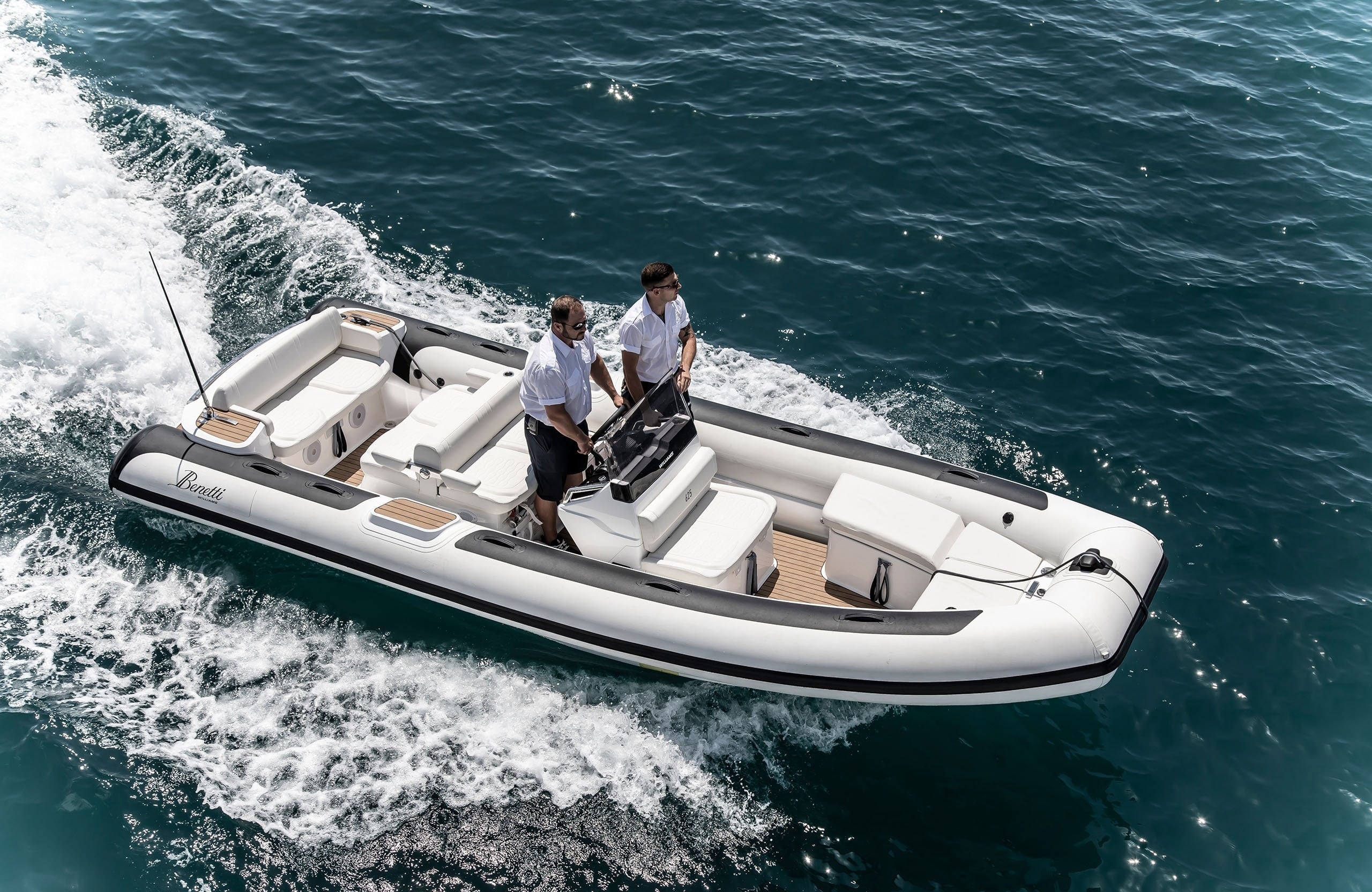
Williams · New build
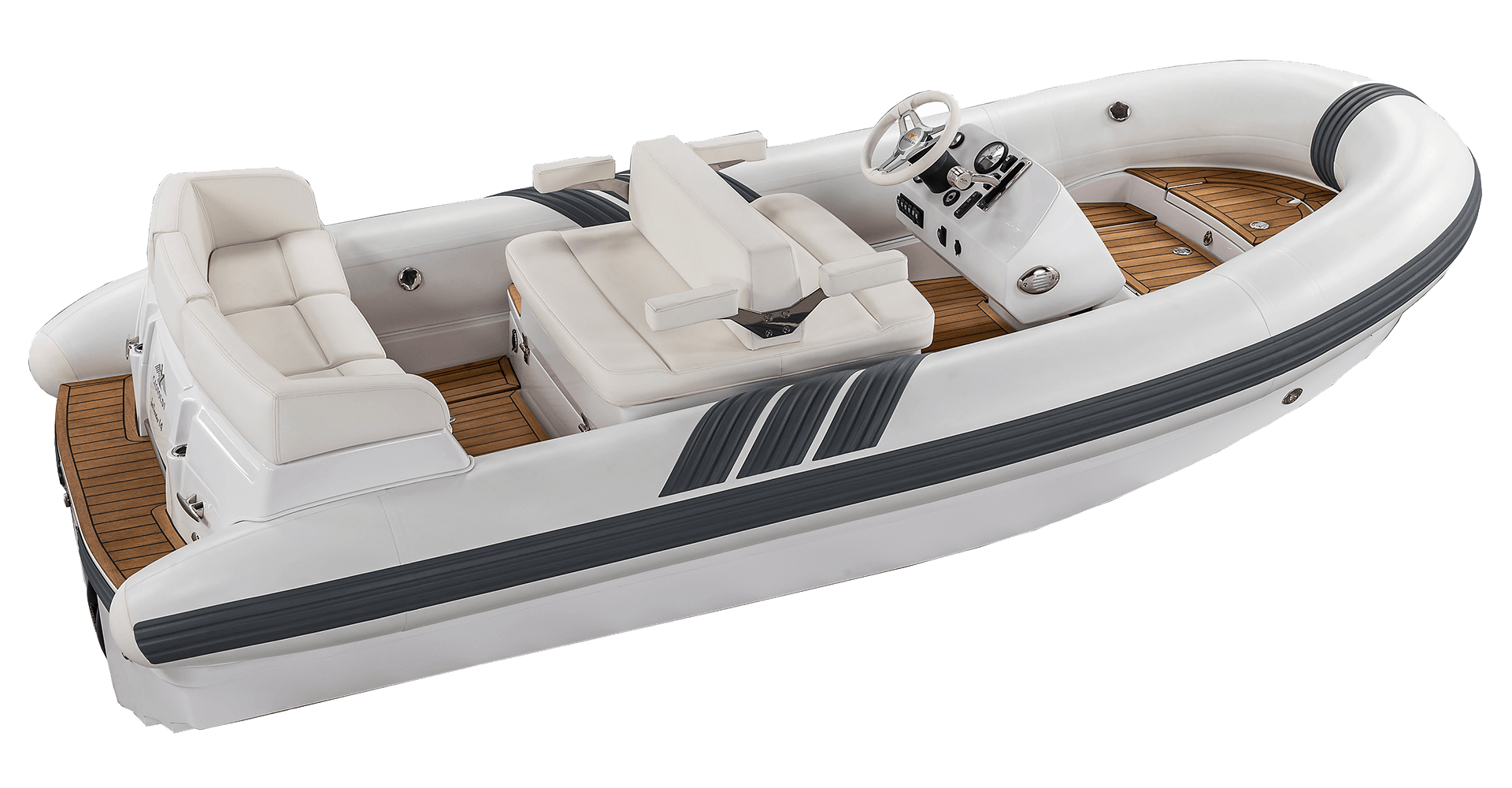
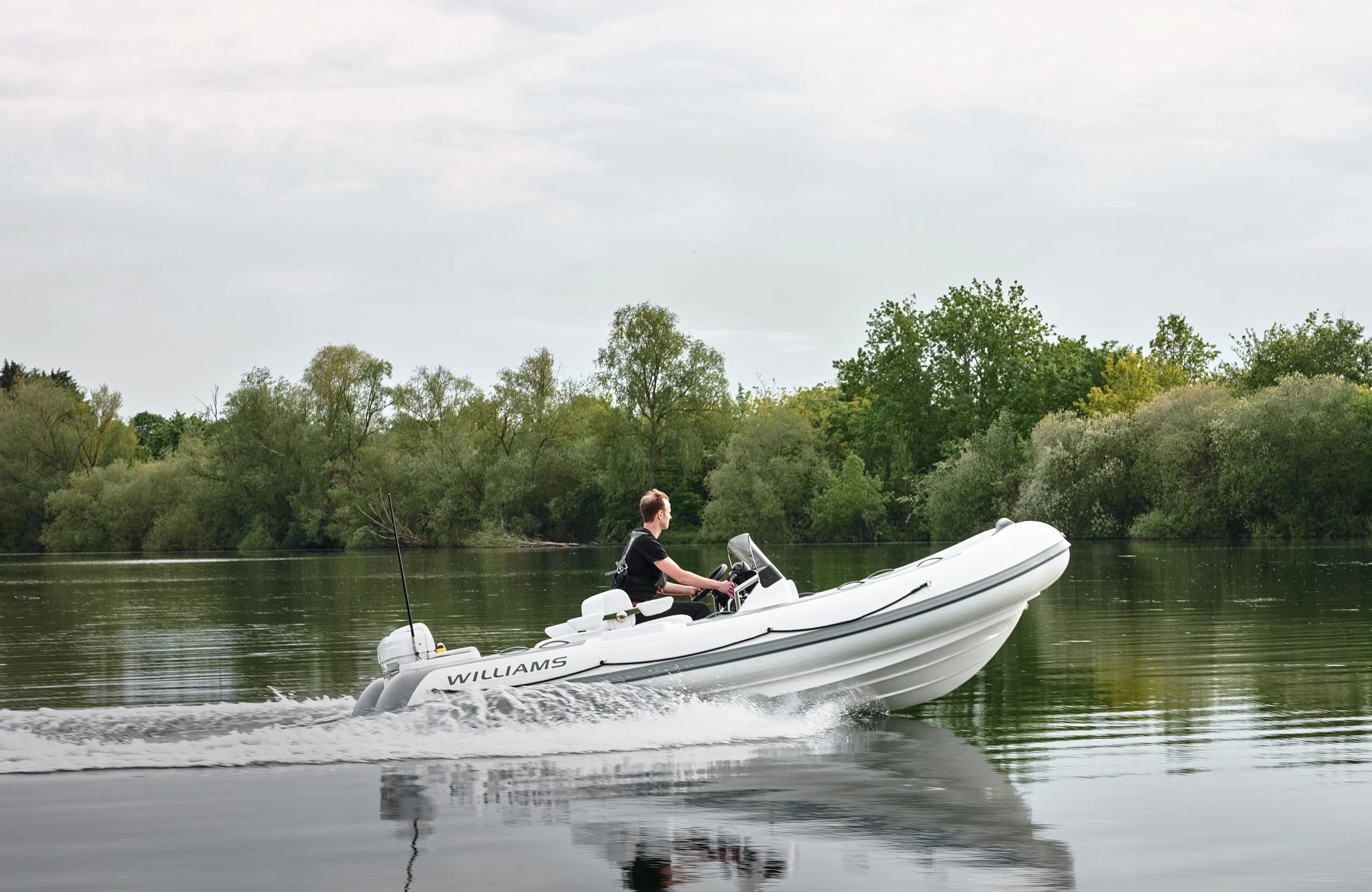
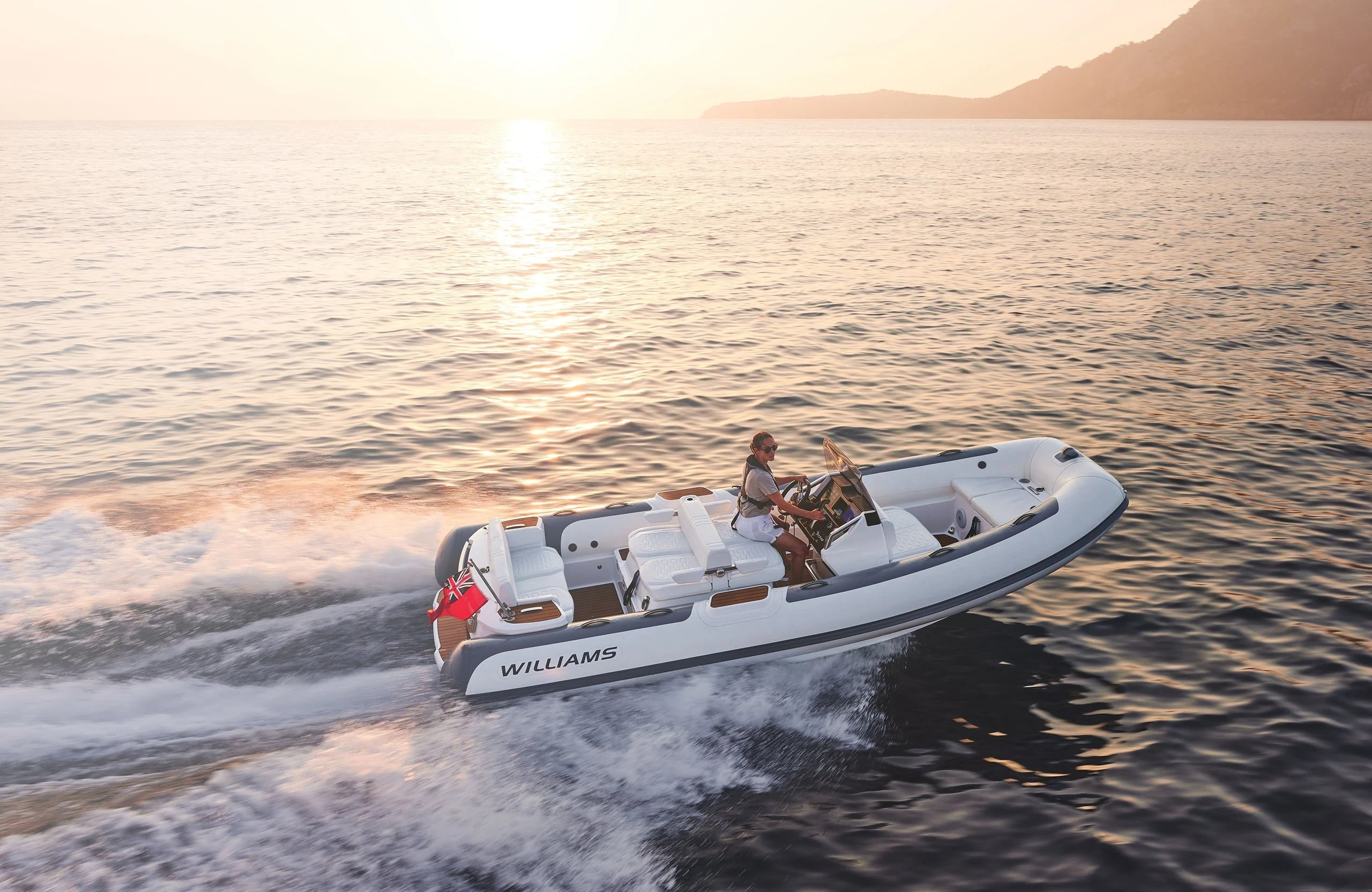
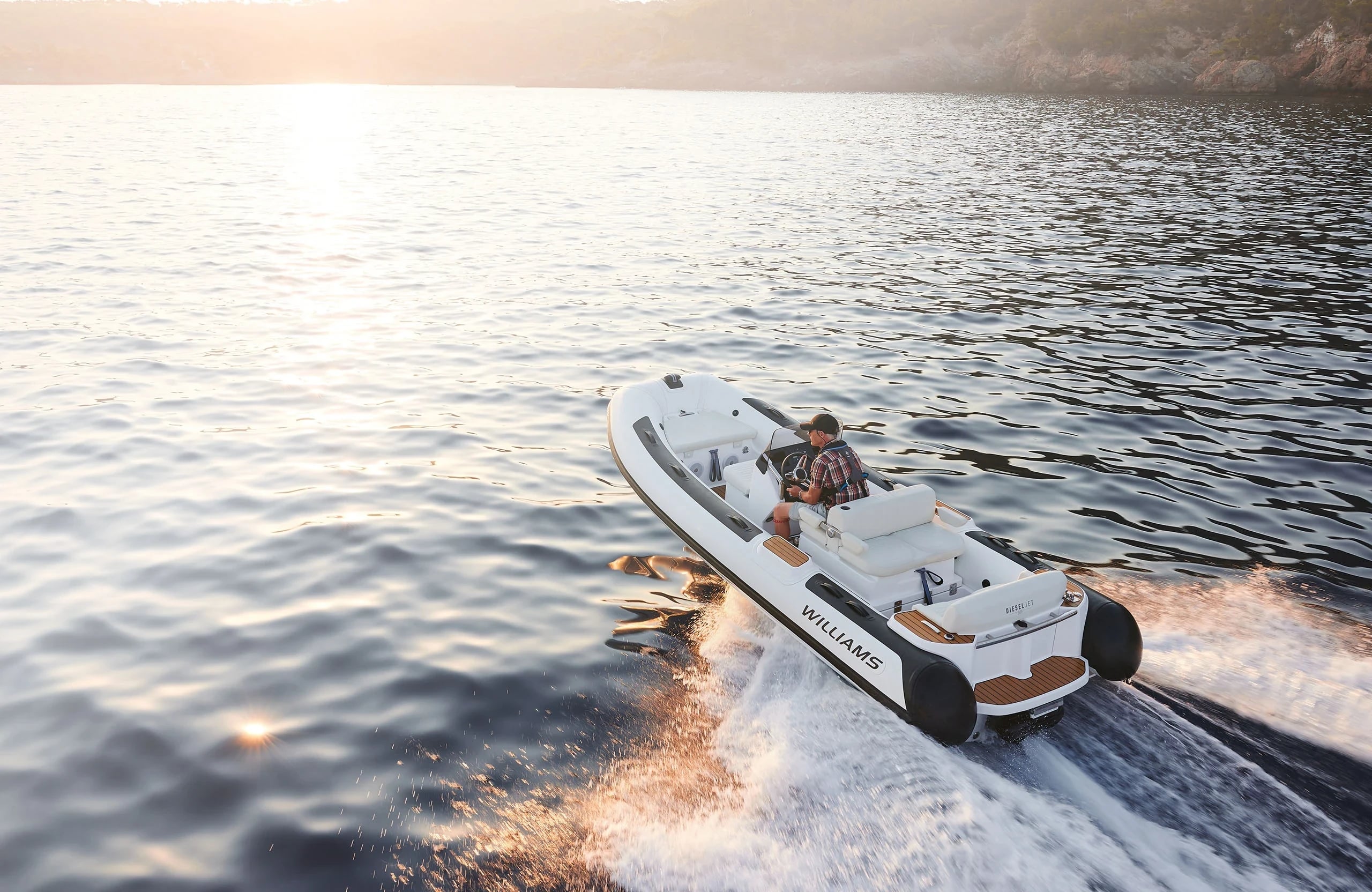
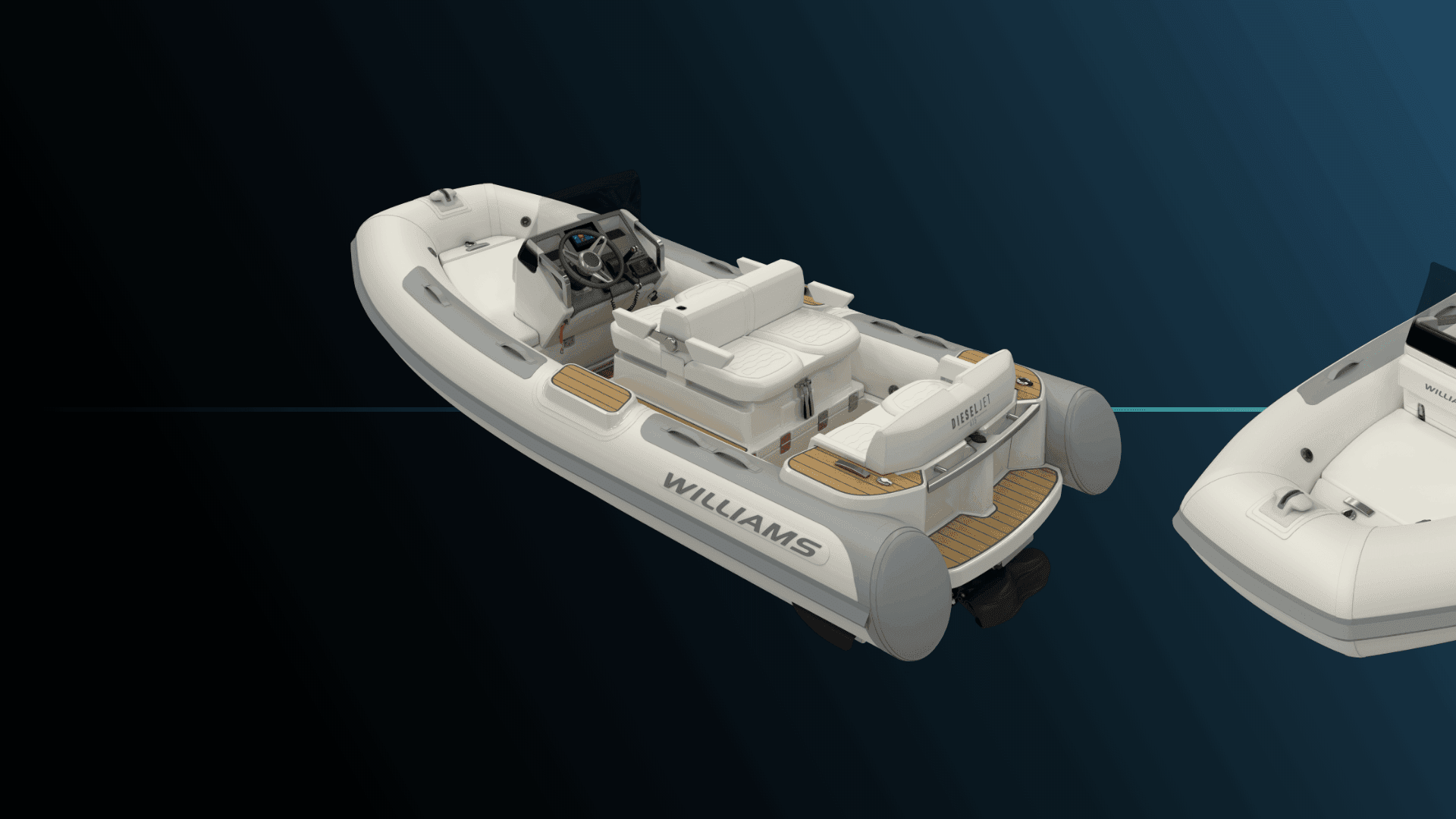
DieselJet 625
6.3m
Length
40kt
Top Speed
11
People
Prices on request
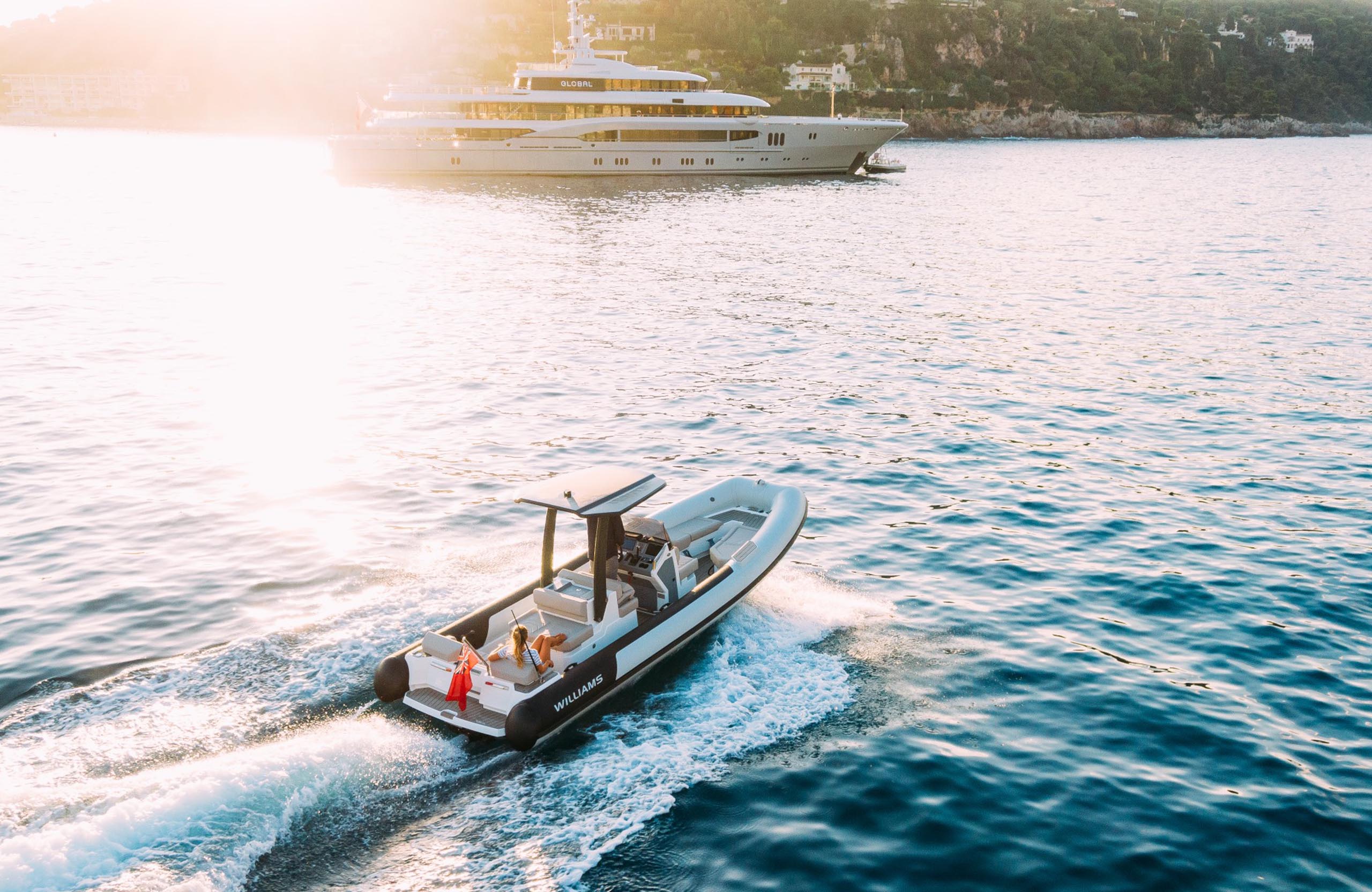
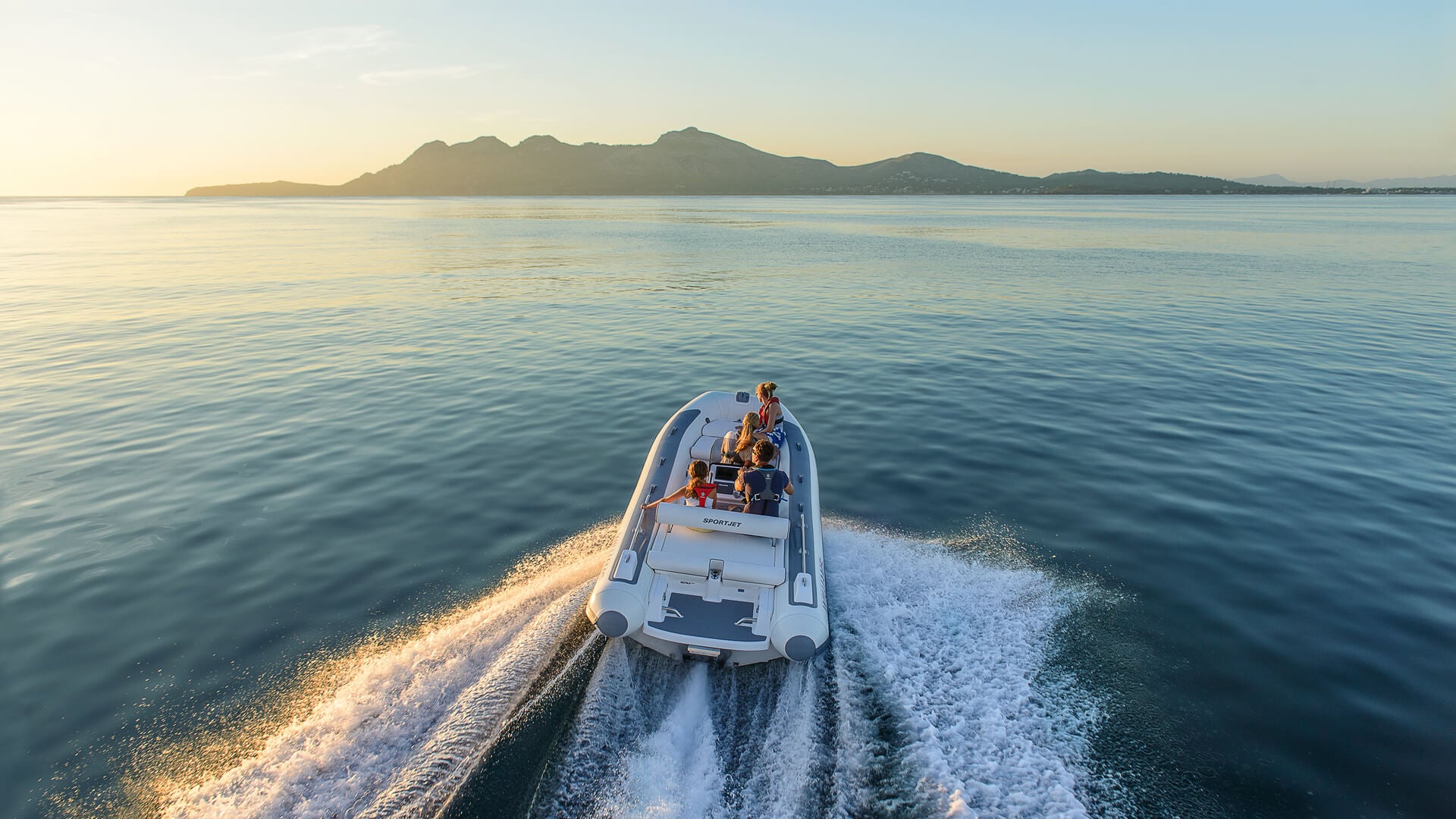
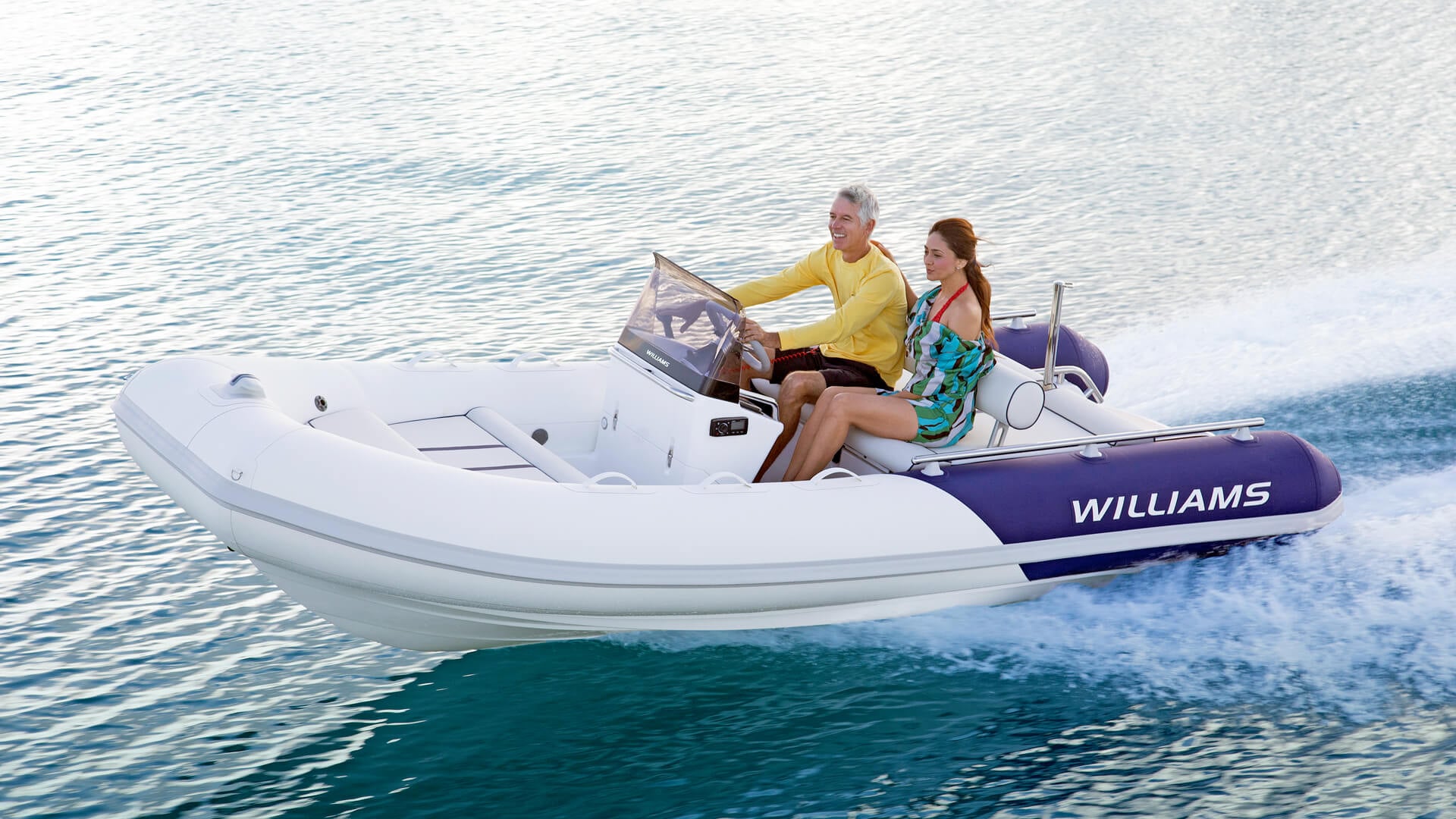
The default jet tender choice: six ranges built in Oxfordshire since 2004, factory-fitted by most major yacht builders.
The Williams range
18 boats
 6-9 months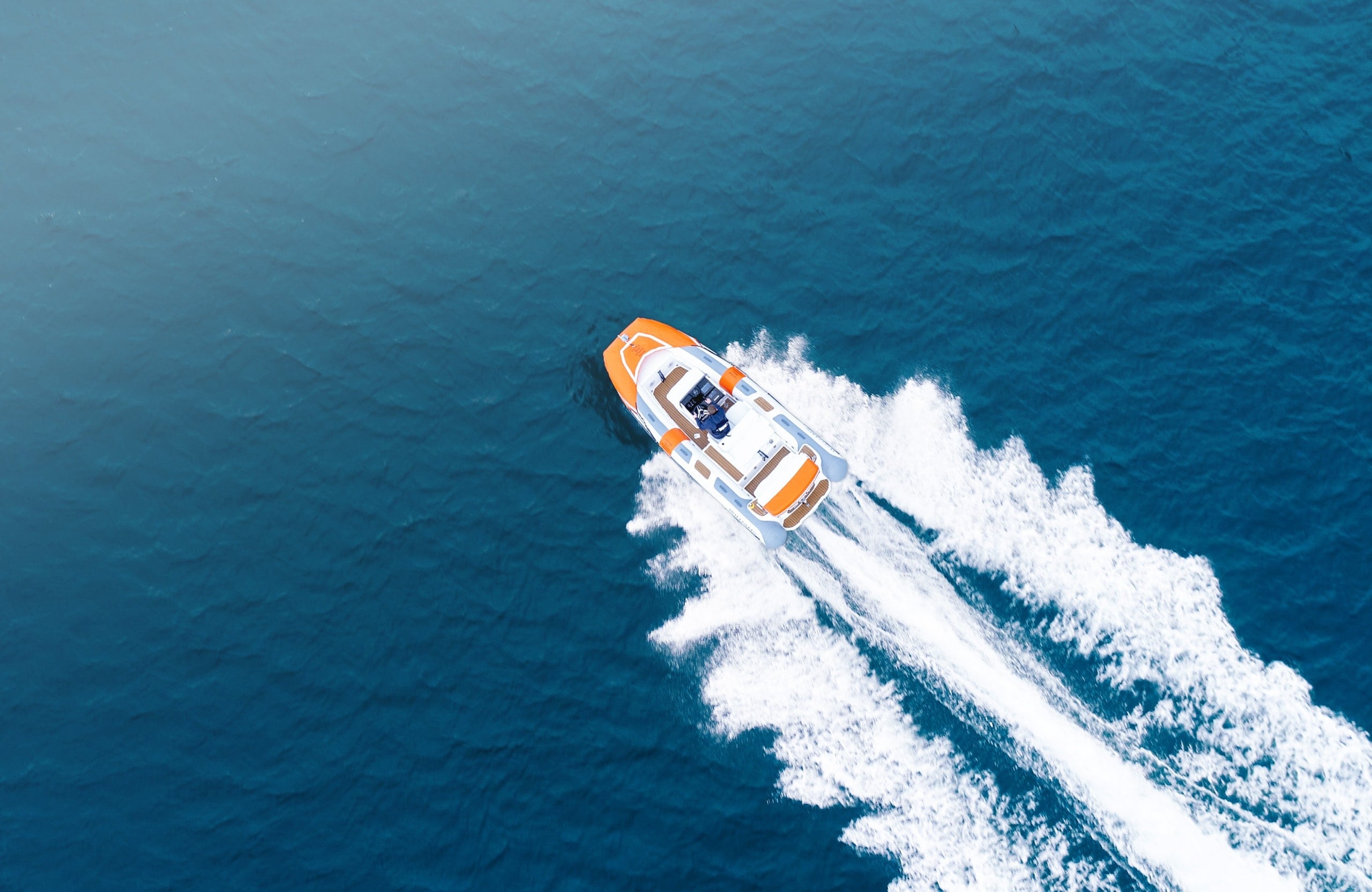
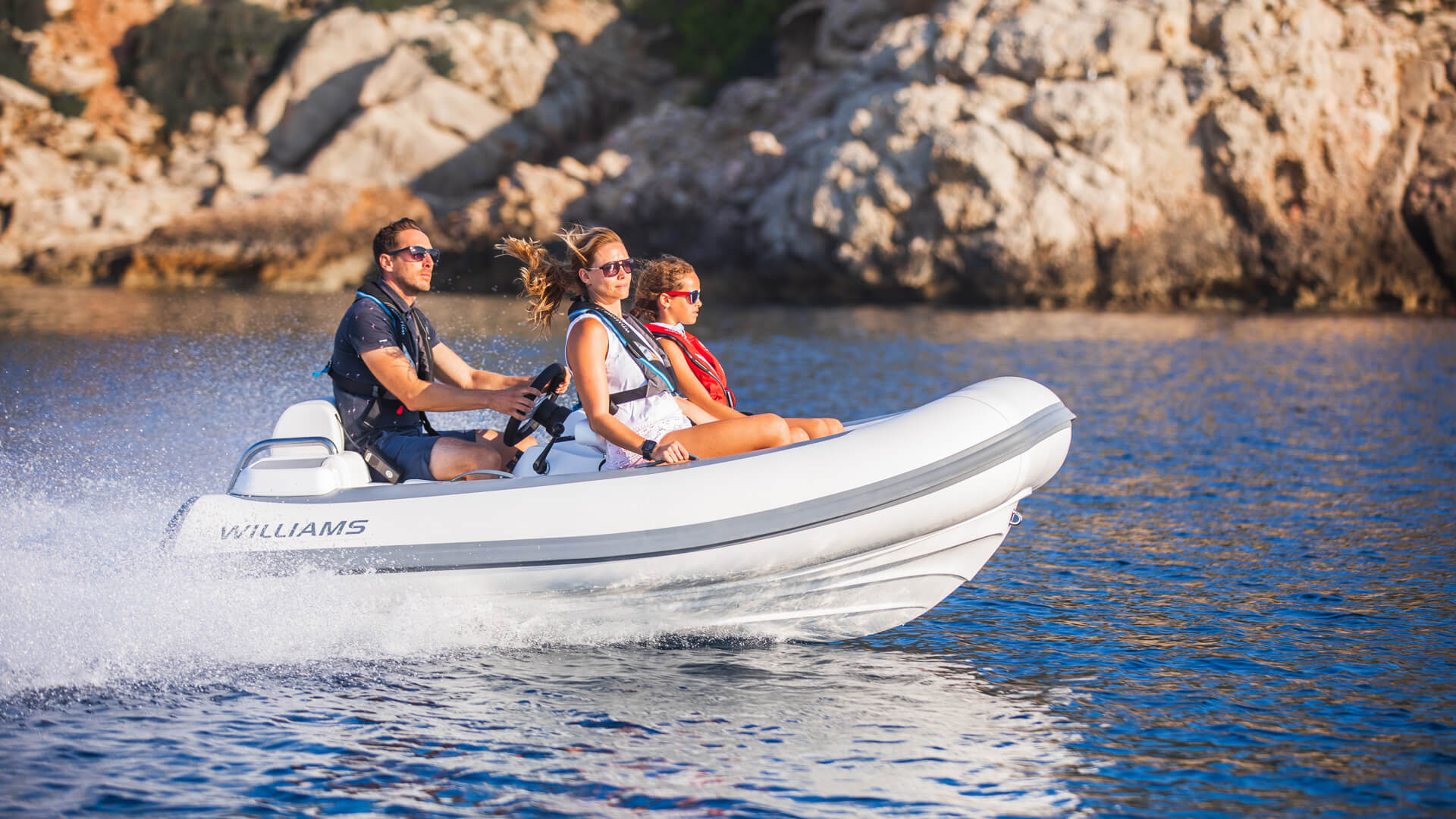
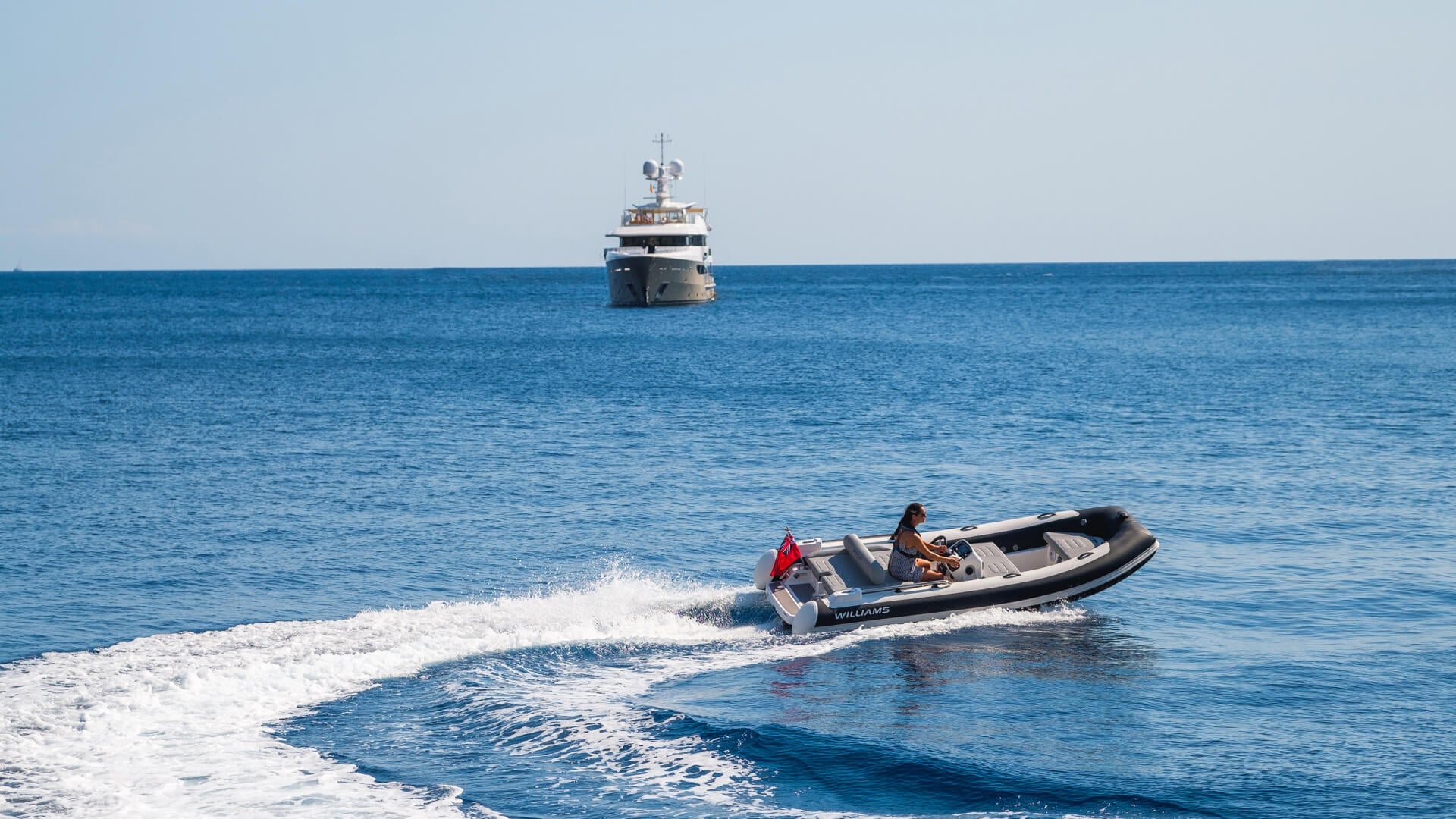
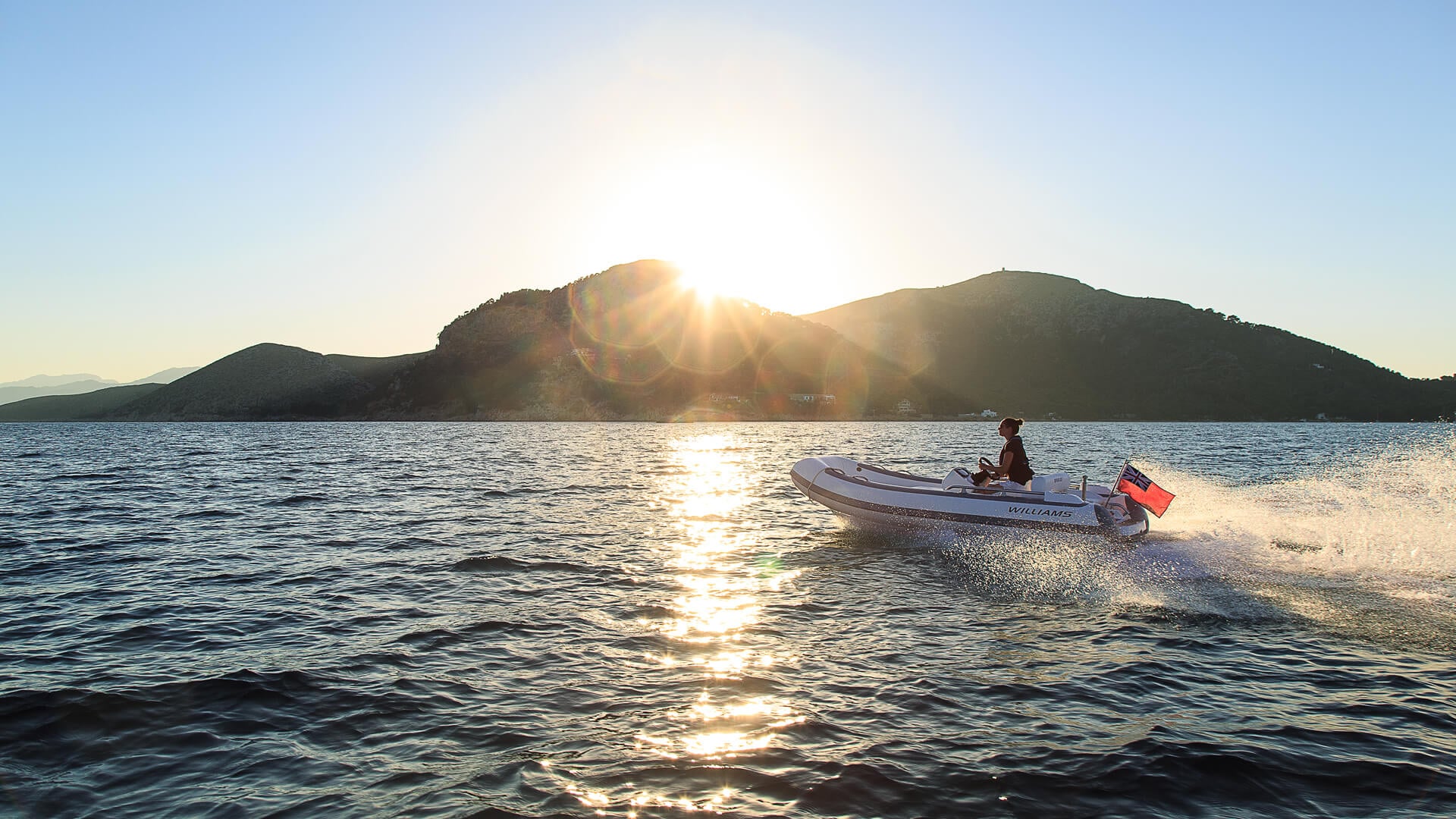
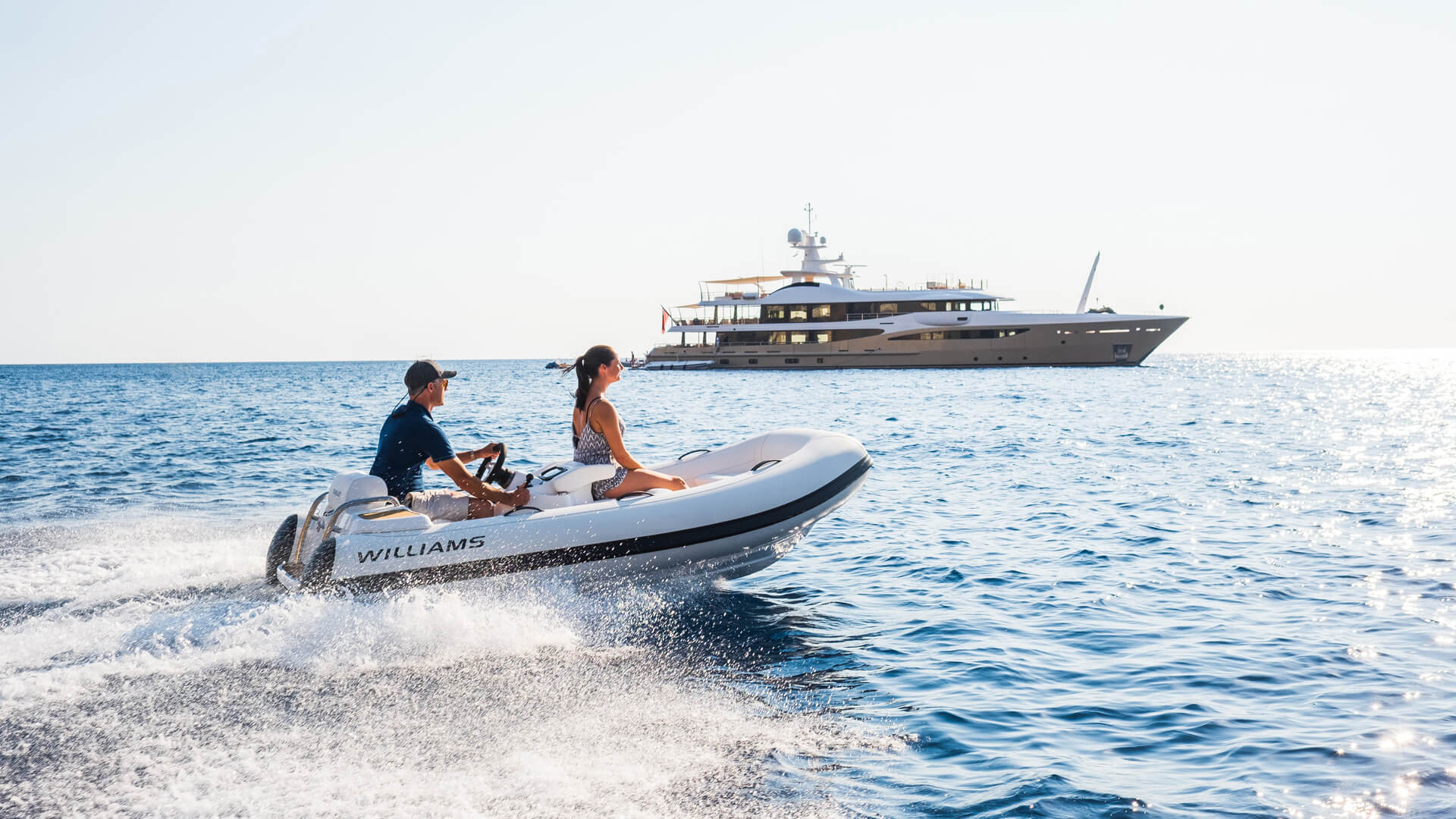
In their own words
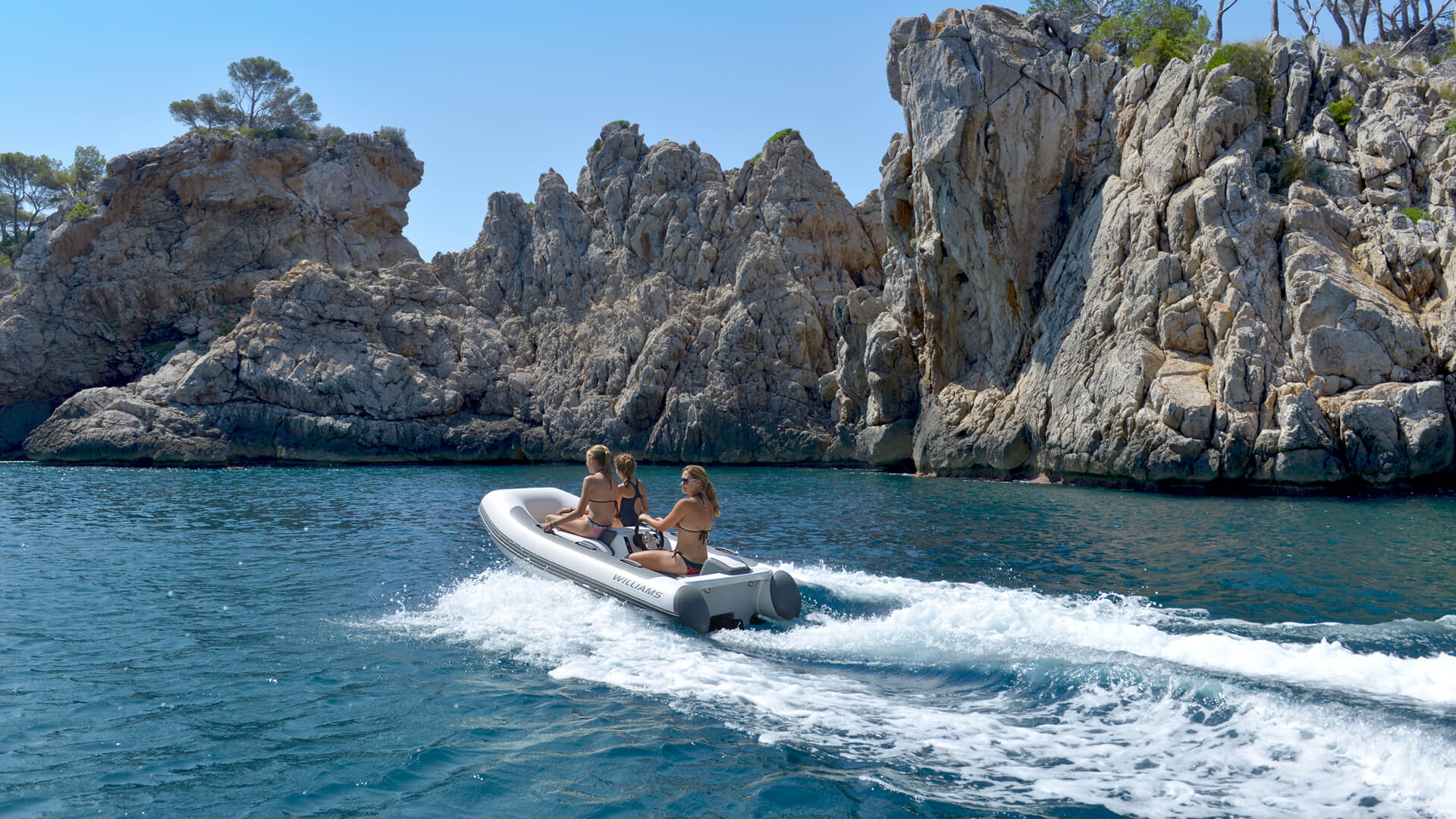
Williams Jet Tenders is the biggest name in jet tenders and, by volume, in yacht tenders full stop. Founded in 2004 by Roy Parker and brothers Mathew and John Hornsby, the company builds out of an 80,000 sq ft purpose-built facility in Oxfordshire, England, and traces its roots to a converted garden shed where the Hornsbys began handcrafting boats in the mid-1990s. Every hull is hand-built and water-tested before dispatch.
The proposition is coverage: six ranges spanning yachts from 38ft dayboats to 40m-plus superyachts, all on waterjet propulsion with no exposed propeller. Williams holds factory-fitment relationships with Princess, Sunseeker, Fairline, Azimut Benetti, Ferretti and Sanlorenzo, and many production yachts of the last fifteen years were dimensioned around a Williams garage. When a brief says "jet tender" with no further qualification, this is the benchmark the alternatives are measured against.
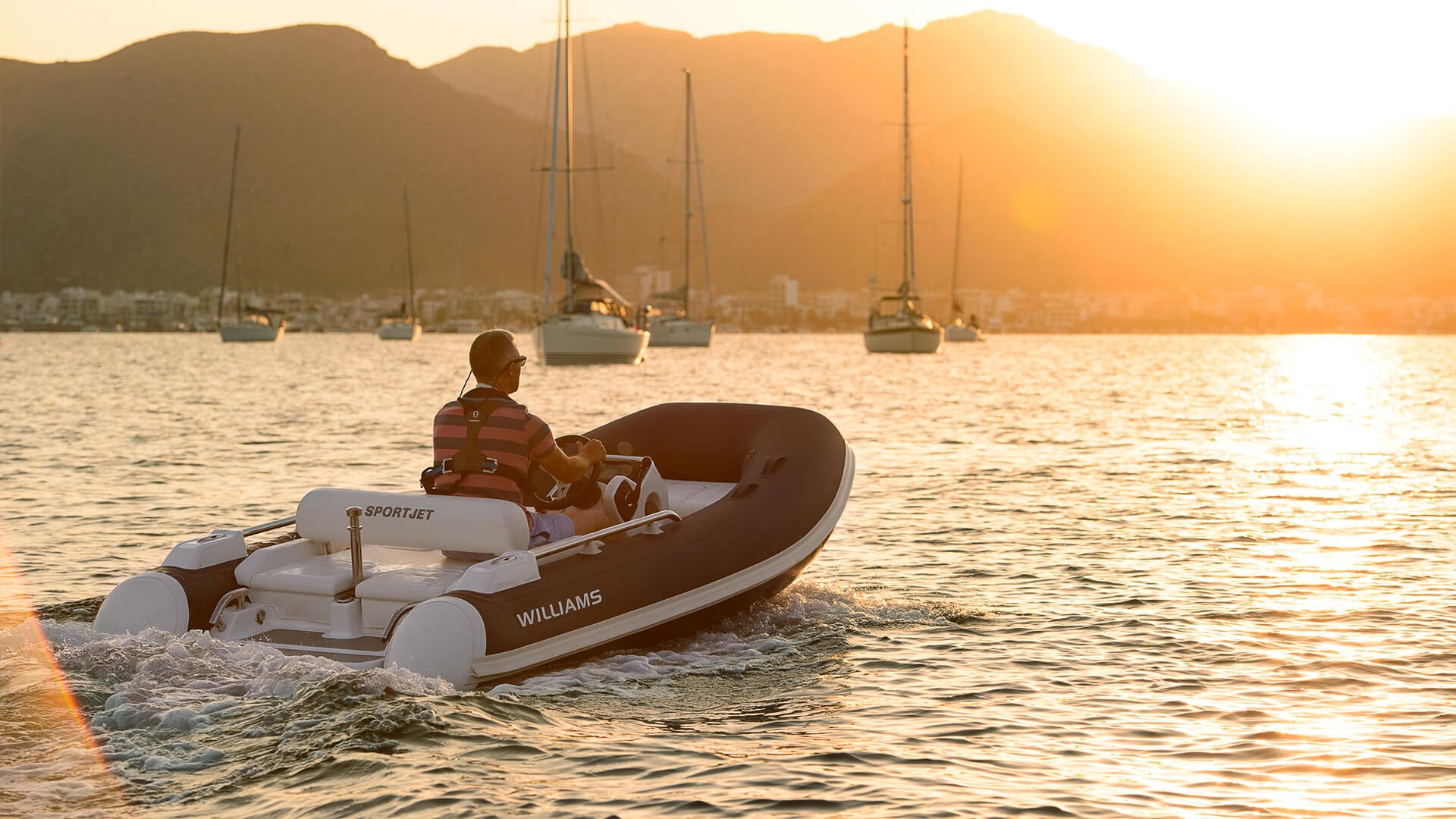
MiniJet, TurboJet and SportJet are the petrol lines: compact Rotax-powered garage tenders from the 2.79m MiniJet 280 through the TurboJet 285 and TurboJet 325 to the five-strong SportJet range: 345, 395, 435, the 2025-launched 170hp 460 and the 230hp supercharged flagship SportJet 520. They cover dayboats and yachts to roughly 30m where petrol stowage rules allow.
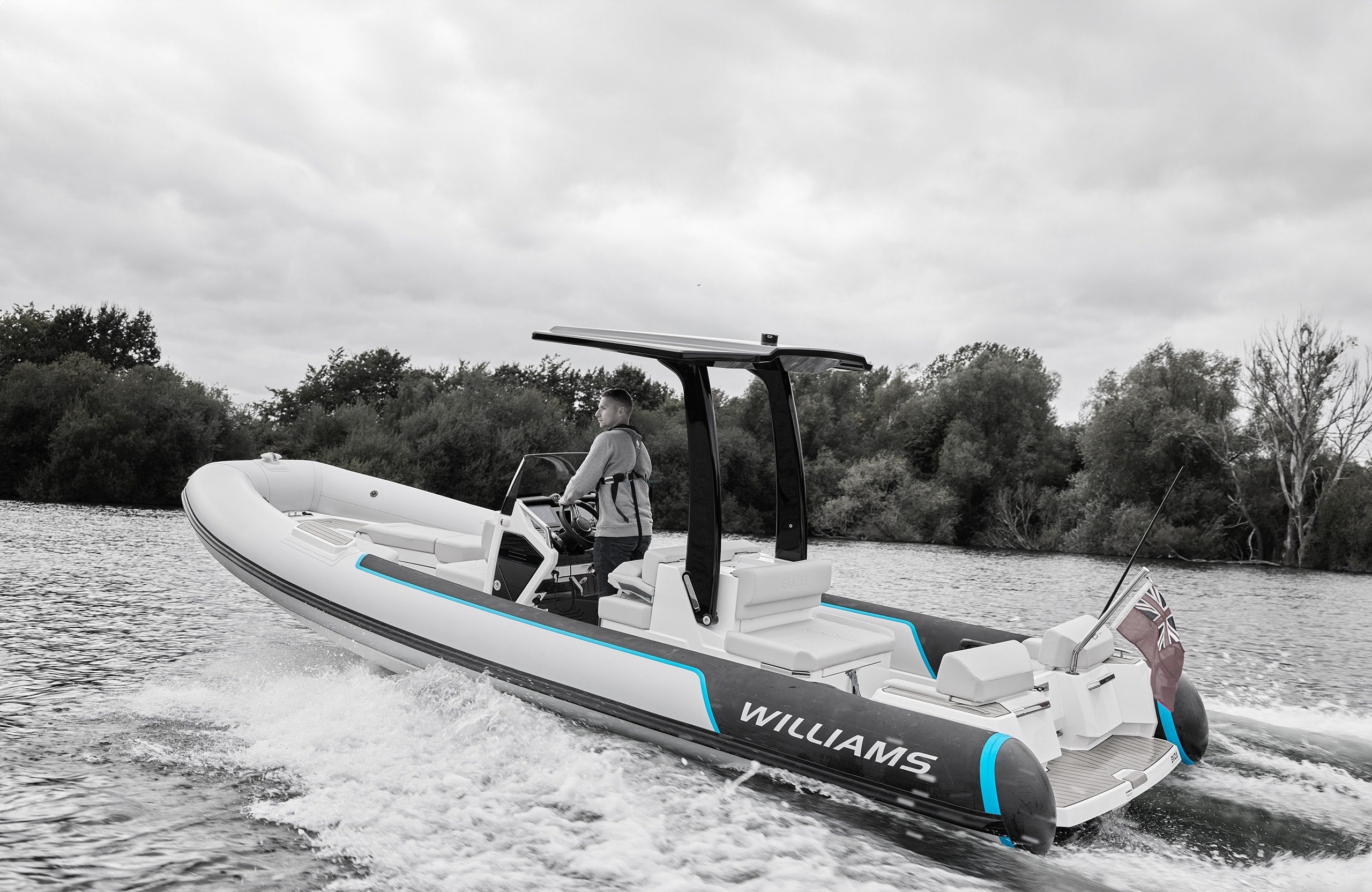
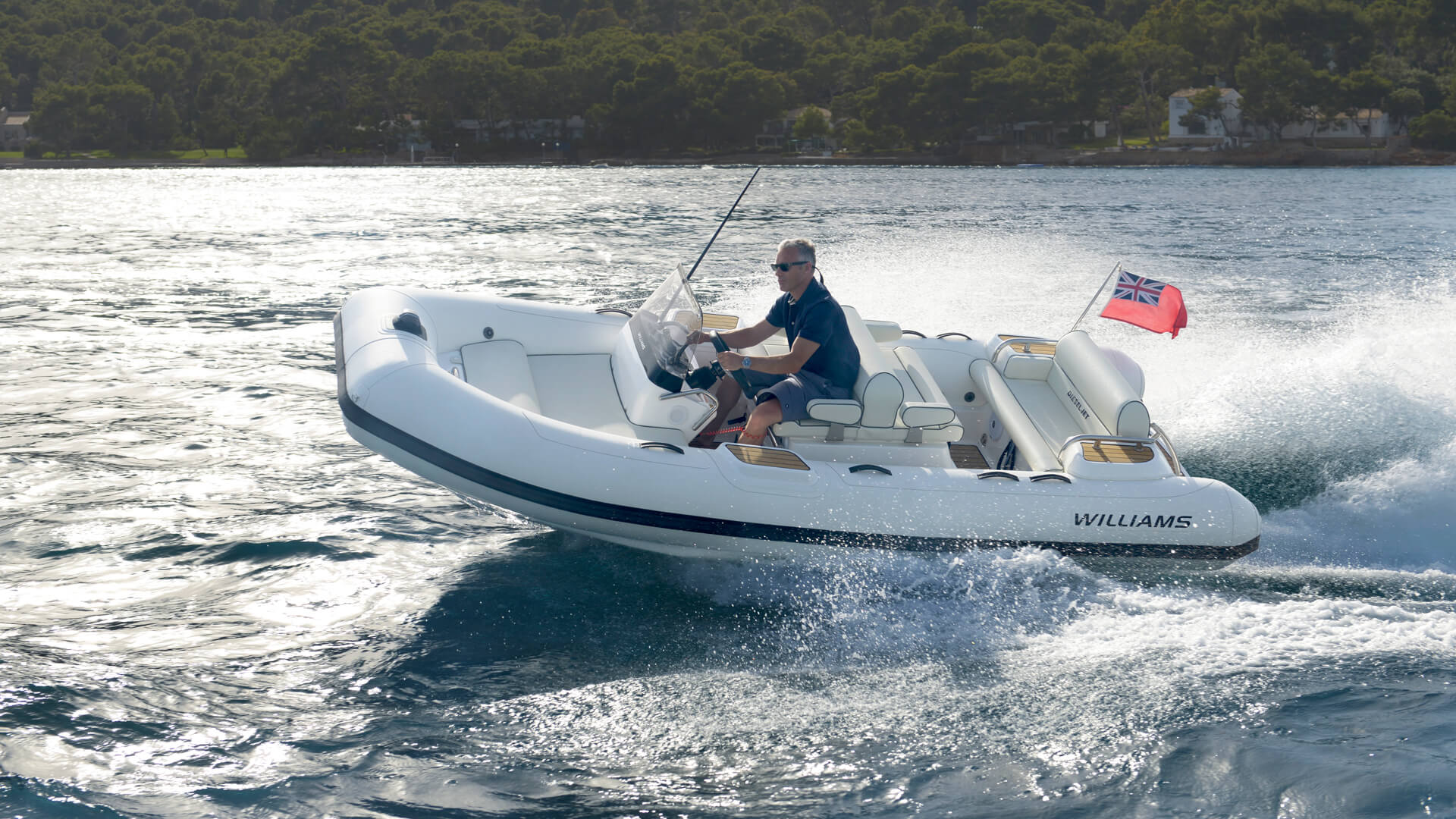
DieselJet is the superyacht workhorse range, and the reason Williams dominates garages on 25 to 50m yachts: Yanmar inboard diesels for mothership fuel compliance, low fire risk and easy yard-side fuelling. On the register: the DieselJet 415 (4.16m entry point), the DieselJet 445 (4.5m, seven guests), the DieselJet 505 (5.03m, nine guests), the DieselJet 565 (5.71m, 38 knots) and the DieselJet 625 (6.32m, 40 knots, eleven guests).
EvoJet is the flagship guest tender line for 40m-plus programmes. The EvoJet 70 runs 7.1m with seating for thirteen and multiple boarding points; the Electric EvoJet 70e is the battery-electric version of the same platform, one of the first credible production electric tenders at this size.
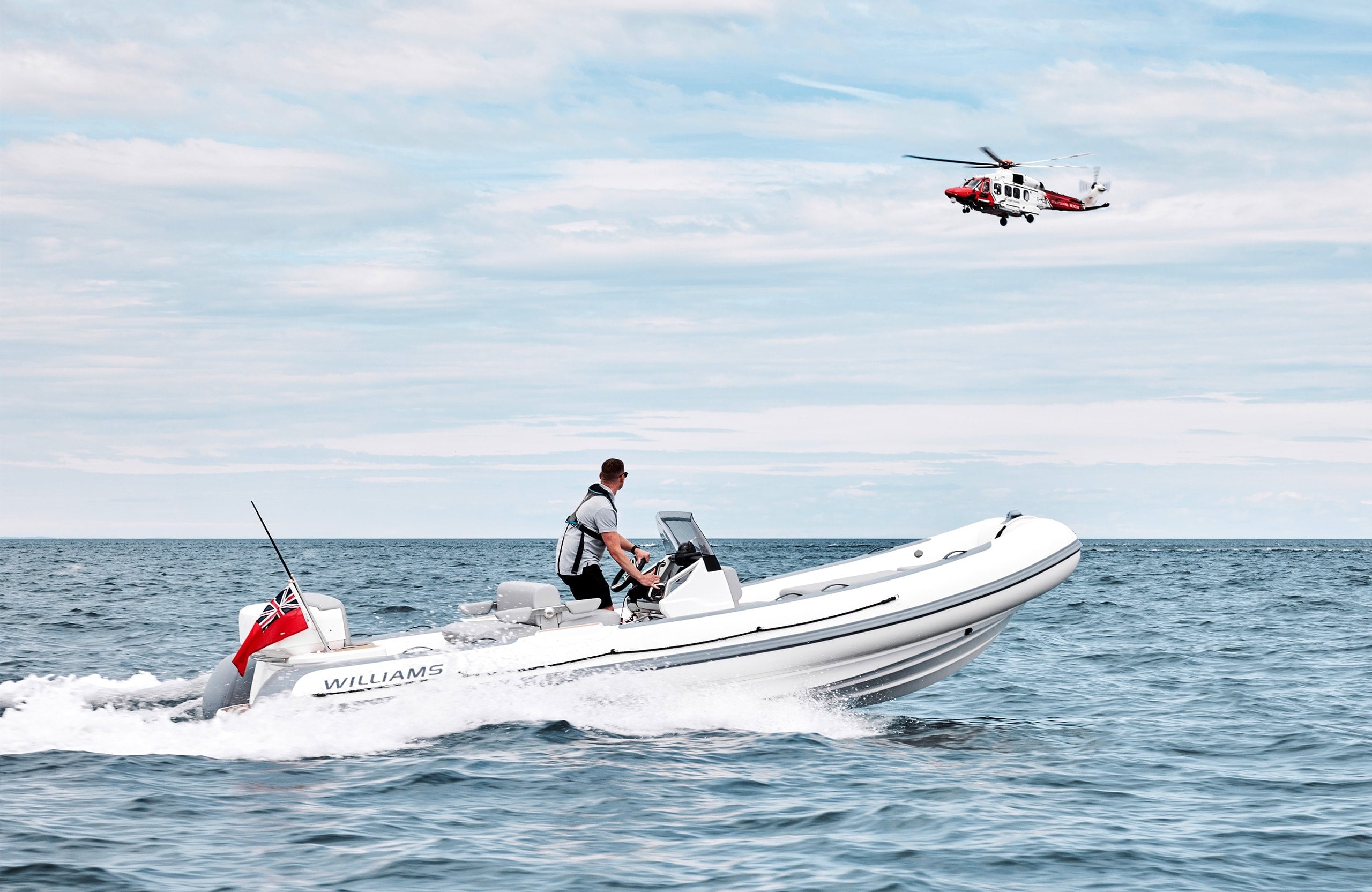
SOLAS variants cover the mandatory rescue boat requirement for commercially registered yachts over 500 GT without abandoning the standard Williams fit and finish: the SOLAS 505, SOLAS 565 and SOLAS 625. The SOLAS tenders overview covers the compliance side in depth.
Williams does not publish superyacht-range list prices, and configuration moves the number materially. As indicative owner's-side bands: TurboJet and SportJet models from roughly 30,000 to 90,000 GBP; DieselJet models roughly 100,000 to 250,000 GBP; EvoJet 70 from roughly 300,000 GBP; SOLAS variants carry a certification premium over the equivalent DieselJet. Every model page on the register carries current guidance, and a live quote takes one enquiry.
Williams wins on garage fit, service network and resale: the boats hold value because every buyer's broker knows them, and parts and engineers are available in every major yachting hub. The trade-offs are the jet drive's fuel economy at cruise and the series-production character of the boats. Programmes that want a dressed guest limousine look at Pascoe or Compass; briefs built around a larger jet platform or beach landing look at Castoldi; owners chasing outright sport character look at the RIB and sport-tender builders on the superyacht tenders overview.
To put any Williams model side by side with an alternative, use the comparison tool, or start an enquiry with your garage envelope and guest count and we will shortlist against the brief.
What we know
Over 2 decades in the segment.
UK build origin keeps refit support in the European time zone.
The yard's own pages. Specifications on the register are cross-checked against them; enquiries and availability come through us.
Documented on the register with full spec, pricing where supplied, and brief-side notes from work we have done.
Read
A SOLAS rescue tender is type-approved life-saving equipment, mandatory on yachts of 500 GT and over in commercial service. This guide explains what the LSA Code requires, which builders hold current type approvals, and how the choice drives garage and davit design.
ReadMost tender purchases go wrong in the brief, not the build. This guide walks the buying process end to end, brief first, garage envelope second, propulsion third, yard shortlist fourth, contract fifth, the way we run it for owners.
ReadThe tender garage is the most expensive box on the yacht to get wrong, once built, stretching it means cutting structure. This guide works backwards from the tender envelope through the seven dimensions that actually decide which boat fits.
ReadThe davit is the part of the tender programme nobody thinks about until it fails. This guide explains the launch-and-recovery options, the SWL and cost that drive them, and why the geometry is locked at yacht-concept stage before the tender is chosen.
Glossary
Talk to us
Send the mothership, the programme, and the role you need filled. A response follows within 48 hours.