A chase boat breaks the simple assumption behind tender cover. A tender lives in a garage, launches within sight of the yacht, and is driven by a deckhand for short runs, so an underwriter can fold it into the mothership's hull and liability cover with a light touch. A chase boat is a fast, independently run day boat that operates away from the yacht, often under tow on passage and out of VHF range when working. That independence is exactly what owners buy it for, and it is exactly what makes it a separate, more closely examined insurance risk.
This guide explains why the risk profile is different, what underwriters actually look at, how hull and liability cover are split, and how premiums relate to value and use. If you are still deciding what you are buying, start at what is a chase boat and the superyacht chase boats overview.
Why a chase boat is a different risk to a tender
The dividing line is independence. A garaged tender is treated as part of the yacht: it is covered when launched from the mothership, used near it, and recovered to the garage. A chase boat is run as its own vessel, frequently registered and coded in its own right, and that changes how it is rated. Specialist marine broker Edmiston notes that a chase boat is often a standalone vessel, operating independently of the mothership, whether following at a distance, deployed in advance, or stored ashore and re-joining at anchor, and that it must be registered, coded and insured according to its actual use rather than its intended use.
Three things drive the higher rating. First, speed: chase boats cruise at 30 to 40 knots and top out far higher, which raises both collision frequency and the severity of any incident. Second, exposure: a boat working miles from the yacht, around swimmers, toys and other craft, accumulates far more liability contact points than a tender on a beach run. Third, separation of control: the mothership's master is not standing over the operation, so the underwriter wants the chase boat to stand on its own credentials.
What underwriters look at
Marine specialists assess a consistent checklist before they will quote or renew. Pantaenius, which insures thousands of superyacht tenders and chase boats, flags crew qualification, insured value, usage restrictions away from the mothership, towing arrangements and liability adequacy as the items they review in detail. In practice the questions break down like this.
- Coding and classification. Is the boat privately used or commercially coded? Independent and charter operation usually pushes it toward small commercial vessel rules, which in turn dictate equipment, survey and crew standards. See chase boat classification and the wider tender classification rules.
- Crew tickets and experience. Underwriters want named, ticketed operators with experience on the relevant size and speed of boat, not "any deckhand." A new skipper is often subject to approval. Crew structure is covered at chase boat crew.
- Speed and driveline. Top speed and the type of propulsion are declared. High top-end speed can attract a navigation warranty or a speed limit in the wording.
- Cruising area. The navigation limits are stated and priced. A boat kept to a Mediterranean coastal envelope is rated differently to one ranging into open or remote water.
- Towing. If the boat is towed on passage, underwriters apply conditions. Pantaenius, for example, sets weather limits, a maximum distance to safe harbour, and equipment such as a professional bridle and tracking. Detail sits at chase boat towing.
- Charter use. Any paid guest carriage must be declared and almost always requires commercial cover.
- Value and condition. Insured hull value and a recent survey underpin the whole rating.
A pre-purchase survey and sea trial feed directly into the value and condition piece, which is why we treat them as part of the insurance conversation rather than separate from it. The process is set out in our survey and trials guide.
Hull cover versus liability cover
Chase boat insurance splits into two distinct sections, and owners get into trouble when they think about one and forget the other.
Hull and machinery cover protects the boat itself: accidental damage, grounding, fire, machinery failure within the all-risks wording, and total loss. It is rated on insured value, so an honest, current valuation matters. Under-insure the hull and you risk an averaged settlement; over-insure and you simply pay for cover you cannot claim. A bespoke 15 metre hull and a semi-production platform carry very different numbers, which is why we tie this back to chase boat cost.
Liability cover, the protection and indemnity side, is where the real exposure on a fast independent boat lives. It responds to third-party injury and death, damage to other vessels and property, and pollution from a fuel spill after an incident. A 40-knot boat working around swimmers, divers and other craft has a liability profile closer to a commercial fast craft than a beach tender, and limits should reflect that. Pantaenius is blunt that owners must ensure there is sufficient liability insurance in place for the tender, because this is where accidents happen. Where guests are carried, expect underwriters to want substantial passenger liability limits.
A data-rich platform such as the
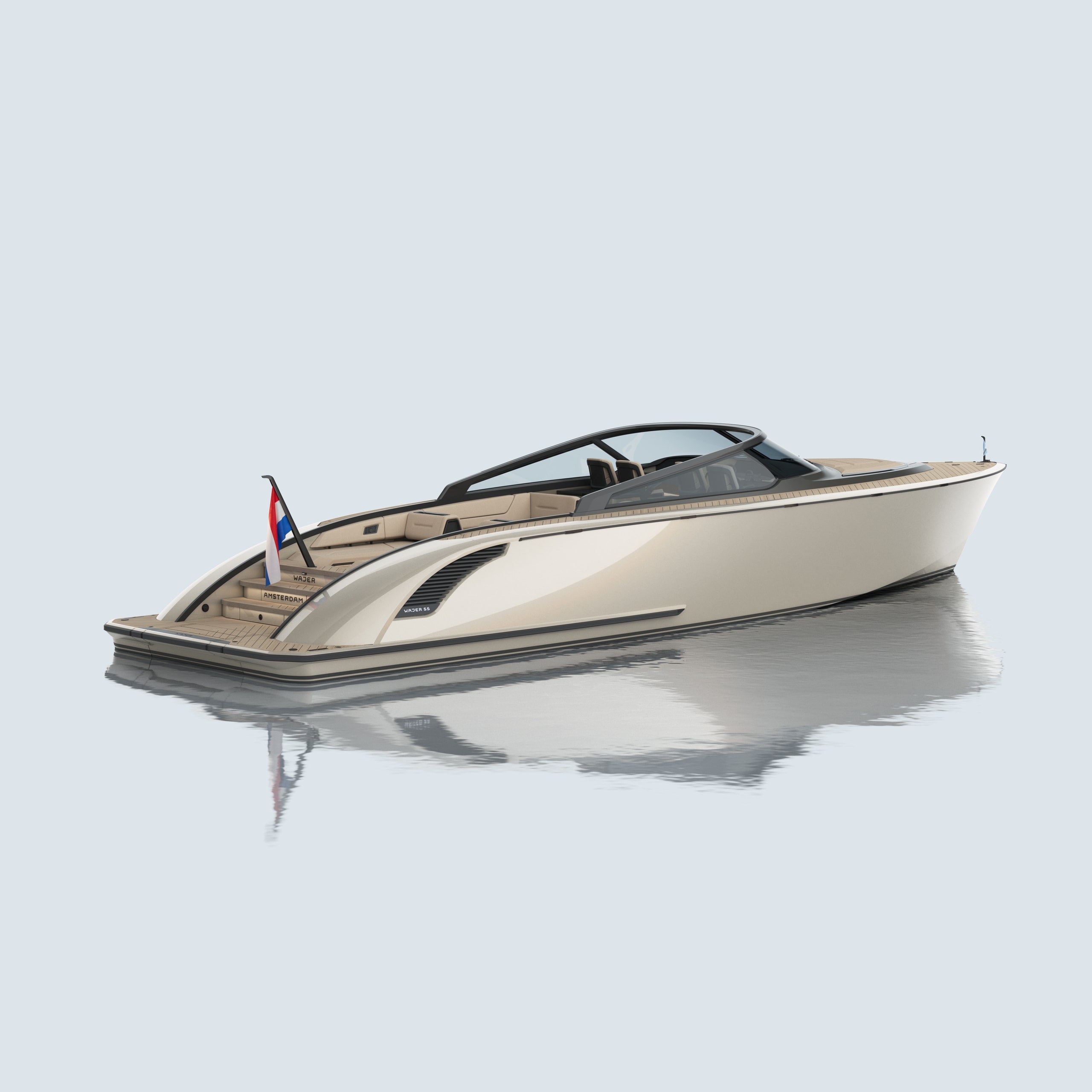 Wajer · On the registerWajer 55LOA16.8mBeam4.65mTop Speed38knPrices on requestView on Superyacht Tenders →
sits squarely in this band: enough value to make hull cover material, and enough speed and seating to make the liability section the part you should not trim.
Wajer · On the registerWajer 55LOA16.8mBeam4.65mTop Speed38knPrices on requestView on Superyacht Tenders →
sits squarely in this band: enough value to make hull cover material, and enough speed and seating to make the liability section the part you should not trim.
The charter angle changes everything
The single biggest underwriting shift is paid use. A chase boat that carries paying guests, particularly while operating away from the mothership, is treated as a commercial passenger operation rather than a private toy. That brings commercial coding, stricter crew tickets, defined passenger limits, and materially higher liability requirements. Running charter trips on a private policy is the classic way to find a claim declined, because the use was never declared. If the boat earns its keep on the broker market, insure it for what it actually does. The commercial picture is set out at chase boat charter.
How premiums relate to value and use
There is no single rate, and any specific figure here would be invented, so think in terms of drivers rather than numbers.
The hull premium is anchored to insured value, then loaded for the risk factors above. As a qualitative frame, a fast, independently run chase boat typically sits at a higher percentage of its value than a slow tender of the same price, because both the frequency and the severity of losses are higher. Charter use, wide navigation limits, high top speed, and a thin or unticketed crew all push the rate up. Tight cruising limits, an experienced named skipper, a clean survey, sensible towing protocols, and a realistic valuation pull it down. The liability premium scales with the limit you carry and the use you declare, and on a guest-carrying boat it can rival the hull line.
This is why insurance belongs in the buying decision, not after it. The same hull is cheap or expensive to run depending on how it is coded, crewed and used, which is why we fold cover into buying a chase boat and the longer-term refit view.
What we tell clients
Insure the chase boat as the vessel it is, not the toy you wish it were. The owners who renew without friction are the ones who declared the real use from the start: independent operation, named ticketed crew, honest cruising limits, proper towing kit, and a liability limit that matches a fast boat working around people. Get a current valuation, code the boat for what it does, and treat the liability section as the headline rather than the afterthought. Do that and the premium becomes predictable. Hide the use and you are buying a policy that will not respond on the day you need it.