Buying a chase boat is closer to ordering a sport boat than commissioning a tender. There is no garage cavity dictating the dimensions, so every decision flows from the job the boat has to do for the mothership and the programme. Get the brief right and the rest of the process is mechanical. Get it wrong and you end up with a fast hull that does not fit the berth, the season, or the budget. This is the roadmap we walk clients through, in order.
The buyer roadmap at a glance
- Write the brief. Define the operating profile from the mothership and the season, not from a brochure.
- Decide new, used, or semi-custom. Match the build route to how fast you need the boat and how specific the spec is.
- Shortlist builders or listings. Narrow to two or three hulls that genuinely fit the brief.
- Sea trial and survey. Test the boat in the water and inspect it independently before money moves.
- Contract, delivery, and coding. Lock the terms, take delivery, and get the boat legally fit to operate.
Each step is a gate. Do not move to the next one until the current one closes cleanly.
Step 1: define the brief from the mothership
The brief is the single most important document in the process, and it comes from the mothership and the programme rather than from what looks good on a stand. Start with the questions that set the hull. How is the boat berthed, alongside or towed under a bridle? What is the longest coastal transit it has to make on its own keel? What is the cruise speed the day plan demands, and how many guests or crew does it carry at that speed? Does it run sport-fishing, dive support, water-sports, or pure transfers?
Those answers fix range, propulsion, accommodation, and deck layout before you look at a single boat. They also fix the size band. Most modern chase boats sit in the 12 to 18 metre sweet spot, large enough for a real galley and seating, small enough to dock in a normal Mediterranean marina without a permit. If you have not yet settled the category itself, read what is a chase boat before going further, because a brief that drifts toward containerised toys or a helicopter is a support vessel, not a chase boat.
Step 2: new, used, or semi-custom
There are three routes to a chase boat and they trade speed of delivery against control of the spec.
- Used, through brokerage. The fastest route. A stock or lightly modified hull can be yours in four to eight weeks once survey and sea trial clear. Used chase boats trade at roughly 50 to 70 per cent of new at five years, a softer depreciation curve than tenders of the same age. Start at the pre-owned chase boat listings.
- Semi-custom. A production platform from a specialist with a configurable layout and driveline. Delivery typically runs six to fourteen months. This is the best fit when the brief is specific but not exotic, and the new-build chase boat options are the place to compare.
- Fully bespoke. A clean-sheet build from a top yard, fourteen to thirty months from contract to delivery. Reserved for programmes where classification, accommodation, or hull form have to be exact and nothing on the market comes close.
As the boat buying guides put it, new build makes sense when you need specific configurations, the latest safety equipment, and warranty cover for commercial operation (YachtBuyer). Most owners we advise look at brokerage first and only commission a build when the market genuinely has nothing that fits.
Step 3: choosing a builder
The new-build segment is dominated by a small group of specialists, so the builder shortlist is short by nature. Wajer, Pascoe International, Hodgdon, Vikal, and Windy account for most of the bespoke orders we track, with semi-production names like Axopar, Protector, Cobra Navis, and Vandal a tier below on price and finish but quicker to deliver. The full review sits at chase boat builders, and the wider yard directory is at builders.
Judge a builder against your brief, not their reputation. Three hulls worth shortlisting against a typical Mediterranean day-boat brief:
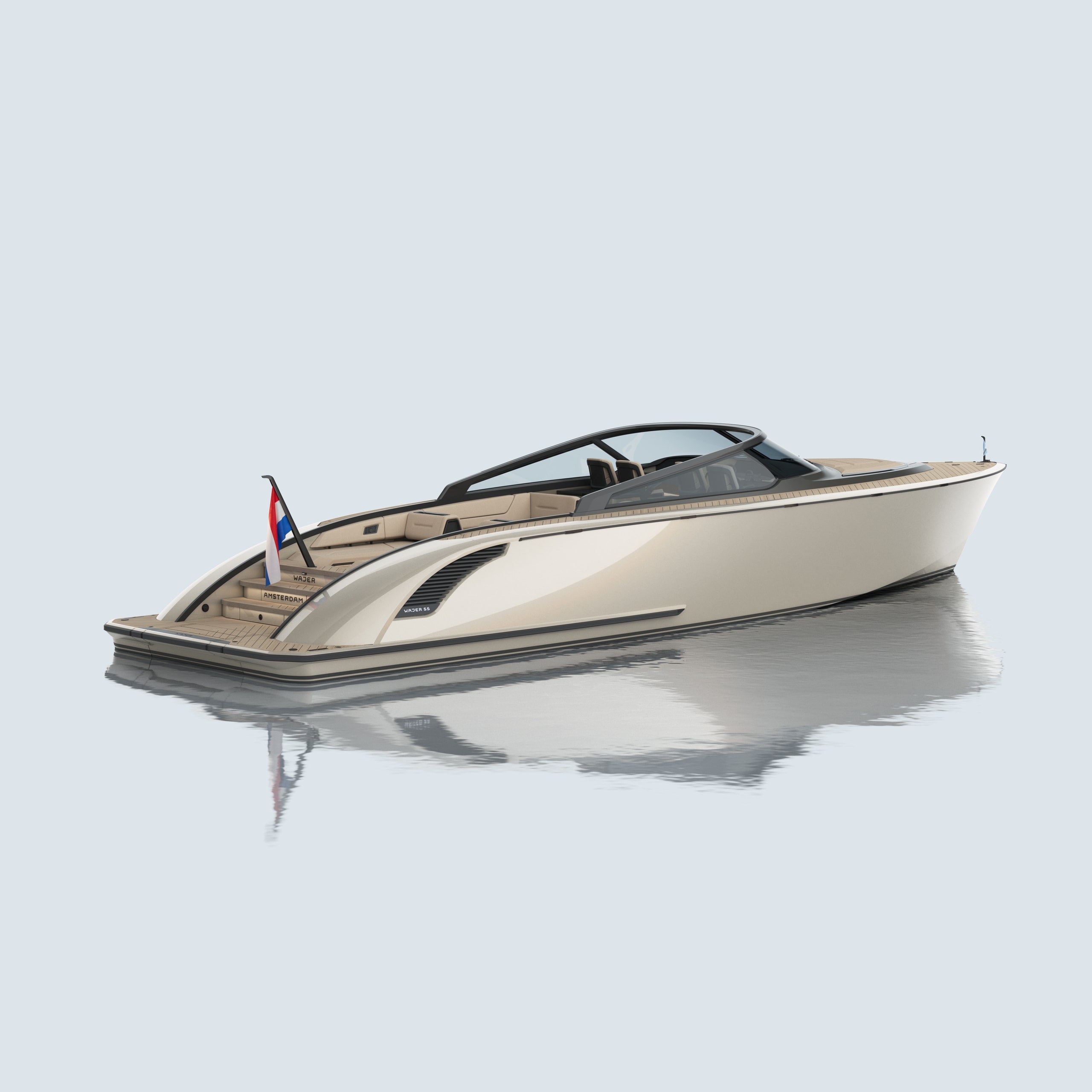 Wajer · On the registerWajer 55LOA16.8mBeam4.65mTop Speed38knPrices on requestView on Superyacht Tenders →
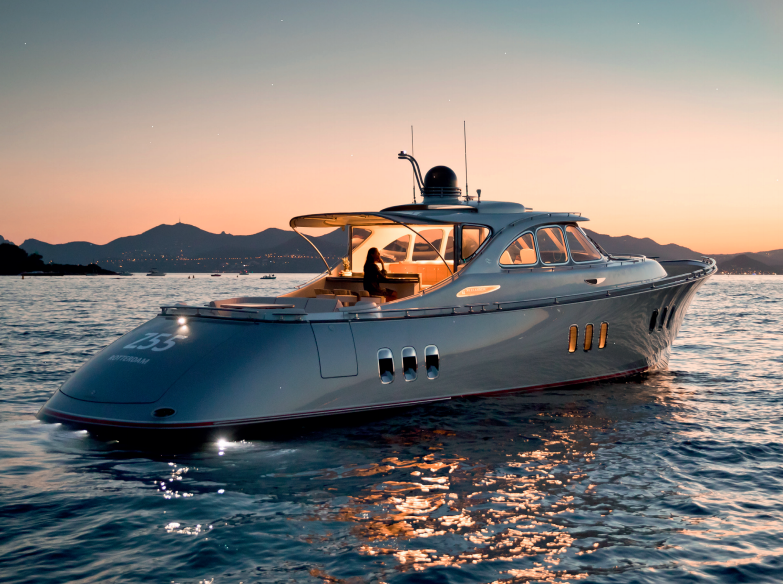 Zeelander · On the registerZeelander Z55LOA17.0mBeam5.00mTop Speed32knPrices on requestView on Superyacht Tenders →
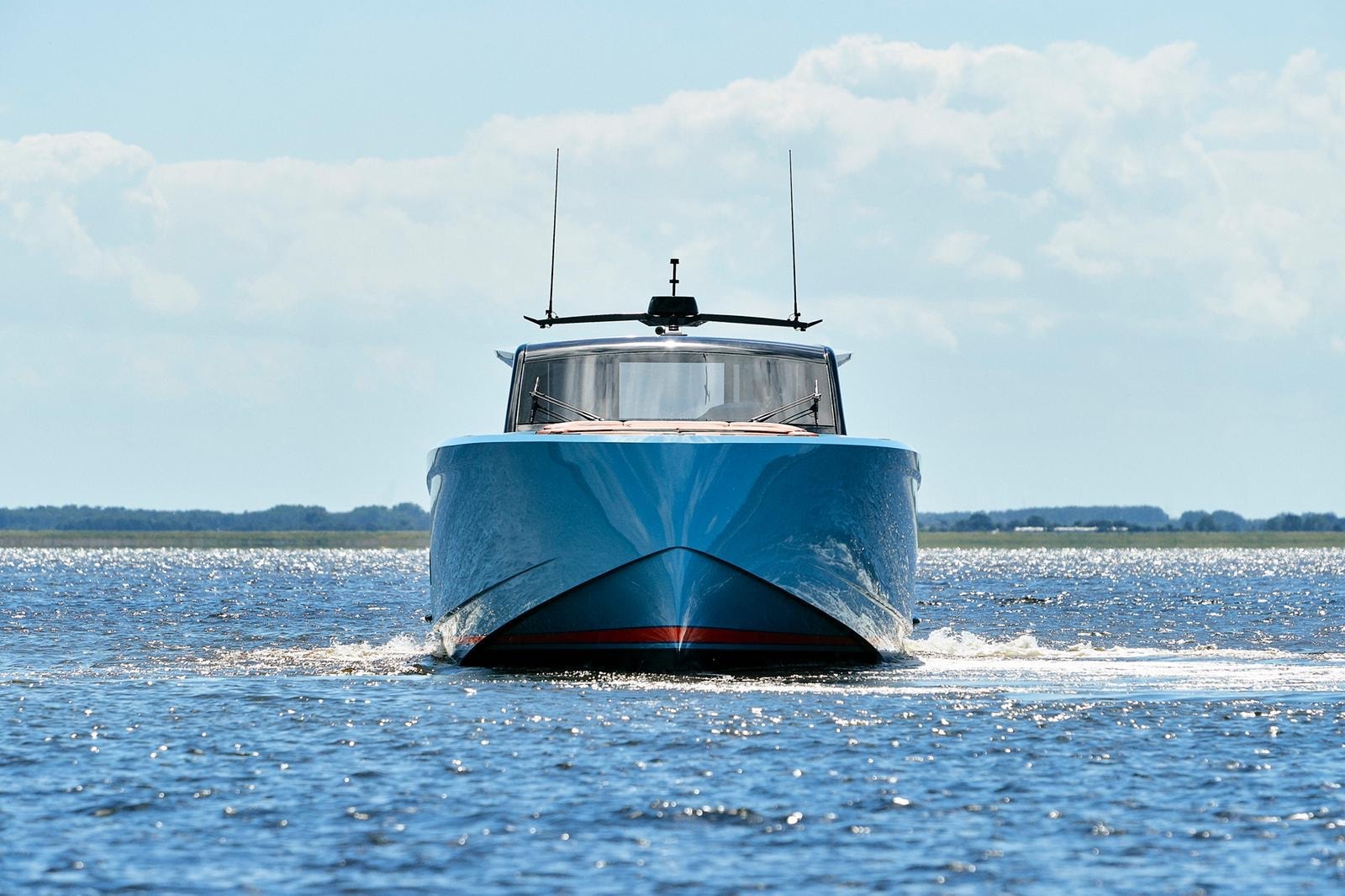 Vanquish · On the registerVanquish VQ58LOA17.3mBeam5.05mTop Speed45knPrices on requestView on Superyacht Tenders →
When you compare yards, ask for build slot availability, a sample specification, and the classification path they will deliver against. A yard that cannot tell you how the boat will be coded is a yard that will hand you that problem at delivery.
Step 4: sea trial and survey
Never buy a chase boat unseen and never skip the in-water test. A sea trial is the test drive: it is where you check speed against the brief, handling at cruise and at displacement, vibration, noise, and every system that can only be judged afloat. Run it loaded to a realistic guest weight, not empty.
Alongside the trial, commission an independent condition survey from an accredited marine surveyor, paid for by you, the buyer. The survey covers hull, driveline, electrics, and structure, and on a chase boat it must also confirm the classification and coding history is complete and transferable. Your offer should be conditional on a satisfactory survey and sea trial so you can renegotiate or walk away. On a used hull, confirm the title is clear of liens before any deposit moves.
Step 5: contract, delivery, and coding
With the survey clear, the contract locks price, scope, delivery date, and the warranty position, which for a used boat is usually "as is" except as to title. Budget alongside the purchase for delivery logistics and the first year of insurance, and read chase boat cost so the running numbers do not surprise you.
The step owners most often underestimate is coding. A chase boat used for any commercial or charter activity has to be coded, and the UK MCA's MGN 280 is the benchmark many flag states, including the Bahamas and Antigua, adopt for chase boats. Operating a non-compliant boat commercially exposes the master and the owner to large fines and, in some cases, detention (Edmiston). A coding certificate runs five years. Confirm the boat is coded for its intended operation, or that there is a clear path to coding it, before you take delivery, not after.
What we tell clients
Spend your time on the brief and the survey, because those are the two gates where money is genuinely saved or lost. The brief stops you buying the wrong boat fast; the survey stops you buying the right boat at the wrong price. Everything between them, the builder shortlist, the trial, the contract, is process you can run calmly once those two are solid.
If you are still weighing a chase boat against a larger tender, start at the superyacht chase boats overview and read across the comparison spokes, then check live stock through brokerage. And if you want the boats themselves ranked by use case, our best chase boats guide is the shortest route to a shortlist that already fits a real brief.