A chase boat is rarely covered by the mothership's certificate. That single fact drives most of the classification, coding and registration decisions you will make when you specify one. A tender that lives in the garage is treated as part of the yacht's inventory and rides under her paperwork inside narrow limits. A chase boat runs independently, often faster, further and for revenue, so it is almost always certified as a vessel in its own right. This guide explains why, which regimes apply, and how the picture differs from a tender. It is written for owners and captains specifying a boat, so treat it as orientation rather than the certificate itself.
Why a tender rides under the mothership and a chase boat does not
The yacht-carried tender concession is deliberately narrow. Under the REG Yacht Code and its predecessor the Large Yacht Code, a tender carried on board can operate under the parent yacht's certificate only when it stays inside a tight envelope: typically 12 passengers or fewer, in sheltered waters and favourable weather, by day, at safe speeds, and in no case more than 20 knots and within 3 miles of land. Historically such tenders were never even registered separately. They were marked "T/T" (tender to) followed by the mothership's name and listed as inventory.
A chase boat breaks every line of that envelope. It cruises at 30 to 40 knots, ranges 400 to 850 nautical miles, runs at night, and operates well beyond 3 miles of the parent yacht. Once a small craft works outside the concession, it can no longer shelter under the mothership certificate and must be certified independently. That is the core difference, and it cascades into flag, survey, crew and insurance. We set out the wider contrast at chase boat vs tender, and the tender side of the rule book at tender classification rules.
The coding regimes that apply
Independent small craft under 24 metres in commercial use are certified under a small commercial vessel code rather than a full ship classification. For a British-flagged chase boat the two regimes you will meet most often are:
- The MCA Workboat Code. Edition 3 came into force on 13 December 2023 and provides a single framework for commercial workboats and pilot boats under 24 metres. It suits a chase boat run as a working platform: crew transfers, support tasks, dive and tender operations.
- The Small Commercial Vessel codes of practice (MGN 280). These cover small craft in commercial use for sport or pleasure, and apply to charter-style operation where guests are carried. The vessel is surveyed, allocated a stability category, and certified for an area of operation graded from category 0 (unrestricted) to category 6 (within 3 miles of a nominated departure point in fair weather).
Both regimes require a survey by a certifying authority appointed by the flag administration, the right equipment and stability standard for the intended area, and renewal on a five-year cycle. The choice between them follows the use case, not the hull, which is why we always pin down the operating profile before specifying anything else.
Private pleasure versus commercial and charter use
The decisive question is not how big the boat is. It is what it does and who pays. A boat used purely for the owner's own pleasure, carrying no fare-paying guests, can in principle remain a private pleasure vessel. The moment it carries people who pay more than a fair contribution toward the trip, or earns revenue in any form, it is no longer a pleasure vessel and the commercial regime bites.
This matters because so many chase boats end up on a charter programme. If the brief is two parallel programmes, guests on the mothership and principal on the chase boat, or the boat is offered to brokers in the off weeks, it is in commercial use and needs full commercial coding. That brings the stability assessment, the survey, the safety equipment schedule and a commercially endorsed skipper. We deal with the revenue side at chase boat charter, and the cover implications at chase boat insurance. The practical rule we give clients: assume commercial coding unless you are certain the boat will never carry a paying guest.
Flag and registration
A chase boat needs its own registration, not the mothership's. Once a boat operates away from the parent yacht it must be able to show proof of registration in its own right, and running without it is contrary to international maritime convention. Separate registration also gives the boat its own radio licence, call sign and MMSI, which a coastal vessel running independent passages genuinely needs.
Flag choice follows the same logic as the mothership but is decided separately. Some owners register the chase boat under the same flag for administrative tidiness; others choose a flag whose small commercial vessel regime best fits the intended area and crew. Jurisdiction also forces the issue. The United States, for example, does not let a documented yacht's paperwork cover its tender or chase boat. Those craft fall under the state motorboat numbering laws where they are principally used. If your programme touches US waters, plan the chase boat's registration as a standalone exercise from the start.
Crew certification implications
Independent coding raises the bar on who can drive. A tender working inside the mothership concession in sheltered water by day can be run on an RYA Powerboat Level 2 or equivalent, with RYA Powerboat Advanced for night work. A commercially coded chase boat operating offshore needs commercially endorsed certificates appropriate to the area and tonnage, and on a charter programme the skipper's endorsement is mandatory rather than nice to have.
That is why a chase boat almost always carries dedicated crew rather than being run by a spare deckhand. The watch system, the certificates and the operating procedures all flow from the coding category the boat holds. We cover the manning structure in full at chase boat crew. For comparison, a true support vessel is commercial-coded as a vessel in its own right too, but under the large yacht regime rather than a small commercial code; the trade between the two sits at support vessels.
How this shapes the buy
Classification is not a box ticked after delivery. It shapes the specification. A boat destined for commercial charter in category 0 or 1 needs the stability, freeboard, equipment and build standard designed in from the drawing board, which is one reason the bespoke yards build to a recognised code as standard. A semi-production hull bought for private use can sometimes stay simpler, but retro-coding a boat that was never built to the standard is slow and expensive. Decide the regime before you sign, and let it drive the rest of the specification.
In the field we see this play out clearly. The bespoke 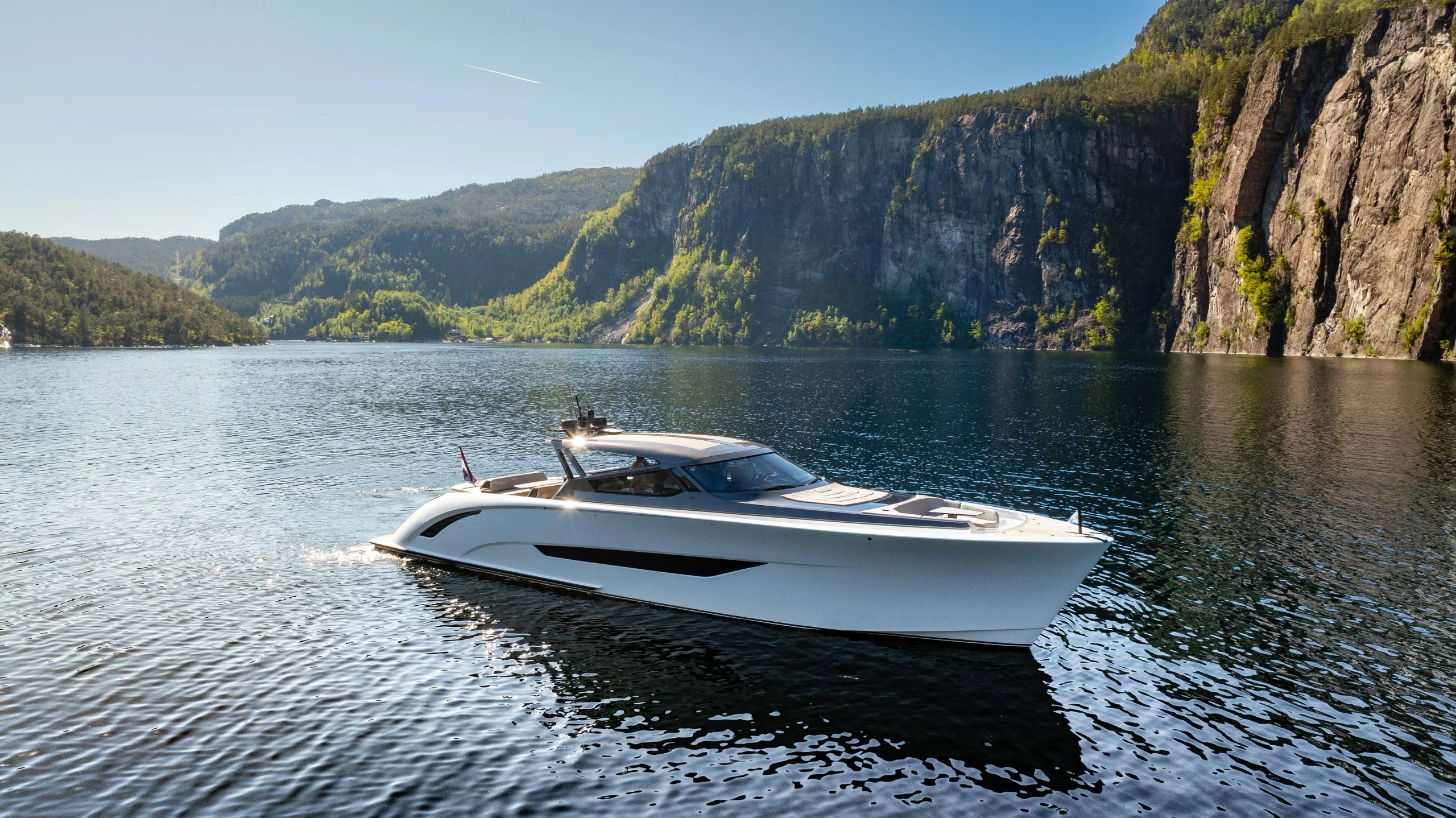 Wajer · On the registerWajer 77LOA23.4mBeam5.80mTop Speed37knPrices on requestView on Superyacht Tenders → is routinely specified to a commercial code from the order stage so it can flex between private and charter use, whereas a smaller production day boat such as the
 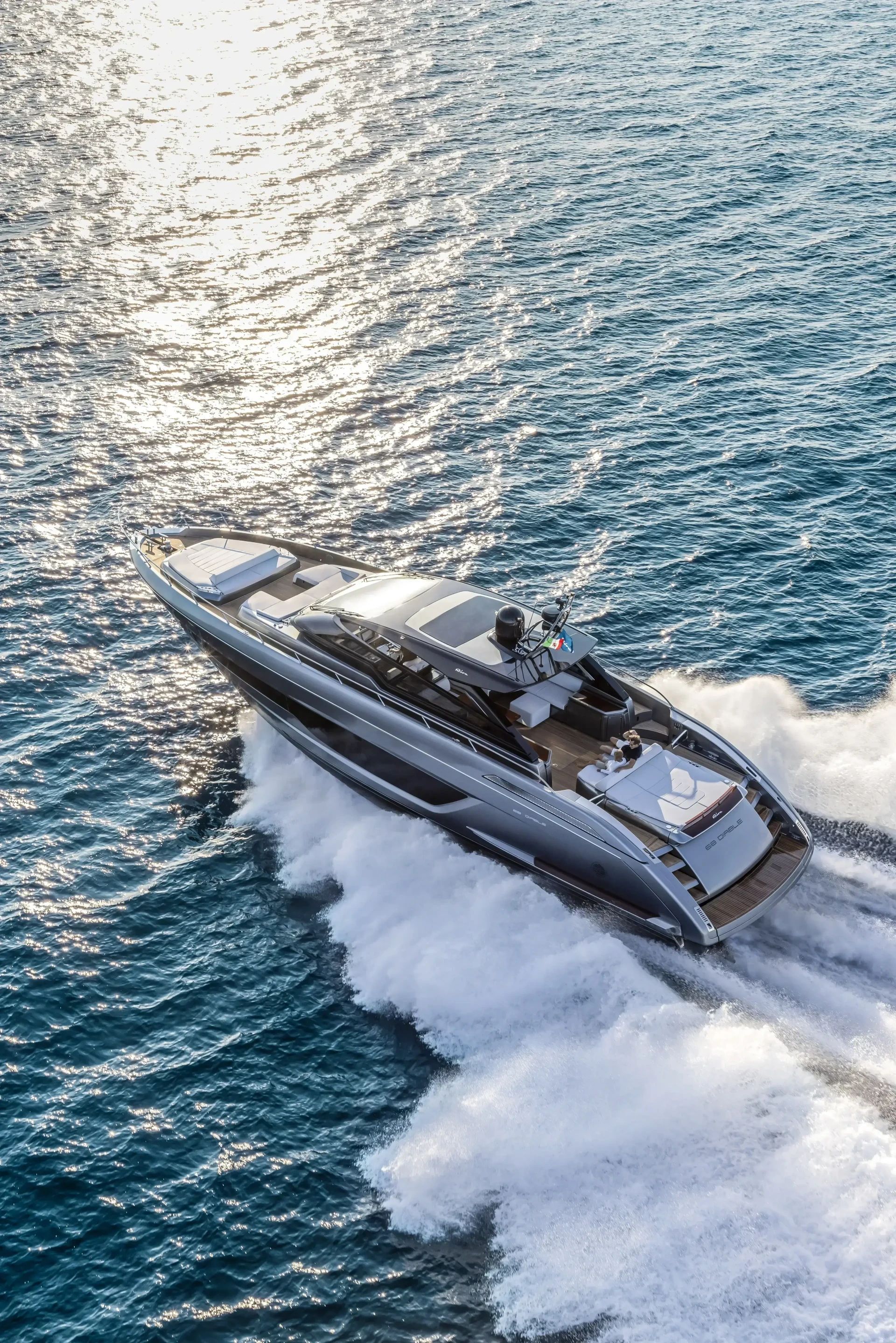 Riva · On the registerRiva 68 DiableLOA20.7mBeam5.29mTop Speed37knPrices on requestView on Superyacht Tenders → is more often kept private and coded only if a charter plan emerges.
What we tell clients
Three things, every time. First, do not assume the mothership certificate covers the chase boat; it almost never does, because the boat works outside the tender concession. Second, decide private or commercial before you specify, because charter intent changes the build, the survey, the crew and the insurance, not just the paperwork. Third, treat flag and registration as a separate project from the mothership, especially if the cruising plan touches US waters. Get those three right and the rest of the chase boat programme falls into place. If you want the regime decided properly against your itinerary and charter plans, that is the first conversation we have.