A chase boat earns its keep by being driven hard. It runs more hours, at higher loads, in worse sea states than the private tender it sits alongside, and that duty cycle is exactly what makes the refit-or-replace question arrive sooner than owners expect. The good news is that a well-built chase boat is usually worth saving long before the brokerage market thinks it is. The job is knowing which parts to renew, in what order, and when to stop.
Refit vs replace: the decision framework
Start with the hull, because everything else follows from it. If the structure is sound, the boat is almost always a refit candidate. Hulls outlast every system bolted to them, and replacing a tired engine, a dated electronics suite, or perished tubes is routine work on a good platform. The question is never "is this boat old" but "is this hull worth the systems we are about to hang on it."
We use three tests with clients. First, the fifty per cent rule: if the realistic refit bill approaches half the price of a comparable used hull, replacement is back on the table. Second, the fit test: a boat that no longer matches the programme, too small for the charter group, too slow for the new owner, wrong layout for sport-fishing, is not a refit problem, it is a specification problem, and you cannot refit your way out of it. Third, the structure test: stringers, transom, and laminate. Soft structure or a fatigued hull is the one fault that justifies walking away.
If the hull passes all three, refit. This mirrors the framework we set out for displacement craft in the tender refit guide and the broader when to replace a tender discussion, and the logic holds across the tenders category too.
Why the duty cycle accelerates everything
A garaged tender might log 100 to 150 hours a season on short beach runs. A working chase boat can log three to five times that, often at sustained cruise rather than idle, with the engines under real load for hours at a stretch. That changes the maths on every wear item.
- Drivelines see more thermal cycling, more high-rpm running, and more hours between the same calendar service intervals. Hours, not years, drive the propulsion decision.
- Tubes on a RIB hull take constant fendering loads, UV, and abrasion from coming alongside the mothership in a swell.
- Electronics are run hard and exposed, and the soft failure is obsolescence rather than breakage.
- Paint and gelcoat absorb dock rash, fender marks, and salt that a pampered tender never sees.
None of this is a fault. It is the boat doing its job. But it means a chase boat at five years can need what a private tender needs at ten. Staying ahead of it is the whole point of a disciplined maintenance programme.
Typical refit scope
A full chase boat refit breaks into five blocks. Most boats need two or three of them, not all five at once.
Repower. The single biggest line item, and often the trigger for the whole project. A rebuild can look cheap, but it leaves you with old peripherals and dated technology. As one repower analysis puts it, a complete rebuild of an older diesel often lands within $1,000 to $2,000 of the price of a new engine, which makes a clean repower the smarter buy once an engine is past 15 to 20 years or has a cracked block or heavy corrosion. New engines also run materially more fuel-efficient, which matters on a boat that burns its fuel at the strip. A tender repower follows the same reasoning.
Electronics. Marine electronics typically last seven to ten years before technological obsolescence makes an upgrade worthwhile, well ahead of outright failure. Plan a phased upgrade around a current multifunction display and an NMEA 2000 backbone so the next round of components drops in without rewiring the boat.
Paint and gelcoat. Below the rubbing strake, gelcoat repair and a machine polish often restore a tired hull. Above it, most high-value boats move to a sprayed two-pack topcoat for gloss retention and UV resistance. Preparation, the fairing and sanding, is the bulk of the cost, not the coating.
Interior. Helm seating, upholstery, sole, and trim take heavy guest and crew use. This is the cheapest block to transform how the boat shows.
Tubes. On a RIB hull, retubing is its own decision. A well-maintained Hypalon (CSM) tube can run 15 to 25 years against roughly 10 for PVC, so spec Hypalon at retube and the tubes will likely outlast the next engine. A boat such as the 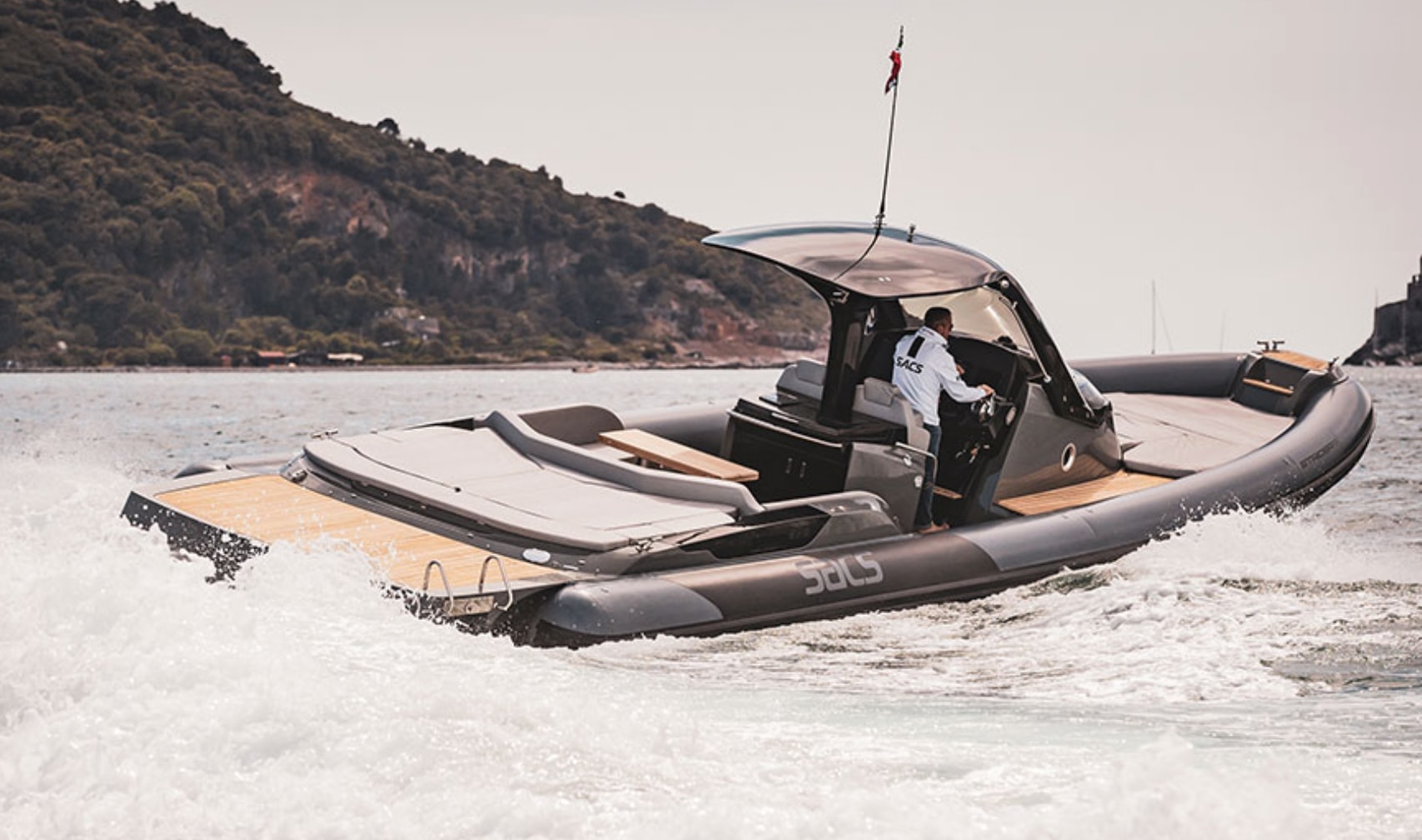 SACS · On the registerSACS Strider 13LOA13.3mBeam11.98mTop Speed46knPrices on requestView on Superyacht Tenders → built around a RIB hull is a clear retube candidate where a moulded hull is not.
A refit scope checklist
Before committing, work through this with your yard and surveyor:
- Survey the structure first. Hull, stringers, transom, and laminate dictate go or no-go.
- Pull engine hours and service history, then decide rebuild vs repower on hours and condition, not calendar age alone.
- Audit the electronics suite for firmware support and NMEA 2000 compatibility, not just whether the screens still light up.
- Inspect tubes for adhesion, seam integrity, and UV chalking on a RIB hull.
- Assess paint and gelcoat above and below the waterline separately.
- Price the interior refresh last, because it is the easiest block to scale up or down to suit the budget.
A semi-custom platform like the 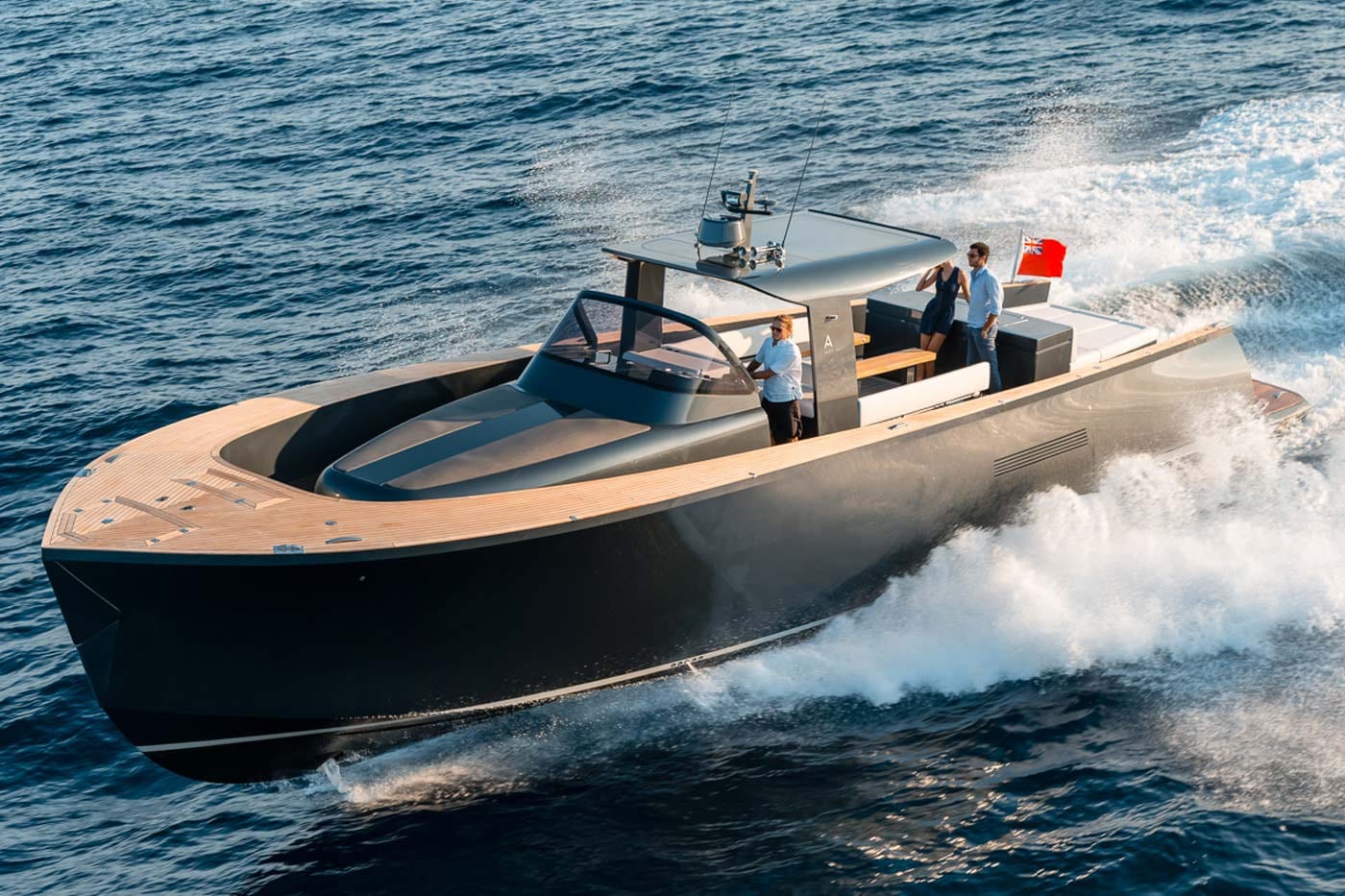 Alen · On the registerAlen 55LOA16.8mBeam4.80mTop Speed35knPrices on requestView on Superyacht Tenders → is a good example of a hull worth a full refit, because the structure and finish reward the investment.
Timing the refit against resale
A refit and a sale should be planned together, not as separate events years apart. Upgrades depreciate. A repower, new electronics, and fresh paint read as genuine value to a buyer in the first season or two after the work, and as ordinary deferred maintenance you happened to carry out a few years later.
So if a sale is on the horizon, do the high-visibility work, paint, tubes, interior, and electronics, close to the listing date. If you intend to keep the boat for several more seasons, sequence the work around its own needs and accept that you will recover only part of the spend at resale. You rarely make money on a refit. You make the boat sell, and sell faster, which is a different and usually more honest goal. The numbers behind that trade sit in our chase boat cost breakdown, and the same instinct should inform anyone buying a chase boat at the older end of the market, where a recent, documented refit is worth far more than a low-hours claim with no paperwork. If you are still deciding which platform deserves the money, the chase boat builders review shows which hulls hold their structure best.
What we tell clients
Refit the hull you trust and replace the one you do not. That is the whole decision in a sentence. A chase boat is built to be worked, so a repower or retube at an age that would seem early for a garaged tender is the duty cycle, not a defect. Survey the structure first, decide the driveline on hours rather than years, phase the electronics around a modern backbone, and save the paint and interior for last because they flex to the budget. Above all, plan the refit and the eventual sale as one project. The owners who treat the two as connected are the ones who get their money back, or most of it. If you want help scoping a specific hull, start from the superyacht chase boats overview and read across to what a chase boat is for the category context.