 3-6 months
Windy · New build
SR26
7.9m
Length
40kt
Top Speed
9
People
Prices on request
A superyacht tender costs anywhere from roughly 80,000 EUR for a production RIB to several million for a fully custom limousine. This guide sets out the price bands by type and the inputs that actually move the headline.
For sale now
Showing the latest 6 of 43 boats
New build, to order · priced within one working day
3-6 months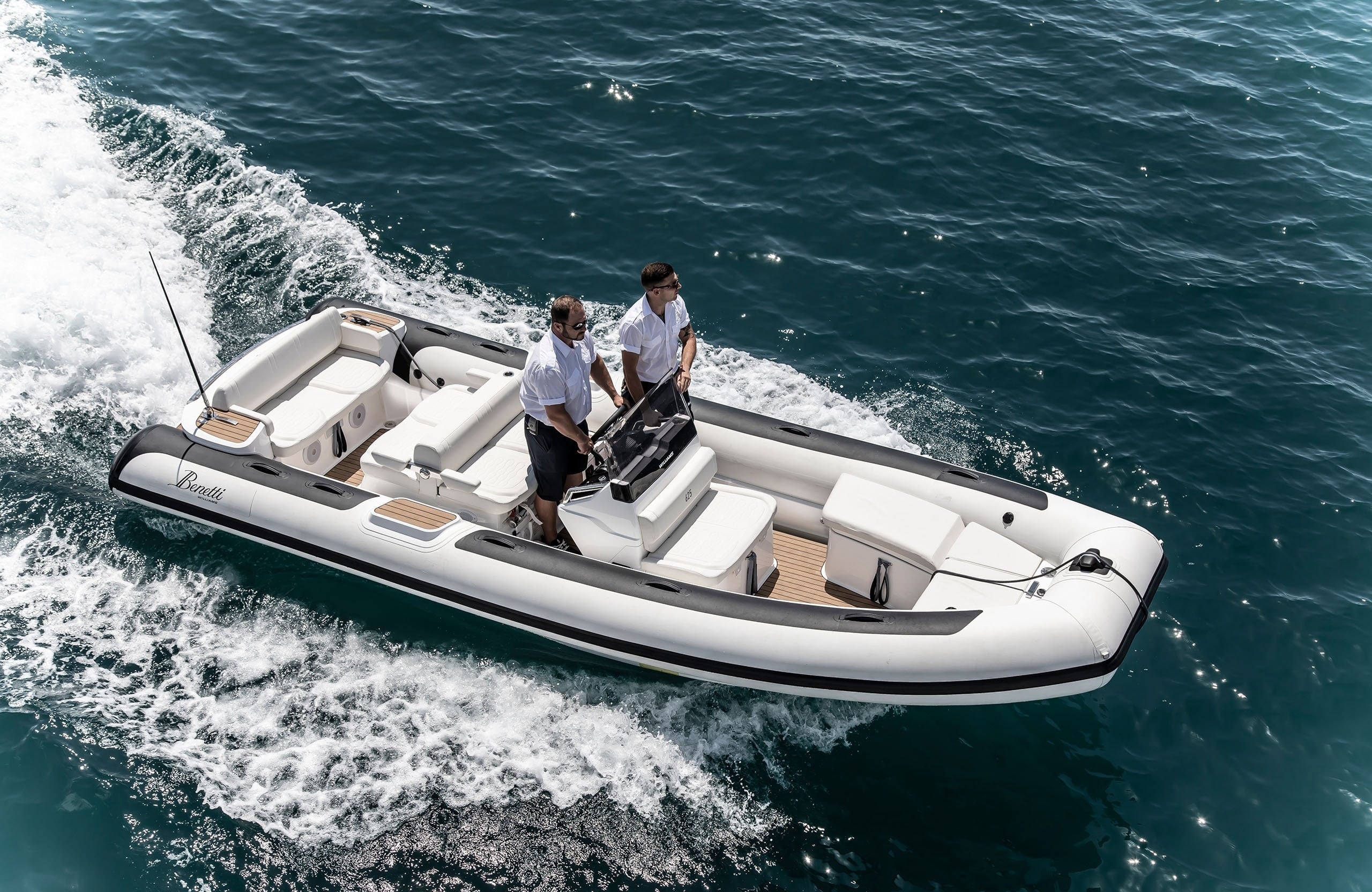
A superyacht tender costs anywhere from roughly 80,000 EUR for a production RIB to several million for a fully custom limousine. The number is decided by four things: length, whether the boat is production, semi-custom or fully custom, the propulsion, and how much of the specification the yard quotes up front versus adds later. This guide works through the bands by type and then the total landed cost, which is the figure that actually leaves your account.
Treat every figure here as an indicative working band, not a quote. No serious tender yard publishes a list price for a custom boat, and the same length can vary by a factor of three depending on build standard and fit-out.
| Type | Typical size | Indicative band |
|---|---|---|
| Production RIB or sport tender | 5 to 9 m | 80,000 to 400,000 EUR |
| Limousine tender, semi-custom | 8 to 11 m | 700,000 to 2.2 million EUR |
| Limousine tender, full custom | 11 m and up | 2.2 to 4 million EUR plus |
| Fully custom tender | Any | From 1.5 million EUR |
| Chase boat | 10 to 16 m | 600,000 to 3 million EUR |
| Beach lander | Typically 10 to 12 m | 250,000 to 900,000 EUR |
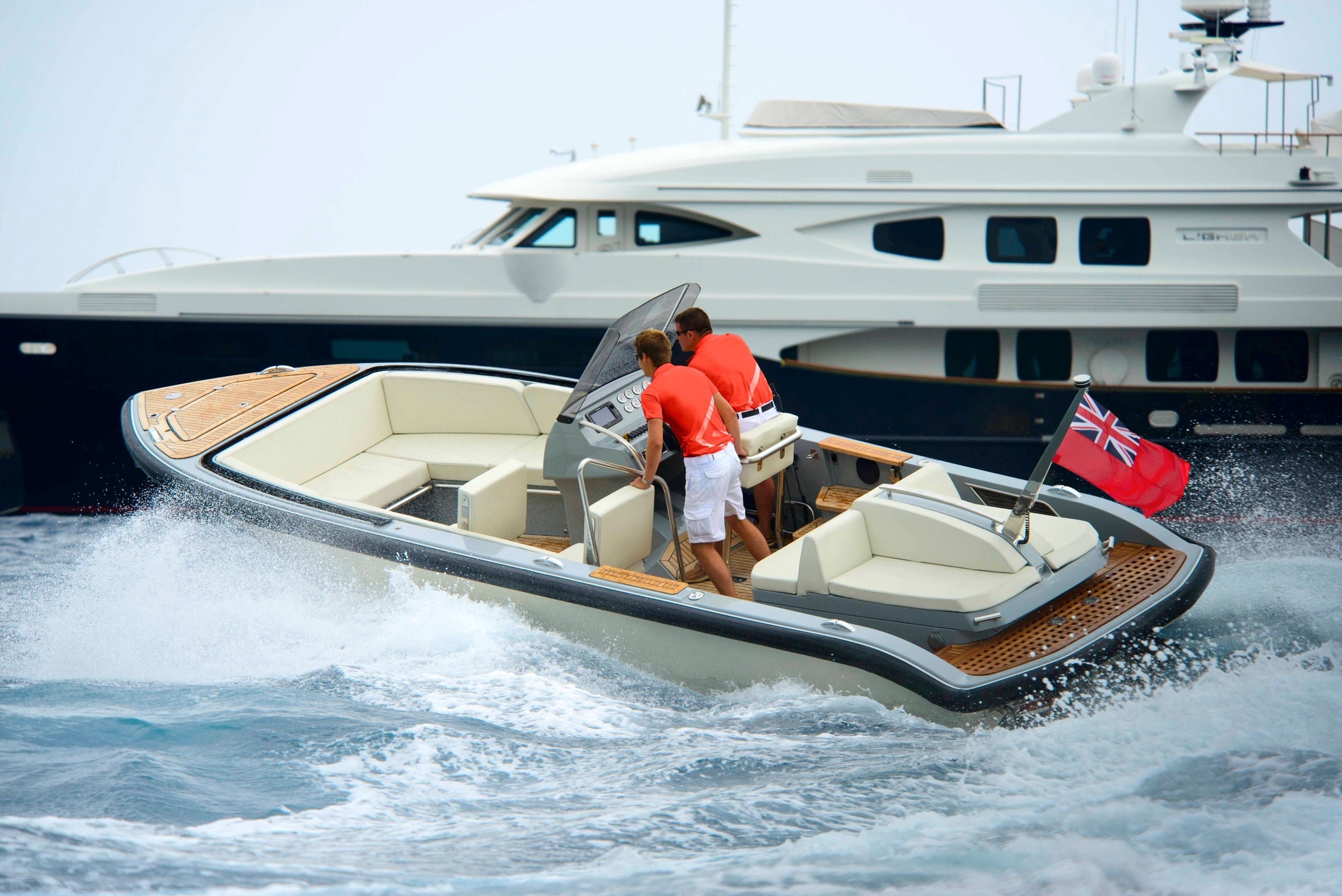
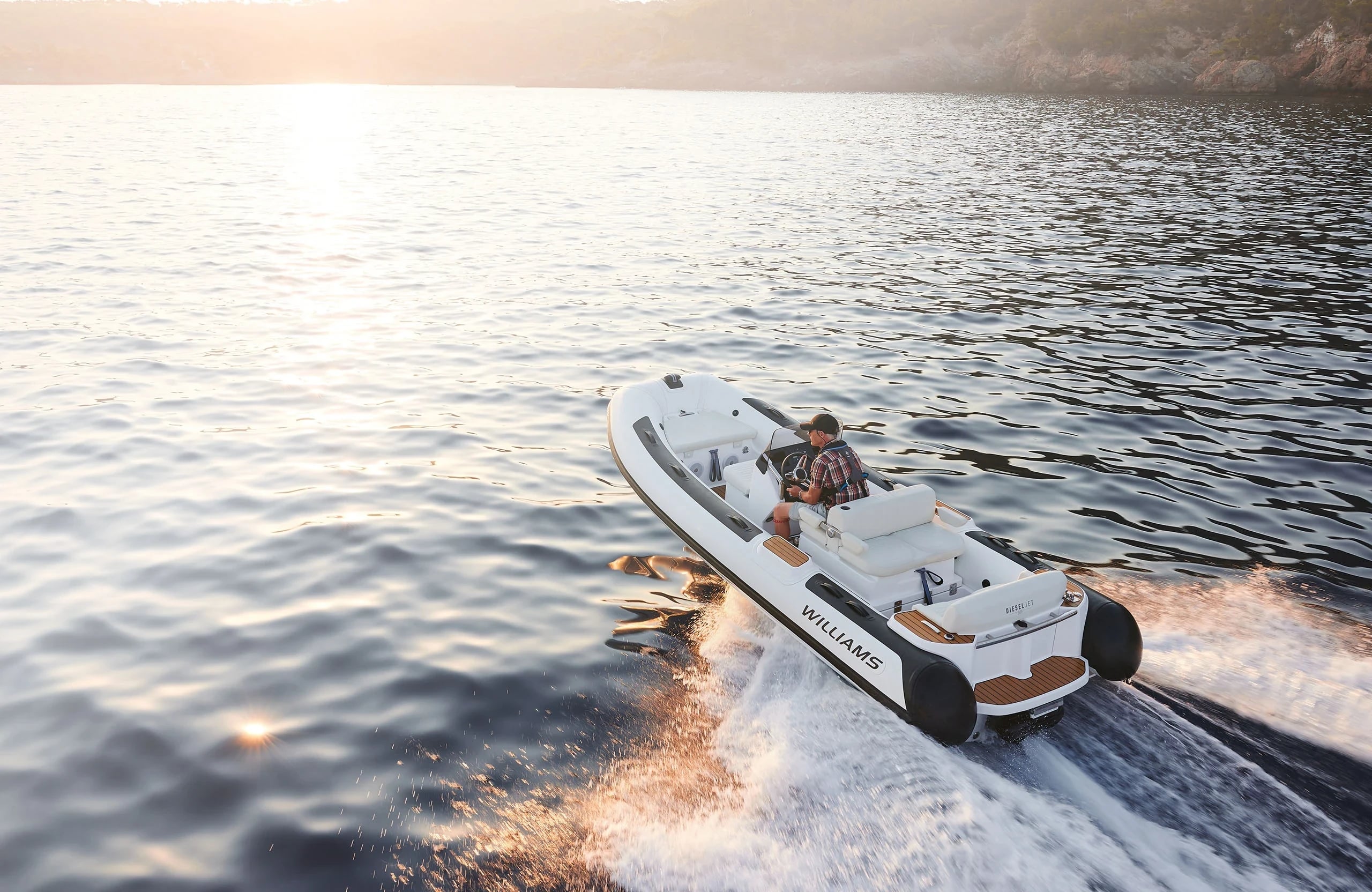
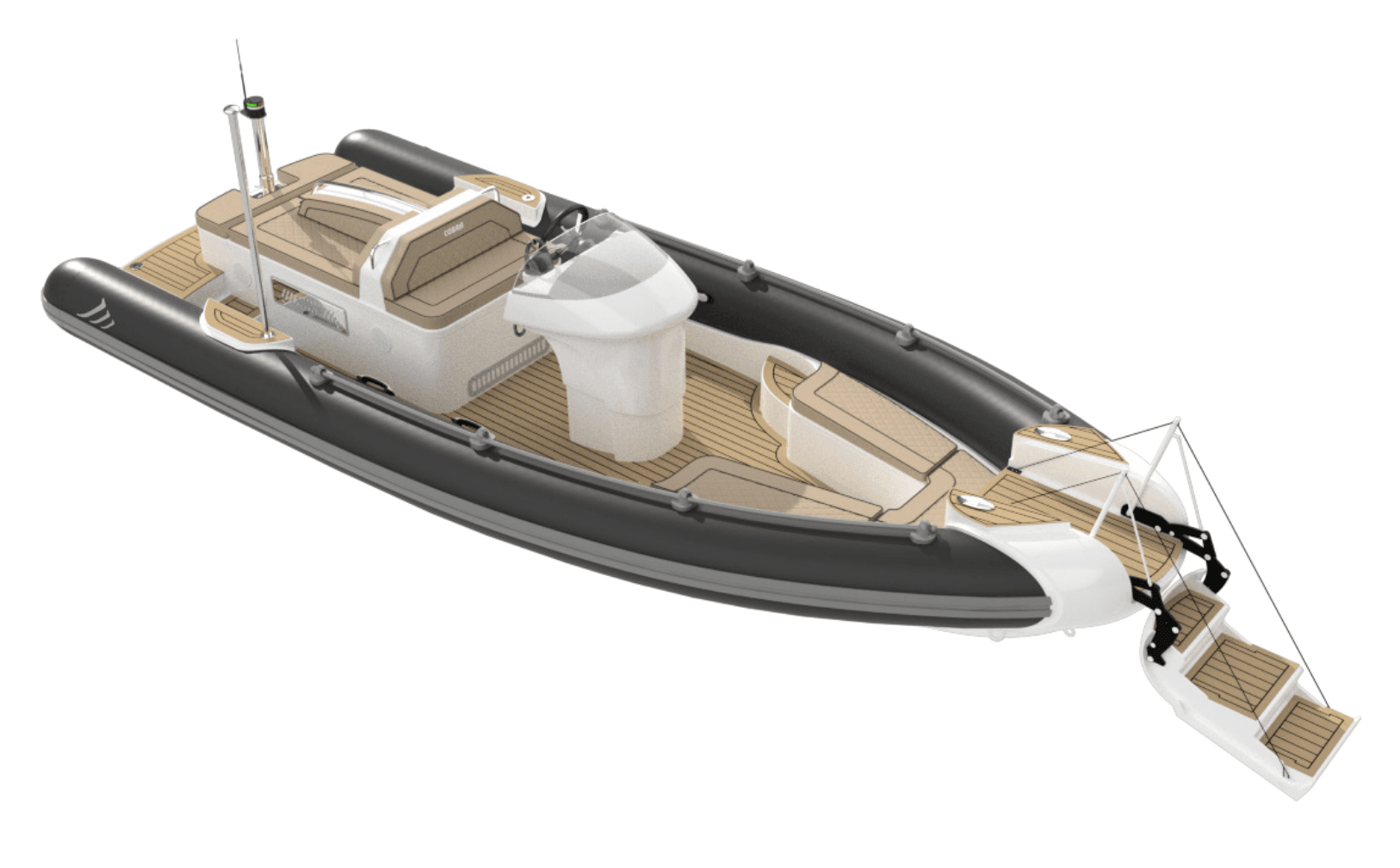
Roughly 80,000 to 400,000 EUR. These are the catalogue boats in the 5 to 9 metre range: jet-driven sport tenders and quality RIBs built in series. You are buying a known product with a known lead time, which is the main reason to choose one. Options add 10 to 25 per cent over the base.
Roughly 700,000 to 2.2 million EUR for an 8 to 11 metre semi-custom boat, and 2.2 to 4 million plus for a fully custom 11 metre and up. The enclosed, climate-controlled cabin is the whole cost driver: it carries the air-conditioning, the audio-visual fit-out, the dressed interior and the powered access gear. See the limousine tenders overview for where this category sits.
From roughly 1.5 million EUR with no real ceiling. A bespoke hull designed to match the mothership, with a tailored layout and finish, is priced like a small yacht project rather than a boat off a line. The custom versus semi-custom versus production guide sets out when the custom premium is worth paying.
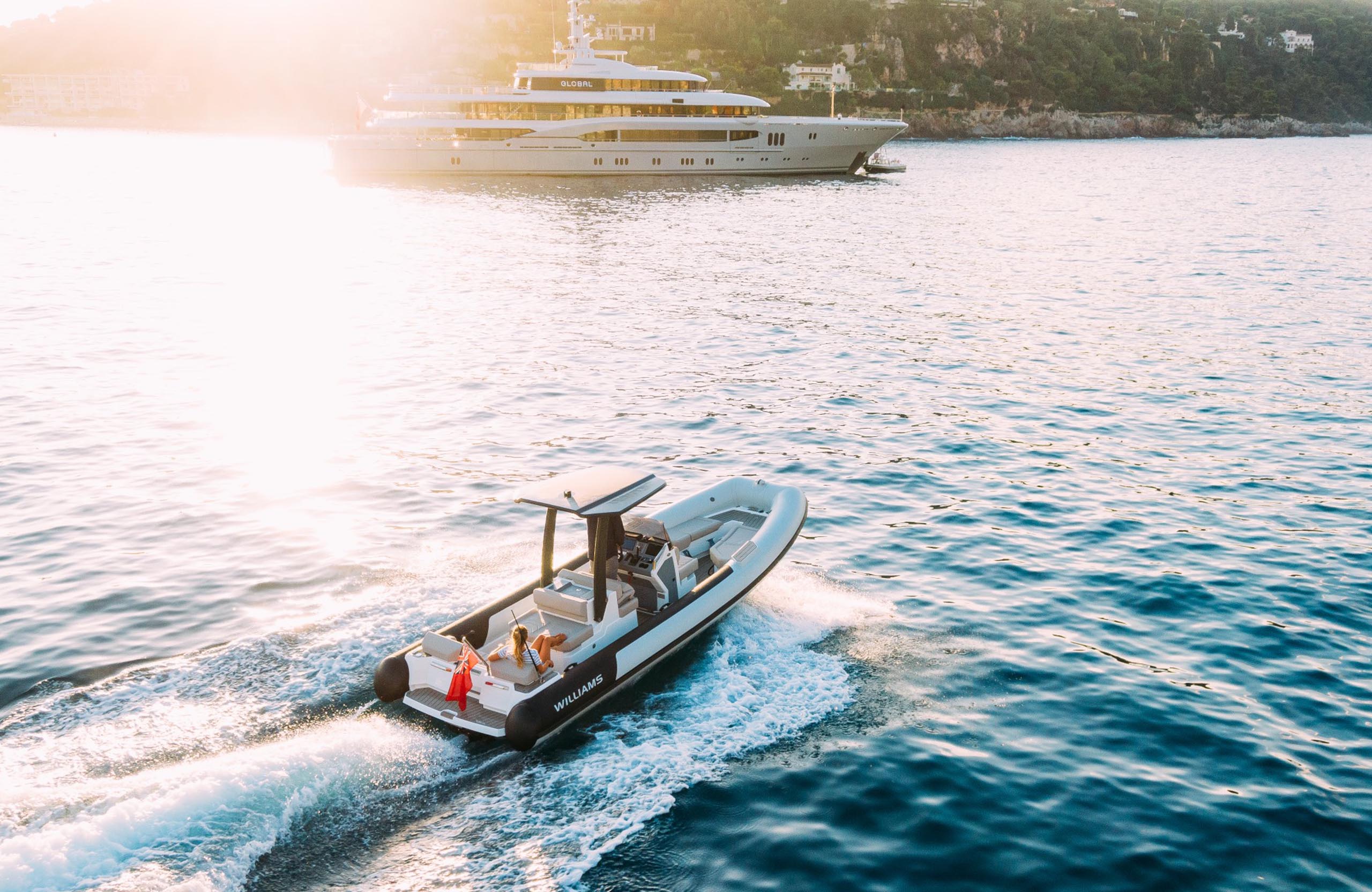
Roughly 600,000 to 3 million EUR. A fast support hull in the 10 to 16 metre range, often carrying dive gear, toys and crew rather than guests. Range and sea-keeping at speed drive the price more than interior finish. See the superyacht chase boats overview.
Roughly 250,000 to 900,000 EUR. A shallow-draft boat built to put guests and gear onto a beach dry, usually waterjet driven. The bow door, ramp and reinforced hull add cost over a comparable open tender. See the beach landers overview.
Within any band, a handful of inputs decide where you land.
The purchase price is the start, not the finish. The figure that matters is the total landed cost: what it takes to get a finished, certified, working boat sitting in the mothership garage.
Budget the landed cost from the outset. A boat quoted at 1.2 million that lands at 1.6 million once options, transport and commissioning are in is the common pattern, not the exception.
A tender is a working asset with a running bill. Plan for roughly 5 to 10 per cent of the purchase price each year across servicing, antifoul, storage, insurance and consumables, before any mid-life refit. Engine hours drive the variable part: a charter boat run hard all season costs more to keep than a private boat used for a few weeks. The maintenance and winter storage guide covers the recurring work in detail.
On depreciation, the build type tells most of the story. Strong production and semi-custom names hold value reasonably well, often retaining 50 to 70 per cent over the first five years with a documented service history. Fully custom boats fall faster as a percentage because there is no list price to anchor a resale and the buyer pool is smaller. If residual value matters to you, that is an argument for a recognised build and a clean record. A used boat can also be the better-value entry point; see buying a used superyacht tender.
The bands here are for orientation. A real figure comes from a defined brief: mothership, garage envelope, guest pattern, certification needs and propulsion. We price boats from the owner's side and pull the options the yard left off the base quote back into the open, and we quote new-build and pre-owned pricing for any model on the register within one working day. For an independent view of what a specific boat is worth, new or used, see our valuation service. To run a build to a budget you can defend, start with sourcing and tell us the mothership and the brief.