A chase boat earns its keep by running hard, which means it accumulates engine hours far faster than the day boats it resembles. A privately used 14 metre sport boat might log 80 to 120 hours in a year. A chase boat working a full charter programme or shadowing a busy owner can clear that in six to eight weeks. Maintenance is therefore driven by hours, not by the calendar, and the single biggest variable in the workload is the driveline you specified at build. This guide sets out the service calendar by system, who does each job, and where outboards and diesel pods part ways.
The service calendar by system
The engines set the rhythm and everything else is fitted around them.
- Outboards. Most major manufacturers run a 100 hour or annual service, whichever comes first, covering engine oil and filter, lower-unit gear lube, fuel filters, spark plugs, anodes, and a propeller and grease-point check. The 100 hour interval is consistent across Yamaha, Mercury, and Suzuki, with deeper work landing at 300 hours and beyond. On a working boat you will hit several of these a season.
- Diesel inboards and pods. Marine diesels typically take an oil and filter change every 100 to 200 hours or annually, with the raw-water impeller inspected and usually replaced at 250 hours or seasonally. Pod drives such as Volvo Penta IPS want their drive oil changed roughly every 250 to 500 hours, and the boat hauled every other drive-oil change so sediment can be drained from the bottom of the leg. Pod shaft seals are a scheduled replacement item, not a fix-on-failure one.
- Antifouling and haul-out. Plan an annual haul-out. A hard-working saltwater hull in the Mediterranean usually wants fresh antifoul every year, sometimes only a pressure-wash and touch-up if the coating is ablative and still live. Haul-out is also when running gear, anodes, seacocks, and the underwater hull get a proper inspection.
- Electronics. No fixed interval, but plan an annual bench check of the plotter, radar, AIS, VHF, and autopilot, plus firmware updates and a connection and corrosion sweep. Salt and vibration are the enemies; the failures are almost always at connectors, not in the units.
- Tubes and upholstery. On a RIB, the tubes want a wash-down after every salt-water run, a UV-protectant treatment through the season, and a seam and valve inspection at haul-out. Exterior upholstery follows the same cadence. Both are wear items that age in sunlight as much as in use.
How driveline choice changes the workload
The propulsion decision you make at order, covered in full at chase boat propulsion, is the decision that shapes the maintenance bill for the life of the boat.
Outboards are the lower-skill, higher-frequency path. A crew member with basic competence can do oil, filters, and anodes alongside, and a failed unit can be swapped without lifting the boat. The catch is quantity: a fast chase boat often carries three or four outboards, so a 100 hour service is three or four services. Replacement is cheap relative to a rebuild, and most owners simply repower at high hours.
Diesel pods and shaft drives are the higher-skill, lower-frequency path. Intervals are longer, the units are built for thousands of hours, and the boat burns less fuel at cruise. But the per-visit cost is higher, the work needs a dealer or a competent yard, and the haul-out-every-other-service rule for pods adds lift cost and yard days that outboards avoid. Pod-seal work in particular is not a crew job. A boat such as the 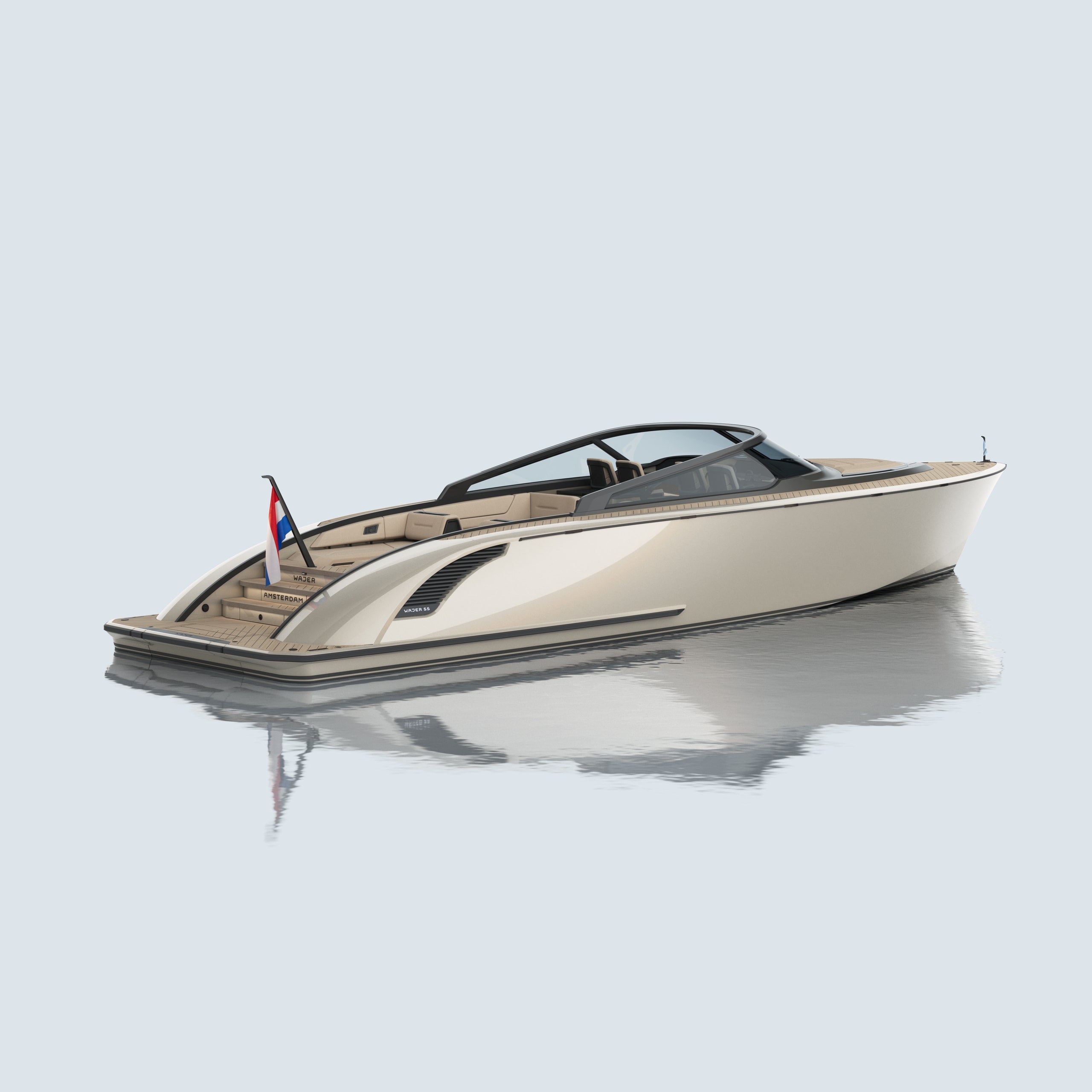 Wajer · On the registerWajer 55LOA16.8mBeam4.65mTop Speed38knPrices on requestView on Superyacht Tenders → on IPS sits firmly in this camp; an outboard-driven
 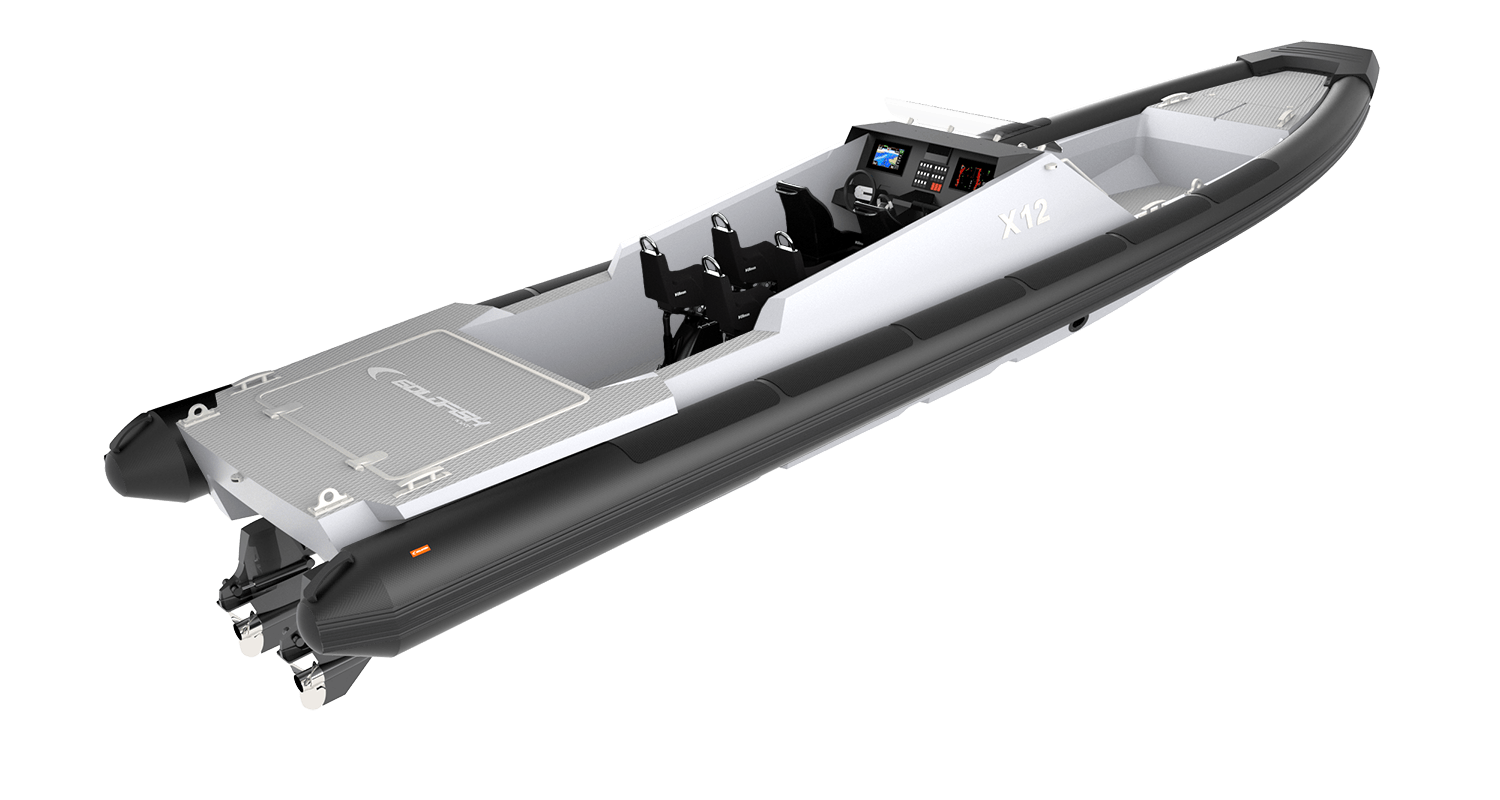 Goldfish · On the registerGoldfish X12LOA12.5mBeam3.30mTop Speed74knPrices on requestView on Superyacht Tenders → sits in the other.
Crew jobs versus yard jobs
The line between what the crew does and what goes to a yard is set by three things: the crew's qualifications, the boat's warranty terms, and the manufacturer's service requirements. Treat it as a working division rather than a fixed rule.
Crew typically own the daily and weekly cycle: pre-start checks, fuel and oil levels, raw-water flow, bilge and battery checks, freshwater flush of outboards after every run, wash-downs, tube and upholstery care, anode inspection, and basic electronics housekeeping. A capable engineer on a larger chase boat will also do oil and filter changes and impeller swaps.
Yards and authorised dealers own the rest: antifouling and haul-out work, pod-seal replacement, major engine milestones, warranty-bound servicing, electronics installation and faults, and any structural or gelcoat repair. The cleanest arrangement we see is a logged crew routine for the running maintenance, with a single yard relationship for the annual lift and the milestone services. That keeps the warranty intact and gives you one accountable record at resale.
Building the maintenance into the operating budget
Maintenance is the larger half of what it costs to keep a chase boat, and the figures belong in your chase boat cost planning from day one. The pattern that catches owners out is hours. Because a chase boat runs at the intensity of a commercial day boat, an "annual" service schedule quietly becomes a twice or three-times-a-season schedule, and the engine reaches its major milestones years sooner than the same unit would on a private boat.
Two practical consequences follow. First, the engine-hour clock, not the build date, decides when a boat is due a refit or repower, which is why the work covered at chase boat refit tends to arrive earlier than expected. Second, a documented service history is worth real money at resale, where chase boats already hold value better than tenders. A boat with a clean log and known intervals trades faster and higher than an identical hull with gaps.
If you are still specifying a boat, the maintenance profile is one more reason to start from the use case rather than the brochure. Our overview at buying a chase boat and the definitions at what is a chase boat set the groundwork, and the chase boat crew page covers who actually does the running maintenance day to day.
What we tell clients
Pick the driveline you can support, not just the one with the best brochure numbers. If you run a small crew and want them able to fix things alongside, outboards are the honest answer, and you accept that you are servicing several units often and budgeting to repower at high hours. If you want longer intervals, lower fuel burn, and a more refined ride, go diesel pods, and accept the yard relationship and the extra haul-outs that come with them. Either way, hold to the hour-based schedule rather than the calendar, log everything, and keep one yard accountable for the annual lift. The owners who treat a chase boat like the high-hours working boat it is, rather than the day boat it looks like, are the ones who avoid the surprises. The same logic applies to the smaller boats in the fleet; see tender maintenance and the broader tenders reference for how the lighter craft compare, and the chase boats pillar for everything around the category.
Interval figures in this guide draw on the published manufacturer schedules summarised by PartsVu's outboard maintenance schedule. Always confirm against your own engine's owner manual and dealer requirements.