Propulsion is the single decision that defines what a chase boat can actually do. Two hulls of identical length can have wildly different speed, range, draft, and running costs depending on whether they run outboards, diesel pods, shaft inboards, or surface drives. In the 10 to 20 metre band where most chase boats sit, four drivelines dominate, and each one is a different set of trade-offs rather than a clear winner. This is the framework we use with clients before any other spec is locked.
The four drivelines at a glance
Before comparing them, it helps to know what each system physically is.
- Outboard. A self-contained engine, gearbox, and propeller bolted to the transom, tilting and steering as one unit. Almost always petrol in this class.
- Sterndrive. An inboard engine (petrol or diesel) driving a steerable leg through the transom. The leg trims and tilts like an outboard but the powerhead lives inside the hull.
- IPS or pod drive. A diesel inboard driving forward-facing counter-rotating propellers on a steerable pod beneath the hull, with joystick control as standard.
- Surface drive. A diesel inboard driving a propeller that runs half in, half out of the water at speed, with the running gear behind the transom rather than below it.
The deeper your hull sits and the more running gear hangs below it, the more draft and drag you carry. That single fact drives most of what follows.
Outboards: the default for fast, shallow, serviceable hulls
Outboards have taken over the smaller end of the chase boat market for good reasons. Modern V8 and V12 units reach 400 to 600 horsepower each, so a quad or quint bank can push a 15 to 17 metre hull hard. Wajer launched its first outboard model on the 38 S with triple 400hp Mercury V10s for a 55-knot top end (Boat International's test), and the 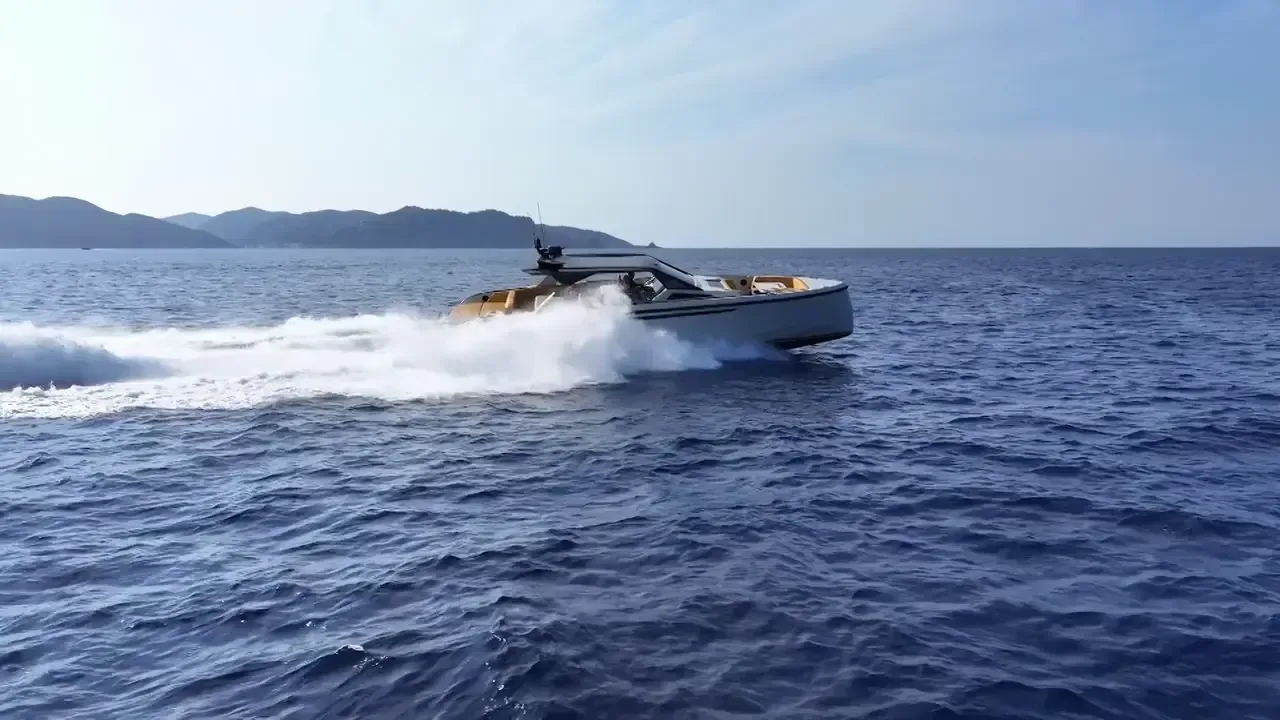 Vanquish · On the registerVanquish 55LOA16.6mBeam4.91mTop Speed65knPrices on requestView on Superyacht Tenders → in outboard form runs five Mercury V12s for roughly 65 knots.
- Speed. Strong. Quad and quint banks comfortably reach 45 to 65 knots on the right hull.
- Range. Weakest of the four. Petrol burns fast, so expect 150 to 350 nautical miles unless the hull carries large tanks.
- Draft. Shallowest. Tilt the legs up and you can nose onto a beach, which matters for tender and shore-landing work.
- Maintenance. Easiest. Service is dockside and a tired powerhead is swapped, not craned out, which suits a hard-worked support boat.
- Interior. Best. No engine room frees the whole hull for accommodation and tankage.
The 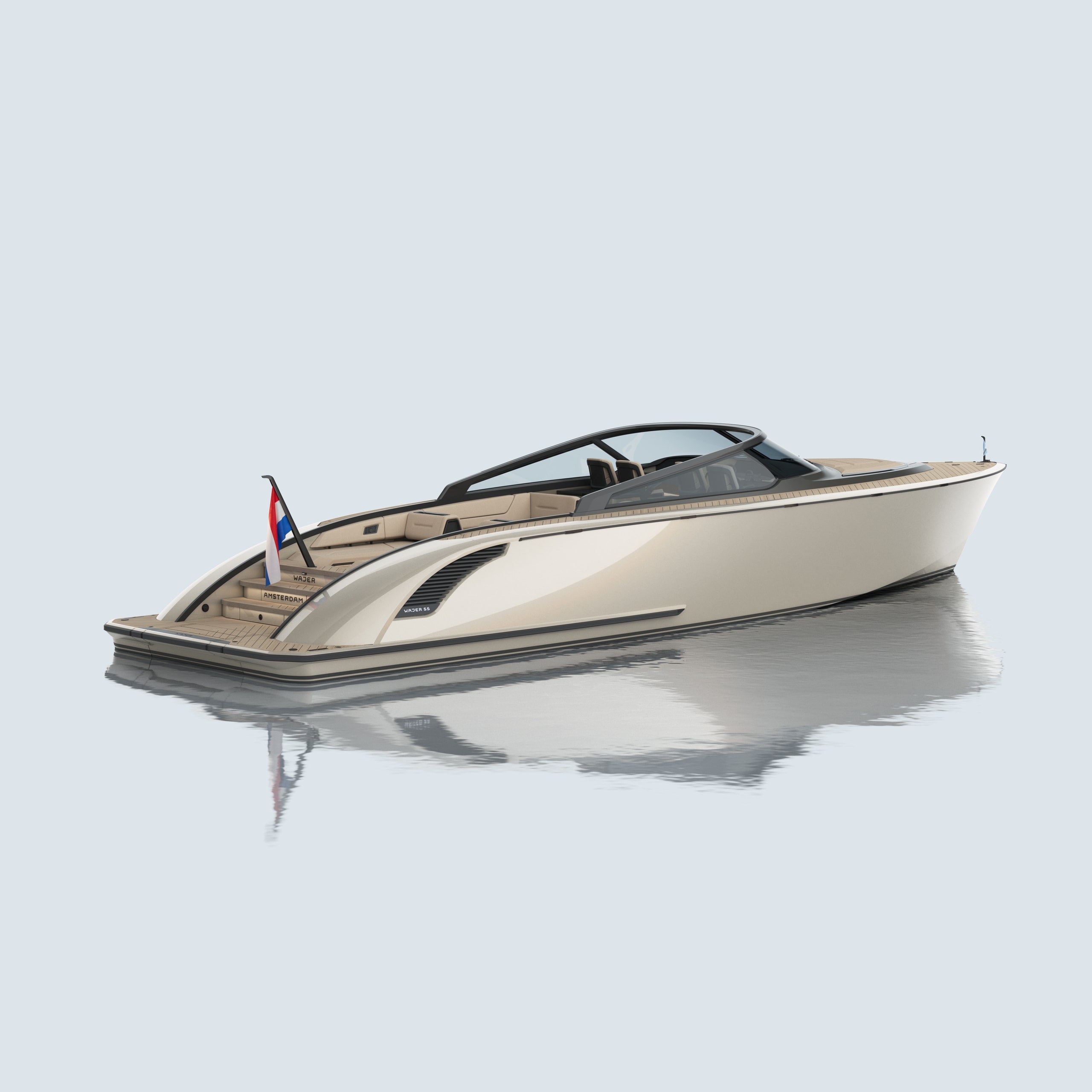 Wajer · On the registerWajer 55LOA16.8mBeam4.65mTop Speed38knPrices on requestView on Superyacht Tenders → sits at the premium end of this approach.
IPS and pod drives: efficiency, range, and joystick control
Diesel pod drives suit owners who value range and refinement over outright speed. The forward-facing props bite clean water and the system delivers up to 30 per cent better fuel efficiency than a traditional shaft layout, which translates into a similar gain in range on the same fuel load.
- Speed. Moderate. Typically 30 to 45 knots, lower than a well-set surface drive or quad outboard.
- Range. Strong. Diesel energy density plus pod efficiency makes IPS the long-legged choice, often 400 to 800 nautical miles.
- Draft. Deepest of the planing options. The pods hang well below the hull, so beaching is out.
- Maintenance. Moderate. Drive fluid every 300 to 500 hours and shaft seals on a multi-thousand-hour cycle, plus haul-outs for the underwater gear.
- Docking. Best in class. Joystick control makes a 16 metre hull easy to berth single-handed.
This is the usual choice for expedition chase boats and any programme where quiet diesel range beats top speed.
Sterndrives: the middle ground
Sterndrives sit between outboards and pods. A diesel sterndrive can be five to ten knots faster and noticeably more efficient than IPS on the same hull, while keeping a trimmable leg for shallower water than a pod. The trade is mechanical complexity at the transom and a smaller pool of high-power diesel options, which is why sterndrives appear more often on production semi-custom hulls than on bespoke flagships.
- Speed. Good, especially with diesel.
- Range. Good with diesel, weaker with petrol.
- Draft. Shallower than IPS, deeper than a tilted-up outboard.
- Maintenance. Moderate. The leg needs regular bellows and gimbal service.
Surface drives: the speed specialists
Surface drives are the answer when outright speed is the brief. With the propeller running half-submerged, there is almost no appendage drag below the hull, so the system is efficient at high speed and gives a clean run aft. The 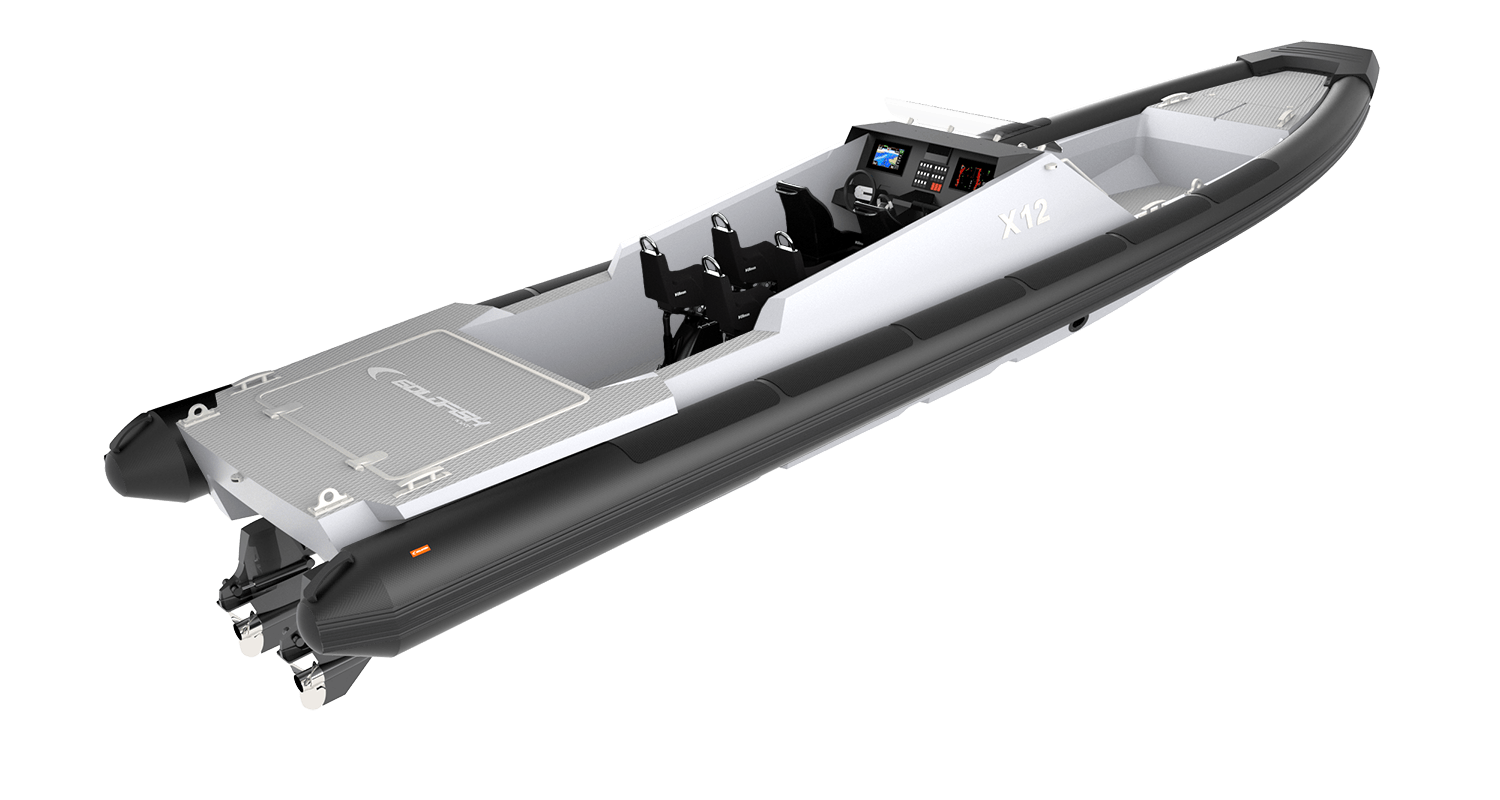 Goldfish · On the registerGoldfish X12LOA12.5mBeam3.30mTop Speed74knPrices on requestView on Superyacht Tenders → reaches around 74 knots in its hottest configuration, and Italian builders such as Anvera have built their reputation on surface-drive performance. The trade-off is well documented: surface drives reward you with the best top end but demand the most maintenance, with more moving parts behind the transom that need regular service.
- Speed. Highest. 50 to 75-plus knots on a hull built for it.
- Range. Good at efficient cruise, though high-speed running burns hard.
- Draft. Shallow at rest, since the gear sits behind, not below, the hull.
- Maintenance. Highest. Trim rams, bearings, and seals all need attention.
For owners chasing headline speed, surface-drive hulls like the 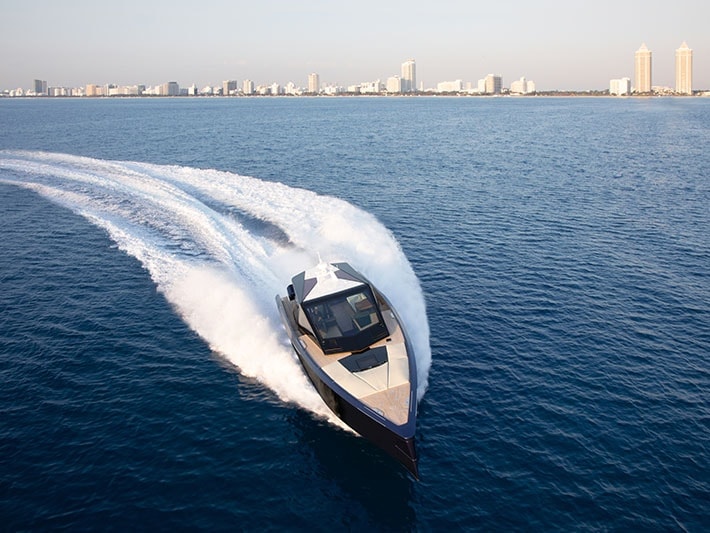 Wally · On the registerWally 58XLOA17.4mBeam5.00mTop Speed50knPrices on requestView on Superyacht Tenders → show how far a deep-V planing hull can be pushed.
How to choose: mission first
The right driveline falls out of the operating profile, not the brochure.
- Shore landings and shallow anchorages. Outboards. Tilt up and go.
- Long coastal transits and expedition work. Diesel IPS or shaft for range and quiet running.
- Maximum top speed. Surface drives, accepting the maintenance bill.
- Marina-heavy charter use. IPS for joystick docking and guest comfort.
- Lowest service burden. Outboards for dockside swap-out.
These choices ripple straight into chase boat range, running and ownership cost, and the full specification process. They also shape maintenance planning, since an outboard fleet and a surface-drive flagship live on very different service calendars.
What we tell clients
Pick the mission, then the driveline, then the hull. If the boat spends its life landing guests on beaches and getting serviced between charters, quad or quint outboards are hard to beat. If it runs long coastal legs alongside the mothership, diesel IPS earns its keep on range and refinement. If the brief is simply to be the fastest thing in the bay, a surface-drive hull delivers, as long as the budget covers the upkeep. There is no universally best system, only the one that fits the job. For the wider category framing, start at what is a chase boat and read across the spokes from there.
Sources
- Wajer 38 S official — Wajer (retrieved May 2026)
- Wajer 55 | Wajer Yachts — Wajer (retrieved Jun 2026)
- Anvera Commercial Chase Boat Program - Anvera Yacht — Anvera (retrieved May 2026)
- Anvera 42 - Official Model Page, Anvera Yacht — Anvera (retrieved May 2026)
- VQ55 Outboard | Vanquish Yachts — Vanquish (retrieved Jun 2026)