The Best SOLAS Rescue Tenders (2026)

The best SOLAS rescue tender is the one whose type approval is recognised by your flag and whose launching arrangement meets the five-minute rule, not the prettiest boat. This is the owner's-side shortlist, the certification chain to interrogate, and the regulatory framing to get right.

Reviewed 17 May 2026

A SOLAS rescue tender is coded life-saving equipment carried because the flag state requires it, not a guest toy. "Best" is the unit whose type approval is recognised by your flag and whose launching arrangement can put it in the water, crewed, within the five-minute rule. Get the spec wrong and the vessel fails its safety construction survey. This is the buyer's shortlist; the full regulatory walkthrough is in SOLAS tender compliance and the category in the SOLAS pillar.

When a SOLAS rescue tender is triggered

The commonly cited trigger is yachts of 500 GT and above, and commercially operated yachts complying with SOLAS Chapter III, per Rib-X. Treat that as flag and code dependent rather than a universal rule. Two framing points owners should hold:

  • The regulatory chain. The requirement runs SOLAS Chapter III, then the LSA Code, then the rescue-boat type-test standard IMO Resolution MSC.81(79). Cite the named instruments and verify the current clause text with your class society or flag administration rather than a hardcoded number.
  • LY3 is shorthand. On Red Ensign flags, LY3 was consolidated into the REG Yacht Code (merging LY3 and the Passenger Yacht Code); the current edition is January 2024, per KRM Yacht. If a builder or broker is still quoting "LY3 requires", treat it as informal and confirm against the current REG Yacht Code.

What "best" actually means here

Best is not a leaderboard. For a rescue tender it is three things:

  1. Type approval for your flag. Ask for a current Type Approval Certificate listing the flag administrations that recognise it. If your flag is not on the list, the certificate has no value to you.
  2. The launching arrangement. The boat must launch, crewed, within five minutes at the listed angles and sea state. This usually needs a dedicated davit rated for man-riding, not a slot in the main garage. See davit systems and launch and recovery.
  3. The certification chain behind the boat. First-of-class type testing (the drop test, self-righting test, swamp test, overload lifting test, endurance trial and heavy-weather trial) produces the Type Approval Certificate; each subsequent hull gets a Certificate of Production Testing, per Pascoe International. Lloyd's Register or another Recognised Organisation surveys it, with the MCA or flag surveyor signing off customisation.

What the boat must physically do

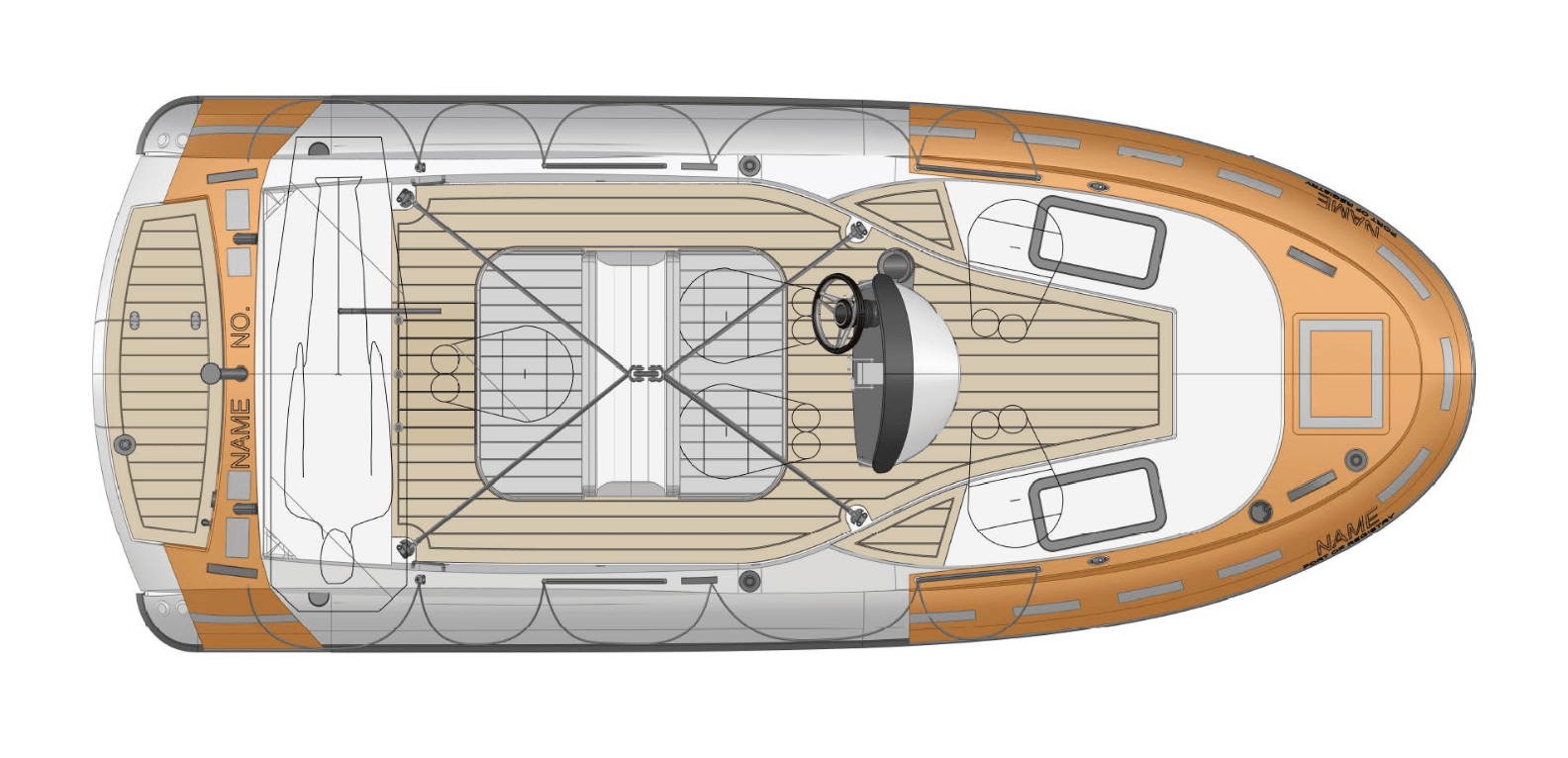
Commonly cited requirements, to be confirmed against the current REG Yacht Code and LSA Code with your flag or RO: it must self-right if capsized; carry at least five to six persons plus an injured person on a stretcher, with seating not on the buoyancy tubes, gunwales or transom; use SOLAS-approved propulsion (inboard Yanmar or Volvo Penta with a Hamilton-type jet drive is the common arrangement, jet preferred for the safety case); be built in an approved facility with full inspection documentation and traceability; and carry SOLAS-certified buoyancy (Hypalon tubes or foam fenders). The dimensional envelope often quoted is roughly 3.8 to 8.5 m; treat that as source-attributed and verify the current IMO LSA Code wording.

The builders we shortlist

A small market dominated by specialists holding current type approvals:

  • Pascoe, builds the bulk of the superyacht SOLAS fleet, rescue tenders type-approved across most Red Ensign flags; the default on much of the new-build pipeline.
  • Cobra, UK builder with deep SOLAS pedigree, common on UK-flagged programmes.
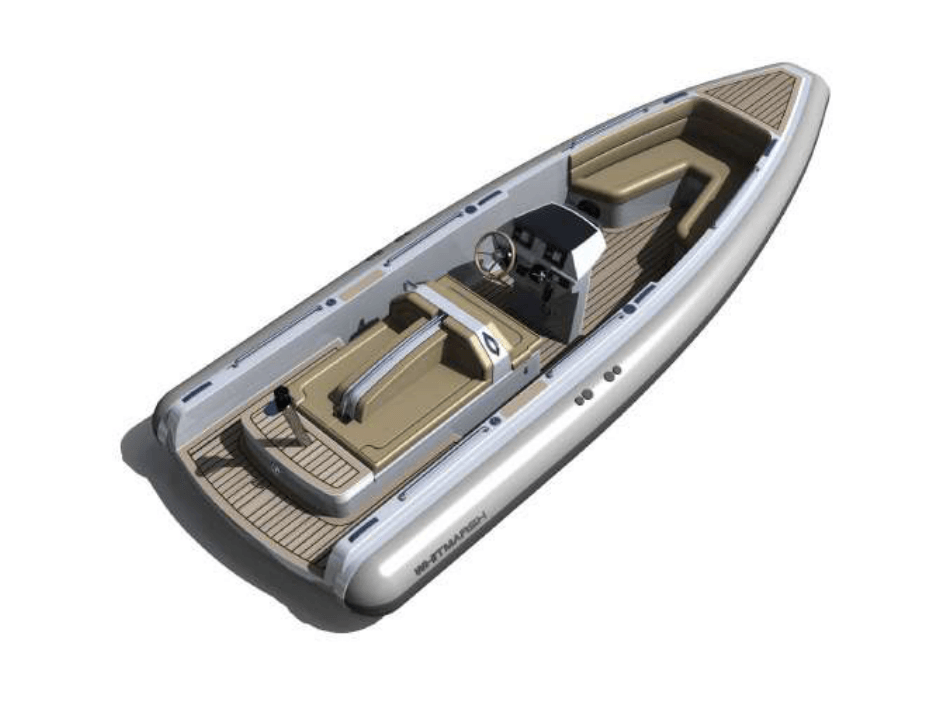
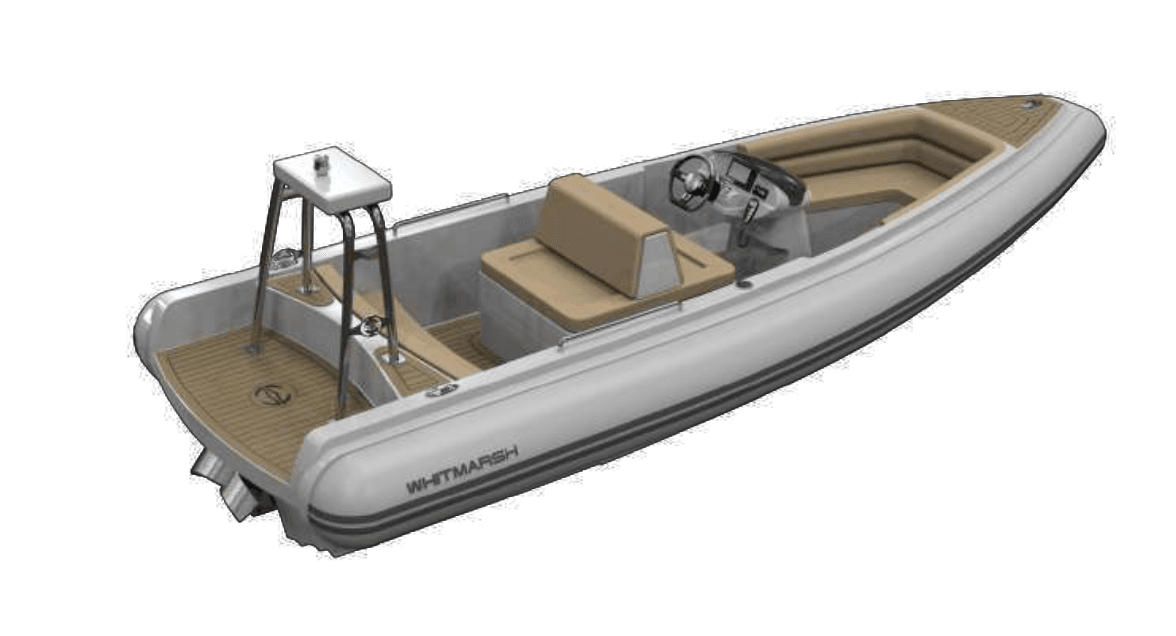
  • Whitmarsh, long-standing SOLAS specialist, well represented across smaller commercial yachts.
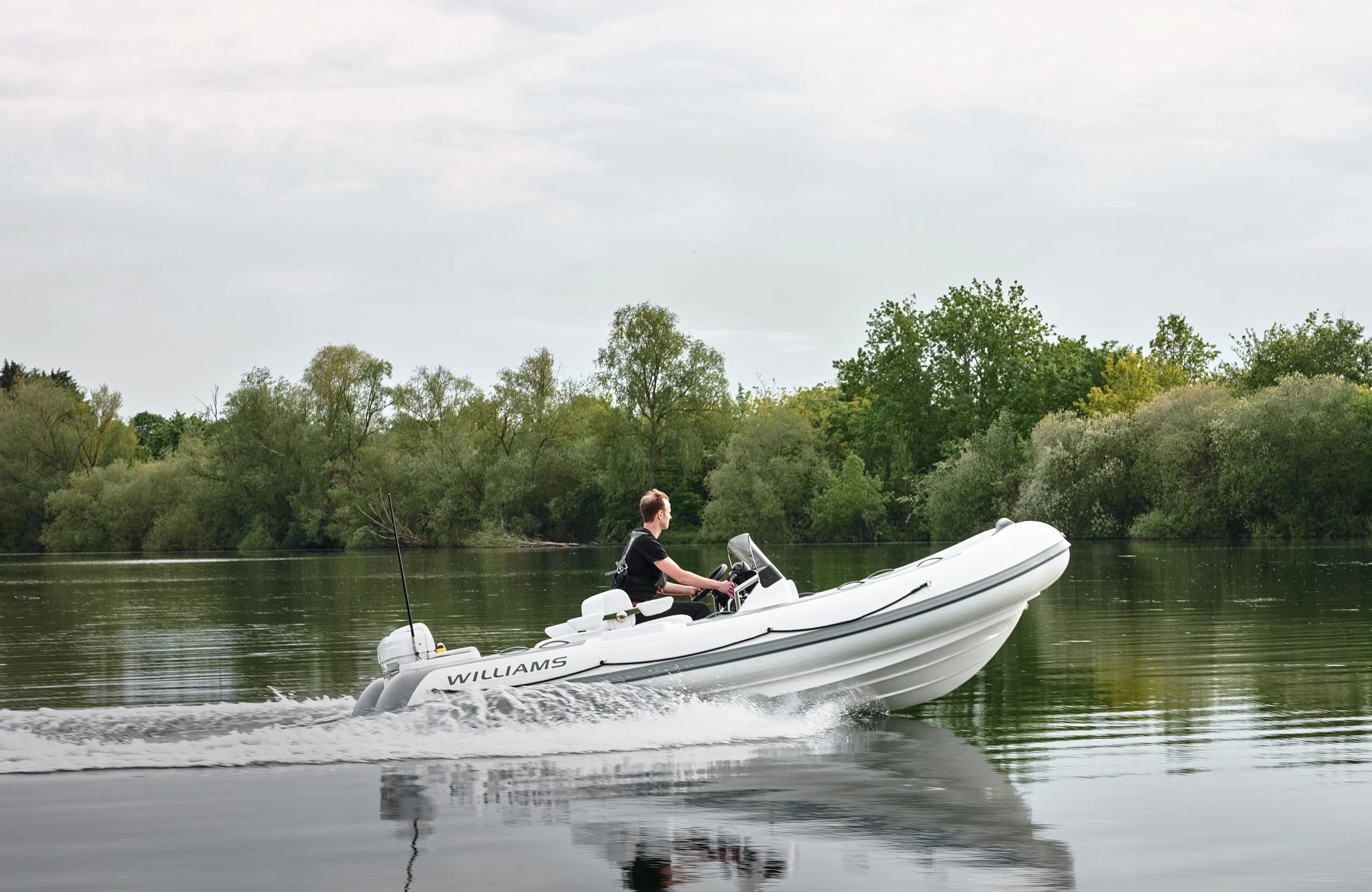
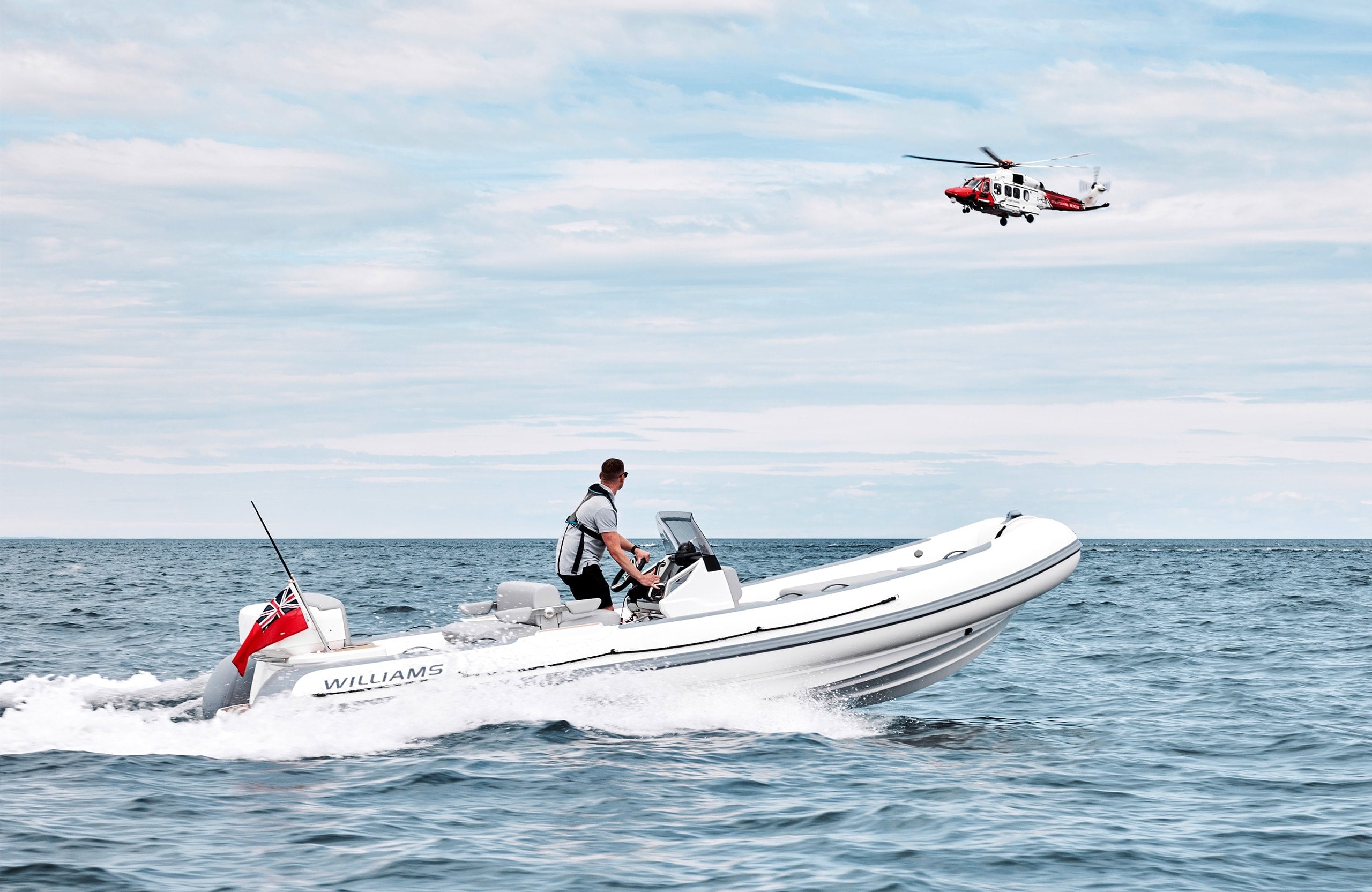
  • Williams, compact, garage-friendly DieselJet SOLAS variants.
  • Xtenders, custom carbon hulls including a SOLAS variant around 5.2 m.

Outside the linked register, Rib-X (SOLAS RIB and open hulls at roughly 5.0, 6.0 and 7.0 m, per Rib-X), Ribeye (the 821 SOLAS), Vanguard (RB400), Survitec and Narwhal are all credible compliant builders depending on flag and size.

Practical consequences for the owner

The decision has knock-ons the spec sheet does not show. Larger SOLAS units carry build lead times of several months and a dedicated davit that competes for boat-deck space, so specifying late forces a garage or davit redesign. A SOLAS unit typically also costs one of the flush garage berths, which is what pushes the guest boat smaller or outside; the fleet planning guide covers that trade. Lock the SOLAS spec before the garage and davit layout is fixed, not after.

How to choose

Confirm the requirement and the accepted standard with your flag and class first, then shortlist from the specialists above on type approval and the launching interface, coordinated with the naval architect and the surveyor, not chosen on aesthetics. See the best superyacht tenders for how the SOLAS unit shapes the rest of the fleet. Tell us the flag, the tonnage and the davit arrangement and the shortlist follows.

Who builds the best SOLAS rescue tenders?
A small market dominated by specialists holding current type approvals: Pascoe builds much of the superyacht fleet, with Cobra, Whitmarsh, Williams (compact DieselJet SOLAS variants) and Xtenders on the shortlist, and Rib-X, Ribeye and Vanguard credible outside the linked register. 'Best' is the right approval for your flag, not the brand.
Which yachts need a SOLAS rescue tender?
Commonly cited as yachts of 500 GT and above, and commercially operated yachts complying with SOLAS Chapter III, per Rib-X. Treat 500 GT as flag and code dependent, not a universal rule: confirm the trigger and the accepted standard with your flag administration. The SOLAS tender compliance guide has the detail.
Is LY3 still the rule?
LY3 is now industry shorthand. On Red Ensign flags it was consolidated into the Red Ensign Group (REG) Yacht Code, which merged LY3 and the Passenger Yacht Code; the current edition was published in January 2024, per KRM Yacht. Verify the current REG Yacht Code text and your flag's equivalencies with the flag state or Recognised Organisation.
What is the difference between a SOLAS rescue tender and a lifeboat?
A lifeboat is a survival craft for abandoning ship. A SOLAS rescue boat is a fast, self-righting craft for man-overboard recovery and marshalling liferafts, launched and recovered repeatedly while the yacht operates. The rescue-boat standard sits under SOLAS Chapter III and the LSA Code; the type-test standard is IMO Resolution MSC.81(79). Verify current clause text with your class society or flag.
Can the SOLAS tender double as a guest tender?
In practice, rarely well. The construction, self-righting geometry, drop-test certification and permanent rigging are incompatible with the finish owners expect from a guest limousine. Some mid-size units run a SOLAS-plus-working-tender dual role; a guest limousine cannot serve the rescue role. The common pattern is a dedicated SOLAS unit plus separate guest tenders.
What does a SOLAS rescue tender cost?
No builder publishes list prices, so as an indicative owner's-side working band only: a type-approved 6 to 7 m unit from a recognised builder is commonly in the region of 250,000 to 500,000 EUR, with the launching appliance a separate and often comparable cost installed. The type approval and the davit interface drive the number, not the finish.