What 'new build tender available' actually means
Defining the status
A new build tender listed as available sits in one of three conditions. First, the yard holds an unallocated production slot in an active build cycle - your order steps into that slot, the keel is laid, and the boat is built to your specification within the yard's standard option list. Second, the yard has a speculative hull at some stage of completion - perhaps laminated but not yet fitted out - which can be finished to a buyer's brief faster than a full-length build. Third, the yard is quoting against a confirmed capacity window: they are not yet cutting material, but they have the tooling, the workforce, and the supply chain in place to start within a stated period.
All three carry different implications for specification flexibility, payment milestones, and risk. A slot in an active cycle gives you the most influence over layout, colour, and equipment; a part-finished speculative hull gives you speed but limits your choices to what is already locked into the structure. Knowing which category you are dealing with is the first question we ask before we take an enquiry further.
Why it matters for owners and captains
A superyacht programme does not wait. Refit windows, world voyage schedules, and charter seasons all impose hard deadlines on tender delivery. If a captain is coordinating a new build tender alongside a main vessel refit, a six-week slip in delivery is not an inconvenience - it can mean the tender misses the first season entirely. That is why reading the availability status correctly, and holding the yard to a precise delivery protocol in the build contract, is non-negotiable. Our full breakdown of how procurement fits into a broader vessel acquisition is in our buying a superyacht tender hub, and it covers build contracts, survey rights, and sea trial requirements in detail.
Choosing between options
Spec trade-offs
The specification decisions on a new build tender are not cosmetic. Hull form, propulsion configuration, and CE category certification all have to be fixed early, and changes after lamination begin to carry cost penalties that compound quickly. The core trade-offs we work through with every client cover three areas.
First, the hull material and build method. Vacuum-infused composite construction - carbon or glass over a structural foam core - produces hulls that are stiff, light, and corrosive-resistant, but the tooling cost is higher and lead times tend to be longer than welded aluminium. Aluminium builds are faster to modify mid-build, easier to repair in the field, and often preferred where the tender will operate in expedition or high-latitude conditions. Neither is universally correct; the answer follows from the programme.
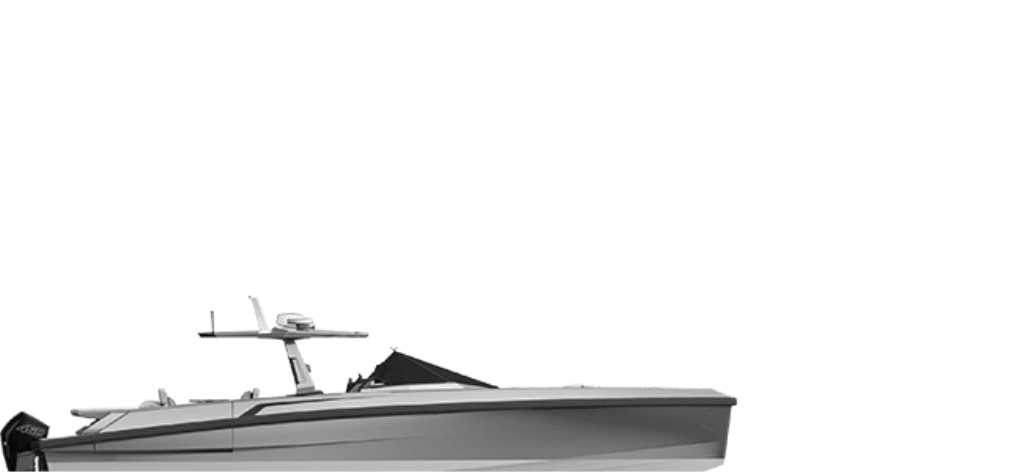
Second, the propulsion configuration. Twin-screw inboard diesel remains the default for larger tenders above 10.0m where range and reliability in open-water passages matter. Outboard-powered builds have closed the performance gap significantly, and the Wally 43 inboard versus outboard analysis gives a worked example of how that decision plays out across a real programme. Hybrid and full-electric drivetrains are moving from concept to delivered product faster than most yards predicted - the electric tender inflection point piece covers where the technology actually stands in 2026 for anyone whose owner is asking the question.
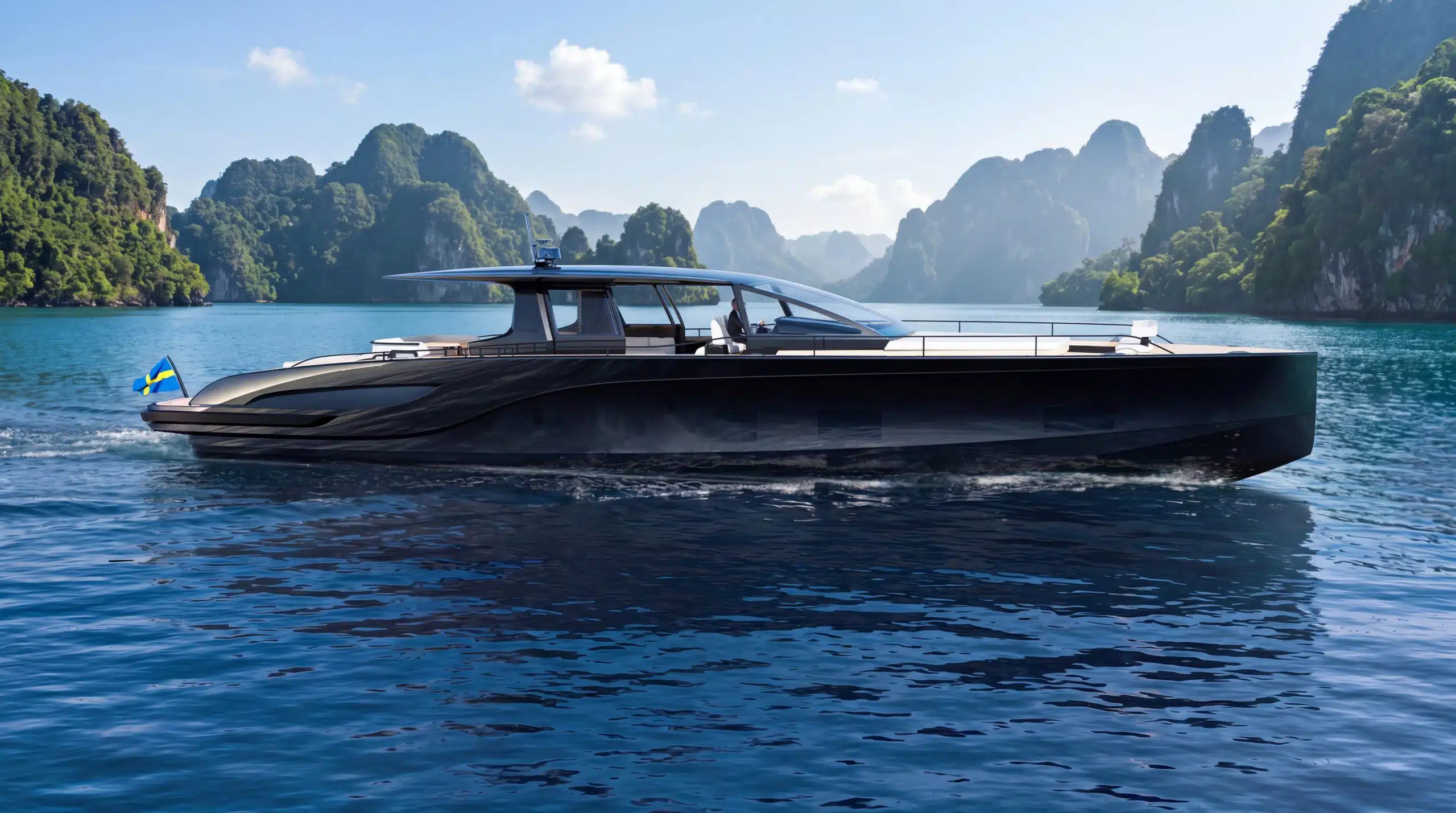
Third, the intended use profile. A limousine tender configured for sixteen guests in air-conditioned comfort requires a fundamentally different interior volume and freeboard than a SOLAS tender built for crew transfer and emergency service. Building one hull to do both jobs usually means building neither particularly well. Where the brief is mixed, we recommend separate tenders sized to each function rather than a single compromised hull - and our specification work starts by pulling those use cases apart before any yard conversation begins.
Costs and lead times
As of Q2 2026, the production order books at the mid-tier European yards running between 8.0m and 14.0m are running at twelve to eighteen months for a fully bespoke new build, with semi-custom variants on existing tooling sitting closer to eight to twelve months. The Q2 2026 market update on order books and lead times sets out where capacity pressure is concentrated and which yards are actively holding open slots.
Cost ranges across that size band are wide. A production-series tender at 8.0m to 9.0m in fibreglass can be commissioned from under EUR 200,000. A custom carbon composite build at 12.0m to 14.0m with a triple-outboard or twin-inboard V12 driveline and a full superyacht-grade interior will reach EUR 1.2m to EUR 2.5m depending on the yard's overhead structure and the complexity of the specification. Builder margins on new build slots are tighter than they were in 2021 and 2022, which gives a prepared buyer with a clear brief more leverage on lead time and options pricing than was available during the post-pandemic order surge.
Payment structures vary, but the standard schedule runs: ten to twenty per cent on contract signing, a second tranche at lamination or keel-laying, a third at systems installation, and the balance at sea trial acceptance. We always recommend that the final payment tranche is held until after a satisfactory sea trial and punch-list sign-off, and that the contract specifies an independent surveyor right at each milestone.
Where SYT typically lands
We are specification consultants and brokers, not tied to any single yard. The builds we recommend most consistently are the ones where the yard's standard production philosophy aligns with the owner's programme without requiring expensive structural deviations. A yard that builds one hull form well, with a documented quality management process and a track record on delivery dates, will usually outperform a yard offering more customisation but looser project controls. We have seen both scenarios play out - the lesson is consistent. If you want to understand the production-line rigour that underpins a well-run mid-volume yard, the Axopar production line yard visit is a useful reference point for what disciplined volume manufacturing looks like at deck level.
Examples on the register
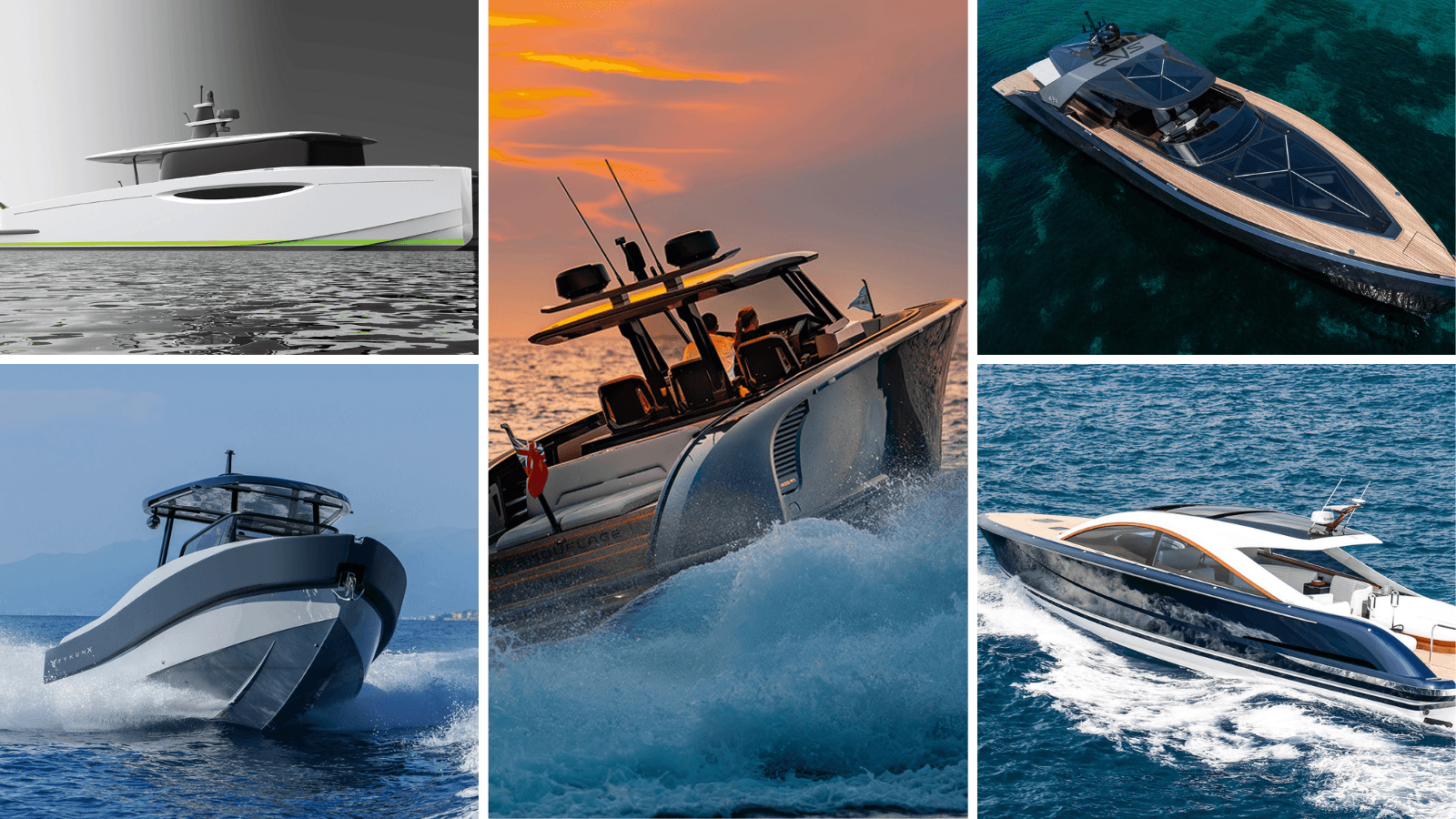
The tenders we are actively placing enquiries against as of this publication include builds across the 7.5m to 14.0m range from European and Australasian yards. Configurations span open tenders, limousine tenders with enclosed saloon volumes, and catamaran tenders where beam on deck and stability at rest are the primary brief drivers. We do not publish a live register in this format, but the model pages linked from our buying hub carry current availability status and are updated as slots are confirmed or filled.
Recent yard launches worth tracking include several 10.0m to 12.0m composite builds that came through the tender quay at the 2025 Monaco show - the Monaco Yacht Show 2025 tender report covers what was actually on display, which yards brought production-ready inventory, and where the specification was credible versus where it was aspirational.
For open tenders in the sub-10.0m bracket, the availability picture is better than for larger custom builds - several yards are running rolling production with four to six month lead times. For anything above 11.0m requiring a bespoke interior and a superyacht-grade finish, plan for twelve months minimum and build contingency into your programme calendar.
Talk to us
When an owner or captain brings us a new build tender brief, we aim to return a credible longlist within 48 hours and a prioritised shortlist within five working days. The brief we need to do that is specific: LOA and beam constraints driven by the tender garage or deck space, passenger count and CE certification category, top speed requirement and range, propulsion preference, delivery window, and budget ceiling. The more precisely that brief is defined at the outset, the faster we can eliminate yards that cannot meet it and focus the conversation on those that can.
If a build slot is available now, it will not remain available indefinitely. Order books move. A yard that has a confirmed slot this quarter may have a twelve-month queue by next quarter if a large programme places an order. The buyers who secure the best builds at the best prices are the ones who have done the specification work before the slot appears, not after.
Send us your brief. We will tell you what is genuinely available, what the realistic delivery timeline looks like, and where the specification trade-offs sit for your programme.