Open Tenders and Guest Tenders

An open guest tender has no fixed cabin or hardtop, favouring deck space and swim-platform access over weather protection. It is the volume choice for fair-weather hops and runs 15 to 30 percent below the limousine version of the same hull.

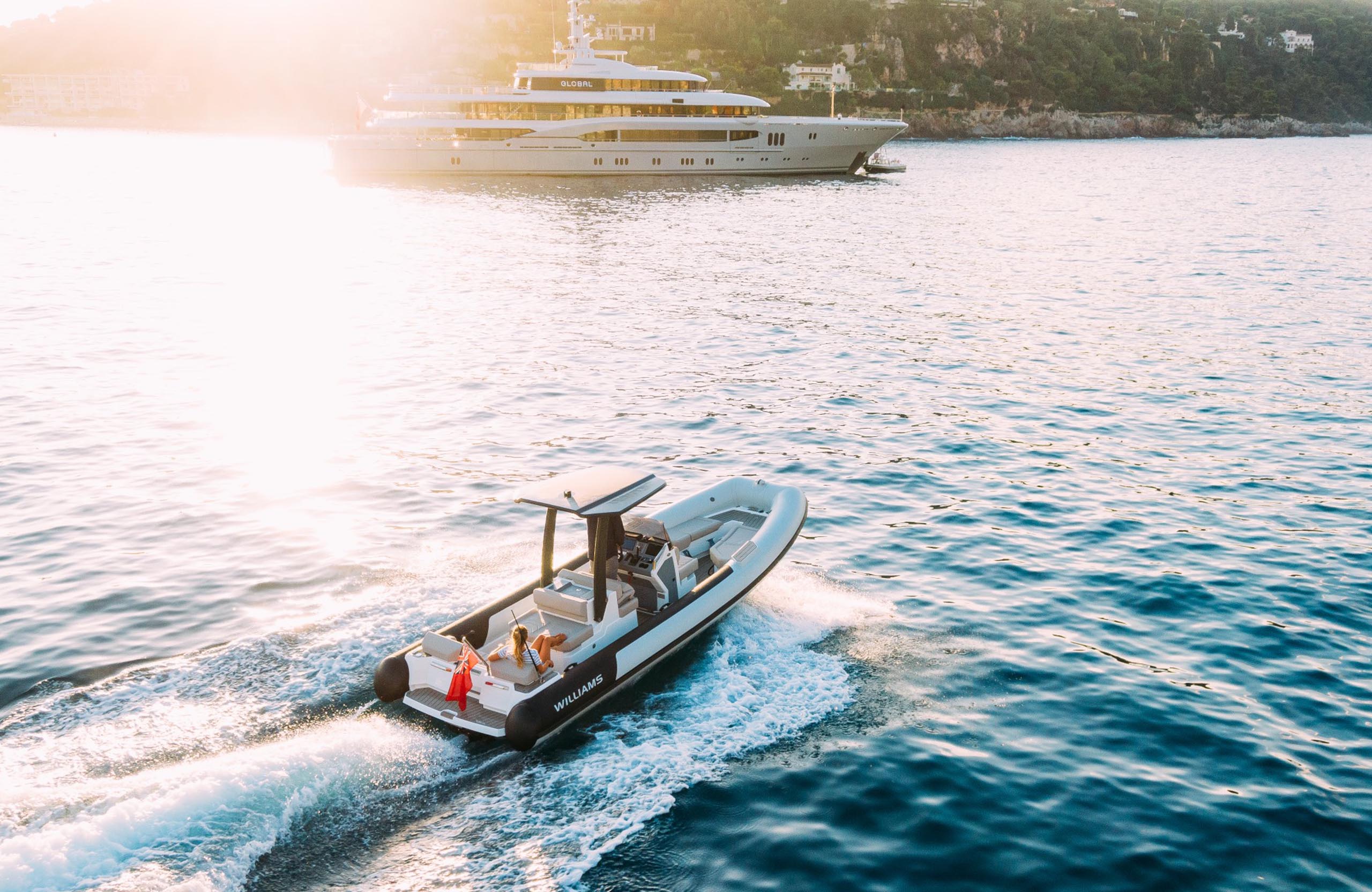
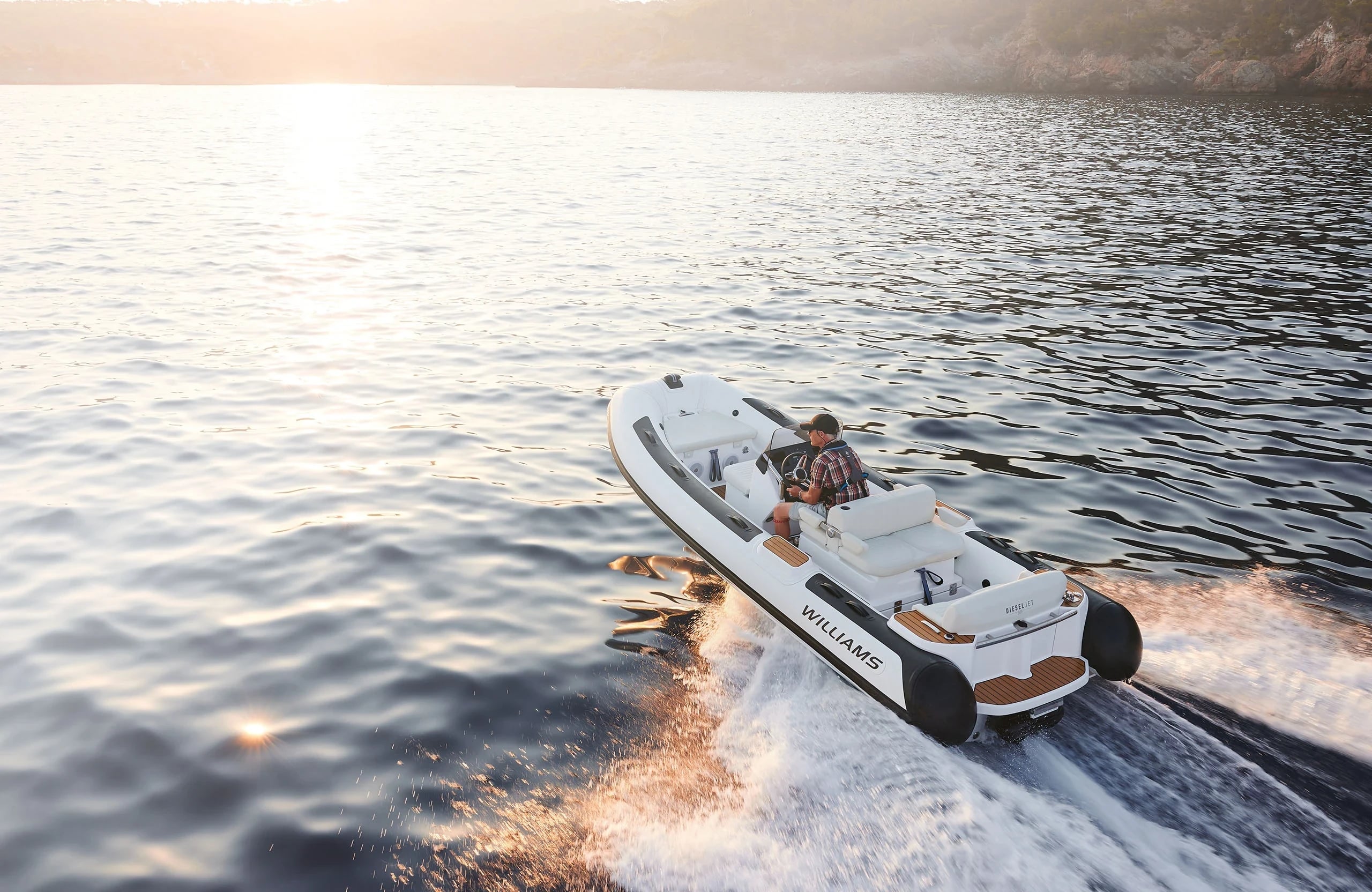
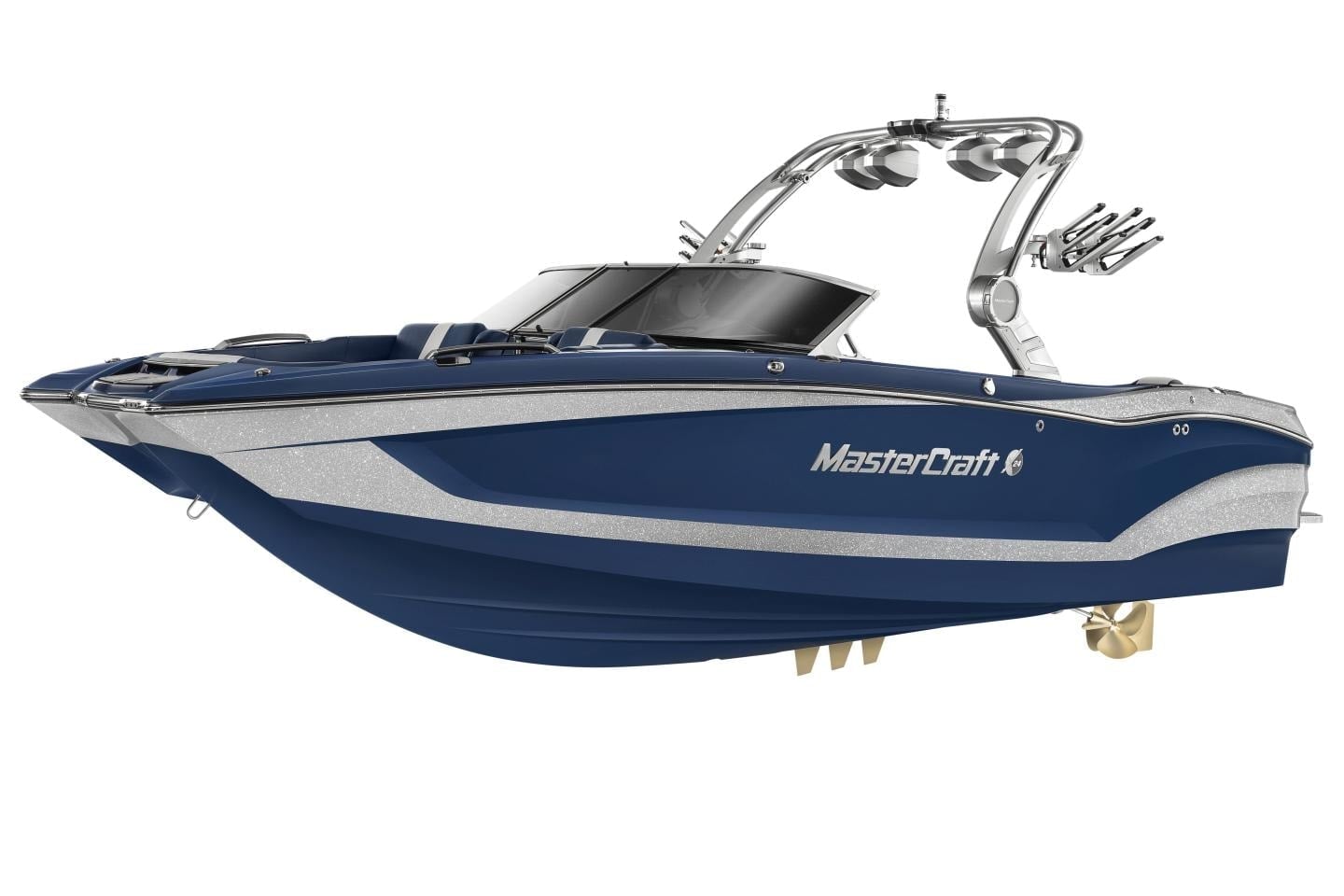
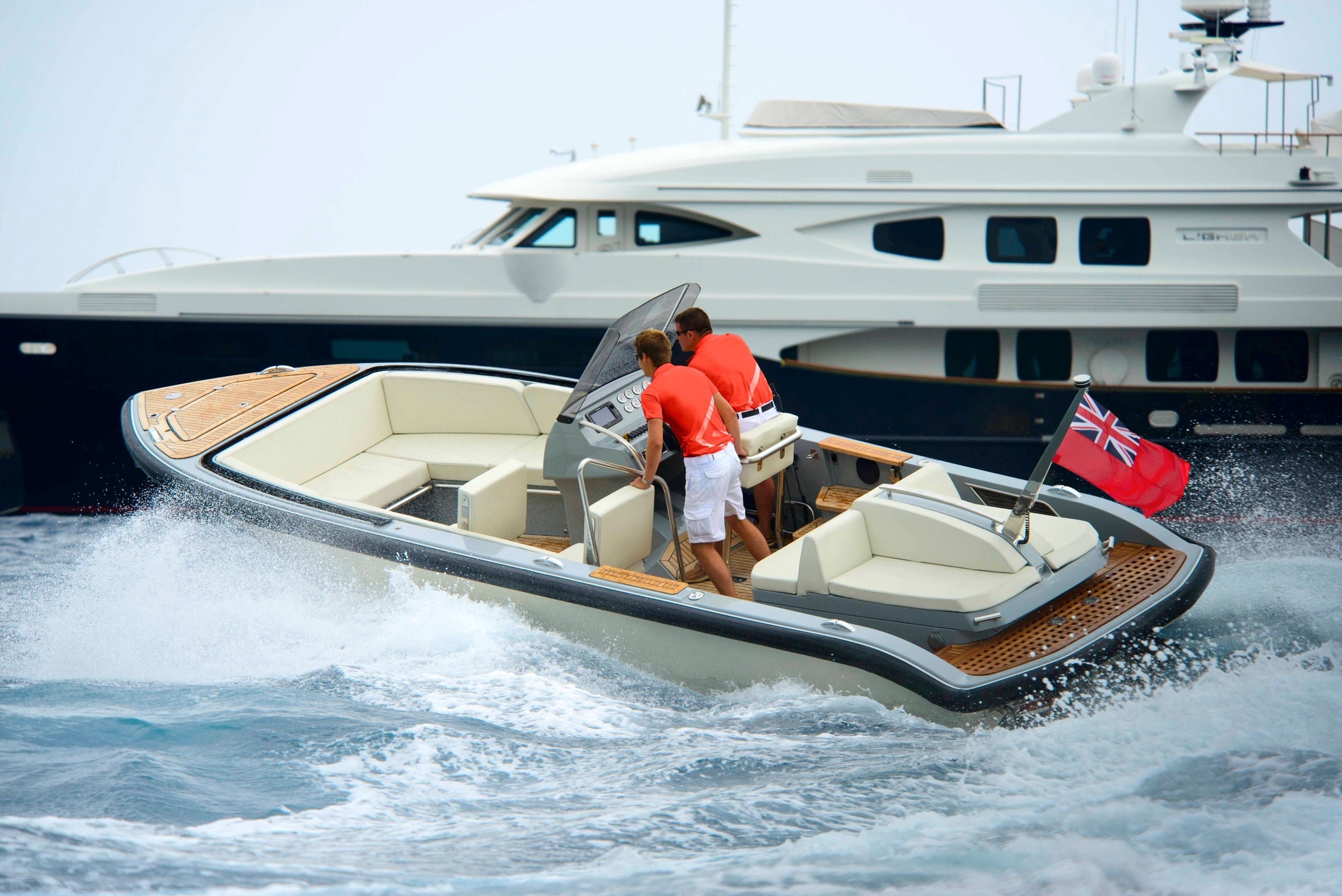
An open guest tender is a tender without a fixed cabin or hardtop. It prioritises deck space, accessibility, and short-hop guest handling over weather protection. The category is the everyday answer for transfers in fair weather: short rides between yacht and shore, beach trips, water-toy support runs, and the after-dinner cruise back to the yacht in light wind and warm air.

Why open is the volume choice

Three reasons:

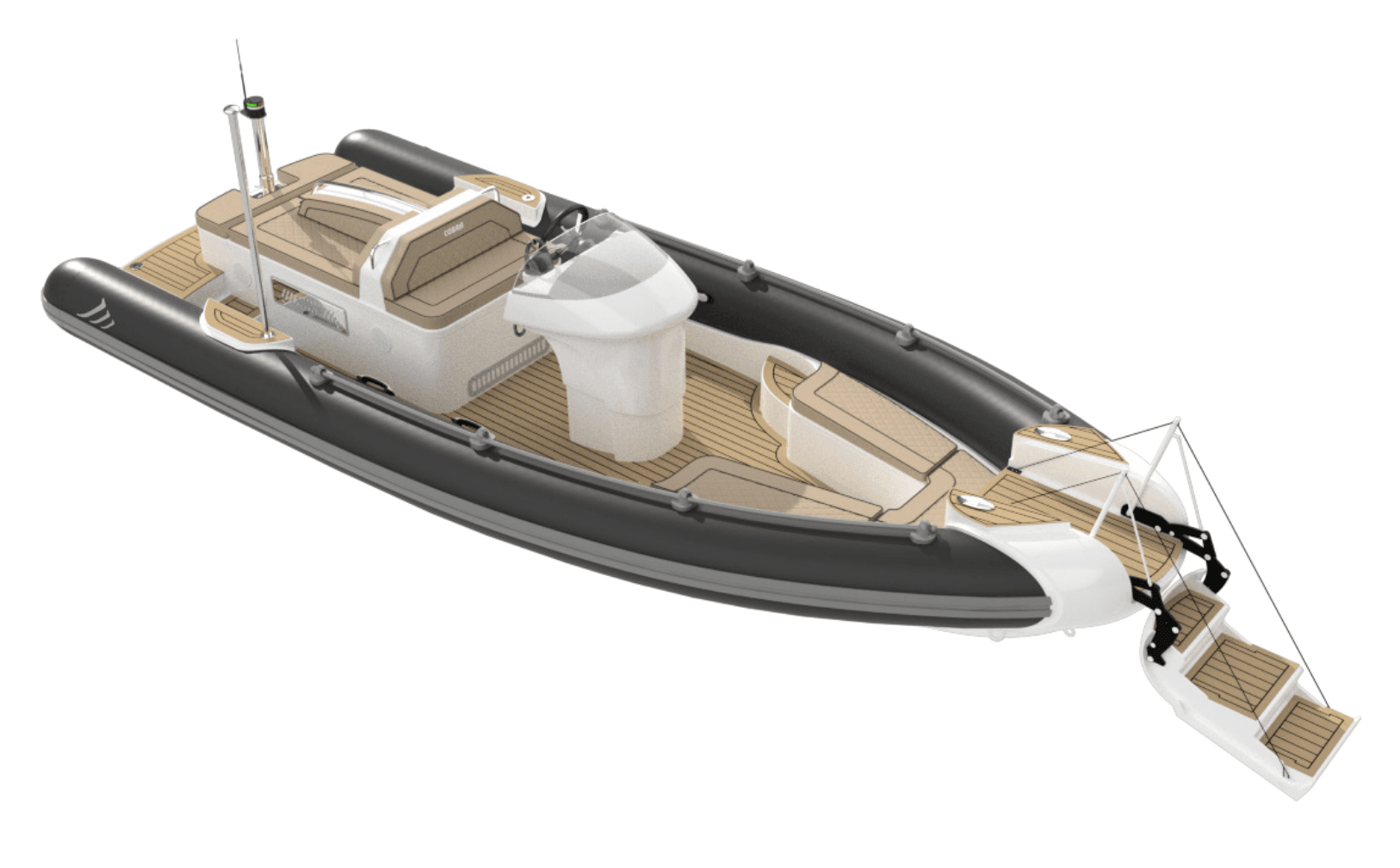
  • Deck space. Without the structural intrusion of a hardtop or cabin, the same hull length carries more open seating and more usable deck for boarding.
  • Visual presence at the swim platform. Guests step off the yacht straight into a low, open boat without ducking under a structure or stepping into an enclosed space; the experience reads as continuous with the yacht's deck.
  • Cost and complexity. Open tenders are simpler to build, lighter, and easier to maintain than the cabin variants of the same hull. They typically come in 15 to 30 percent below the limousine version of the same platform.

Where the category trades off

The trade-offs are predictable:

  • Weather protection. None. Owners running early or late season programmes, or in regions with fast-changing weather, often pair an open tender with a covered alternative.
  • Spray. A bow-mounted hardtop helps; without one, even calm-seas spray from the chine catches forward seating in 15 to 20 knots of breeze.
  • Range. Open seating limits how long guests want to stay aboard; comfortable use windows are typically 1 to 3 hours per outing.

Sizes that match the brief

Open guest tenders run from 6m to 14m:

  • 6m to 8m. Single-engine or twin-outboard. Compact, garage-friendly. Williams Sportjet, Pascoe Open, smaller Castoldi.
  • 9m to 12m. The volume sweet spot. Twin-outboard or sterndrive. 8 to 12 guests. Pascoe Open, Castoldi Jet 320, Wajer 38, Vanquish VQ40.
  • 13m+. Larger open chase-tender hybrids. Wally Tender 43, Vanquish VQ43, Anvera 42 Speedster.

Builders that come up most

In the open guest segment we shortlist most often:

  • Pascoe International. Open versions of their DT and Open ranges; superb finish, premium price.
  • Castoldi. Italian jet-driven open platforms; the JT-range is the volume player on Mediterranean yacht programmes.
  • Wajer. Dutch-built premium open day boats; extensive owner customisation.
  • Vanquish. Aluminium open day boats with a cleaner industrial aesthetic; popular on Northern European and US programmes.

Where it sits against alternatives

A limousine tender covers the brief when weather, formality, or arrival presence matters. An open tender covers the daily-use brief that limousines do not handle well. Most yacht programmes above 50m carry both.

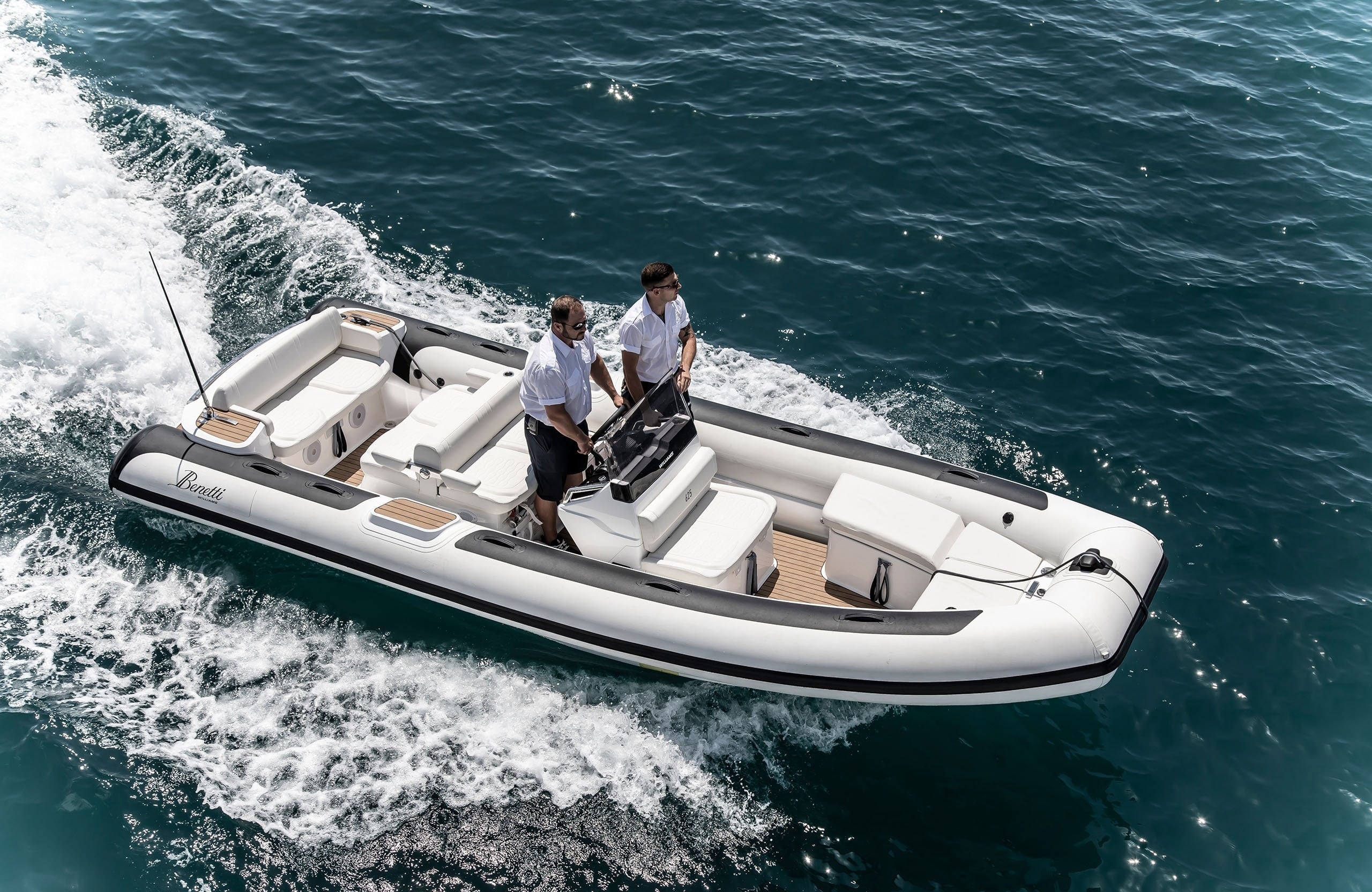
For pure water-toy support, a RIB is usually a better fit than an open guest tender; the collar handles the rough handling, and the RIB carries less of an "arrival presence" brief.
See also

How much less does an open tender cost than the limousine version of the same hull?
Typically 15 to 30 percent below the limousine version of the same platform. Open boats are simpler to build, lighter, and easier to maintain than the cabin variants sharing the hull, so both the capital cost and the running burden come down. Losing the hardtop or cabin also removes structural intrusion, which is why the same hull length carries more open seating and more usable deck for boarding. The saving is real, but it buys you a boat with no weather protection at all.
What size open guest tender suits a typical programme?
Open guest tenders run from 6m to 14m, and the 9m to 12m band is the volume sweet spot. At that size you are looking at twin-outboard or sterndrive power carrying eight to twelve guests, with Pascoe Open, Castoldi Jet 320, Wajer 38 and Vanquish VQ40 the names we see most. Below that, 6m to 8m single-engine or twin-outboard boats stay compact and garage-friendly. At 13m and above the category shades into open chase-tender hybrids such as the Wally Tender 43, Vanquish VQ43 and Anvera 42 Speedster.
What are the real drawbacks of running an open tender?
Three, and they are predictable. Weather protection is nil, so owners running early or late season programmes, or cruising where the weather turns quickly, often pair an open tender with a covered alternative. Spray is the second: without a bow-mounted hardtop, chine spray catches forward seating in 15 to 20 knots of breeze even in calm seas. Third, open seating limits how long guests want to stay aboard, so comfortable use windows are typically one to three hours per outing.
Do we need both an open tender and a limousine?
Most yacht programmes above 50m carry both. A limousine covers the brief when weather, formality or arrival presence matters; the open tender covers the daily-use brief that limousines do not handle well - short hops between yacht and shore, beach trips, water-toy support runs, and the after-dinner cruise back in light wind and warm air. Guests step off the yacht straight into a low, open boat without ducking under a structure, and the experience reads as continuous with the yacht's deck.
Should I use an open tender or a RIB for water-toy support?
For pure water-toy support, a RIB is usually the better fit. The collar handles the rough handling that comes with launching, retrieving and shepherding toys, and the RIB carries less of an arrival presence brief, so you are not exposing expensive joinery and upholstery to that work. The open guest tender earns its place on guest transfers and short fair-weather runs, where deck space, accessibility and swim-platform boarding matter more than a fender collar.