The superyacht tender market is not a single industry with a clear top of the table. It is four overlapping fields, each with its own builders, propulsion, price logic and lead times. A yard that is the obvious choice for a 12 metre custom limousine tender is the wrong call for a 4 metre jet runabout, and vice versa. So the useful question is never "who is the best superyacht tender builder," it is "who is the best builder for this brief." This guide maps the field so you can place a yard correctly before you ever ask for a quote.
The split that matters is by build model: bespoke custom yards, semi-custom builders, production jet and sport manufacturers, and the high-performance RIB specialists. Each is known for something specific. Get the category right and the shortlist almost writes itself.
Bespoke custom yards
This is the top of the market by finish and by price. A custom builder takes the owner's brief and the tender garage envelope and designs a hull from a clean sheet, built to the same standard as the mothership. These are the boats you see emerging from a 90 metre yacht in matching paint, with a hardtop that drops to clear a garage door by centimetres.
The recognised names here are Pascoe International in the UK, Compass Tenders, Hodgdon Yachts in Maine, and Vikal in Western Australia. Pascoe has delivered over 300 luxury superyacht tenders, ranging from 6.2 metre SOLAS-compliant rescue boats to 15 metre bespoke limousines, all built to full superyacht standard. Compass has built more than forty bespoke tenders since 2004 and made its name with the limousine tender for the 99 metre Feadship Madame Gu. Hodgdon draws on more than two centuries of New England boatbuilding and specialises in one-off limousine and multi-purpose tenders. Vikal is the long-established custom builder for owners who want a true one-off.
What unites them: clean-sheet design, paint and joinery to mothership standard, full classification support, and lead times of roughly 12 to 24 months. This is the segment covered in depth at custom superyacht tenders, and most of these boats are limousine or open tenders rather than jet runabouts.
Semi-custom builders
Between the clean-sheet yards and the catalogue manufacturers sits the semi-custom tier. Here you buy a proven platform and then configure it heavily: layout, propulsion, seating, fit-out and colour, but on an existing hull rather than a new one. The trade is deliberate. You give up the last few percent of bespoke geometry and you gain a shorter lead time, a known build cost, and a hull with a track record.
This is where a lot of the practical market sits, because most yachts do not need a clean-sheet hull, they need a well-finished boat that fits the garage and arrives on time. We cover the trade-offs and the leading platforms at semi-custom tenders. When you are weighing this tier against a full custom commission, the how to choose a superyacht tender guide walks through the decision in order.
Production jet and sport builders
This is the high-volume end, and it is dominated by jet propulsion because a jet drive has no exposed propeller, which matters for beach work and for swimmers around a stern platform.
Williams Jet Tenders is the reference point here. Boat International describes it as the world's leading jet tender specialist, building a range that fits everything from a sub-10 metre yacht to a flagship, with around fourteen models across five ranges, all hand-built at an 80,000 square foot facility in Oxfordshire.
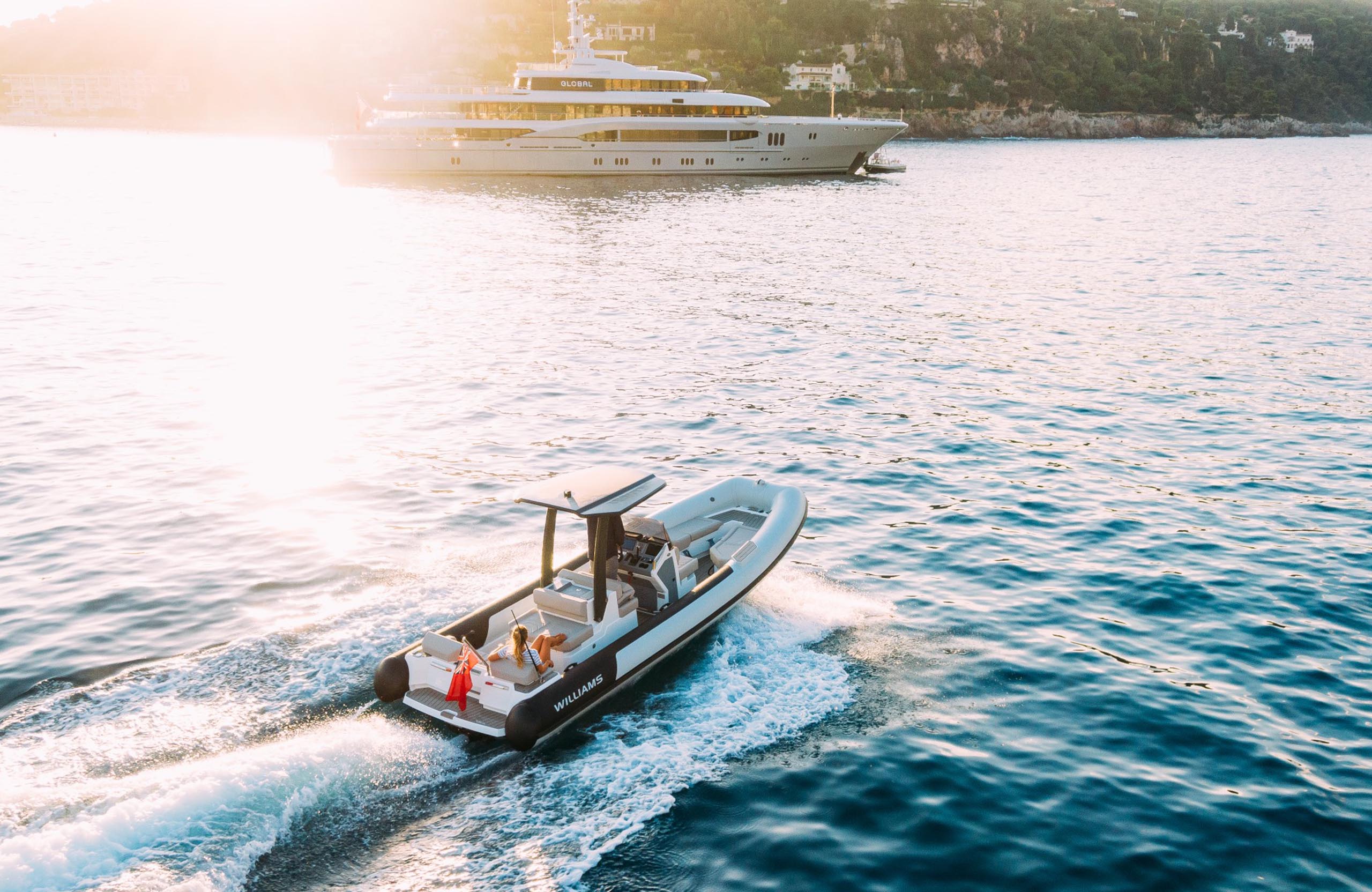 Williams · On the registerWilliams EvoJet 70LOA7.1mBeam2.65mTop Speed35knPrices on requestView on Superyacht Tenders →
Castoldi is the other pillar of this segment, with more than fifty years in waterjet propulsion and a diesel-jet range that suits owners who want jet handling without petrol aboard.
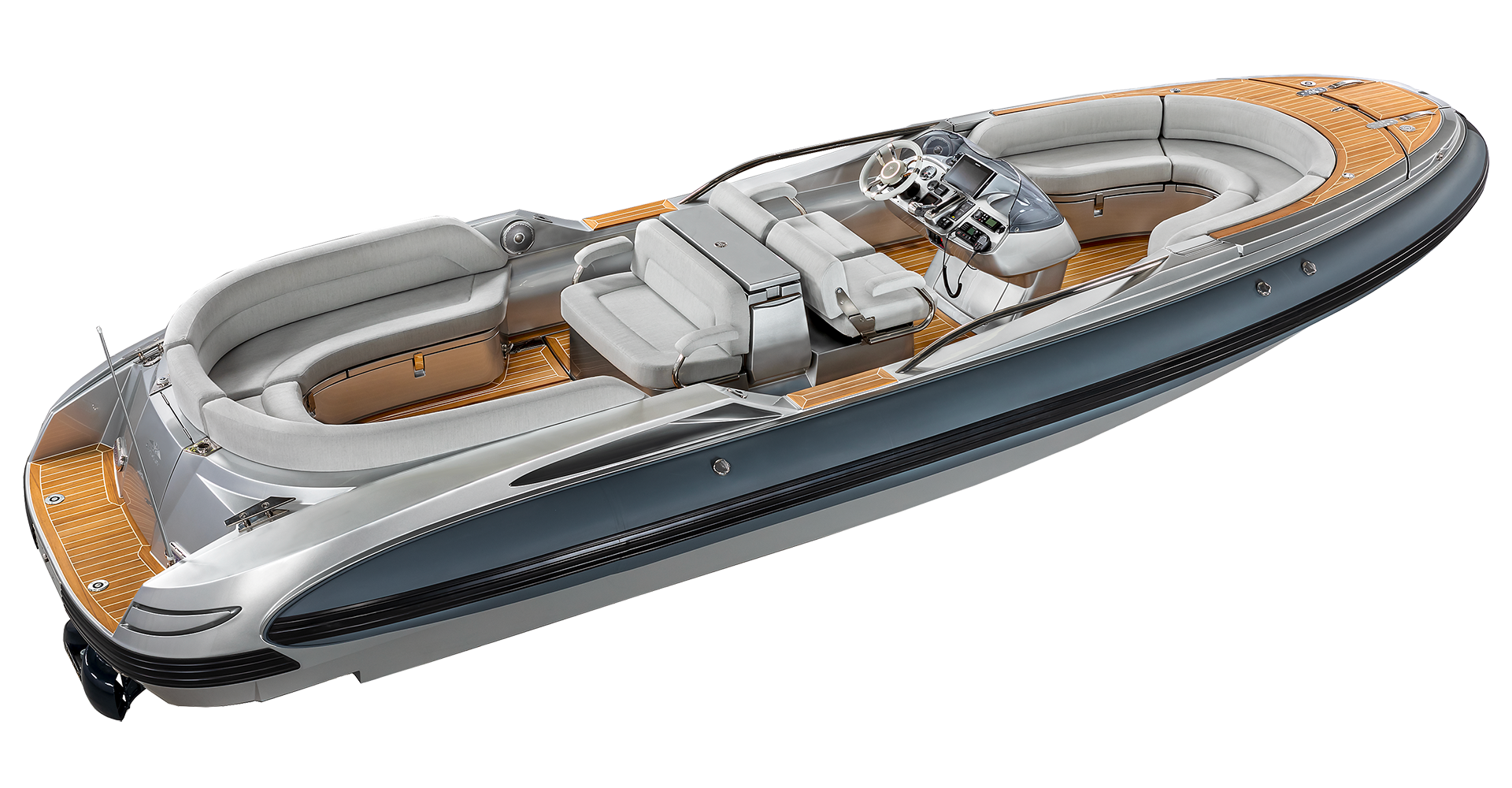 Castoldi · On the registerCastoldi 25LOA7.5mBeam2.60mTop Speed38knPrices on requestView on Superyacht Tenders →
The dedicated breakdown of this category, including where petrol jet, diesel jet and outboard sport boats each make sense, sits at jet tenders and sport tenders. Production sport platforms from the wider day-boat market also feed this segment for owners who want a runabout that doubles as a toy.
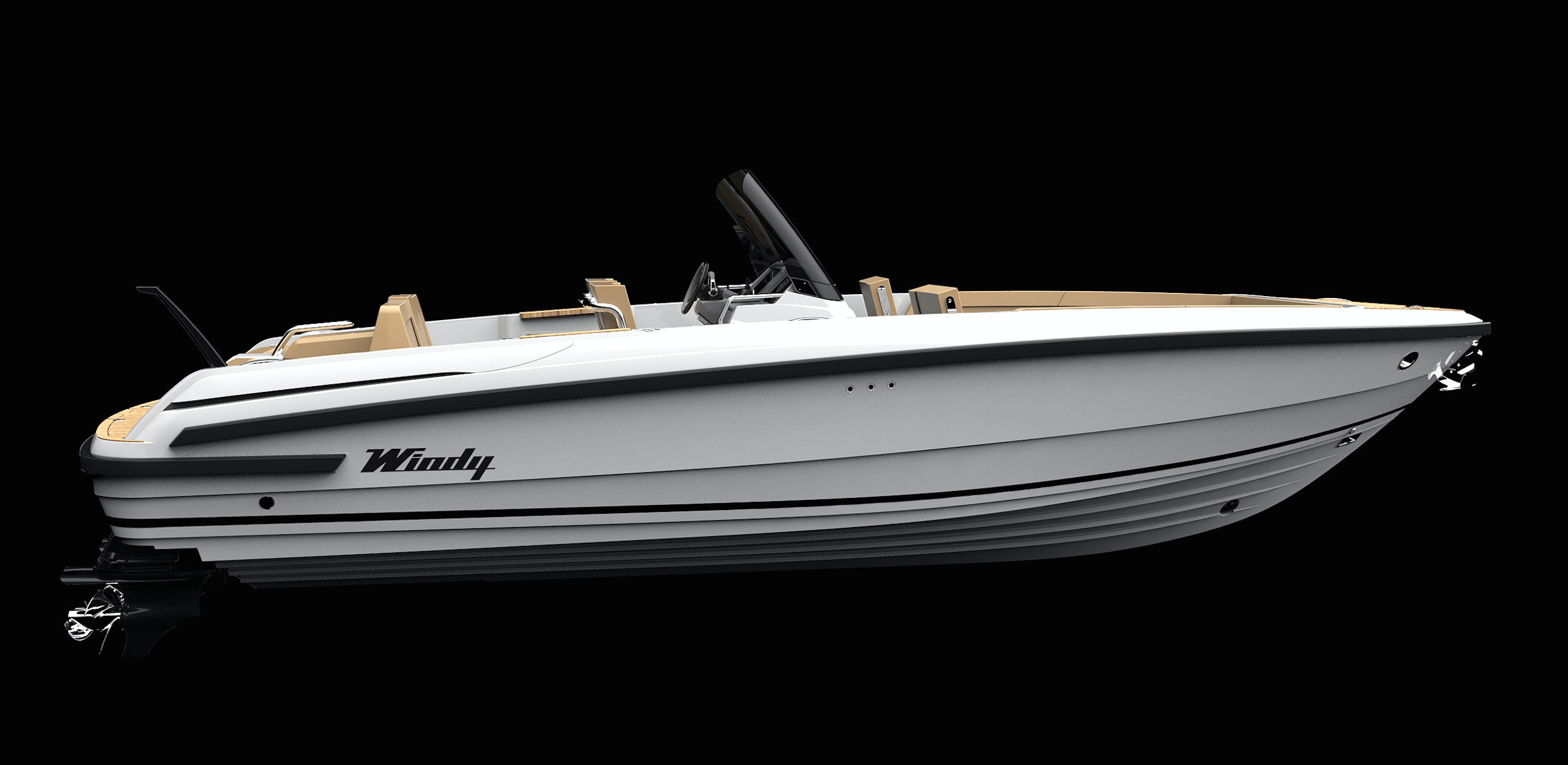 Windy · On the registerWindy SR28LOA8.4mBeam2.70mTop Speed45knPrices on requestView on Superyacht Tenders →
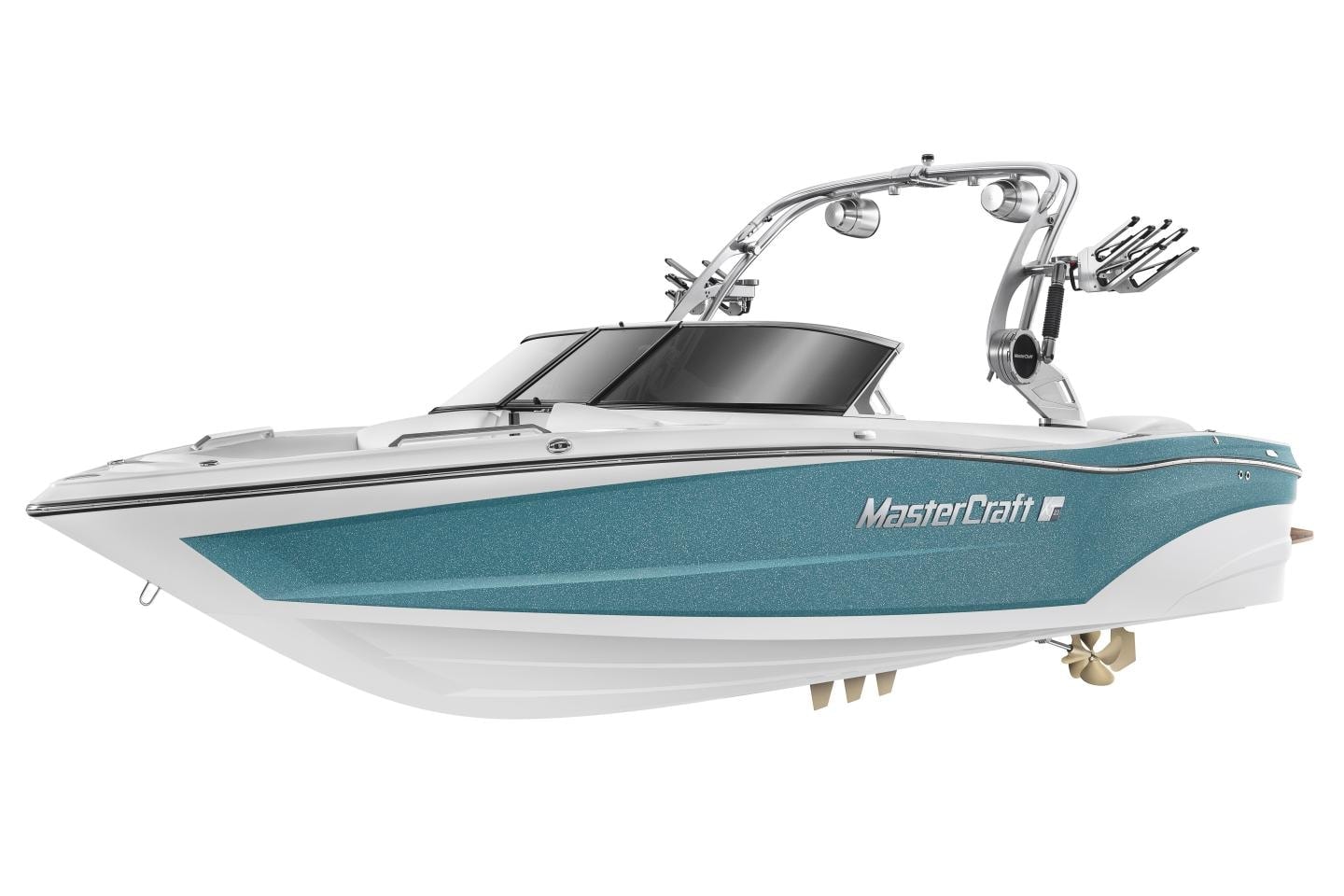 MasterCraft · On the registerMasterCraft XT23LOA7.1mBeam2.59mTop Speed37knPrices on requestView on Superyacht Tenders →
RIB and high-performance specialists
The fourth field is the rigid inflatable and high-performance day boat builders: Wajer, Goldfish and SACS among them. These yards build fast, beautifully finished boats that serve as tenders on smaller yachts and, increasingly, as chase boats run independently of the garage on larger programmes. The line between a flagship tender and a small chase boat is genuinely blurred here, which is exactly why owners ask us to compare the two. That comparison sits at tender vs chase boat.
How to shortlist a builder
Work in this order and the field narrows fast.
- Start from the use case. Beach landings, guest transfers in foul weather, watersports, diving, and crew logistics all pull toward different hulls. The brief decides the category before any builder is named.
- Measure the envelope. The garage cavity, door geometry, and crane or davit limits set a hard length and weight ceiling. A builder outside that band is off the list regardless of reputation.
- Match the category. A clean-sheet limousine wants a custom yard. A jet runabout wants Williams or Castoldi. A fast day boat wants the RIB and sport specialists. A configured platform on a deadline wants semi-custom.
- Then compare the rest. Propulsion, finish standard, classification support, lead time and aftercare matter more than the sticker price. Price follows from the first three fields, not the other way round. Our tender specification guide and cost of a superyacht tender put numbers against each tier.
A useful filter: a builder that has delivered repeatedly into yachts of your size and flag is worth more than one with a longer model list. Ask each shortlisted yard for references on comparable deliveries, and ask the captains who ran those boats. For a curated read on standout boats across all four fields, the best superyacht tenders guide is the place to start.
What we tell clients
There is no single best superyacht tender builder, and any yard that claims the title is selling you its own category. The honest answer is that the best builder is the one whose category, length range and delivery model fit your brief, your garage and your timeline. Define those three things first and the shortlist is usually three or four yards, not thirty.
If you are at the start of the process, read the complete guide to buying a superyacht tender, then come back to the relevant category page. If you already know the boat you want, the fastest route to a like-new hull is the brokerage market: see current stock at new and pre-owned tenders. And if you want to browse yards directly, the full builders directory lists every manufacturer we track.
Sources
- Compass Tenders, manufacturer site — Compass (retrieved May 2026)
- Pascoe official site — Pascoe