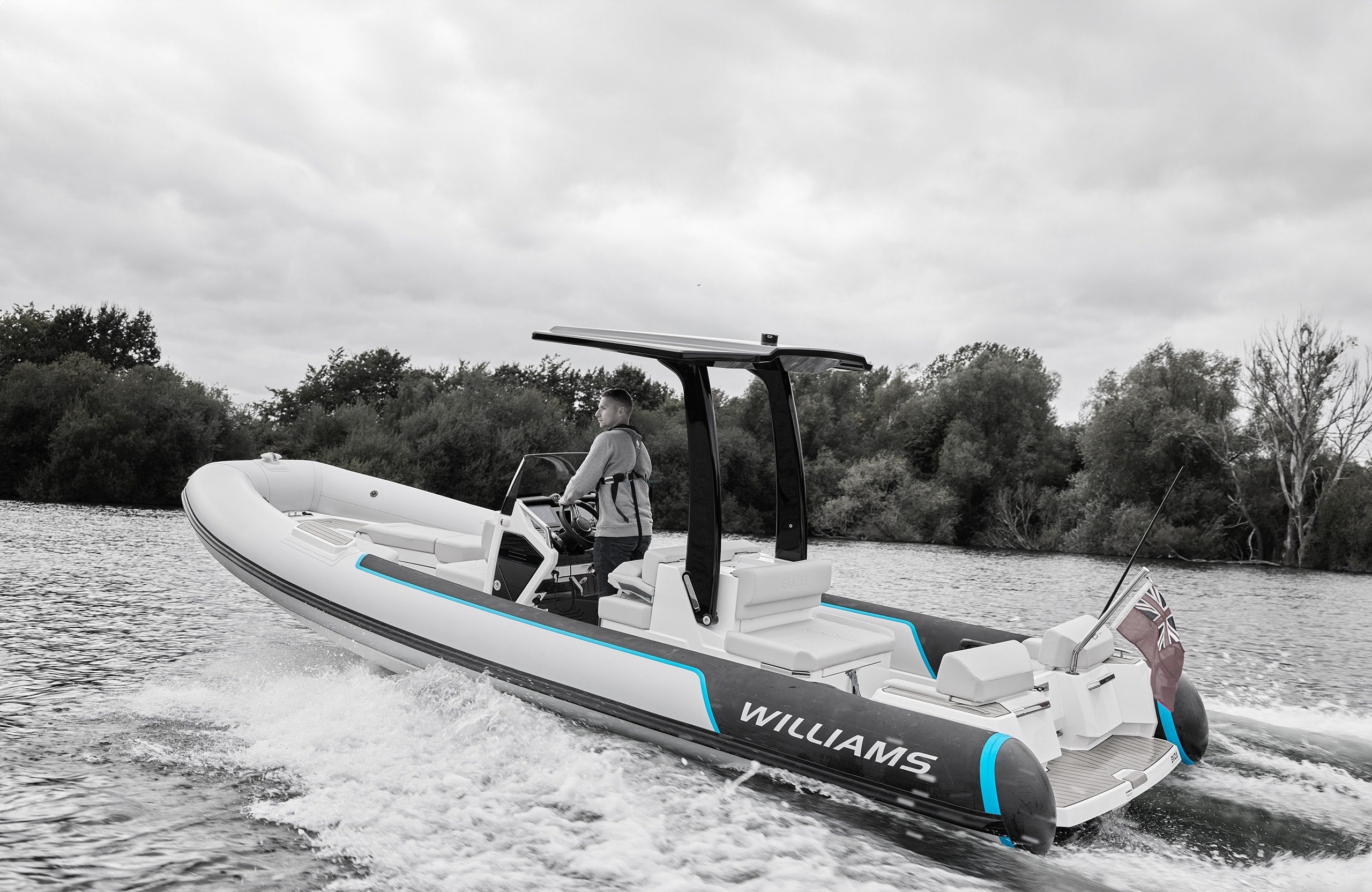
The short version: in 2026 a pure battery-electric chase boat is still a compromise once you ask it to do real chase boat work. The physics of fast planing and the energy density of current batteries pull in opposite directions. Hybrids are a different story, and they are starting to appear on the right hulls for the right reasons. This page sets out where each driveline actually stands, with realistic numbers rather than launch-day marketing, so you can specify with your eyes open. If you are new to the category, start at what is a chase boat and come back.
Why pure-electric struggles at chase boat speed
A chase boat earns its keep by going fast and going far. The job spec is usually a 35 to 45 knot cruise and several hundred nautical miles of independent range, which is exactly the duty cycle that battery-electric power handles worst.
The problem is a closed loop. To plane fast you need a light hull. To hold range you need a large, heavy battery. Add enough cells to chase a diesel boat's range and the hull is too heavy to plane efficiently, which drains the pack faster, which demands a still bigger pack. Builders describe the same trap: too small a battery gives almost no range, and too large a battery is too heavy to plane. The efficient point for an electric planing hull is the moment it just lifts onto the plane, around 20 to 28 knots, not the 40 knots a chase boat is bought for.
That is why the genuinely successful electric craft on the market today are slow or short-range by design. The numbers below show the gap clearly.
The range and weight reality
Here is where current production electric tenders land, against what a comparable diesel chase boat delivers.
- Electric range at speed. The Falcon E8 carries a 63 or 126 kWh pack and returns roughly 30 nautical miles at a cruise near 30 knots. That is a strong result for the class, and still an order of magnitude short of chase boat range.
- Diesel range at speed. A diesel chase boat in the same length band typically holds 400 to 850 nautical miles at cruise. See chase boat range for the full breakdown.
- Battery weight. Useful packs run from one to several tonnes before you add the hull, structure, and motors. On a planing boat every tonne pushes the hull deeper and costs you speed and efficiency.
- Charging. Fast DC charging takes a strong electric tender from 20 to 80 per cent in under an hour, but only where shore power or the mothership can deliver that current. A diesel boat refuels in minutes from a can or a dock.
Read across that list and the pattern is plain. Electric wins on noise, smell, and harbour emissions. Diesel still wins decisively on the two metrics that define a chase boat: sustained speed and range. For the wider driveline picture see chase boat propulsion.
Where hybrids actually make sense
Hybrids sidestep the trap by carrying both energy sources. You keep the diesel for transit speed and range, and use a battery and electric motor for the jobs diesel does badly.
There are two common architectures. A serial hybrid drives the propeller with an electric motor and runs a separate diesel generator to feed it, which lets the generator sit clear of the accommodation. A parallel hybrid puts the electric motor and the diesel on the same shaft, which is more compact. Both give you selectable diesel-only, electric-only, or combined modes.
The strong hybrid use cases on a chase boat are specific and real:
- Silent slow-speed and overnight loiter. A dive standby, a fishing drift, or a night at anchor near the mothership is far more pleasant with the diesel off.
- Emission-free harbour and marina work. Many Mediterranean and Scandinavian ports now reward or require it, and a quiet, clean approach matters on a guest-facing boat.
- A short electric-only hop. Crew transfers and tender runs of a few miles can happen on the battery alone, saving fuel and engine hours.
- A power boost on demand. The battery can add instant torque to the diesel when you need it.
The cost of all this is honest and worth stating. Hybrid systems are heavier, more complex, and more expensive to buy and maintain than a clean diesel installation. On a boat that lives at 40 knots, much of the battery weight is dead weight most of the day. That added complexity also shows up later, which is why we flag it in chase boat maintenance and chase boat cost.
What the builders are doing
The credible electric and hybrid work is happening on tenders first, not chase boats, because the duty cycle is gentler. Hodgdon's electric tenders, built around Vita Power drivelines, reach into the mid-30s in knots over short ranges. Falcon and several limousine-tender builders are shipping electric hulls today. On the chase boat side, the fast specialists behind boats like the 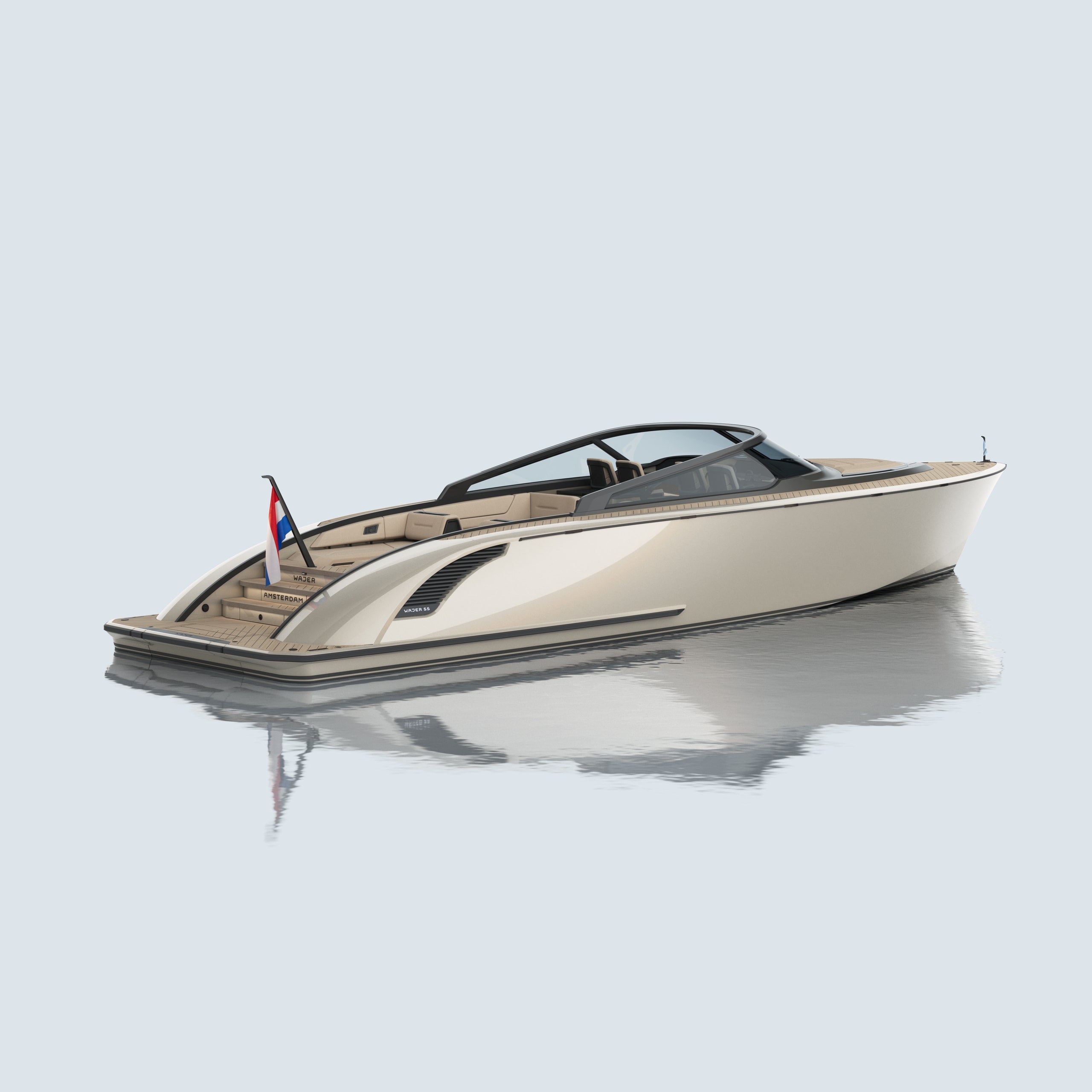 Wajer · On the registerWajer 55LOA16.8mBeam4.65mTop Speed38knPrices on requestView on Superyacht Tenders → and the
 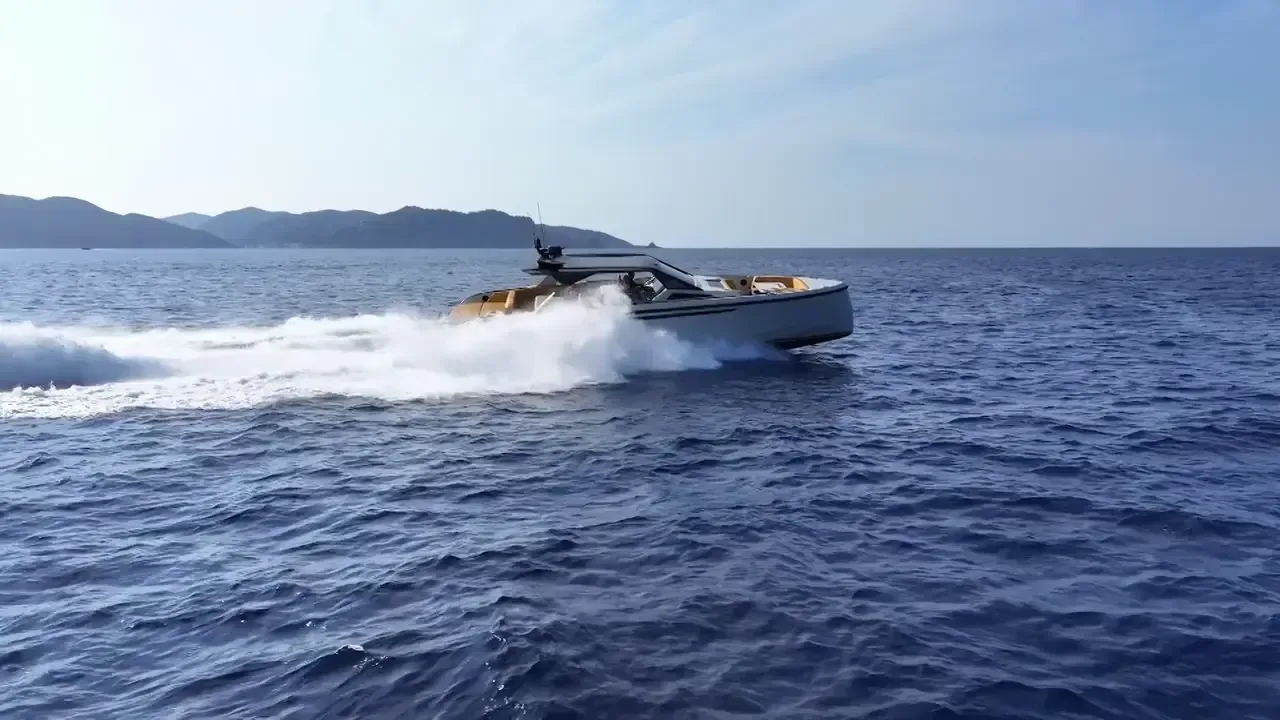 Vanquish · On the registerVanquish 55LOA16.6mBeam4.91mTop Speed65knPrices on requestView on Superyacht Tenders → are watching hybrid options closely while keeping diesel and outboard power as the default, because that is what holds the speed and range their clients buy.
On the broader yacht, hybrid is already mainstream: Boat International notes that Feadship's Savannah achieved fuel savings of around 30 per cent with its hybrid setup. The catch is scale. A 70 metre displacement yacht has room and weight budget for batteries that a 14 metre planing hull simply does not. The same technology does not transfer cleanly down to a boat that has to fly.
For high-latitude programmes the calculus shifts again. Cold reduces battery capacity and shore charging is scarce, so expedition chase boats almost always stay diesel, sometimes with a small hybrid layer for silent wildlife approaches.
How this compares to electric tenders
It is worth separating the two categories, because the answer is genuinely different. A garaged tender does short, slow runs from a beach to a yacht and back, which is exactly the duty an electric driveline handles well. That is why electric is advancing fastest there. We cover it in full at electric tenders and in the electric and hybrid yacht tenders guide.
A chase boat does the opposite job: long, fast, independent runs. The same battery that gives a tender a comfortable day gives a chase boat a short hop. So if someone tells you electric is solved on tenders, they may be right, and it tells you nothing about whether it works on a chase boat. The general tender category and the superyacht chase boats overview sit either side of that line.
What we tell clients
When an owner asks for an electric chase boat, we walk through the duty cycle first. If the real use is short, slow, harbour-bound work near the mothership, an electric tender may be the honest answer, not a chase boat at all. If the use is genuine chase boat work, fast and far, then in 2026 the answer is diesel or outboard, full stop, because nothing else holds the speed and range.
Where we do recommend going part-electric is the hybrid middle ground, and only when the brief actually values silent loiter, clean harbour work, and the occasional short electric hop enough to justify the weight, cost, and complexity. For a fishing or dive programme that spends hours drifting, that can be money well spent. For a boat that just needs to get the principal somewhere quickly, it is weight you carry for no return.
Our steady advice: buy the driveline that matches the job, not the one that reads best in a brochure. Electric is coming, and the tender end of the market shows it works when the duty cycle is right. The fast, long-range end where chase boats live is the last place it will arrive. If you are weighing the decision, read buying a chase boat and the best chase boats guide, then talk to us about your actual operating profile before you commit to a driveline.