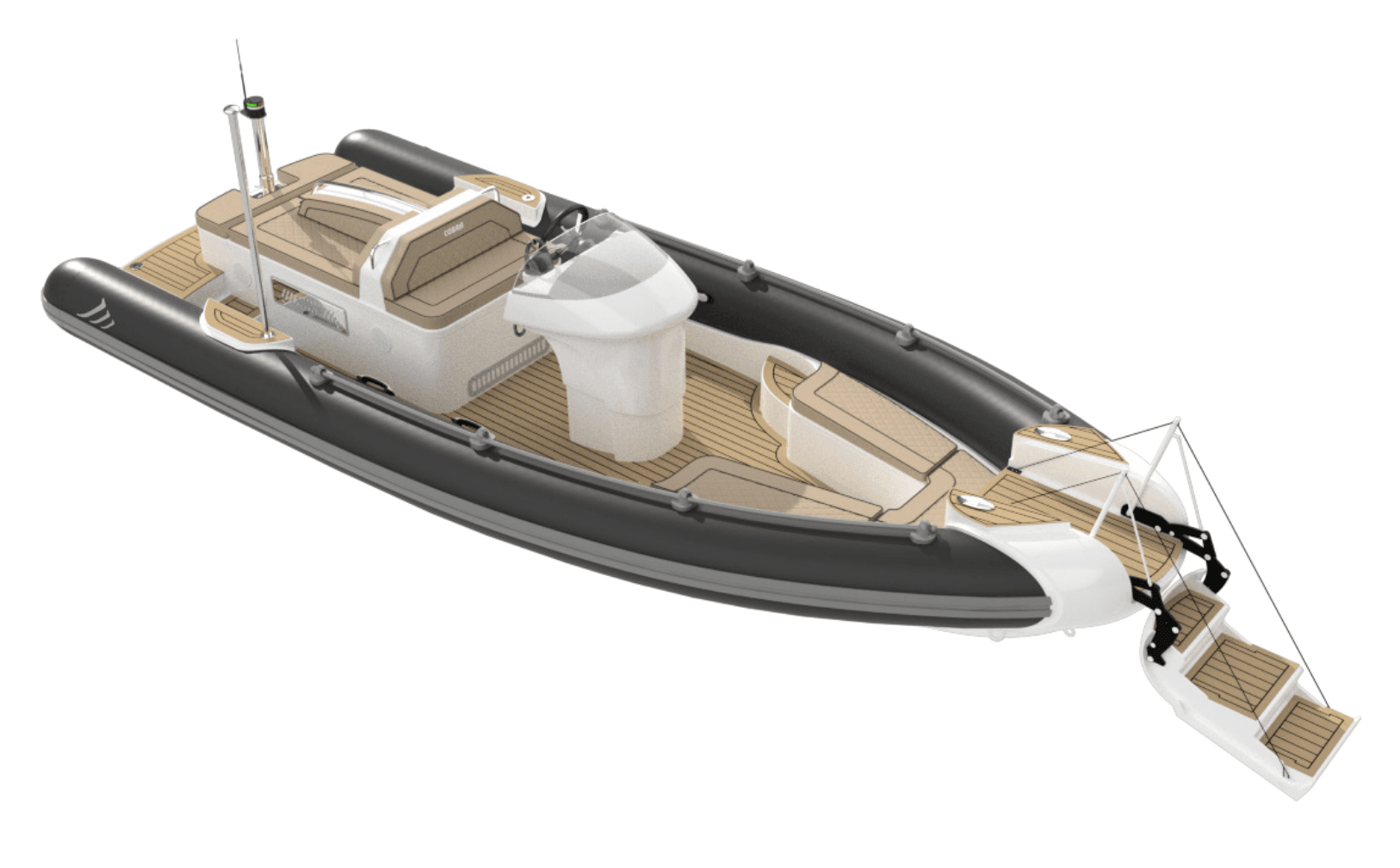
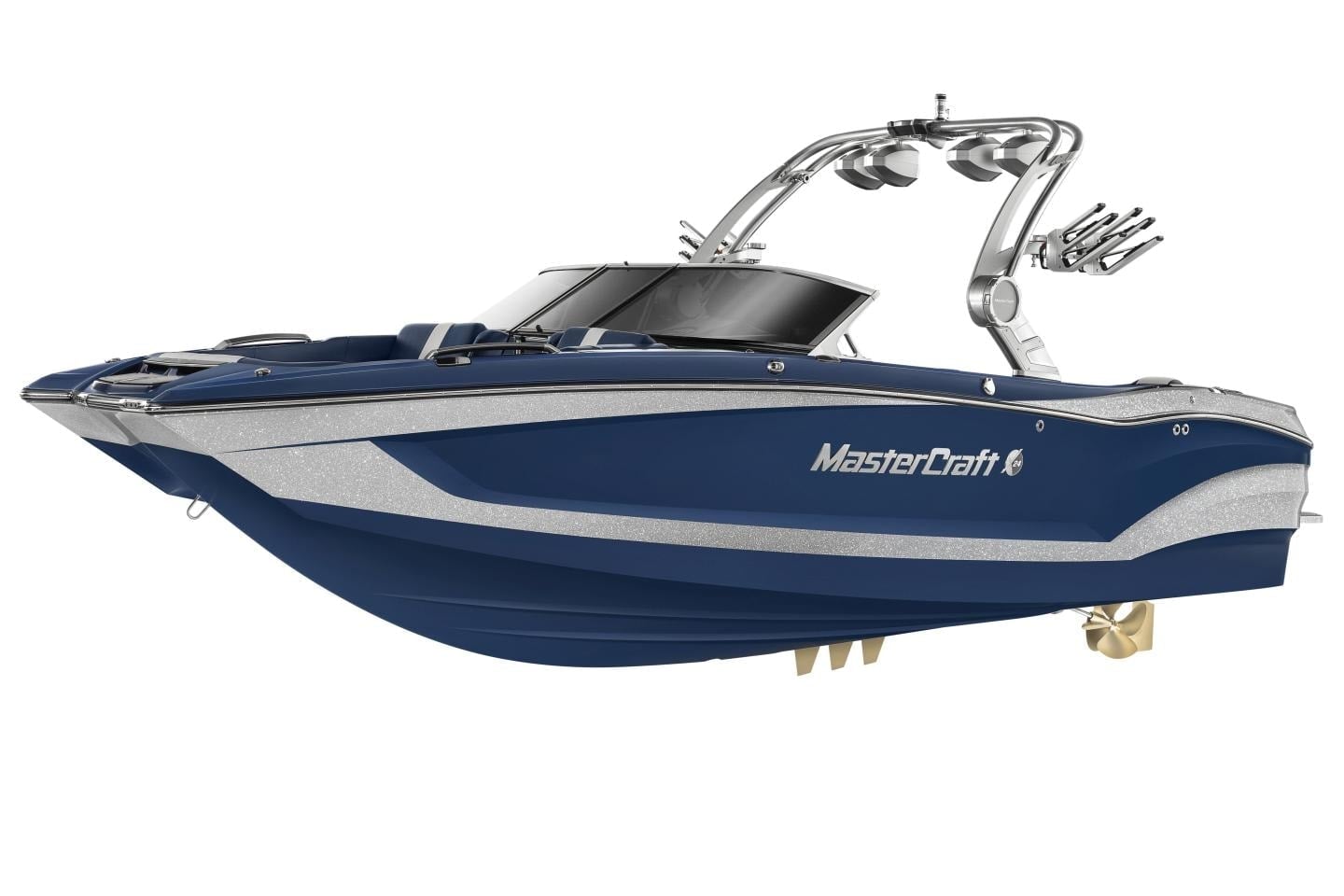
Owners arrive at the tender brief from one of three places. Either they have already toured a builder's stand at Monaco and want a particular model, or their captain has handed them a list of preferred yards, or they have no idea where to start and want a recommendation. This guide is for the third case, and for the first two when the chosen route looks wrong against the brief.
The three tiers (production, semi-custom, full custom) are not a quality ladder. They are a different commercial proposition each. Pick the wrong tier for the brief and the build will struggle to deliver, regardless of how good the yard is. This guide explains what each tier actually means in 2026, who builds in each band, what they cost, what you give up, and how to decide.
For the wider taxonomy, see the superyacht tenders overview, the custom superyacht tenders spoke, the semi-custom tenders spoke, and the new tenders overview.
What the three tiers actually mean
The market uses these words loosely. Here is the definition we work to internally.
Production
A production tender is built from a fixed mould to a fixed specification, configurable through option packs. The hull and deck are tooled. The builder makes hundreds of the same boat across the model's life. Lead time is short (six to twelve weeks for in-stock, three to six months for built-to-order), customisation is limited to colour, upholstery, and option packs, and the price is published.
Semi-custom
A semi-custom tender uses a fixed hull (often shared across multiple model lengths) but is built to order with significant configuration of the deck arrangement, interior, propulsion choice, and finish. The yard makes 5 to 30 of any given model per year. Lead time is twelve to eighteen months. The owner picks the colour, the engine package, the cockpit layout from a menu, and many of the soft furnishings. The price is negotiated within a band.
Full custom
A full custom tender is designed from a blank sheet for one owner. The hull is tooled or built one-off. A naval architect is engaged. Build runs eighteen to thirty months. The yard typically makes one or two boats a year of any given concept. The owner controls every detail, with corresponding cost.
The boundaries blur. Some yards offer all three tiers from the same building. Some "semi-custom" briefs are effectively full custom because the configuration touches the hull. The right question is not what the yard calls itself but how flexible the build actually is and how long it takes.
The three tiers side by side
| Dimension | Production | Semi-custom | Full custom |
|---|---|---|---|
| Indicative price band | 80,000 to 350,000 EUR | 400,000 to 1.2 million EUR | 1 to 3 million EUR (limousines), higher for chase boats |
| Typical lead time | 6 to 12 weeks (stock) or 3 to 6 months (BTO) | 12 to 18 months | 18 to 30 months |
| Hull tooled | Yes, shared across all units | Yes, shared across model length | One-off or new tooling for owner |
| Configuration freedom | Option packs, colour, upholstery | Layout, propulsion, finish, soft furnishings, some structure | Everything, including hull form |
| Naval architect | Builder's in-house | Builder's in-house | External NA engaged |
| Class society involvement | Rare | Sometimes | Usually |
| Annual build volume | 100s | 5 to 30 | 1 to 2 |
| Resale liquidity | High | Moderate | Low |
| Warranty | 12 months on hull, manufacturer on engines | 24 months on hull common | 24 to 36 months negotiated |
Indicative prices are for primary tenders at typical lengths, summer 2026. The cost of a superyacht tender page tracks current pricing in more detail.
Who builds in each tier
Production yards
The dominant production tender builders for the superyacht market:
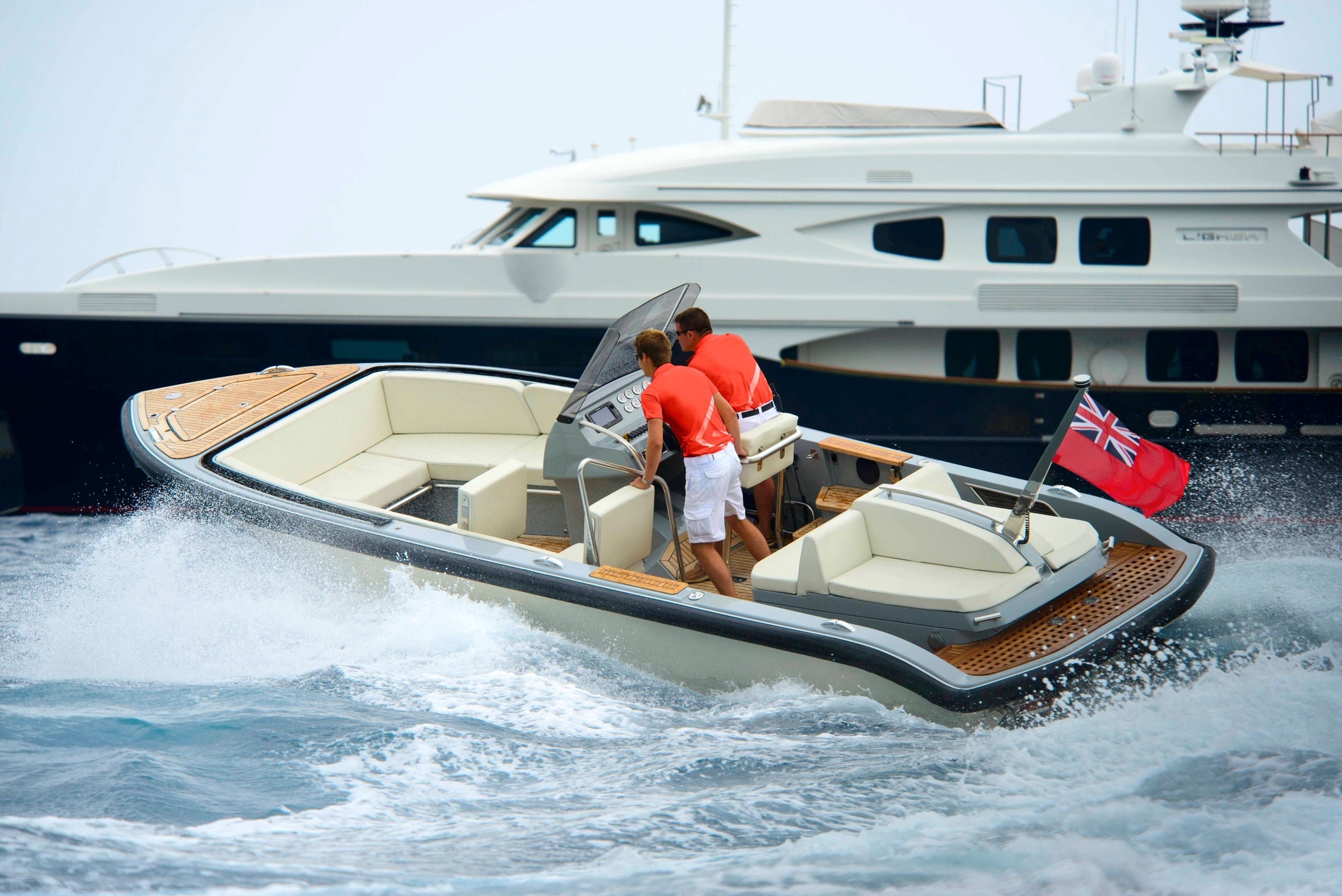
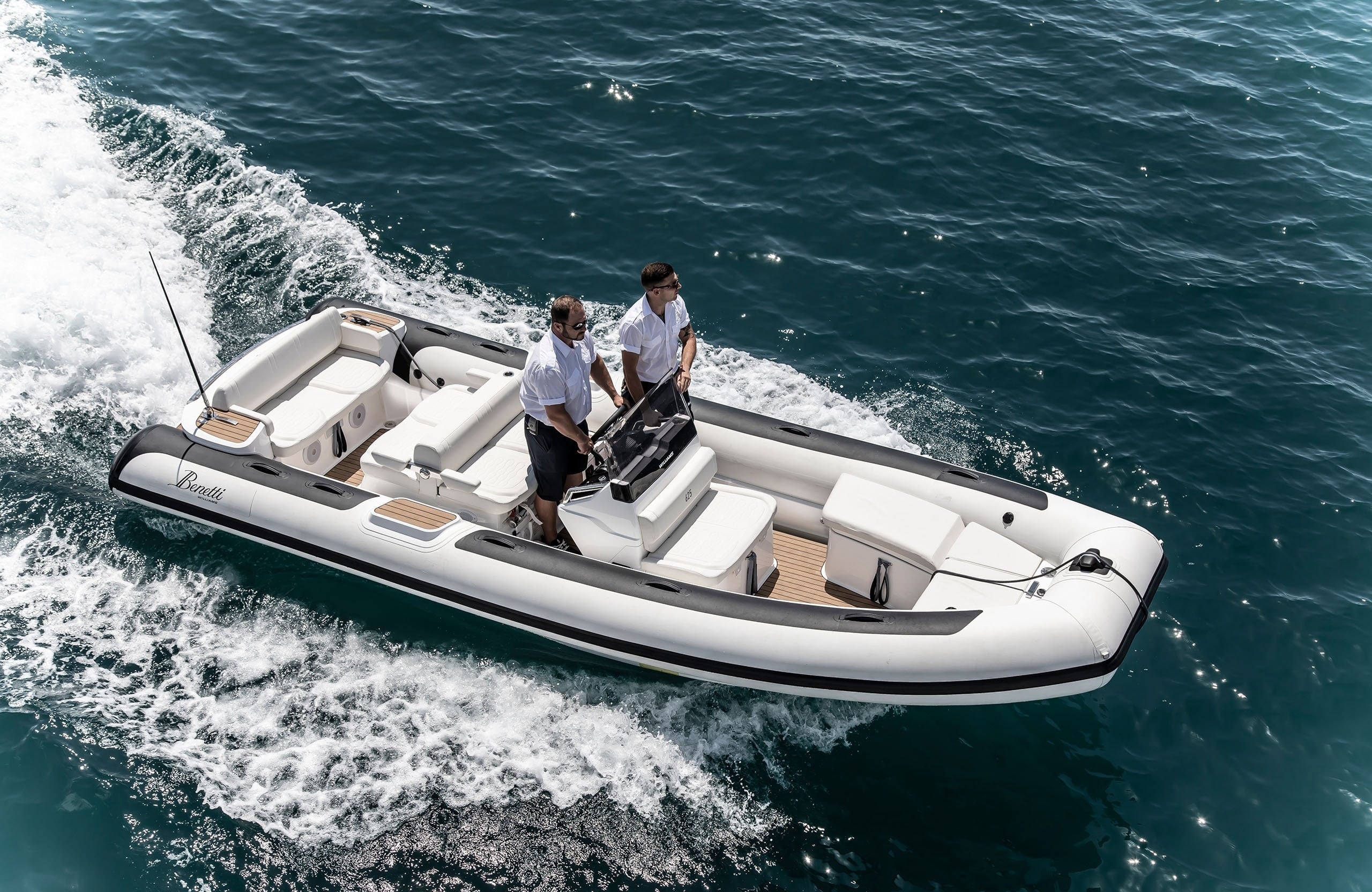
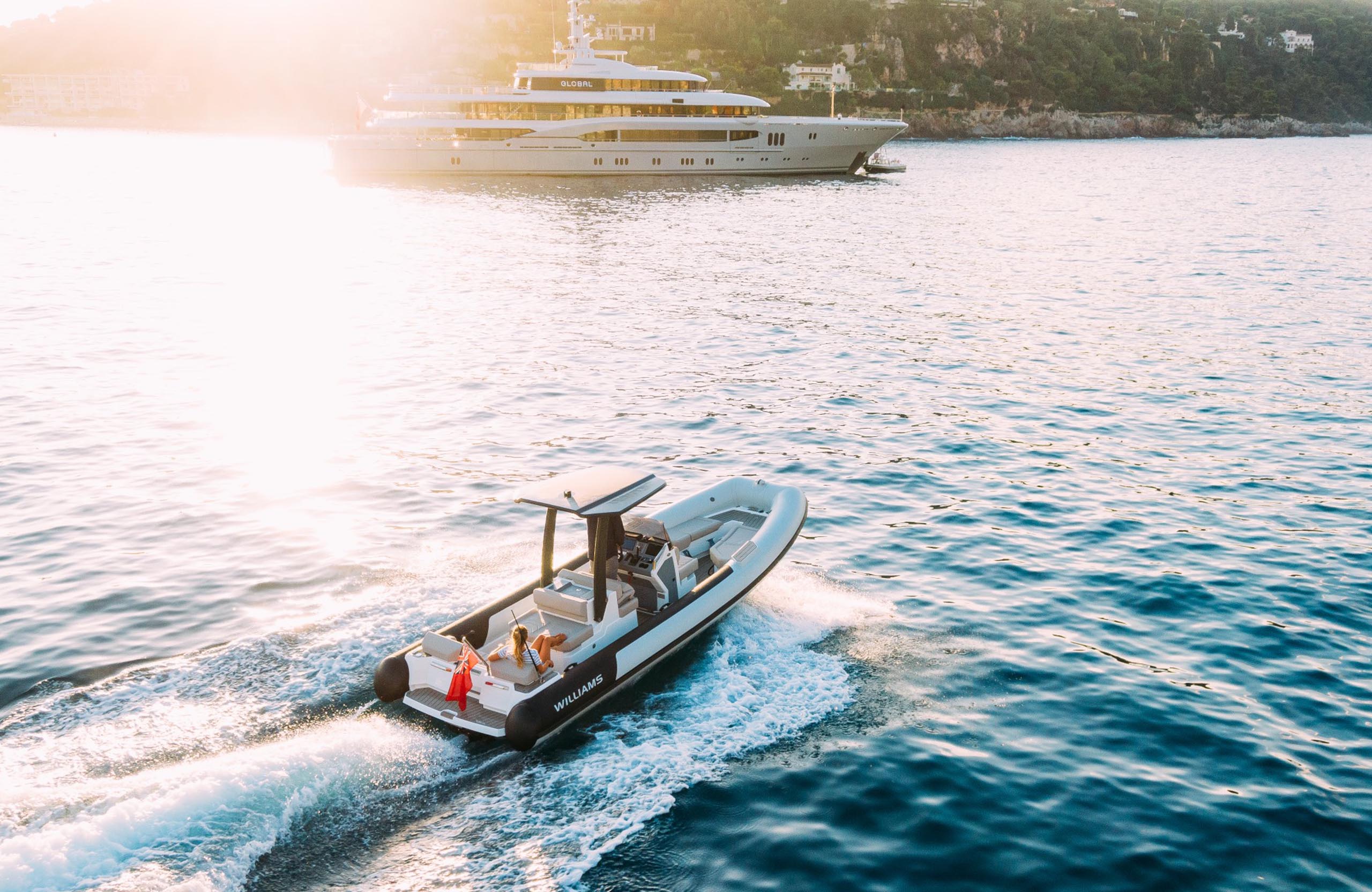
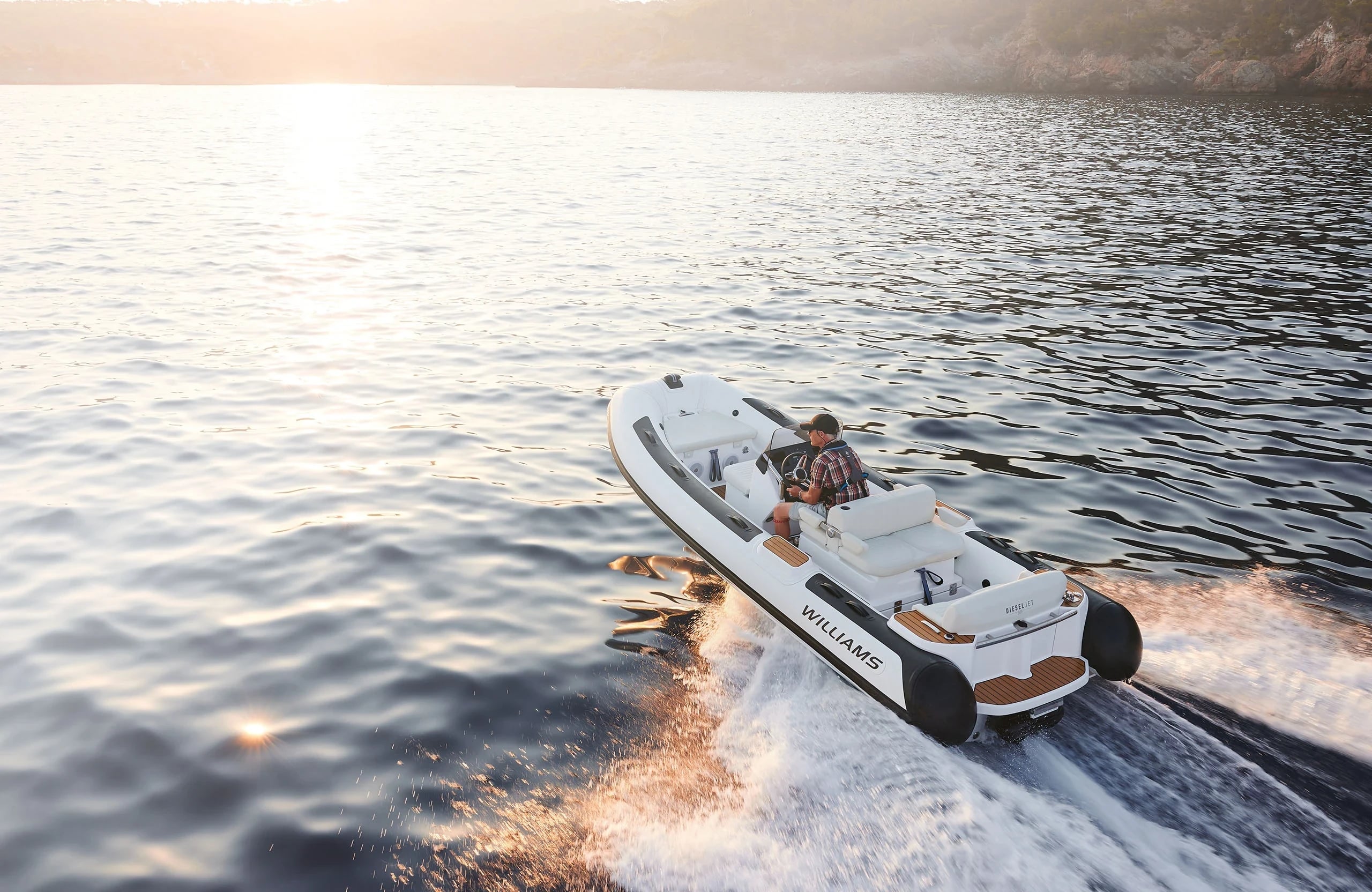
- Williams Jet Tenders - the default production fleet for tenders under 5.5 m, with the Sportjet, Dieseljet, and Hybrid ranges. Williams ships hundreds of units a year.
- Castoldi - Italian builder of jet-driven production RIBs from 4 to 7 m, popular as garage tenders on smaller superyachts.
- Zodiac, Highfield, and the larger commercial RIB builders, where the boat is the platform and the yacht owner adds fitout via a third-party trim shop.
- Inflatable specialists for the toy fleet rather than the primary tender.
A production tender is the right answer when the brief is "we need a working tender that fits the garage and we do not want a bespoke project." Most secondary tenders, chase boat toys, and crew tenders fall here.
Semi-custom yards
The semi-custom band is where most modern superyacht primary tenders are built. Names worth shortlisting:
- Pascoe International - the dominant name in the limousine segment, with the SL and SY series running from 5 to 12 m. Pascoe also builds the bulk of the SOLAS rescue tender market.
- Wajer Yachts - the 38, 55, and 77 hardtop platforms span tender and chase boat duty.
- Yachtwerft Meyer, German builder offering semi-custom limousines from 10.5 to 12 m.
- Tenderworks, Dutch yard focused on flush-deck limousines and beach landers.
- Hodgdon Custom Tenders, the production end of Hodgdon's range, distinct from their full custom work.
- Cockwells, English builder with a strong limousine and classic launch line, including code-compliant units.
Semi-custom is the right answer for primary tenders on yachts of 50 m and above where the brief includes specific configuration choices but the owner does not want to engage a naval architect. The economics work for any tender between roughly 6 and 12 m.
Full custom yards
Full custom is reserved for tenders that have a specific brief no production hull will satisfy. Common reasons include:
- An unusual garage envelope that no off-the-shelf tender fits.
- A radical hull form (catamaran, trimaran, hydrofoil) the production market does not yet build.
- An aesthetic brief that requires bespoke styling matched to the mothership.
- A hybrid or fully electric platform built around the owner's spec rather than a builder's stock package.
The yards that consistently deliver in this band:
- Hodgdon Yachts, cold-moulded carbon construction, with the Venture chase boat and bespoke limousines.
- Cockwells, English yard with deep classic-launch experience and a strong custom book.
- Vikal, Australian yard known for limousines on the largest yachts.
- Independent boatbuilders working with named naval architects (Diana Yacht Design, Vripack, Bray Yacht Design) on one-off projects.
A full custom build typically engages a naval architect (NA) and a yacht designer (often the same studio that designed the mothership). The contract structure is closer to a small yacht build than to a tender purchase.
How to choose
Run the brief through these questions in order.
1. Is the tender primary or secondary?
Primary tenders (the boat the owner uses) deserve the time and money of semi-custom or full custom. Secondary tenders (toys, crew tenders, beach landers) usually do not. A production Williams for the secondary slot saves the budget for the primary boat.
2. Does the garage envelope match a production hull?
Check the garage box dimensions against the production catalogue. If a production or semi-custom hull fits within 50 mm tolerance, take it. If nothing fits, the brief moves toward custom.
3. Is there a configuration choice that production cannot deliver?
Common examples: a specific propulsion package (twin diesel jets versus quad outboards), a hardtop that the production builder does not offer, a beach lander geometry, a catamaran hull. If the answer is yes, semi-custom or full custom.
4. What is the lead time tolerance?
A yacht launching in nine months cannot wait for a thirty-month custom build. The lead time of the tender is determined by the latest you can sign the contract and the earliest the boat must be on board for sea trials. Plot it against the delivery timeline guide.
5. What is the budget?
Be honest. A 200,000 euro budget will not deliver a custom 9 m limousine. A 1.5 million euro budget should not be spent on an option-packed production tender; the marginal money is better invested in semi-custom upgrades that improve the daily experience.
6. Is the owner engaged in the build?
Custom builds need an engaged owner or owner's rep present at three to five yard visits. If the owner has no time and the captain is overstretched, semi-custom (or production) is the realistic answer.
7. What is the resale plan?
Production and semi-custom tenders have liquid second-hand markets. See used tenders for the current state of the brokerage market. Custom tenders are illiquid: they were built to one owner's brief and the second owner's brief is rarely identical. Plan to keep a custom tender or accept a discount on resale.
What the tier choice actually changes day to day
Owners often think the tier choice is about how the tender looks. In practice, it changes:
- Lead time and yard slot. Production tenders ship; semi-custom builds slot into a yard's annual run; custom builds tie up a slot for two years.
- Spec freeze date. Production: at order. Semi-custom: 8 to 12 weeks before construction. Custom: by design phase, typically six months before lay-up.
- Change orders. Production: minimal scope. Semi-custom: priced from a menu. Custom: priced individually, usually at a premium.
- Aftercare. Production builders have wide dealer networks. Semi-custom builders have factory service in the major cruising regions. Custom builds may need to come back to the yard.
- Documentation. Production tenders ship with a builder's certificate. Semi-custom comes with a fuller pack. Custom tenders carry full as-built drawings and a stability book.
For more on what to expect from each contract type, see the tender buying process page.
Mixing tiers across the fleet
The right answer for many yachts is not a single tier but a mix. A typical 70 m yacht's tender fleet might be:
- One semi-custom limousine for guest transfers.
- One production sport tender for water-skiing and beach drops.
- One SOLAS-compliant rescue tender, production from a specialist yard.
- One chase boat parked separately, semi-custom or production.
Mixing tiers lets the budget concentrate where it matters (the boat the owner sees daily) without overpaying for boats that exist for crew or compliance. We help build managers structure this mix at the start of the brief; see services.
Common decision mistakes
- Buying custom when semi-custom would have fit. Most owners over-spec the primary tender. The bespoke joinery does not change the daily experience the way the engine package and cockpit layout do.
- Buying production when the brief was custom. The boat fits the garage and ticks the spec, then the owner uses it once and orders a replacement.
- Mixing the wrong tiers. A custom limousine paired with a no-name production sport tender looks odd on the boat deck. Spend a little more on the secondary boat to match the standard.
- Underestimating the time cost of custom. A two-year custom build is 100 hours of owner and captain time minimum. Pencil it in.
- Specifying the resale into the brief. A tender designed to be liquid in resale will compromise on owner-specific features. Buy for use, not for resale.
Sources
- Castoldi official site — Castoldi
- Pascoe official site — Pascoe
- Williams official site — Williams