The Best Beach Landers (2026)

The best beach lander drops its bow on the sand, keeps guests dry, and does not strand its propulsion or its engine cooling doing it. This is the owner's-side shortlist, the bow-ramp mechanics that decide it, and how a beach lander differs from an amphibious tender.

Reviewed 17 May 2026

A beach lander exists because a conventional tender cannot get within 30 metres of most beaches without grounding its propulsion or wading guests ashore in waist-deep water. "Best" is decided by the bow-ramp mechanism, the hull geometry that lets the bow plant without slamming, and the question that gets missed: how the engine cooling behaves when the boat is sitting on sand. This is the builder shortlist and the decision logic; see also the best superyacht tenders and the beach landers pillar.

What a beach lander is, and how the bow ramp works

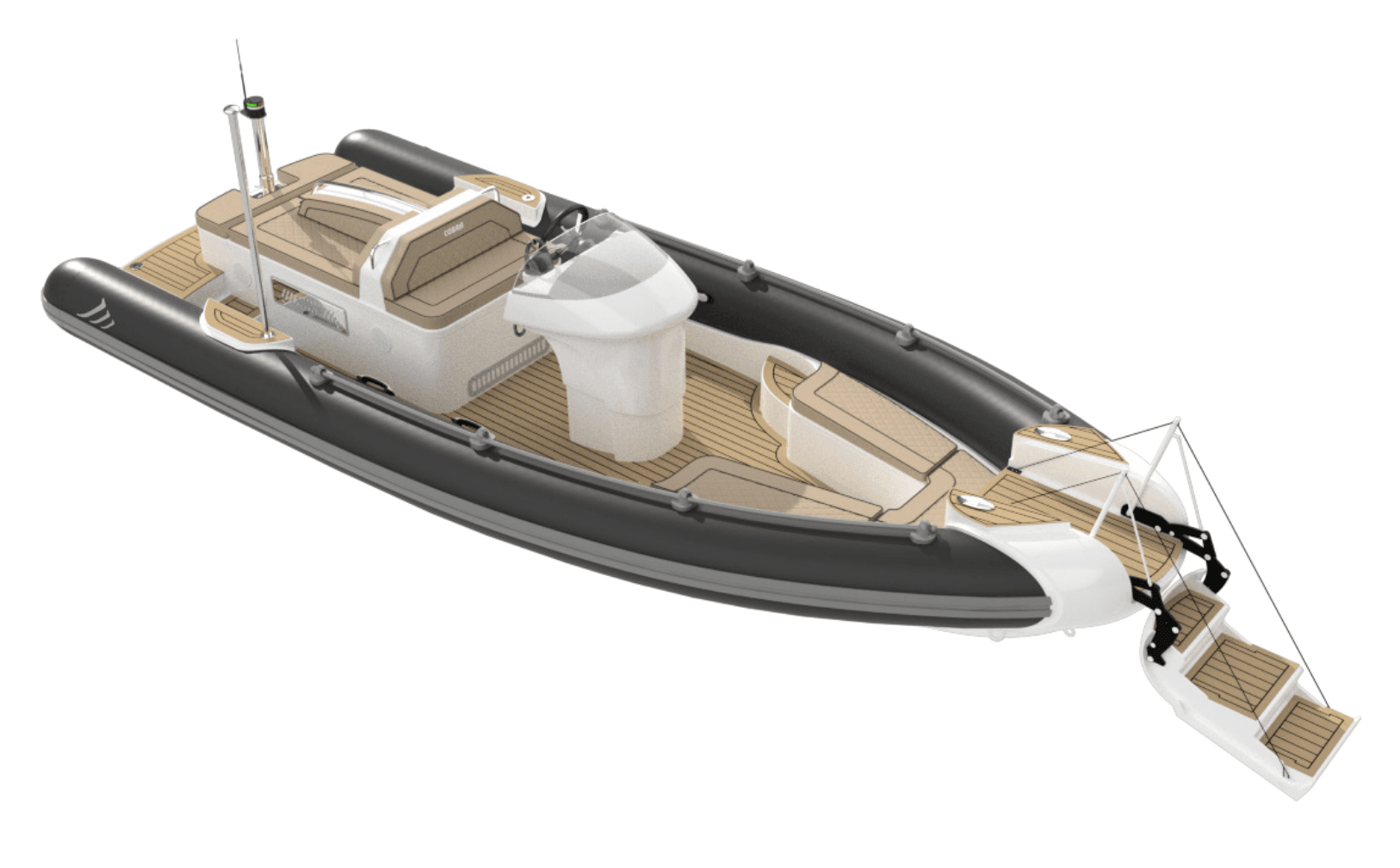
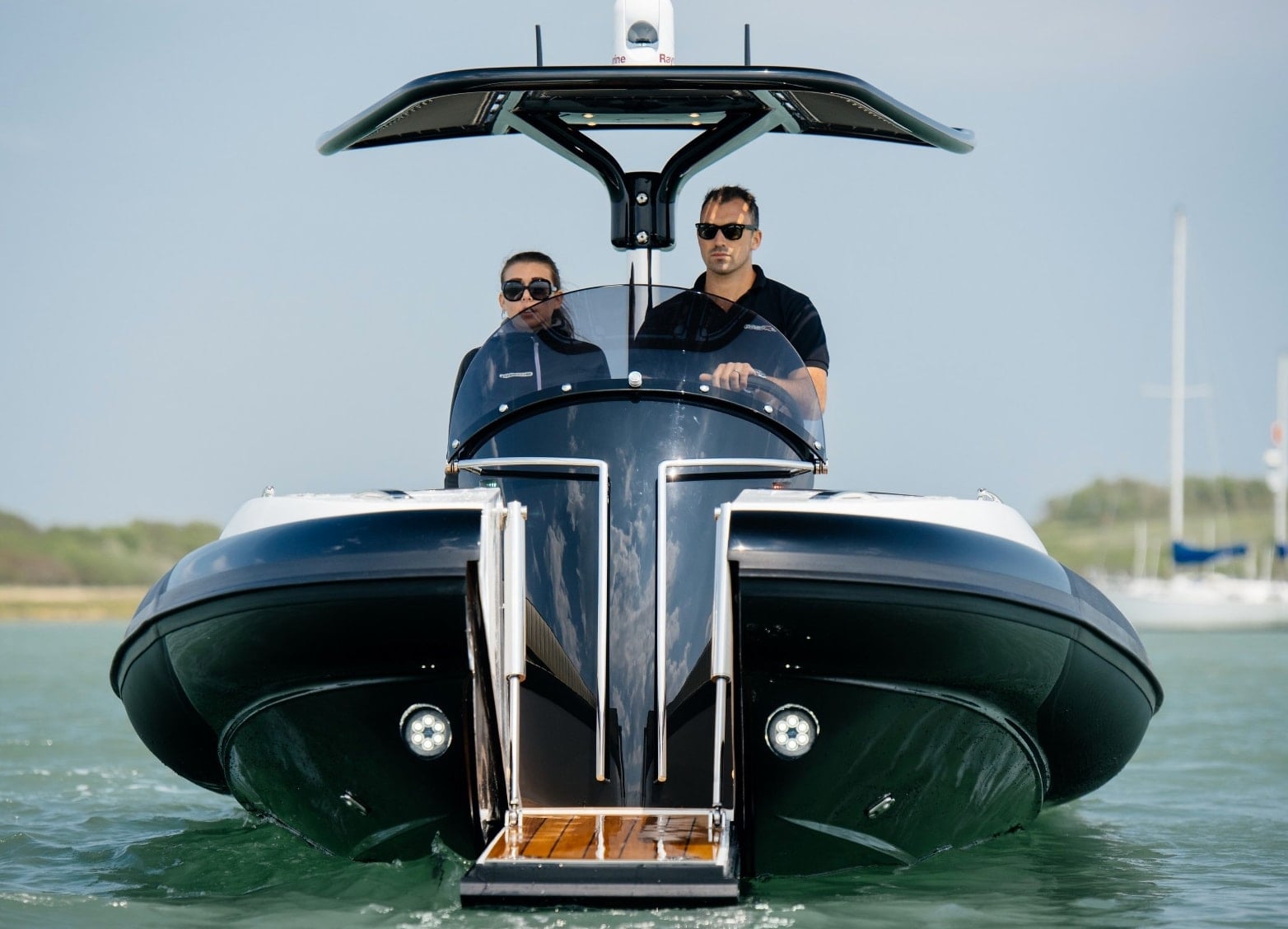
A beach lander is a shallow-draft tender that noses bow-first onto the sand and deploys a ramp or door so guests and stores cross dry. There are two mechanisms, and the split is roughly by size:

  • Fold-out bow step or manual ramp: lighter, simpler, common on the smaller hulls. The trade is deployment effort and a lower safe sea state for the landing.
  • Hydraulic bow door: powered, faster, and the standard on larger boats. Pascoe introduced a hydraulic bow door on its 8.60 m and 9.80 m DT Beachlanders in 2016, per Pascoe International.

The mechanism is the single biggest cost and capability driver, so it is the first spec to fix, not the finish.

Beach lander versus amphibious tender versus landing craft

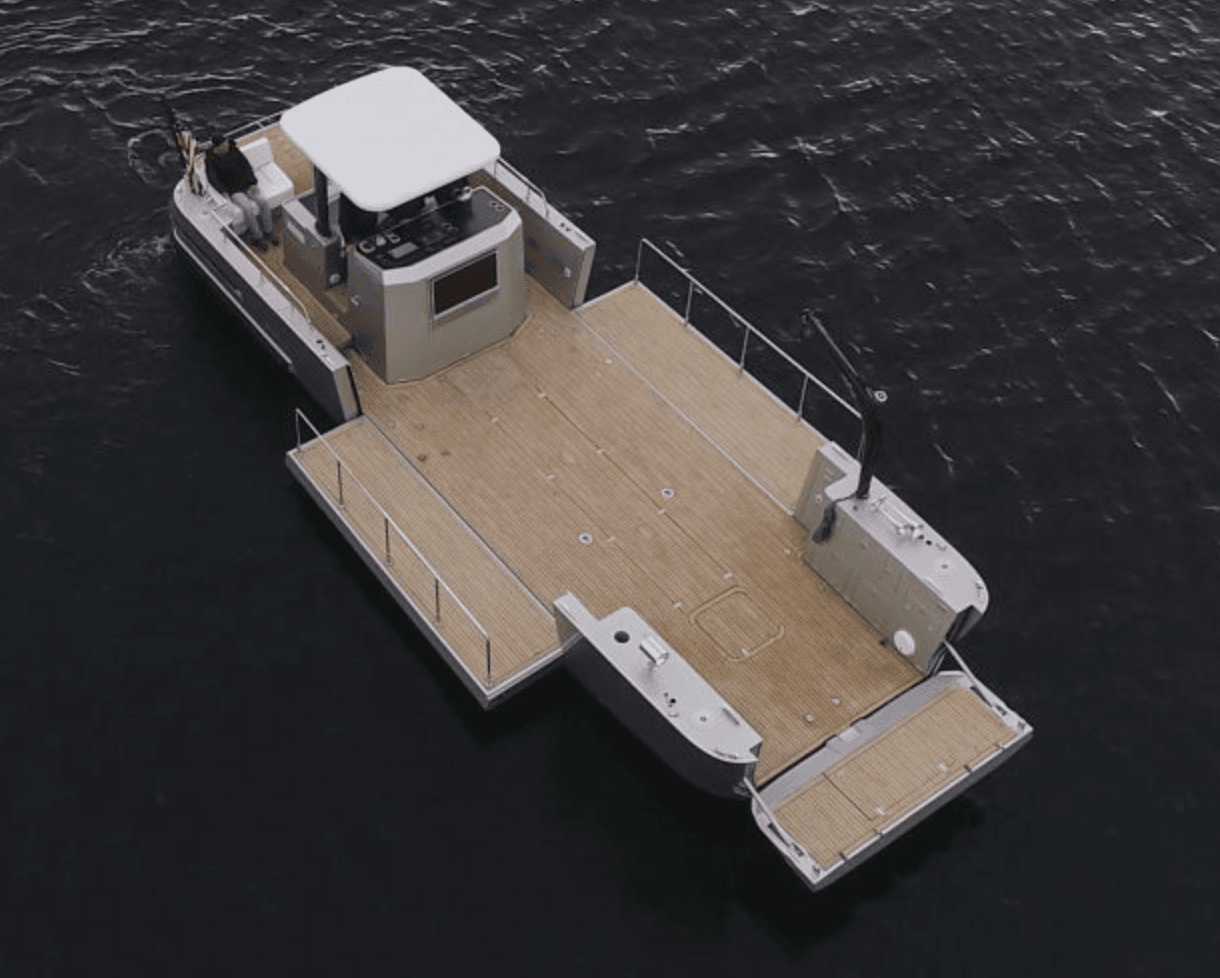
These three get used interchangeably and should not be. A beach lander is a boat that plants its bow on the sand and stays in the water. An amphibious tender adds wheels or tracks and drives clear of the water entirely, which removes the tide and securing problem but adds weight and complexity, per YachtBuyer. A landing craft is the workboat ancestor of both: a flat ramp-bowed hull for cargo and vehicles rather than dressed guests. The Reliant X40L, for instance, is a beach-lander type built to carry vehicles and cargo, which is a different brief from a guest beach boat. Getting an owner the right one of the three is half the value of the conversation.

Where the type came from

The format is not a yacht-industry invention. It descends directly from the Higgins boat, Andrew Higgins' WWII LCVP, whose drop-bow ramp let troops and stores land on an open beach, per Superyacht Content. The lineage matters because it explains the design priorities that still hold: a protected, shallow forefoot, a ramp that works in a small surf, and a hull that can take repeated grounding.

What actually decides it

  1. Bow ramp. Hydraulic on the larger boats, manual below; deployment time and the maximum safe sea state for the landing matter more than ramp width.
  2. Shallow-draft propulsion. Twin waterjet is dominant. The spec question most owners miss is the engine-cooling intake configuration when the boat is sitting on sand: ask every builder how raw-water cooling is protected during a beach hold, in writing.
  3. Hull and grounding protection. Monohull versus catamaran, and the keel and forefoot protection that survives repeated landings.
  4. Garage fit. Beach landers run wider than open tenders of the same length because of the ramp-deployment swing; size the garage to the deployed envelope, not just the hull. See tender garage sizing.

The builders we shortlist

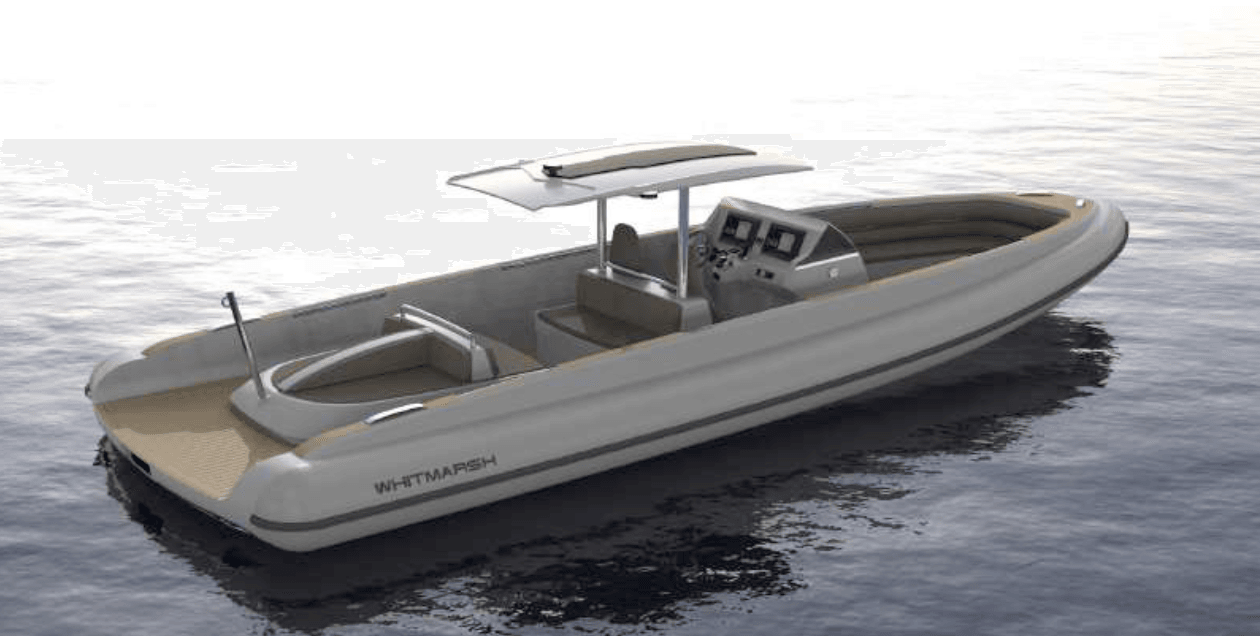
A concentrated segment. The names that recur on our briefs:

  • Pascoe, the DT Beachlander range at roughly 6.20 m (fold-out bow step), 7.50 m, 8.60 m and 9.80 m, with the hydraulic bow door on the larger pair, and custom limo-beach-lander hybrids for a dressed interior aft of the ramp, per Pascoe International.
  • Castoldi, the waterjet-tender platform fitted with a bow-access door, the answer when waterjet draft is the priority.
  • Wajer, bow-access models in the mainstream size band.
  • SACS, RIB-format beach landers.
  • Vanquish, VQ models with optional bow access.
  • Goldfish, shallow-water hulls in the 9 to 12 m range.

Outside the linked register, Hodgdon, Ribeye and Reliant also build credible beach-lander or landing-craft hulls and belong on a complete shortlist.

Reference specifications

The honest position: beach-lander builders publish very little beyond length. The Pascoe DT range, for example, is published by length (roughly 6.20 m, 7.50 m, 8.60 m, 9.80 m) with the bow-door mechanism, but beam, engine and speed are quoted to a specific build, not listed, per Pascoe International. Treat any single-number spec table for this category with suspicion; the figures that matter are configured per yacht.

Use-case fit

  • Beach days and provisioning: the core mission, dry landing on an open beach with no dock.
  • Dive and expedition support: a stable bow-loading platform for kit and a recovery ramp.
  • No-dock island cruising: the only practical way ashore where there is no infrastructure.

How to choose

Confirm the cruising pattern actually needs a beach lander (it is a coastal-day-boat tool, not all-weather), fix the garage envelope to the deployed ramp width, then shortlist by bow mechanism and propulsion and put the candidates in a side-by-side comparison. Ask every builder the engine-cooling-on-sand question in writing; the beach landers pillar carries the full specification checklist. Tell us the mothership and the cruising pattern and the shortlist follows.

What is a beach lander tender?
A shallow-draft tender with a bow ramp or door that lets guests and stores step straight onto the sand, dry, where a conventional tender would ground its propulsion 30 metres out. The format descends from Andrew Higgins' WWII LCVP landing craft, per Superyacht Content.
What is the difference between a beach lander and an amphibious tender?
A beach lander is a boat: it noses onto the sand and drops a bow ramp, but it stays in the water. An amphibious tender adds wheels or caterpillar tracks and drives up the beach entirely, removing the tide and securing problem, per YachtBuyer. They are different tools; the SERP routinely conflates them.
When is a beach lander the right tender?
Mediterranean charter with frequent beach lunches, Caribbean and Bahamas anchorage cruising, and expedition programmes where the beach is the only landing. It is the wrong second tender for a yacht that mostly visits commercial ports, where a limousine earns its garage space instead.
Is a beach lander towed or recovered into the garage?
Almost always recovered, not towed, which is why custom builds cluster in the 5 to 12 m band that a garage and davit can handle, per Superyacht Content. Beach landers also run wider than open tenders of the same length because of the ramp-deployment swing.
What propulsion do the best beach landers use?
Twin waterjet dominates: no exposed underwater geometry to strike the bottom, instant reverse to back off the sand, and it dries out cleanly. Surface drives appear occasionally and twin outboards on smaller hulls. A conventional shaft-drive boat is not a beach lander. See the tender propulsion guide.
How much does a beach lander cost?
No builder publishes list prices, so treat these as indicative owner's-side working bands, not fixed figures: roughly 600,000 to 1,400,000 EUR for 9 to 10.5 m, 1.4 to 2.8 million for 10.5 to 12.5 m, and 2.8 to 5.5 million for custom 12.5 to 14 m boats, before options and transport. The bow-door mechanism and the interior fit drive the headline most.