Choosing a limousine tender is a constraint problem solved in order. The garage envelope is fixed, the brief is fixed, and almost every other decision flows from those two. Owners who start with a builder's brochure tend to fall in love with a layout that will not fit, or a finish that does not suit the climate they actually run in. Start with the brief, size to the garage, then work down through cabin, climate, propulsion, and finish before you shortlist a yard. This guide sets out that sequence. For the category basics first, read what is a limousine tender.
1. Define the brief
Write down three things before you talk to anyone: climate, guests, and formality.
- Climate. A boat that runs the Med summer wants shade, tinted glazing, and strong air-conditioning. A boat that runs the Gulf or Southeast Asia wants the same, doubled. A boat that runs northern Europe or shoulder seasons wants heating and a properly sealed cabin. The climate sets your glazing and HVAC load, and those drive weight.
- Guests. Count the largest group you genuinely carry, not the absolute maximum. A boat sold as 10 inside and 6 out is comfortable for 8. Honest numbers keep the boat from feeling cramped on the runs that matter.
- Formality. Are you specifying a vessel for black-tie marina arrivals, or a comfortable shuttle that happens to be enclosed? The formal brief pulls toward a low, limousine profile and a finished interior. The shuttle brief tolerates a taller, more practical cabin.
If the honest answer is that you mostly land on beaches and run watersports, an enclosed limo is the wrong tool and an open boat will serve you better.
2. Size to the garage
The garage is the hard wall. As a rough guide, a yacht of around 40 metres able to launch a 7 metre boat is the practical floor for a small limo, while most enclosed 9 to 11 metre limos belong on 50 metre and larger yachts with multi-tender garages, a pattern Boat International sets out in its tender guide.
Measure four numbers from the build documents, not the brochure: garage opening width, internal length on the cradle, height under the deckhead, and the davit or crane safe working load. The limo has to clear all four with margin for fenders and the cradle. An enclosed cabin is taller and heavier than an open boat of the same length, so height and weight bite first. Work the numbers against limousine tender sizes, and if you are unsure of the envelope, confirm it before you specify anything above the waterline.
3. Resolve the cabin layout
With the box fixed, decide how to use the volume inside it. The main forks are forward versus aft helm, a single saloon versus a divided guest and crew space, and how much of the length you give to a boarding lobby. A forward helm frees the aft cabin for guests and gives the cleanest limousine look. An aft or side helm can ease boarding in a tight marina.
Seating geometry matters more than seat count. Face-to-face lounges suit conversation and formal transfers; forward-facing benches suit longer, faster passages. Decide where guests board, where they sit, and where bags go, then check it against limousine cabin layouts. If your brief splits between formal and open use, weigh a convertible roof here rather than committing to a fixed one.
4. Specify climate control and glazing
These two are a single decision because they fight each other. Big glazing makes the cabin feel like a limousine and lets guests see out; big glazing also loads the air-conditioning with solar gain. The fix is good glass plus enough cooling, not less glass.
- Glazing. Specify tinted, laminated, curved panels sized for the view you want. Pascoe, for example, builds its limos with extensive tinted hull-side and superstructure glazing so guests can take in the surroundings from a sealed cabin.
- HVAC. Size the system to the worst climate in the brief, with margin. A retractable or removable roof adds 20 to 30 percent to the cooling load for the same cabin temperature, so budget for it if the boat converts.
- Sealing and acoustics. A quiet cabin is mostly seals and isolation, not horsepower. Specify it now; it is expensive to retrofit.
The full treatment, including humidity and garage storage, is at limousine climate control.
5. Choose the propulsion
Propulsion follows draft, beaching, and the marina you operate in more than top speed. Waterjets draw the least, protect against grounding because nothing hangs below the hull, and are forgiving in shallow or debris-strewn water, which is why they dominate the format. Surface and stern drives can be more efficient at cruise but expose running gear. Match the choice to where the boat actually works, then confirm the cruise speed your brief needs rather than chasing a headline figure.
6. Settle the finish
Finish is where the budget moves fastest, so settle it last, once the boat is right. The exterior usually mirrors the mothership's livery; the interior should match her style without copying it slavishly. Decide the materials, the audio-visual fit, and the lighting against how often you genuinely do formal arrivals. A heavily finished interior that sees one black-tie run a month is money spent on the wrong brief.
7. Shortlist the builders
Only now do you go to yards, because you can hand them a specification instead of a wish. The established limo builders cluster at the top of the market for fit and finish, with semi-custom platforms one tier below on price and lead time. Two boats that show the range:
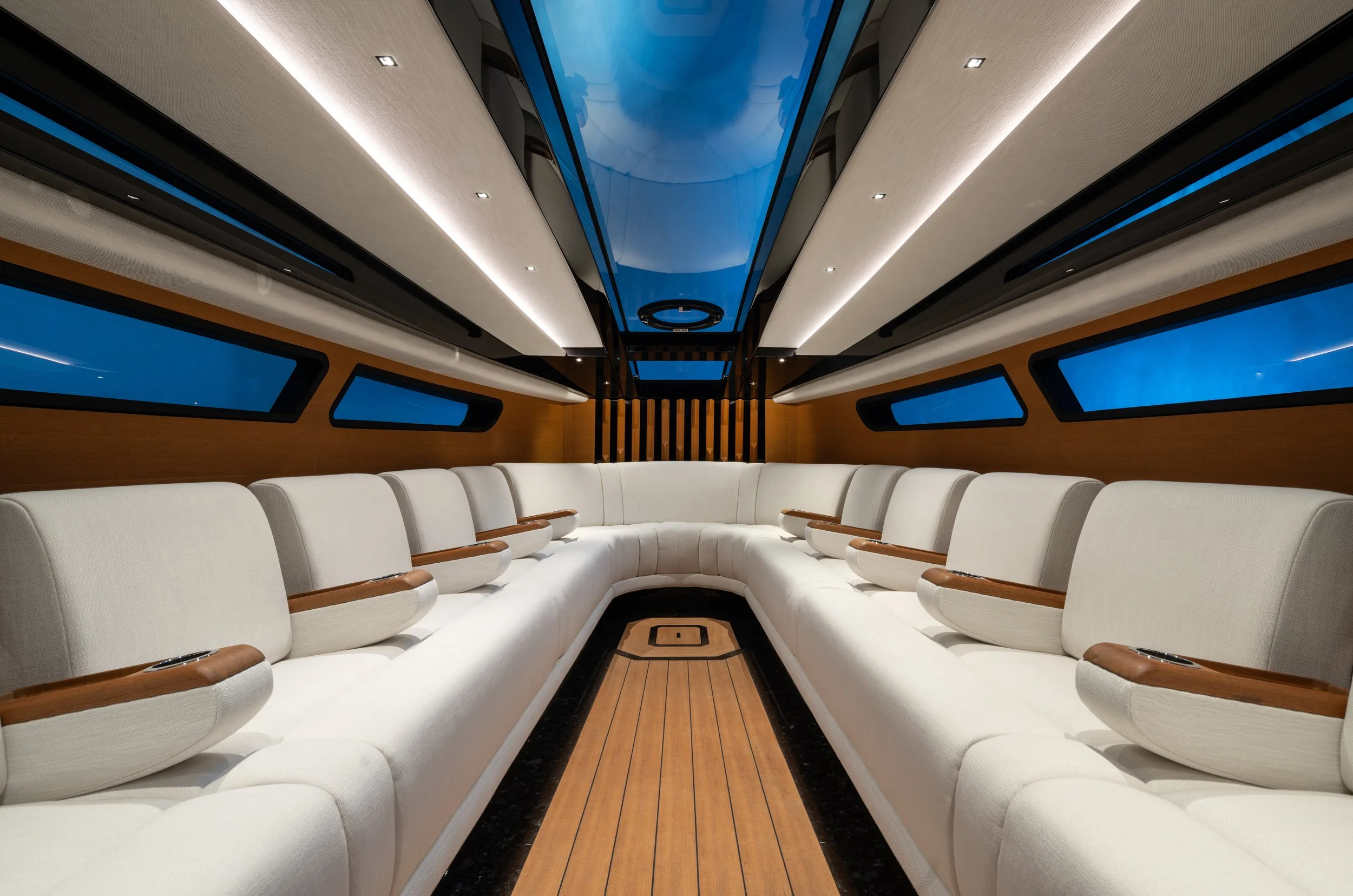 Pascoe · On the registerPascoe 10.4m TL LimousineLOA10.4mBeam2.95mTop Speed36knPrices on requestView on Superyacht Tenders →
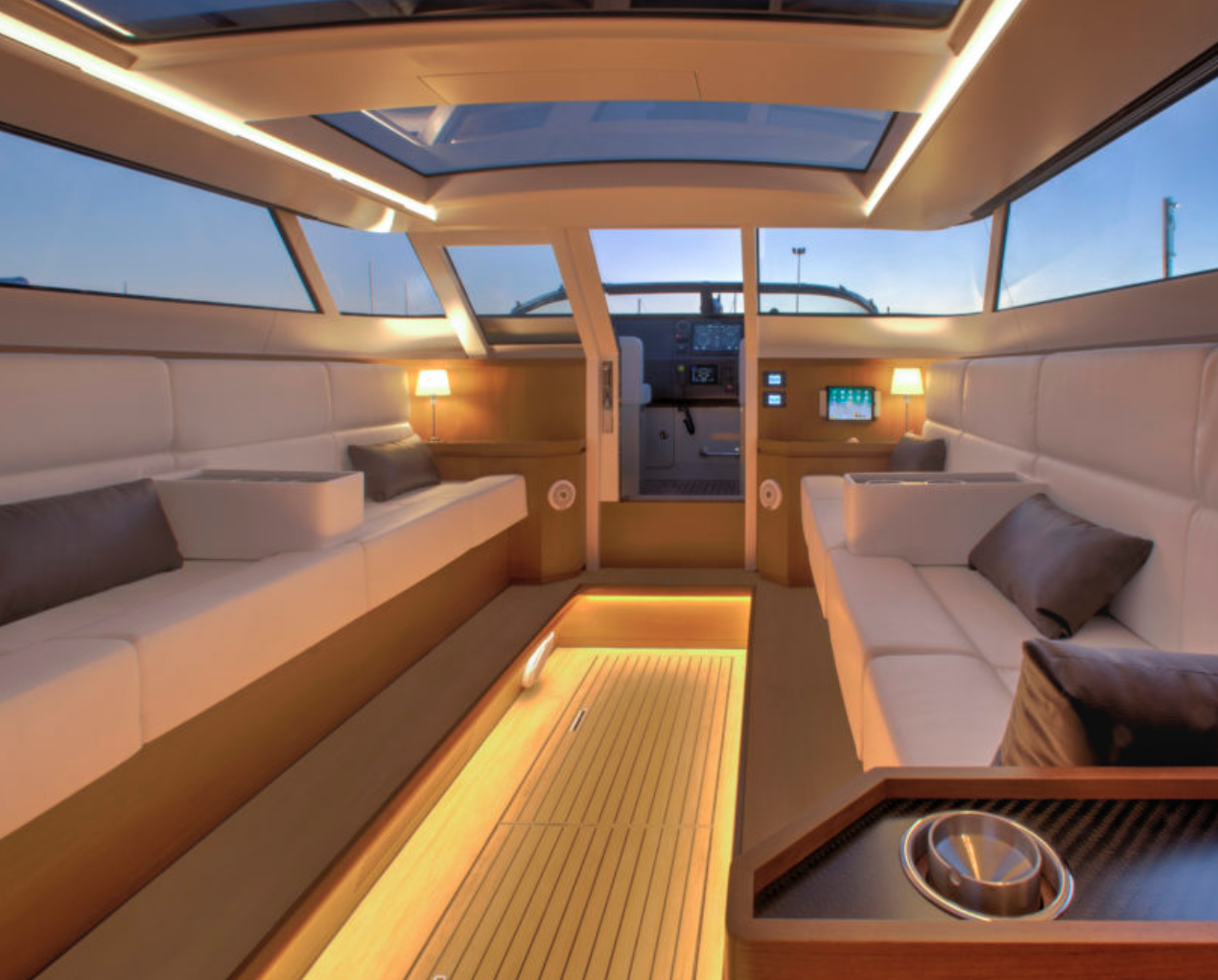 Reliant Yachts · On the registerReliant Yachts LimousineLOA11.5mBeam3.59mTop Speed35knPrices on requestView on Superyacht Tenders →
Take your brief, garage numbers, and resolved layout to two or three yards and compare like for like. The full field is at limousine tender builders and our best limousine tenders roundup. For budget expectations across the band, read limousine tender cost.
What we tell clients
The owners who are happy a year in are the ones who treated the garage and the brief as fixed and let everything else follow. The ones who are not are usually the ones who chose a layout or a finish first and tried to make the boat fit the yacht afterward. Get the brief honest, get the four garage numbers right, and the rest of the specification almost writes itself. If you want a market view before you commit, browse current stock at new limousines and pre-owned limousines to see how the spec you have built compares to what is on offer.
Sources
- Reliant Yachts X40T Limousine official page — Reliant Yachts (retrieved May 2026)
- 10m Limousine | Luxury Tenders for Superyachts - Pascoe International — Pascoe (retrieved Jun 2026)