The cost of a SOLAS tender is not really the cost of a boat. It is the cost of a boat plus a certification regime that runs for the whole life of the hull. A standard guest tender is bought, maintained, and eventually sold. A coded rescue tender is bought, certified, surveyed every year, refitted every five, and judged at each step against a class society or notified body. That regime is where most of the money sits, and it is the part owners underestimate. This page sets out where the cost lands across SOLAS compliance, from the purchase premium through to total ownership.
The premium over a standard tender
For the same length of boat, a SOLAS-coded tender costs materially more than a standard one. The hull may look similar, but the brief is different: the boat has to deploy fast, recover a person from the water, and marshal liferafts, and every part of that capability is specified, built, and signed off to a standard a guest tender never meets. You are paying for certified construction, an approved equipment fit, certified lifting and release gear, and the class survey work that turns a boat into a piece of life-saving equipment.
The premium is widest on a dual-purpose boat. A single-purpose rescue craft can be plain and functional. A boat that has to do rescue duty and also serve as a presentable guest or crew tender carries both the coding cost and the finish cost, which is why builders such as Pascoe sit at the top of the pricing range. We unpack the build side in detail at SOLAS tender builders, and the wider tender market at the cost of a superyacht tender.
What certification and approved equipment cost
The single most misunderstood line in a SOLAS budget is approved equipment. A SOLAS tender is treated as type-approved life-saving equipment, which means the hull, stability, propulsion, and onboard gear are all tested and verified by a recognised classification society or notified body before the boat can be signed off. As the rescue-tender specialists at RIB-X explain, these craft are built in approved facilities and carry full SOLAS and MED certification, the equipment standard required on EU and EFTA flags.
That certification, not the hardware itself, is the expensive part. An approved liferaft, release hook, or lifejacket costs more than an equivalent uncertified item because someone has paid a notified body to test and approve the design and to control its production. The boat carries a whole fit of these items, and the coding package that ties them together is engineering and paperwork before it is anything physical. None of it is optional, and none of it can be substituted with cheaper non-approved gear without breaking the certificate. The full picture sits at SOLAS coding and certification.
Recertification, surveys, and the five-year cycle
The cost that surprises owners is not the purchase. It is the survey calendar. A coded rescue tender and its launching appliances are examined and tested every year inside the safety equipment survey range dates, and there is a heavier five-year cycle on top of that.
- Annual survey. Flag-state and class inspection of the boat, the launching arrangement, and the equipment fit. Time-expired items are renewed on schedule rather than on condition.
- Five-year overhaul. A major refit covering structural integrity, sealing, lifting-point recertification, on-load release gear, and a dynamic load test of the launching appliance. Under the rules there is no provision to postpone this, so it has to be planned and funded ahead of expiry.
- Equipment renewal. Liferafts, pyrotechnics, and other dated items come due on their own intervals, independent of how much the boat has actually been used.
This is the part that separates a compliance budget from a maintenance budget. A standard tender is serviced when it needs it. A SOLAS tender is serviced when the calendar says so, whether it has run all season or sat in the garage. The mechanics of the survey regime are covered at SOLAS requirements.
Total cost of compliance ownership
Add it up over the life of the hull and the survey regime can rival the original premium. The build premium is paid once. The certification, annual surveys, five-year overhauls, and scheduled equipment renewal are paid every year the boat is in service, and routine compliance commonly runs in the low five figures annually on top of normal running costs.
Three things move that number:
- Single-purpose versus dual-purpose. A dual-purpose boat costs more to buy but can earn its keep as a working tender, which changes how the compliance cost reads against the boat's actual utility.
- Flag and class. Some flag states and societies are more demanding, and in-house certification at the builder can be cheaper than third-party work bolted on later.
- Builder and parts support. A boat from a yard that holds the relevant flag certifications and stocks approved spares is cheaper to keep in survey than an orphaned hull. We weigh this at choosing a SOLAS tender.
How this shapes the buying decision
Because the regime is permanent, the buying decision is about lifetime cost, not sticker price. A cheaper hull that needs third-party certification and carries poor parts support can cost more over five years than a dearer boat from a builder who keeps it simple to survey. The boats we see hold their value best are the ones bought right at the start.
The 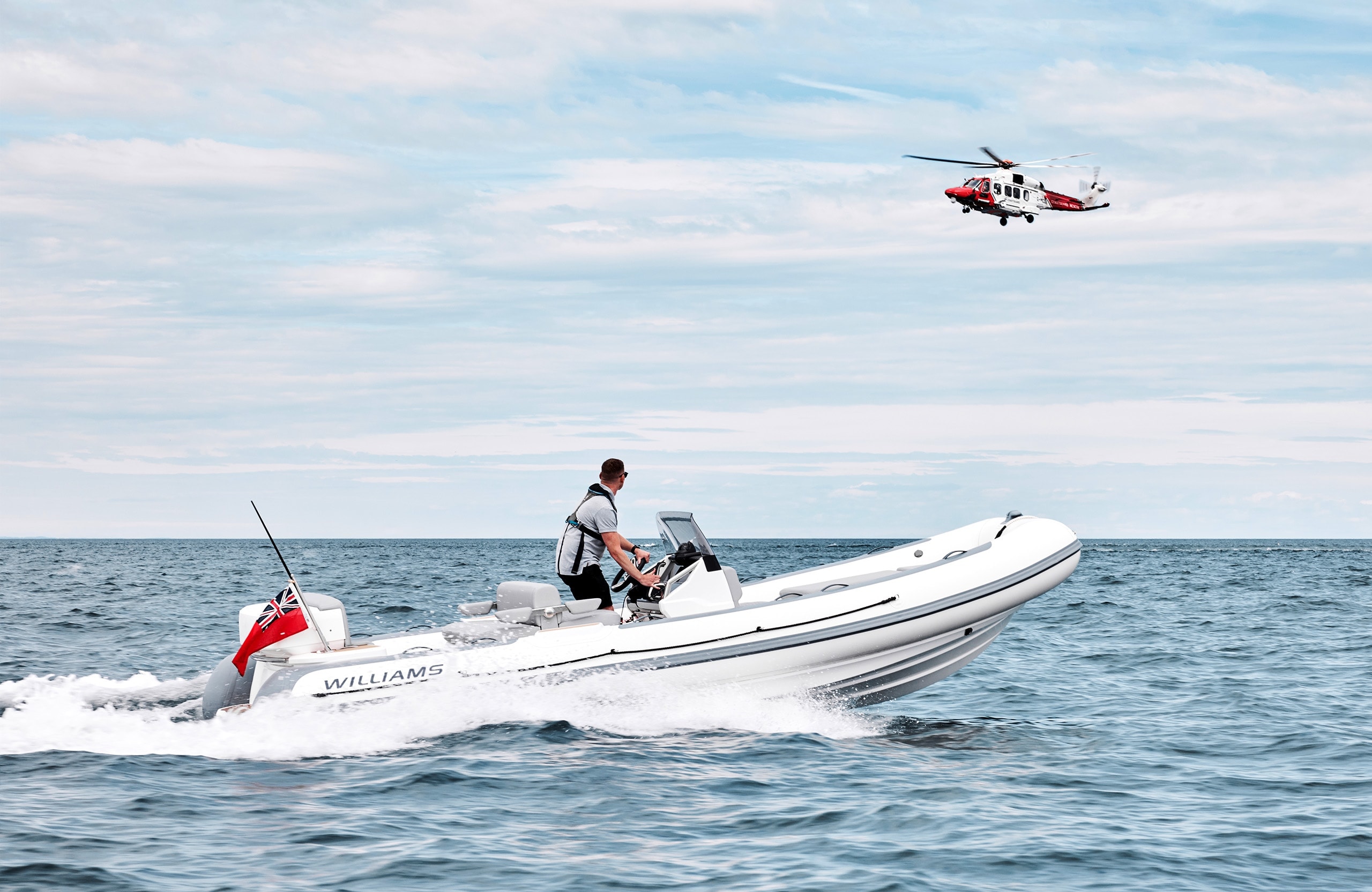 Williams · On the registerWilliams SOLAS 625LOA6.3mBeam2.41mTop Speed40knPrices on requestView on Superyacht Tenders → is a good example of the dual-purpose logic: a familiar guest-RIB platform with the coding package, equipment fit, and certified lifting points added, which keeps maintenance, parts, and crew familiarity consistent across the garage. A smaller programme might choose the
 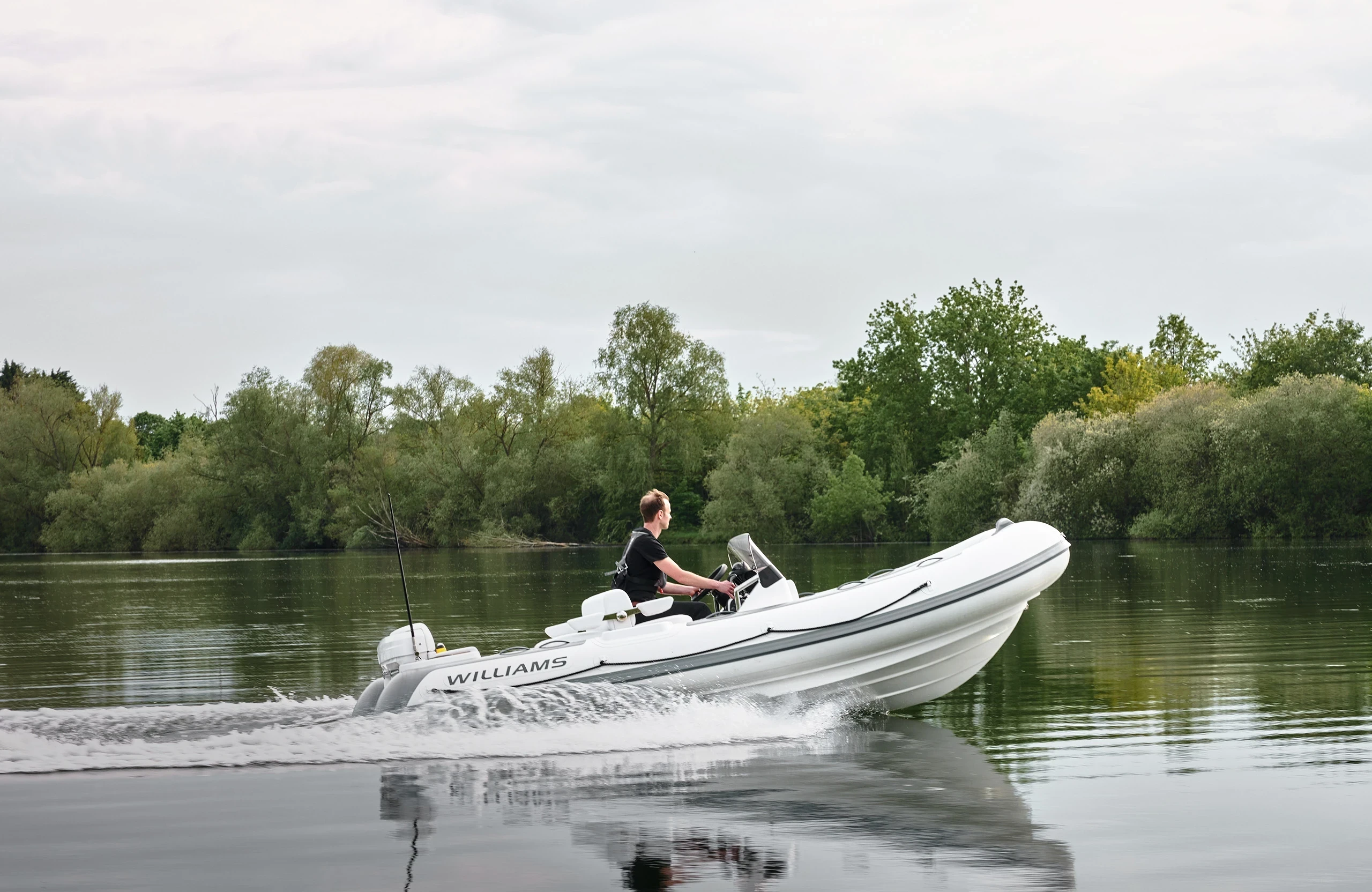 Williams · On the registerWilliams SOLAS 505LOA5.0mBeam2.01mTop Speed31knPrices on requestView on Superyacht Tenders → for the same reasons at a lower entry point. The trade-off in each case is the same one: pay more up front for a boat that is cheap to keep in survey, or pay less and absorb a heavier compliance bill every year.
What we tell clients
Do not budget a SOLAS tender as a boat. Budget it as a certificate with a boat attached. The purchase premium is the smaller half of the story; the survey regime is the half that runs for the life of the hull, and it does not pause when the boat is idle. Decide first whether you are buying a pure rescue craft or a dual-purpose boat, because that single choice drives both the premium and the way the compliance cost reads against real use. Then choose a builder and a flag that keep the boat simple and cheap to survey, because that is where the lifetime money is won or lost.
If you are starting from the regulations rather than the price, read the SOLAS tender compliance guide first, then come back to this page to put numbers around it.