Choosing a SOLAS tender is a compliance decision before it is a styling decision. The boat is type-approved life-saving equipment first and a tender second, and that order dictates the whole specification. Get the regulatory requirement, the capacity, and the launch arrangement right early and the rest of the build follows cleanly. Get them wrong and you discover the problem at the flag-state survey, when it is expensive to fix. This page walks the decision in the order an owner or manager should actually take it.
Start here: do you even need one?
The trigger is tonnage and use, not length or taste. The working rule is that a yacht of 500 GT or above in commercial or charter service must carry a SOLAS-compliant rescue boat under its life-saving appliance schedule. Below 500 GT, or on private registration, coding is usually optional, though several flags require it above their own thresholds. Before anything else, confirm three numbers with your flag-state surveyor: gross tonnage, registration type, and the persons-on-board figure the certificate is built around. The SOLAS requirements page sets out what the rule actually demands. If you are still establishing the vocabulary, what is a SOLAS tender is the right starting point.
The decision framework
Work the choice in this order. Each step constrains the next, so taking them out of sequence wastes money.
- Confirm the requirement. Flag, tonnage, and certificated persons. This tells you whether you need a coded boat at all, and if so, to which code. Yachts built under the Large Yacht Code carry the SOLAS rescue-boat obligation through their LSA schedule. Do not specify against assumption; specify against the surveyor's written position.
- Match capacity to the rescue case. The governing scenario is five seated persons plus one casualty on a stretcher, handled with the boat fully loaded. That sizes the cockpit, the seating, and the lifting load long before any guest brief. See SOLAS tender sizes for how the standard 5.0 to 7.0 metre band maps to that case.
- Fix the launch and recovery arrangement. The boat must launch and recover safely, fully loaded, inside the time and sea state your code sets. That decision drives davit class, lifting points, and whether the boat lives on a deck cradle or in an enclosed garage. Resolve it before you cut the garage, not after.
- Choose a type-approved builder. Only a handful of yards hold the approvals. This is where you commit to a hull that will pass survey.
- Plan certification and servicing. Coding cycle, annual inspection, five-year refit, and equipment renewal all carry cost and downtime. Budget them from day one.
- Decide dual-purpose or dedicated. Only once the first five steps are settled does the question of whether one boat does both jobs become answerable.
Match capacity and the launch arrangement
These two steps fail together more often than any others, so treat them as one block.
The rescue case is unforgiving. The boat has to be handled at full load, which is why coded craft are launched and lifted with certified, load-tested points rather than a single hook. As one specialist builder puts it, a SOLAS rescue tender "must be launched within five minutes and lifted using multiple lifting points because they must be handled fully loaded with five plus one people on board", meaning five passengers plus one person on a stretcher. That single sentence sets your davit specification, your structural margins, and your garage geometry.
The launch path is the part owners underestimate. A boat that meets every equipment criterion still fails if it cannot clear the hull and reach the water inside the time limit. Recent practice has moved toward storing the rescue tender in an enclosed garage for aesthetics and space, and builders have redesigned low-lifting arrangements to keep that compliant, but the garage opening, the cradle, and the davit have to be designed around the loaded launch from the start. The SOLAS coding and certification page covers how the surveyor tests that path.
Choose a type-approved builder
Type approval is the gate. The first hull of each model goes through the demanding tests, including a three-metre drop test and a self-righting test, and a Type Approval Certificate is issued; later hulls are surveyed to lighter criteria and given a Certificate of Production Testing. You cannot retrofit that pedigree onto a non-coded RIB, so the builder shortlist is short by design. Williams, Pascoe, and a small group of others hold the approvals for the popular size band.
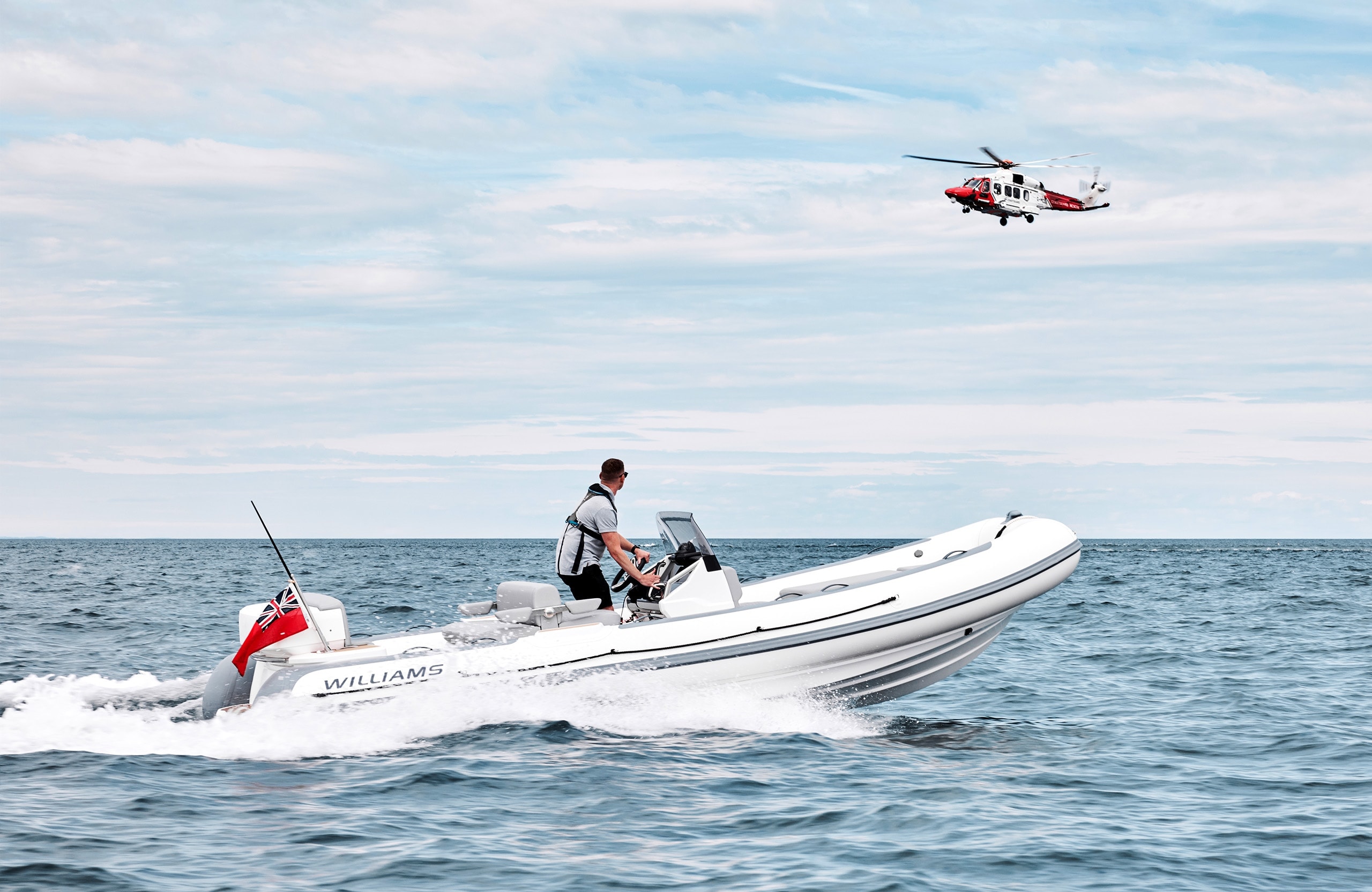 Williams · On the registerWilliams SOLAS 625LOA6.3mBeam2.41mTop Speed40knPrices on requestView on Superyacht Tenders →
For the larger and smaller ends of the same range, the 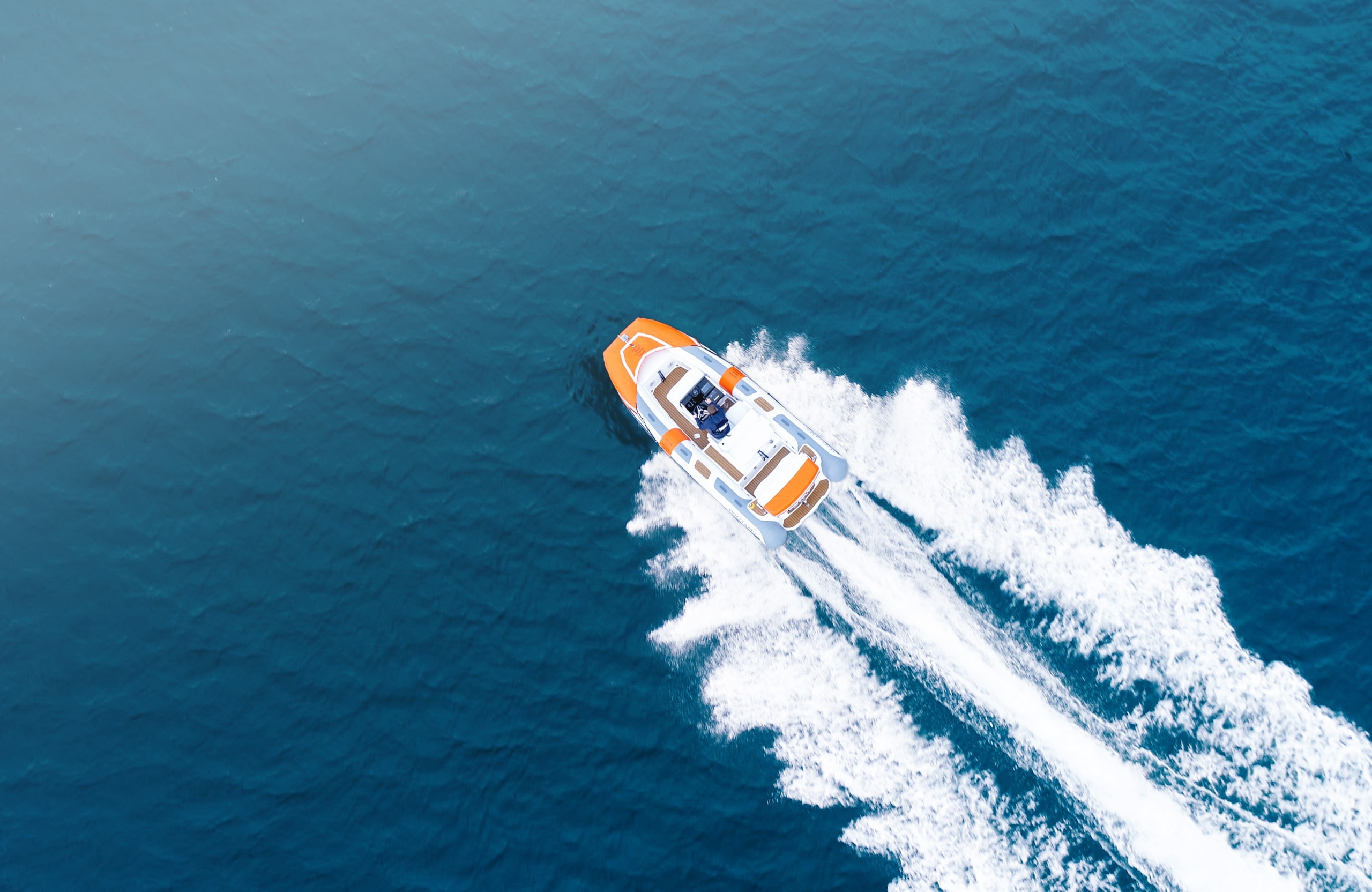 Williams · On the registerWilliams SOLAS 565LOA5.7mBeam2.41mTop Speed38knPrices on requestView on Superyacht Tenders → and the
 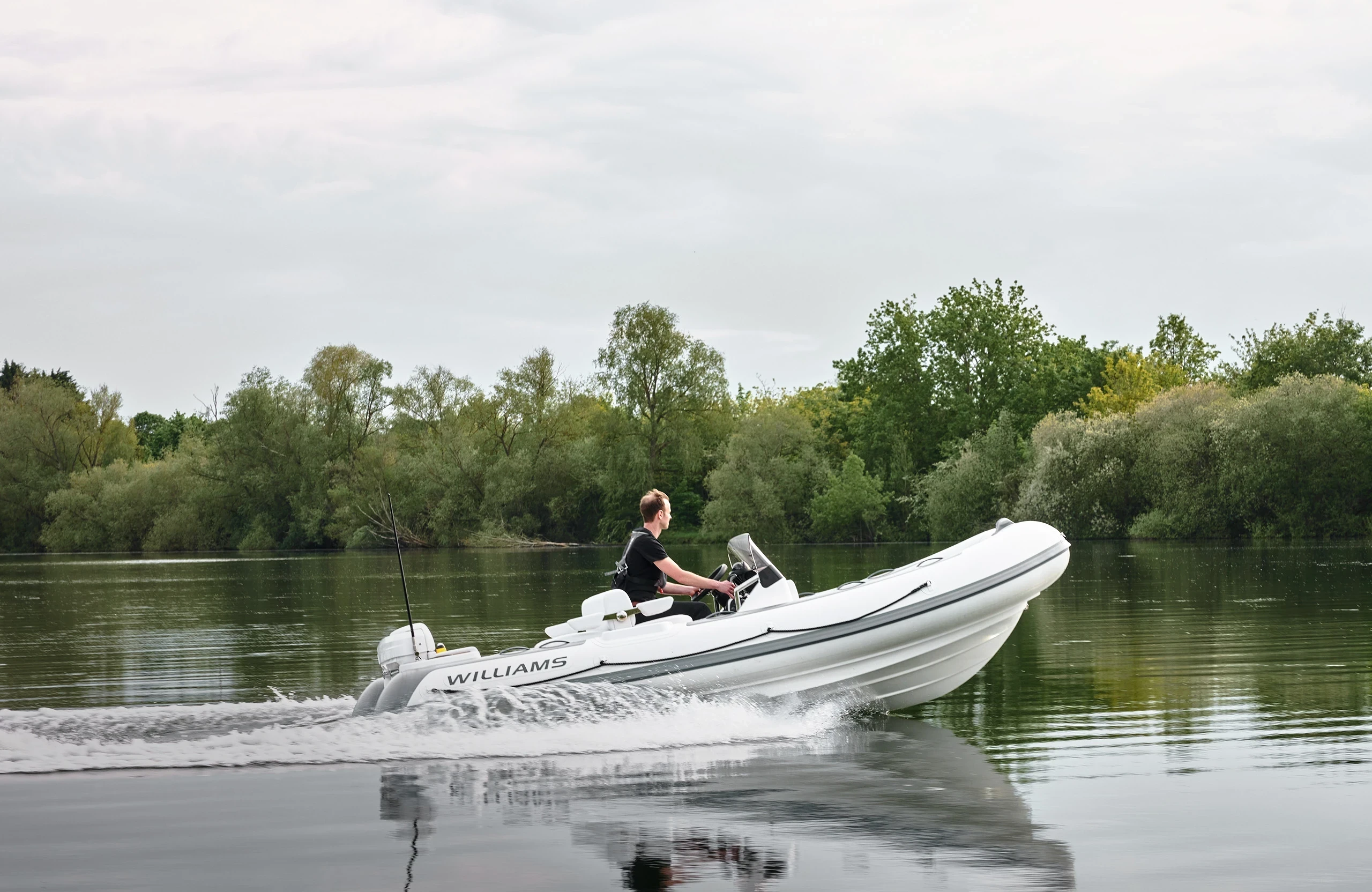 Williams · On the registerWilliams SOLAS 505LOA5.0mBeam2.01mTop Speed31knPrices on requestView on Superyacht Tenders → cover the 5.0 to 7.0 metre spread that suits most yachts in the bracket. Review the wider field at SOLAS tender builders before committing.
Plan certification and the servicing burden
A coded boat is a recurring cost, not a one-time buy. The build standard alone adds materially over an equivalent non-coded RIB, and on top of that sits an annual flag-state inspection, a five-year major refit with lifting-point recertification, and a rolling equipment-renewal cycle on consumables such as pyrotechnics and rations. The numbers belong in the build budget on day one, not as a year-two surprise. Work them through at SOLAS tender cost, and read SOLAS compliance basics for the full coding and inspection picture.
Weigh dual-purpose against dedicated
The last decision is whether one hull carries both jobs. A dual-purpose SOLAS tender is the common answer because garage space is scarce, but the rescue role wins every conflict: it fixes the hull form, the self-righting capability, the lifting arrangement, and the sealed equipment stowage, and the guest experience is whatever is left over. A dedicated rescue boat is simpler, cheaper to keep coded, and frees your guest tender to be a proper day boat, but it needs a second garage slot. If you are unsure whether the rescue case really constrains your guest brief, rescue boat vs tender lays out the trade in detail.
What we tell clients
Decide the requirement before you decide the boat. Almost every painful SOLAS build we see started with an owner choosing a hull they liked, then trying to make it compliant. Do it the other way. Confirm the flag-state position in writing, size to the five plus one rescue case, fix the loaded launch before the garage is cut, then shop only type-approved yards. Carry the coding and servicing cost in the budget from the first spreadsheet. If you do that, the SOLAS tender stops being a constraint and becomes a settled line item. Start at the SOLAS tenders overview for the full cluster, or work through the SOLAS tender compliance guide when you are ready to build the specification.
Sources
- SOLAS 505 | Williams Jet Tenders — Williams (retrieved Jun 2026)
- SOLAS 565 | Williams Jet Tenders — Williams (retrieved Jun 2026)
- SOLAS 625 | Williams Jet Tenders — Williams (retrieved Jun 2026)