A SOLAS tender is a rescue and survival craft that has to meet the International Life-Saving Appliance Code, not a finish or a brochure label. The requirements come in four blocks: which yachts are obliged to carry one, what the boat itself must do, what it must carry and how it must be marked, and how the crew must train on it. This page sets out the regulatory detail behind each block so the obligation is clear before a build budget is signed off. For the wider picture start at the SOLAS tenders overview, and for the plain-language version see what is a SOLAS tender.
Which yachts must carry one
The carriage requirement flows from SOLAS Chapter III and the yacht's registration, not from its size alone. Three triggers matter.
- Commercial registration over 500 gross tonnage. A yacht commercially coded and over 500 GT on international voyages falls squarely under Chapter III. Passenger ships of 500 GT and over must carry at least one rescue boat on each side; cargo and other ships of 500 GT and over carry at least one. A lifeboat may be accepted as the rescue boat where it also meets the rescue-boat standard.
- Passenger numbers. A yacht certified to carry more than 12 guests is treated as a passenger ship and is pulled into the full passenger-yacht regime, which carries the rescue-craft obligation with it.
- Flag code below the threshold. Private yachts and smaller commercial yachts sit under their flag code, typically the REG Yacht Code (the successor to the MCA LY3 Large Commercial Yacht Code). That code uses SOLAS as its basis but allows equivalences, so many yachts carry an equivalent rescue boat rather than a full LSA Code craft.
The line between a code-accepted tender and a true LSA Code boat is the single most common point of confusion, and it is covered in detail at SOLAS compliance basics. Where the threshold sits for a given hull is a flag and tonnage question, so confirm it with the yacht's flag administration before specifying.
LSA Code performance requirements
Once the obligation applies, the boat itself must meet section 5.1 of the LSA Code. The performance standard, not the styling, is what makes a tender SOLAS-compliant.
- Construction and stability. The hull must be of rigid, inflated or rigid-inflated construction, able to operate in a seaway and to stay afloat with the engine compartment flooded. It must remain serviceable across the temperature range it will meet in service.
- Capacity and speed. A rigid or rigid-inflated rescue boat must seat its rated complement, carry at least one person on a stretcher, and make at least six knots for four hours when towing a 25-person liferaft, with a minimum manoeuvring speed sufficient for recovery in a seaway.
- Engine and fuel. Most carry an inboard or outboard engine that starts and runs after immersion, with fuel sufficient for the required endurance.
- Towing and lifting. The boat must have certified lifting points sized to the davit, plus a towing connection strong enough for the loads above.
Sizing follows directly from these clauses, which is why a compliant boat usually lands in a specific length band rather than any RIB of the right look. We work through that at SOLAS tender sizes, and the certification route that proves the boat meets the standard is set out at SOLAS coding and certification.
Equipment and markings
The LSA Code prescribes the inventory and the markings, and an inspector checks both against the list. Mandatory equipment carried in sealed, secured stowage includes:
- A buoyant bailer and two buoyant rescue quoits with line
- A waterproof torch, a survival knife, and a whistle
- A first-aid kit in a waterproof case
- A buoyant line, a sea anchor, and a towing painter with quick-release
- Hand flares and a daylight signalling mirror or equivalent
- A pump or bailing arrangement appropriate to the boat type
Markings matter as much as the kit. The boat must show its dimensions and the number of persons it is permitted to carry, in clear figures, and retro-reflective tape must be fitted so the boat is visible to searchlights at night. The yacht's name and port of registry are marked where required by flag. Stowage must keep the boat in a continuous state of readiness and must not interfere with the operation of any other survival craft. The equipment-renewal schedule behind this list is part of the ongoing compliance cost covered at SOLAS compliance basics.
Launch, recovery, and boarding times
This is where most non-compliant tenders fail, because the timings are absolute and tested. The LSA Code and SOLAS Chapter III set the following:
- Readiness. The rescue boat must be stowed ready for launching in not more than five minutes.
- Boarding and launch. It must be capable of being boarded and launched in the shortest possible time, and launchable with the ship making headway at up to five knots in calm water.
- Recovery. It must be recovered with its full complement of persons and equipment in not more than five minutes in moderate sea conditions.
Those numbers drive the davit specification, the boarding arrangement, and the stowage geometry far more than guest comfort does. A boat that looks the part but cannot be recovered inside the window is not compliant, whatever the build sheet says. We size davits and stowage against these timings as a first step, which is why choosing a SOLAS tender starts with the recovery system rather than the trim.
Crew drills and operational obligations
A compliant boat is only half the requirement. SOLAS Chapter III obliges the crew to train on it.
- Monthly drills. Every crew member takes part in at least one abandon-ship drill and one fire drill each month, and newly joined crew within 24 hours of joining.
- Rescue boat in the water. The rescue boat, with its assigned crew aboard, is launched and manoeuvred in the water at least once a month where practicable, and in all cases at least once every three months.
- Lowering and lifeboat launches. Lowering by falls is exercised monthly, and lifeboats that double as rescue boats are launched and manoeuvred at least once every three months.
- Maintenance and records. Falls, release gear, and lifting points are inspected and serviced on schedule, and drills are logged for survey.
The IMO sets out the carriage triggers, the LSA Code standard, and the drill regime in its Summary of SOLAS Chapter III, which is the primary reference for everything above. Flag administrations may add detail, so the yacht's flag should always be the final check.
What we tell clients
Treat the requirements as a system, not a shopping list. The carriage trigger tells you whether you need a full LSA Code boat or a flag-accepted equivalent; the performance clauses and the five-minute timings tell you the realistic length and the davit class; the equipment, markings, and drill obligations tell you the recurring cost and crew workload you are signing up to. Owners who specify against the timings first end up with a boat that passes survey and still works as a guest tender, such as the
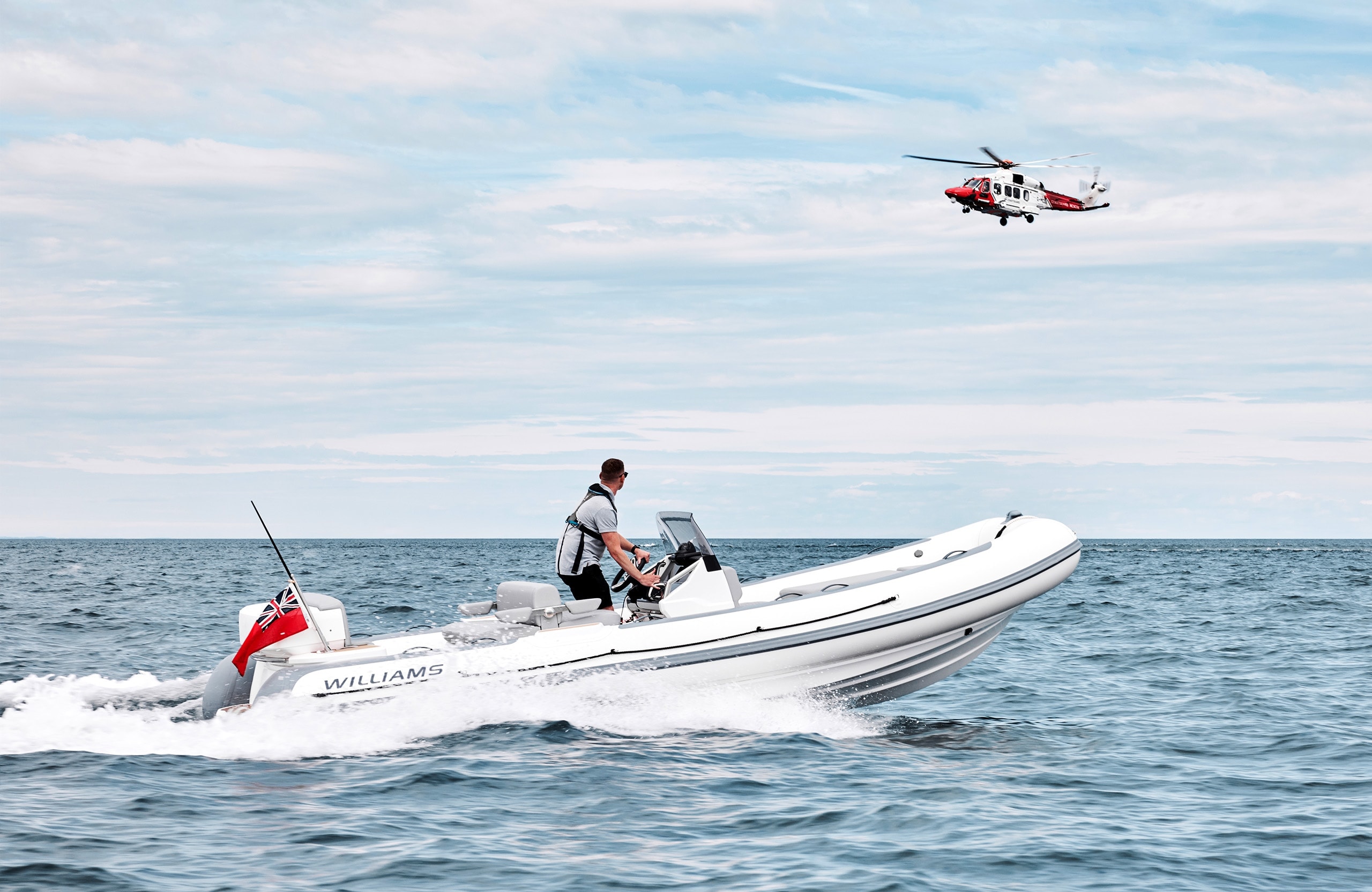 Williams · On the registerWilliams SOLAS 625LOA6.3mBeam2.41mTop Speed40knPrices on requestView on Superyacht Tenders →
or the smaller
Williams · On the registerWilliams SOLAS 625LOA6.3mBeam2.41mTop Speed40knPrices on requestView on Superyacht Tenders →
or the smaller 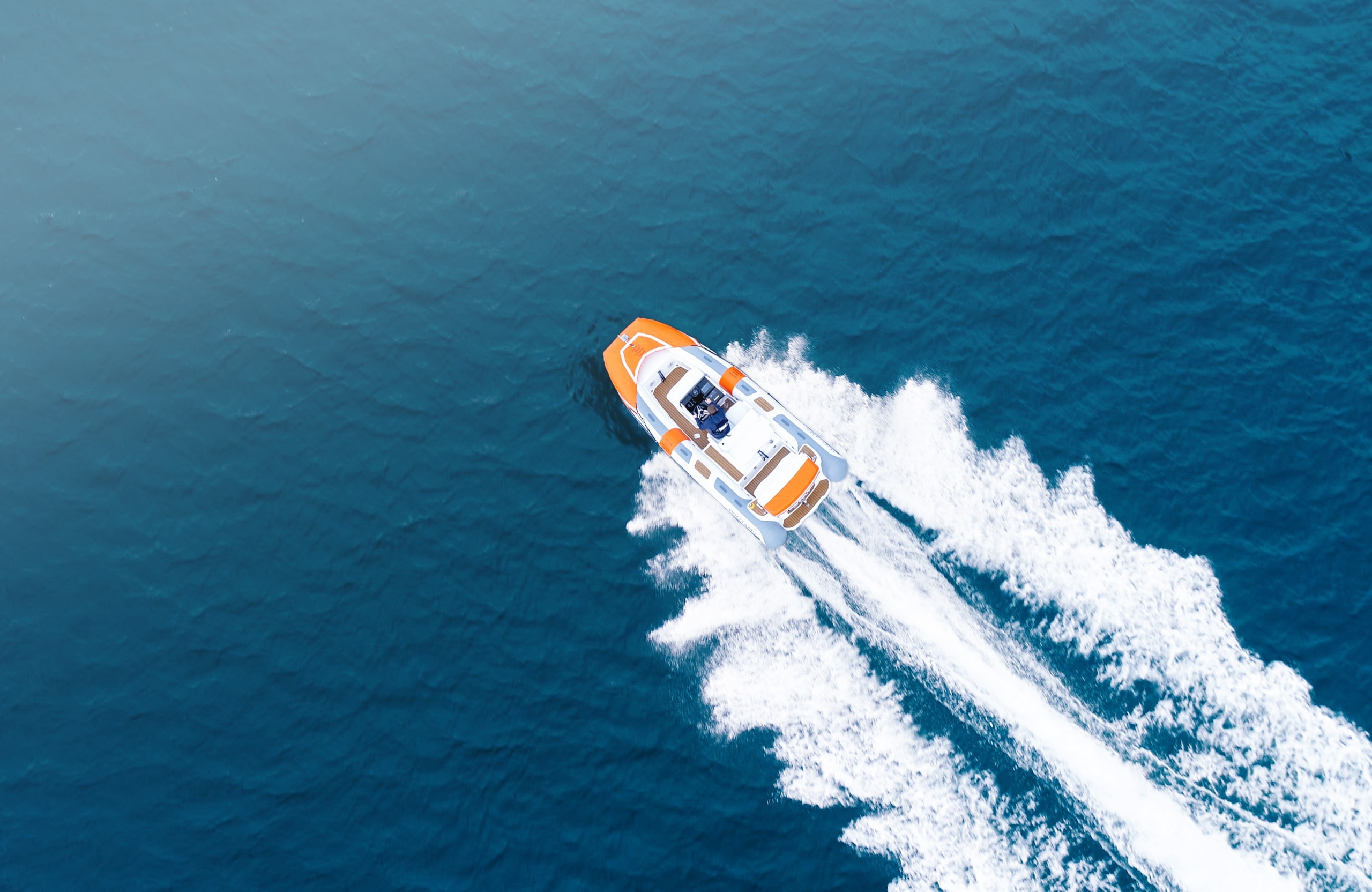 Williams · On the registerWilliams SOLAS 565LOA5.7mBeam2.41mTop Speed38knPrices on requestView on Superyacht Tenders → where davit and tonnage limits are tighter. Owners who specify against the brochure first tend to rebuild the boat after the first inspection. If you want the full buyer's walkthrough rather than the regulation, read the SOLAS tender compliance guide; if you are still deciding whether a SOLAS boat is the right tender at all, start from the SOLAS tenders overview and read across the spokes.