A SOLAS tender is the coded rescue craft that a commercially registered yacht above 500 GT must carry to meet international safety law. It is not a lifestyle choice and it is not stowed simply to look the part. It is type-approved life-saving equipment, certified against a published standard, surveyed on a fixed schedule, and tied directly to the yacht's safety certificate. The category sits inside the wider world of the yacht tender but answers to a different master, and the distinctions matter the moment a yacht crosses into commercial service.
What SOLAS means
SOLAS stands for Safety of Life at Sea, the International Maritime Organization convention that sets the baseline construction, equipment, and operating standards for vessels at sea. It is the most important maritime safety treaty in force, and its Chapter III governs life-saving appliances. The detailed technical requirements for those appliances live in a companion document, the International Life-Saving Appliance Code, almost always written as the LSA Code. When the industry talks about a "SOLAS tender" it is shorthand for a rescue boat that satisfies Chapter III as expanded by the LSA Code.
The trigger for a yacht is tonnage and registration. Once a yacht reaches 500 GT and operates commercially or is engaged in trade, it falls under the full SOLAS regime and must carry compliant life-saving appliances, the rescue tender among them. The IMO summary of SOLAS Chapter III sets out the framework that flag states and class societies then enforce in survey. For the practical reading of how all of this lands on a yacht, see solas requirements.
How a SOLAS rescue tender differs from a guest tender
A guest tender is specified to fit a garage and carry people from yacht to shore in comfort. A SOLAS rescue tender is specified to recover a person from the water in a seaway and survive being launched in conditions that would keep a guest tender in its cradle. That difference drives every line of the build.
- Purpose. A guest tender moves principals and provisions. A rescue tender exists to pull a casualty out of the water and to marshal survival craft, which is why it must take a stretcher case as well as seated crew.
- Construction. A coded rescue tender is built to a type-approved standard, with buoyancy, righting, and structural rules a guest tender never has to meet.
- Launch and recovery. It must be ready to deploy quickly with the yacht listing or trimmed, so the davit, hook, and stowage are part of the certified package, not afterthoughts.
- Certification. A guest tender rides on the yacht's certificate as equipment. A SOLAS tender is itself a surveyed, recorded life-saving appliance with its own paperwork and inspection cycle.
We lay the two side by side in rescue boat vs tender, and the wider classification picture sits at tender classification rules.
LSA Code basics
The LSA Code is where the abstract duty in SOLAS turns into measurable specification. A rescue boat under the Code is defined by a tight set of parameters rather than left to the builder's judgement. The hull must fall between 3.8 and 8.5 metres in length. It must seat the people the role demands and carry at least one casualty on a stretcher. It must self-right or be capable of crew-assisted righting after a capsize, with an engine that stops on inversion and restarts once upright. And it must be launchable and ready for service quickly, with full load, even when the yacht is heeled. A useful plain-language walk-through of these points is the MarineGyaan reference on rescue boat requirements.
These are not optional features a yard adds for marketing. Each one is verified in type-approval testing, which on the yacht-tender models includes a drop test from height, a self-righting trial, and an endurance run. A tender that passes earns its approval; one that does not cannot be entered on a yacht's safety certificate, whatever it looks like on the dock. We translate the Code into a buyer's checklist at solas coding and certification.
Who needs one and where it fits in a fleet
The obligation is narrow and specific. A yacht of 500 GT or more in commercial or charter service must carry a compliant rescue tender. A privately registered yacht of the same size is not legally bound to, and any yacht below 500 GT falls outside the requirement entirely. In practice the 500 GT line tends to coincide with yachts from roughly 45 metres upward, so this is a large-yacht conversation.
Where the rescue tender sits in the fleet is the interesting part, because the modern coded models have collapsed what used to be two boats into one. A traditional approach was to carry a dedicated, austere rescue craft plus a separate guest tender, with the rescue boat earning its keep only in a drill. The current generation is built to do both jobs. Williams produced the first DieselJet models to carry SOLAS approval, and the appeal, in the builder's own words, is that an owner over 500 GT can choose a single tender capable of rescue, transport, and daily operations rather than running parallel boats. Castoldi takes the same line with its RB range, marketing tenders that satisfy the rule while still working as comfortable guest and watersports craft.
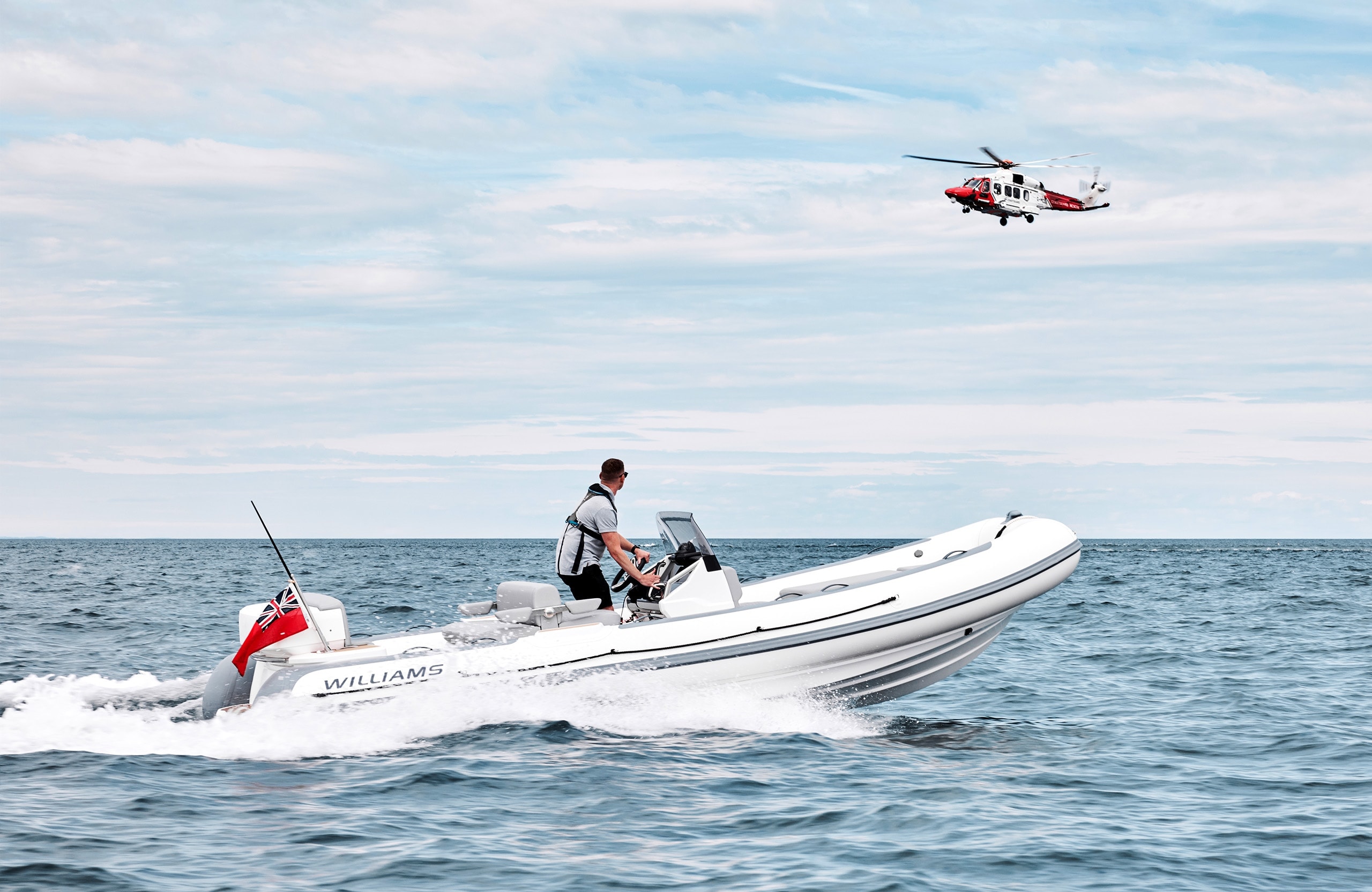 Williams · On the registerWilliams SOLAS 625LOA6.3mBeam2.41mTop Speed40knPrices on requestView on Superyacht Tenders →
The dual-role logic is why the boats are sized the way they are. The largest Williams model, the SOLAS 625, runs to 6.32 metres and seats twelve, and typically accompanies yachts of 40 metres and above. The 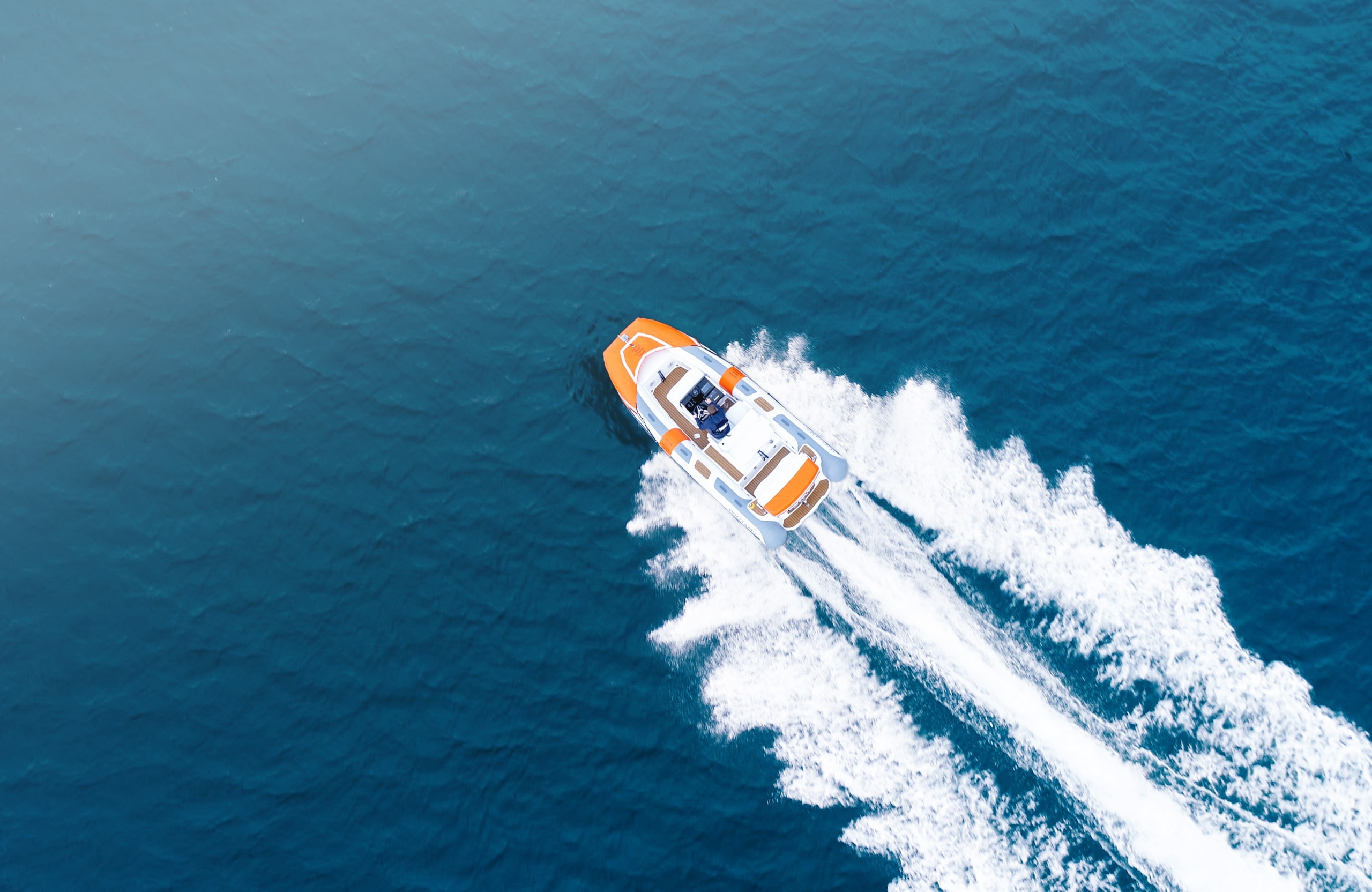 Williams · On the registerWilliams SOLAS 565LOA5.7mBeam2.41mTop Speed38knPrices on requestView on Superyacht Tenders → and the
 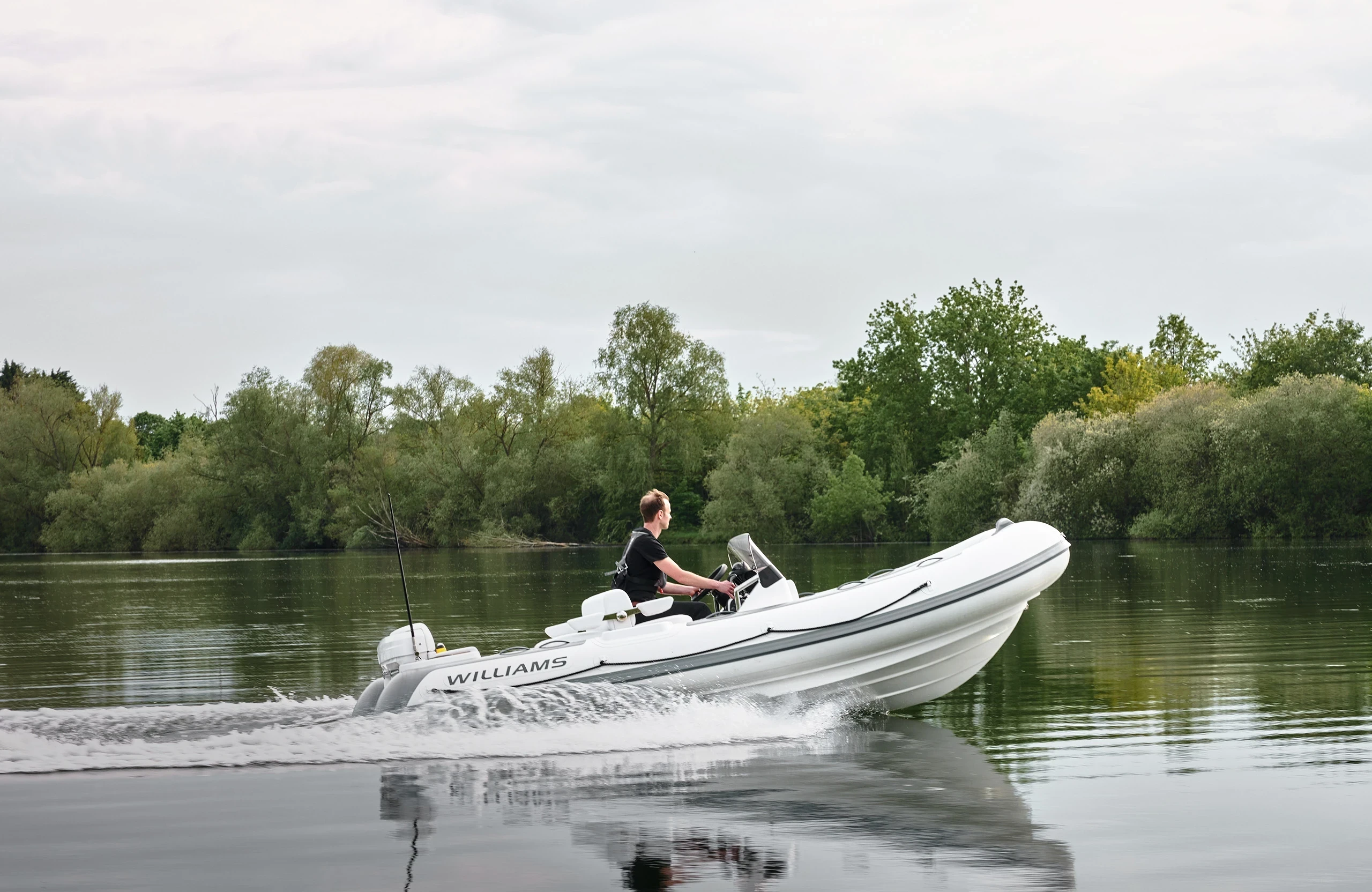 Williams · On the registerWilliams SOLAS 505LOA5.0mBeam2.01mTop Speed31knPrices on requestView on Superyacht Tenders → step down from there for shorter garages and smaller programmes. For how length and capacity map to a given yacht, see solas tender sizes, and for the builder landscape see solas tender builders.
What the rule does and does not buy you
It helps to be clear about what a SOLAS tender actually delivers. It satisfies a legal obligation, it gives the yacht a genuine recovery capability in bad conditions, and, in the dual-role models, it does both without forcing a second boat into the fleet. What it does not do is make every tender on board compliant by association, nor does it lower the survey burden, since a coded craft carries its own inspection regime. Owners weighing a single coded tender against a separate rescue boat plus guest tender should read choosing a SOLAS tender before committing a garage layout.
What we tell clients
When a build crosses 500 GT into commercial service, treat the rescue tender as a fixed point in the specification, not a variable. Decide early whether you want one boat doing two jobs or a dedicated rescue craft alongside your guest tenders, because that decision sizes the garage, the davit, and the certification work before the yard cuts metal. If the brief is charter, the dual-role coded models almost always win, since they keep the boat count down without giving up compliance. If the programme is heavy on watersports and long shore runs, look hard at whether a single SOLAS tender will carry the load or whether a second non-coded tender earns its space.
The honest summary we give every owner is this: a SOLAS tender is the price of operating a large yacht commercially, but specified well it is also one of the most useful boats in the garage. Start at the SOLAS tenders overview to read across the cost, sizing, and certification spokes, and walk the full decision through the solas tender compliance guide.
Sources
- SOLAS 625 | Williams Jet Tenders — Williams (retrieved Jun 2026)