A SOLAS tender is sized differently from a normal yacht tender. A guest tender is sized to fill a garage cavity and look good doing it. A coded rescue tender is sized to carry people in an emergency, and the number of people it has to carry is set by regulation rather than by taste. That single difference is why coded craft cluster in a narrow band, and why you cannot simply pick a length off a brochure.
Most SOLAS rescue tenders on yachts fall between 5 and 8m. The wider regulatory window is broader than that, but the practical window is narrow, and the reasons are worth understanding before you commit a garage or a davit to a hull.
The size bands we see in practice
- 5 to 5.5m. The smallest coded craft that still works as a dual-purpose boat. Common on yachts in the 40 to 55m range where the muster count is modest and garage space is tight. Often a coded RIB that doubles as a guest tender between drills.
- 5.5 to 6.5m. The sweet spot for most commercial yachts. Enough beam and length for a real rescue role plus a useful day-boat life, while staying inside typical davit limits. The
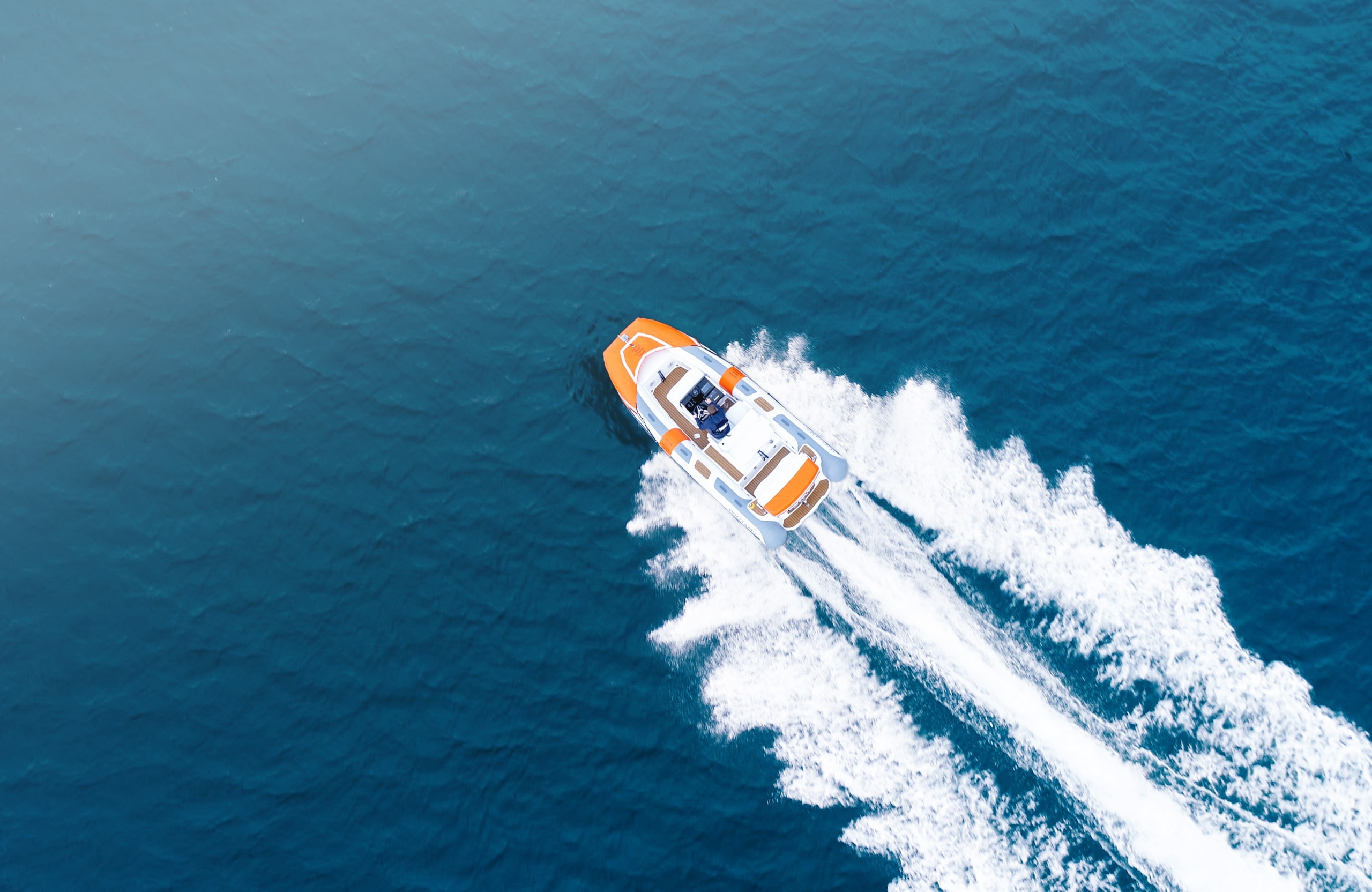 Williams · On the registerWilliams SOLAS 565LOA5.7mBeam2.41mTop Speed38knPrices on requestView on Superyacht Tenders → and
 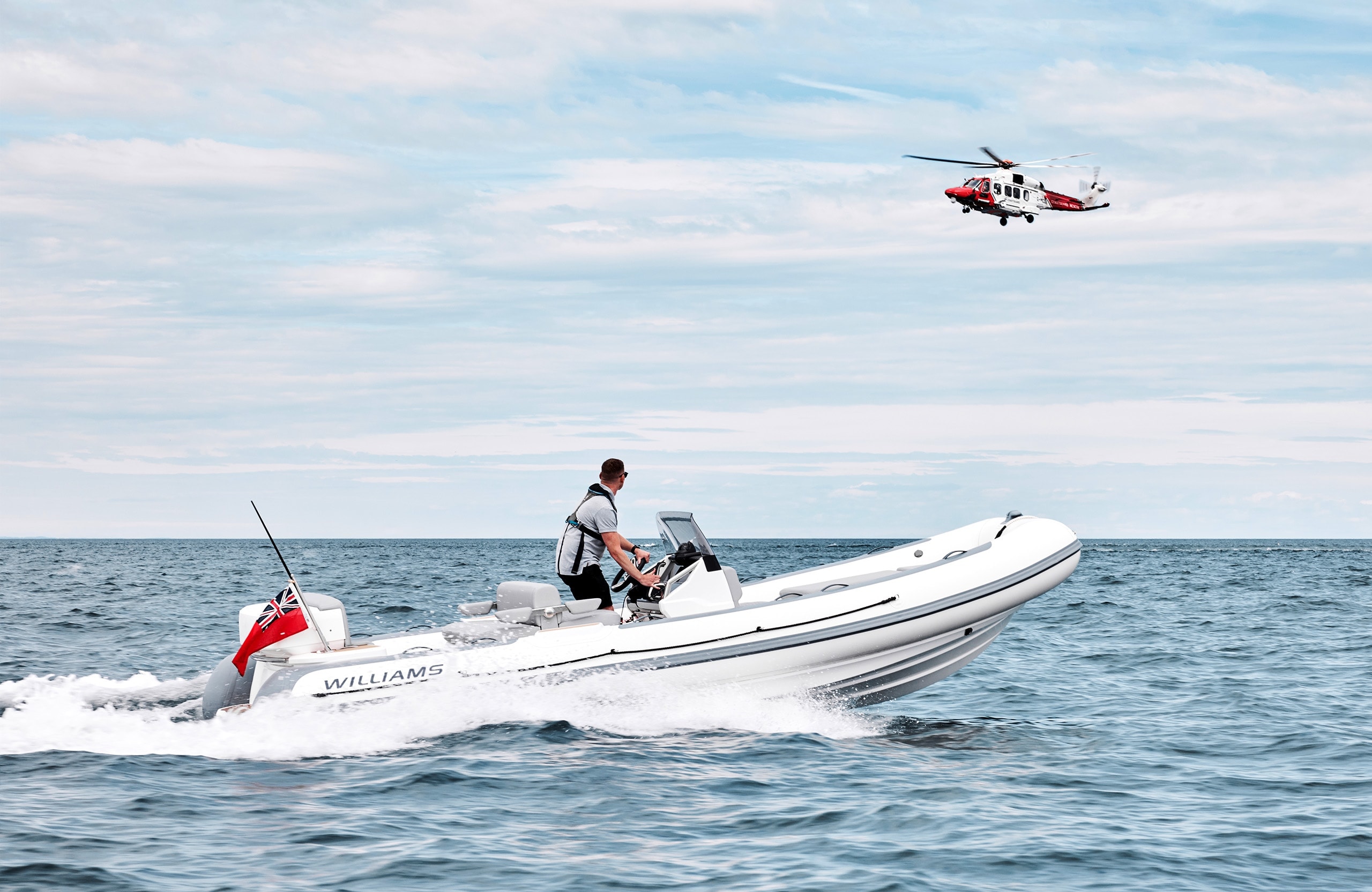 Williams · On the registerWilliams SOLAS 625LOA6.3mBeam2.41mTop Speed40knPrices on requestView on Superyacht Tenders → sit squarely here.
 - 6.5 to 8m. Larger coded craft for higher muster counts, longer rescue range, or yachts that want one boat to do the rescue job and carry a charter group. Heavier, so the davit and stowage have to be specified around them from the build.
- Below 5m. The LSA Code permits rescue boats down to 3.8m, but a sub-5m coded boat rarely carries enough people to satisfy a busy yacht's muster, so it is uncommon as a primary rescue tender.
Capacity drives the dimensions
The number that sets the length is persons-capacity, not styling. Under the LSA Code, a rescue boat must be capable of carrying at least five seated persons and one person lying on a stretcher, and it must be between 3.8 and 8.5m in length. That stretcher case is the quiet driver of size: a casualty lying flat needs clear deck length that seated bodies do not, which is why a genuine rescue layout pushes past 5m even at low head counts.
From there the count climbs with the muster requirement. Capacity is calculated from a fixed allowance per person, so every additional seat the flag state demands adds beam, length, or both. Fast rescue boats, which carry their own performance rules, generally start at 6m for the same reason: the gear, the crew, and the casualties all need room, and you cannot compress them below a certain hull size without failing the layout test.
So the order of operations is the reverse of a normal tender purchase. You do not pick a length and see how many fit. You count the muster requirement, add the stretcher case and crew, derive the persons-capacity, and the length falls out of that. The styling is the last decision, not the first.
Davit and stowage fit
Capacity sets the floor on length. The davit and the garage set the ceiling.
A coded hull is heavier than a non-coded tender of the same length. Sealed buoyancy chambers, fire-retardant build, self-righting gear, and certified lifting points all add mass, so a 6m SOLAS tender can weigh as much as a 7m guest boat. That matters because the davit has a safe working load, and the coded boat has to launch and recover within it, often at an angle of list. If the davit was specified for a lighter boat, the coded hull may not fit even though the length looks fine on paper.
Stowage is the second constraint. The boat has to enter and leave the garage cleanly, sit on a cradle that supports a heavier hull, and present its lifting points to the davit hook without a fight. Self-righting craft also carry taller superstructure, which can foul a low garage opening. We work the garage sizing numbers in parallel with the davit load every time, because the two together, not the length alone, decide what actually fits.
The lesson owners learn late is that you cannot retrofit a larger coded boat into a garage and davit built for a smaller one without reworking both. Size the rescue craft and its handling system as a single package from the build, the same way you would treat a SOLAS tender as a system rather than a boat.
Matching the boat to the muster requirement
The muster requirement is the figure that ties everything together. It is the number of people the yacht has to account for in an emergency, and the flag state expects the rescue tender to play its part in mustering and recovering them. A small private yacht with a light crew has a low muster count and can run a 5 to 5.5m coded boat. A commercial yacht carrying charter guests has a higher count, and the rescue craft has to scale with it.
This is where size, capacity, and the wider compliance picture meet. The SOLAS requirements for your flag and tonnage set the muster figure. That figure sets the persons-capacity. The capacity sets the length band. The length, weight, and self-righting choice then drive the SOLAS tender cost and the davit spec. Working any one of these in isolation tends to produce a boat that is the wrong size for the job, which is the most expensive mistake in this category because it is structural.
For owners weighing a single dual-purpose boat against a dedicated rescue craft plus a separate guest tender, the muster count is again the deciding input. A high count usually forces a larger, more committed rescue boat, which then competes for the garage space a guest tender would have used. Our notes on choosing a SOLAS tender and the SOLAS tender compliance guide walk through that trade in detail.
What the standard actually says
The dimensional limits are not negotiable, and they are easy to confirm. Under the LSA Code, rescue boats may be of rigid or inflated construction or a combination of both, shall be not less than 3.8m and not more than 8.5m in length, and shall be capable of carrying at least five seated persons and a person lying on a stretcher, as set out in the LSA Code rescue boat requirements. Everything we describe above operates inside that envelope; the practical 5 to 8m band is simply where real muster counts and real davits land within the wider legal window.
If you are starting from first principles on what a coded craft is and is not, begin with what is a SOLAS tender and SOLAS compliance basics before fixing a size.
What we tell clients
Size the boat backward from the muster count, never forward from the garage. Count the people the flag state expects you to recover, add the stretcher case and the rescue crew, and let that produce the persons-capacity and the length band. Then check the davit safe working load and the garage opening against the heavier coded weight, not against the length you would expect from a guest tender. If you do this at the build stage, a 5.5 to 6.5m coded boat such as the 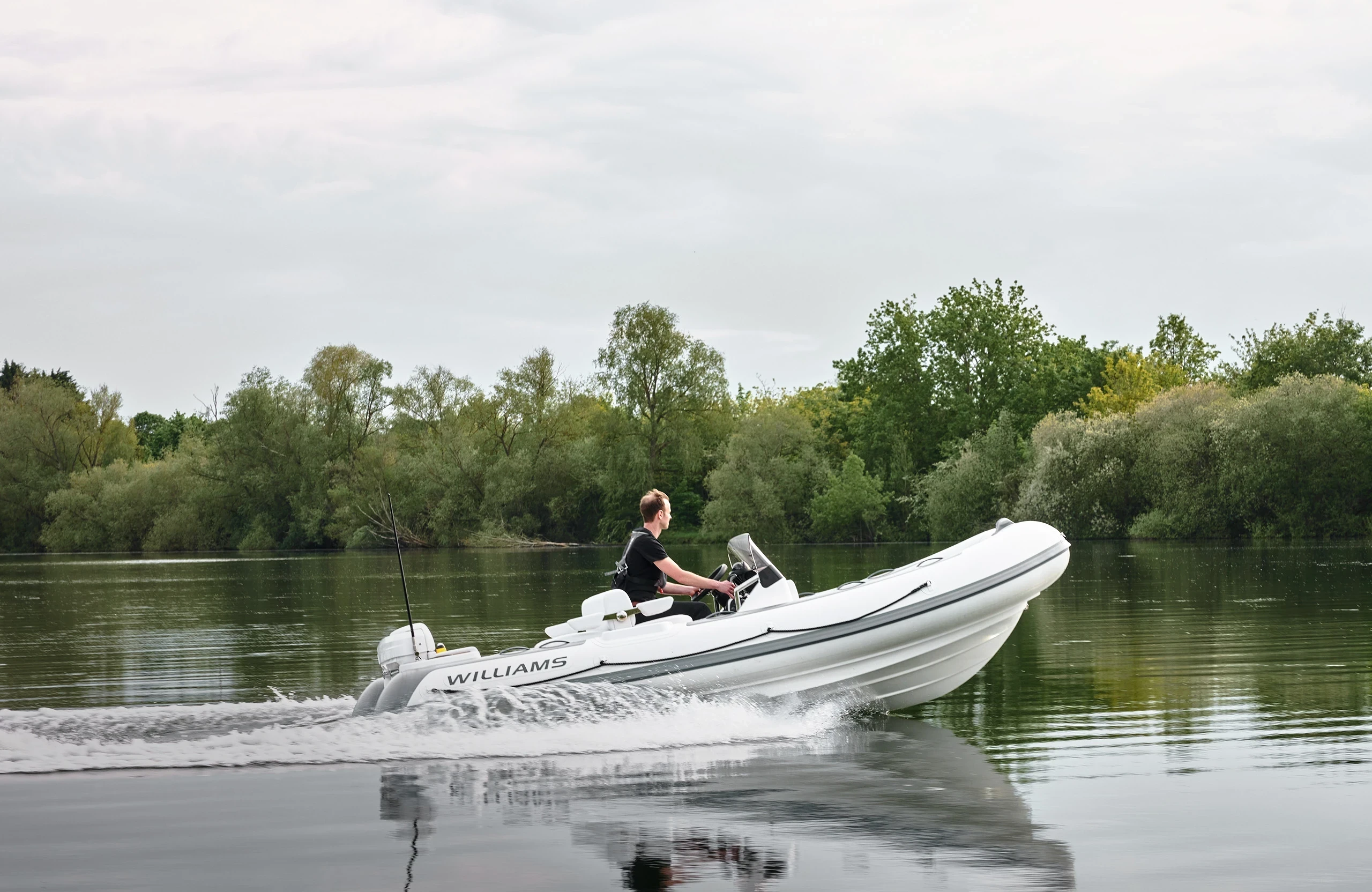 Williams · On the registerWilliams SOLAS 505LOA5.0mBeam2.01mTop Speed31knPrices on requestView on Superyacht Tenders → class will usually serve a mid-size commercial yacht without compromise. If you do it after the fact, you will be reworking the davit, the cradle, or the garage to make a compliant boat fit, and that is the conversation we most want owners to avoid.
Sources
- SOLAS 505 | Williams Jet Tenders — Williams (retrieved Jun 2026)