A beach lander costs more than a conventional tender of the same length, and the gap is not a markup. It is a working bow ramp, a reinforced forefoot, and a hull engineered to plant on sand and recover cleanly, all of which add structure, engineering, and finish that an ordinary tender never carries. Before you read a single quote, it helps to know which choices move the number and which barely touch it. This page sets out the cost drivers, realistic price bands, and the running costs owners actually see. If you want the broader picture across all tender types first, start at cost of a superyacht tender.
What actually drives the price
Five decisions set most of the figure. Get clear on these before you talk to a builder and the quotes will make sense.
- Custom versus semi-custom. A semi-custom hull, built off an existing tooling and adapted to your garage and guest count, is the cheaper route and the faster one. A fully bespoke one-off, drawn from scratch to a specific garage geometry, carries design and engineering hours that a repeat hull amortises across a series. The bespoke premium is real and it is the single largest swing in the whole budget.
- Size. Length drives material, structure, propulsion, and the size of the ramp mechanism all at once, so cost climbs faster than length alone. A 6 metre lander and an 11 metre lander are not the same boat scaled up. See beach lander sizes for how the bands break down.
- Ramp mechanism. This is the part that makes a beach lander what it is. A simple manual or gas-strut bow door is one cost. A fully powered, sealed, hydraulically actuated ramp that drops level and carries guests across is another entirely. The mechanism, its seals, and its hinges are where a lot of the engineering money goes.
- Finish. Carbon construction, teak, bespoke upholstery, and integrated electronics push a hull up a tier without changing its length at all. A carbon boat costs more to build and is worth more later.
- Propulsion. Outboards are the cheaper and lighter option and dominate the smaller end. Inboard waterjets cost more to install and maintain but suit shallow beaching work and larger hulls. The driveline choice ripples through both purchase and running cost.
For how these choices interact with the hull itself, read beach lander hull design, and if you are still deciding on the boat at all, choosing a beach lander works through the brief.
Purchase price bands
Treat these as honest "from" bands, not quotes. Every real number depends on the spec above, and builders price to the project.
A small semi-custom beach lander in the 6 to 7 metre range, outboard-powered, with a straightforward bow door, typically starts in the low to mid hundreds of thousands of euros. This is the most common entry point and the one most owners with a mid-size yacht land on.
A mid-size lander of 7.5 to 9 metres, carbon-built, with a powered ramp and a proper guest layout, moves into the mid to high hundreds of thousands and crosses into seven figures as the finish climbs. The
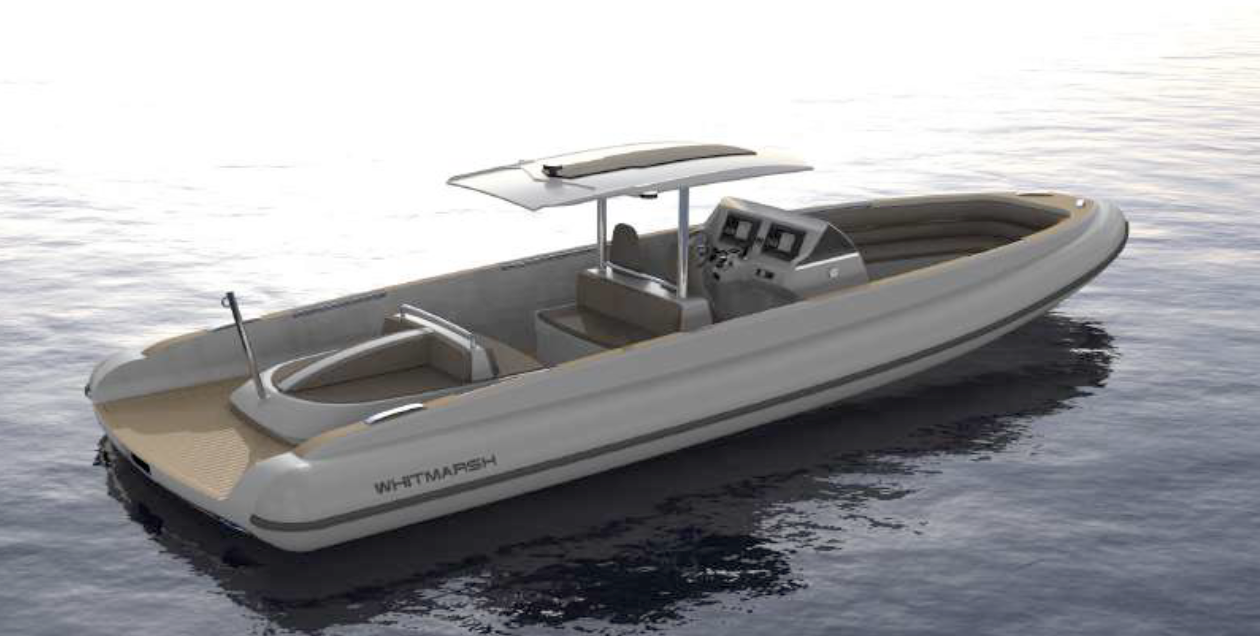 Whitmarsh · On the registerWhitmarsh 8.6mLOA8.6mBeam3.00mTop Speed40knPrices on requestView on Superyacht Tenders →
sits in this part of the market.
A large fully bespoke lander of 9 to 11 metres or more, with waterjets, a fully integrated powered ramp, and yacht-grade finish, is a seven-figure boat. The
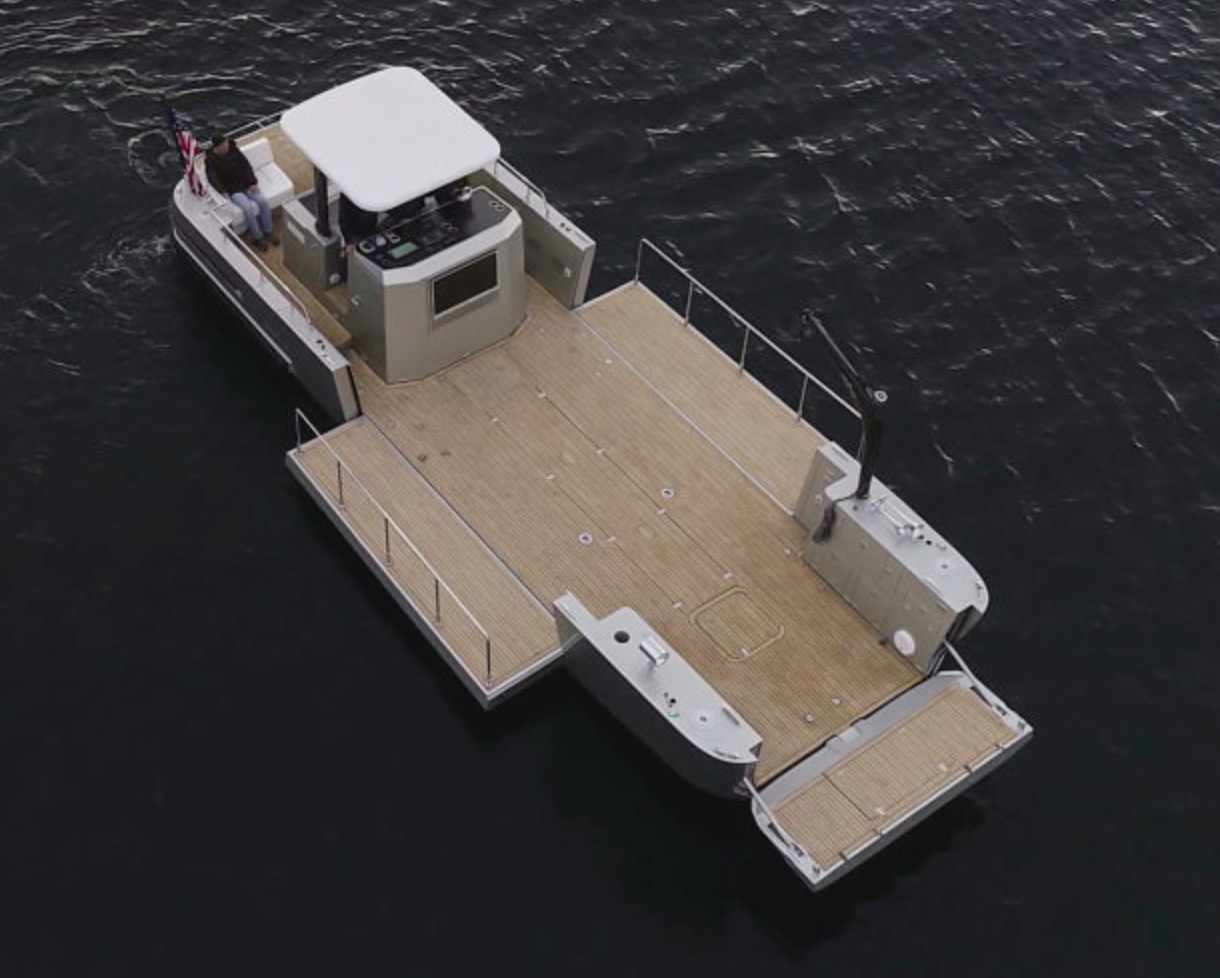 Reliant Yachts · On the registerReliant Yachts LanderLOA11.5mBeam3.93mTop Speed24knPrices on requestView on Superyacht Tenders →
is an example of the larger, more engineered end of the category. To put these figures in context against custom tenders generally, one UK builder has publicly referenced bespoke superyacht tenders running to around three million pounds, which marks the top of what a flagship lander can reach (Cockwells). The names building at this level are covered in beach lander builders.
Running and ownership costs
Purchase price is the visible number. Ownership is the one that recurs, and a beach lander carries a few costs a normal tender does not.
- The ramp mechanism. Seals, hinges, and actuation need servicing. A powered ramp is a system that lives in salt water and takes load every time it deploys. Budget for it specifically rather than rolling it into general maintenance.
- The bow shoe and forefoot. Repeated beaching wears the sacrificial bow shoe. Replacement intervals depend entirely on the beaches you use, from a few hundred hours on coarse sand and gravel to well over double that on fine sand. This is a genuine consumable, unique to the type.
- Propulsion servicing. Outboards are cheaper to service and replace. Waterjets cost more but tolerate the shallow, sandy work that wears propellers. Match the driveline to how the boat will actually be used.
- General tender costs. Antifoul, electronics, upholstery, winter storage, and crew time apply as they do to any tender. As a rough planning frame, the wider market treats annual yacht running costs at roughly 10 percent of value, and the same logic scales down to a tender; the figure is a planning anchor, not a promise.
The honest summary: a beach lander costs a little more to keep than a conventional tender of the same length, almost entirely because of the ramp and the beaching hardware. Neither is expensive in isolation. Both are predictable if you ask for the numbers up front.
Value retention
Tenders depreciate, and a beach lander is no exception, but the curve is softer than the generic production market. Specialist landers from recognised builders sit in a small, sought-after segment, and demand reliably outstrips supply, so used examples trade well. A carbon, well-specified hull from a known name holds value better than a cheaper composite one, which is one more reason the finish decision pays back later. The first year takes the steepest drop, as with any boat; after that the curve flattens for the boats people actually want.
What we tell clients
Spend the budget where it earns its keep. The ramp mechanism and the beaching hardware are not the place to economise, because they are the reason you bought a lander rather than a standard tender, and a cheap ramp is the part you will regret. Carbon and a recognised builder cost more on day one and give most of it back at resale. Match the propulsion to the beaches you actually use, not the brochure. And get the bow shoe replacement interval, the ramp service schedule, and the propulsion plan in writing before you sign, exactly as you would the price. The owners who treat the spec sheet as seriously as the quote are the ones who are still happy with the boat three seasons in. For the full shortlist of boats worth that scrutiny, see our best beach landers guide, or start from the beach landers overview and read across to what is a beach lander.
Sources
- Whitmarsh Ribs official — Whitmarsh (retrieved May 2026)