A beach lander and a RIB tender are the two boats most owners weigh up when the brief is simply "get guests ashore." They reach the same destination by opposite methods. A beach lander runs its bow up onto the sand and drops a ramp so people step off dry. A RIB noses in, holds against the swell, and guests climb over the tube into ankle-deep water. Both work. Which one is right depends almost entirely on where the yacht spends its season and what "ashore" actually looks like there.
This is a comparison, not a verdict. The two boats are good at different things, and the better choice is the one that matches your programme. For the fuller picture on each type start at beach landers and RIBs, or step back to the superyacht tenders overview.
| Spec | Reliant Yachts Lander | Cobra 8m | SACS Strider 15 |
|---|---|---|---|
| Length overall | 11.5 m | 8.0 m | 15.0 m |
| Draft | — | — | 0.80 m |
| Top speed | 24 kn | 40 kn | 42 kn |
| Guests | 14 | 10 | 16 |
| Propulsion | jet | sterndrive | shaft |
| Price | Prices on request | Prices on request | Prices on request |
Landing method: dry ramp vs wet beaching
This is the single difference that drives everything else. A beach lander is a small landing craft. The bow is engineered to plant on sand and take the load of a ramp drop, so guests, dive kit, e-bikes, or provisions cross onto the beach without touching the water. The mechanics behind that bow are not trivial, which is why beach lander hull design is a category of its own rather than a tweak to a normal hull.
A RIB beaches the old way: approach slowly, hold the bow into the swell, and step guests over the tube into the shallows. In calm water on a gentle shelving beach this is fine, and the tube acts as a soft fender against rock and sand. In any chop, or with elderly guests, or with anything that cannot get wet, it becomes awkward. The lander removes that friction entirely. The RIB keeps the flexibility of going anywhere, including alongside a dock where a bow ramp is irrelevant.
Stability: collar buoyancy vs hull form
A RIB's reputation rests on its collar. The inflatable or foam tubes add buoyancy right at the waterline, which makes the boat hard to capsize, soft when it comes alongside, and forgiving when weight shifts. Industry coverage is blunt about this: the seakeeping, stability and buoyancy advantages of the RIB design are, as one YachtWorld review puts it, "extremely well proven." That collar is also the boat's built-in fendering, which matters every time it touches the mothership. The detail of how those tubes are built is covered in RIB collar construction.
A beach lander gets its stability from hull form and beam instead. The wide, flat-floored hull that lets it sit evenly on sand also gives it a steady, barge-like platform at rest, which is exactly what you want when a dozen people are walking forward to a ramp. It does not have the collar's soft secondary buoyancy, and it does not fender itself against a hull, so coming alongside is a more deliberate operation. Both boats are stable; they are stable for different reasons and in different situations.
Capacity: deck space vs transfer comfort
Strip out the tubes and a landing craft is mostly deck. At a given length the beach lander carries more people and a lot more cargo, because the full beam is usable and the boat is built around load rather than speed. That is why landers double as the yacht's freight and provisioning boat, not just the guest shuttle.
A RIB spends part of its beam on the collar, so its deck is narrower, but what remains is laid out for comfortable, fast transfers with proper seating. For a tender whose main job is moving guests between yacht and marina at 30 knots, that trade is the right one. For a tender whose main job is landing twenty people and a pile of kit on an empty beach, it is not.
Draft: how close to the sand each one gets
Both types are shallow-draft by tender standards, but the lander is the more extreme case. It is designed to run its forefoot right up onto the beach, so the working forward draft is often in the 0.4 to 0.6 metre band, and the boat is meant to ground deliberately and repeatedly. A RIB sits a little deeper and is not built to take the bottom hard, so even when it beaches it stops short and the last few metres are done on foot through the water. If the destinations are tidal flats, sandbars, and beaches that dry out, draft and the ability to ground are decisive, and they favour the lander.
Seakeeping: ramp compromise vs deep-vee ride
Here the RIB pulls ahead. The same flat forefoot that lets a lander sit on sand pounds harder in a head sea, which is why most landers are kept to coastal day work in moderate conditions. A RIB with a deeper vee and a buoyant collar handles open-water chop far more comfortably and can be pushed harder for longer. If the run to shore is two miles of exposed water, the RIB is the better and safer ride. If it is a short hop from an anchored yacht to a sheltered cove, the lander's softer-weather limit rarely matters.
Cost: what you are paying for
Neither is the cheap option once you are at superyacht-tender quality, and the two price on different things. A beach lander is paid for in engineering: the armoured bow, the ramp mechanism, hydraulics, and the structure to survive repeated grounding. A premium RIB is paid for in finish, driveline, and the collar system. As a rule a bespoke beach lander of a given length sits at or above a comparable RIB because of the ramp and grounding hardware, but the spread is wide and spec-driven. We break the lander side down in beach lander cost; for the shortlists see best beach landers and best RIB tenders.
Which suits which programme
Use the cruising ground as the deciding question.
Choose a beach lander if the season is built around beaches without docks: remote anchorages, expedition itineraries, the kind of shoreline where guests want to step off dry and the boat also has to land bikes, dive gear, and provisions. Family and expedition programmes lean this way.
A boat like the
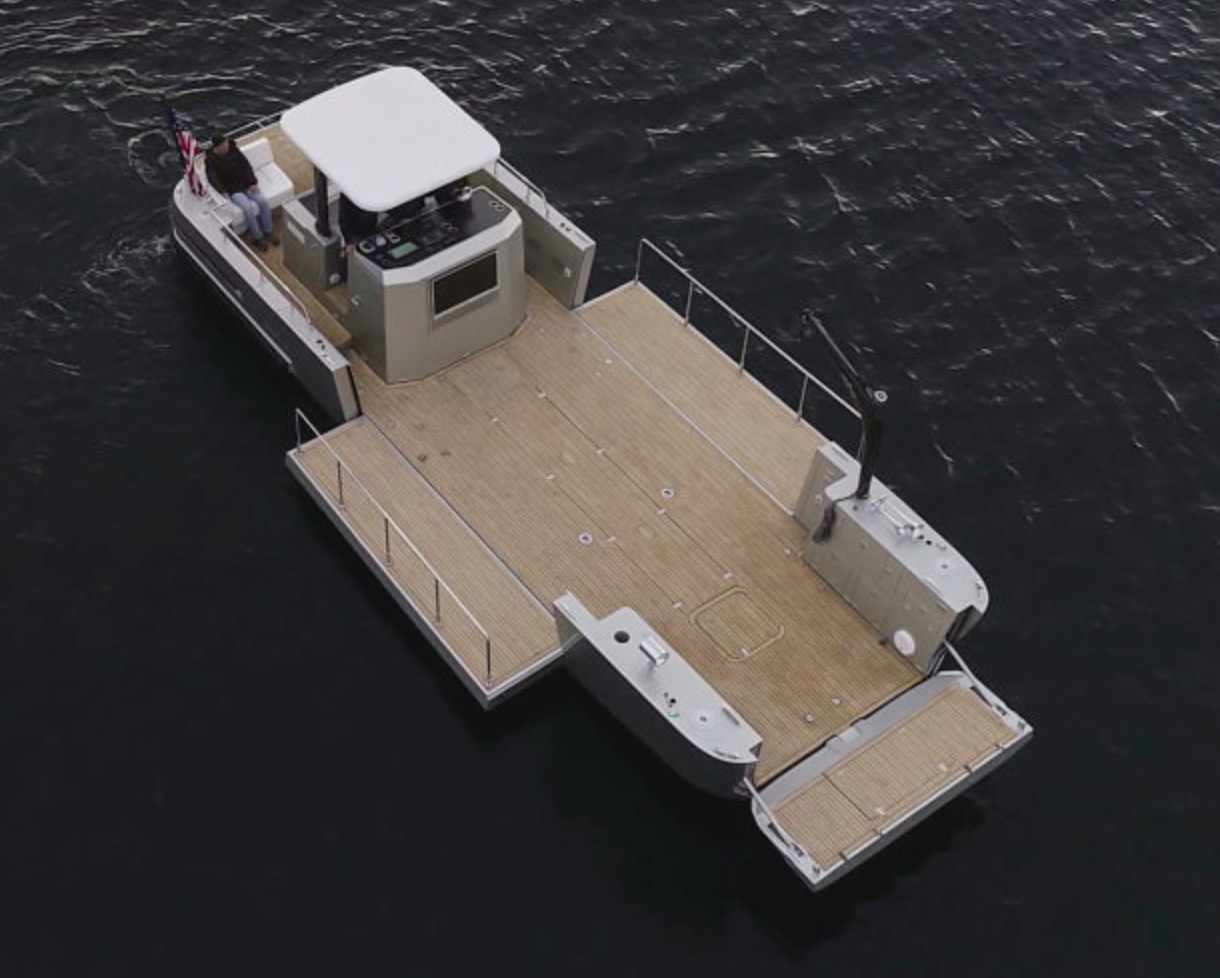 Reliant Yachts · On the registerReliant Yachts LanderLOA11.5mBeam3.93mTop Speed24knPrices on requestView on Superyacht Tenders →
is built for exactly that brief.
Reliant Yachts · On the registerReliant Yachts LanderLOA11.5mBeam3.93mTop Speed24knPrices on requestView on Superyacht Tenders →
is built for exactly that brief.
Choose a RIB if the tender's daily life is transfers, watersports, and coming alongside in marinas and open anchorages, with the occasional gentle beach thrown in. A
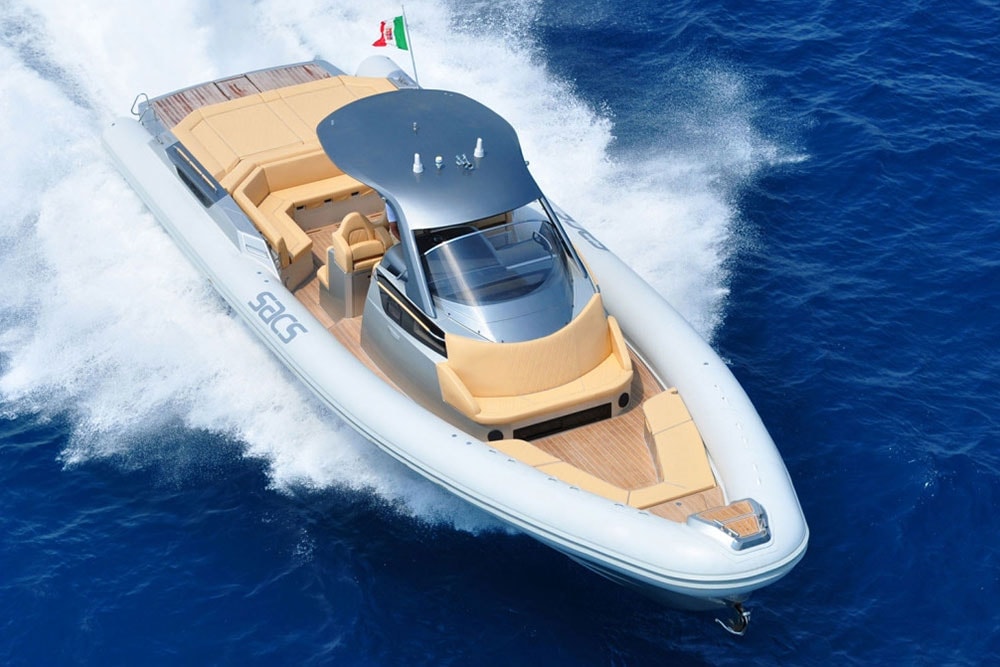 SACS · On the registerSACS Strider 15LOA15.0mBeam4.50mTop Speed42knPrices on requestView on Superyacht Tenders →
or a
SACS · On the registerSACS Strider 15LOA15.0mBeam4.50mTop Speed42knPrices on requestView on Superyacht Tenders →
or a
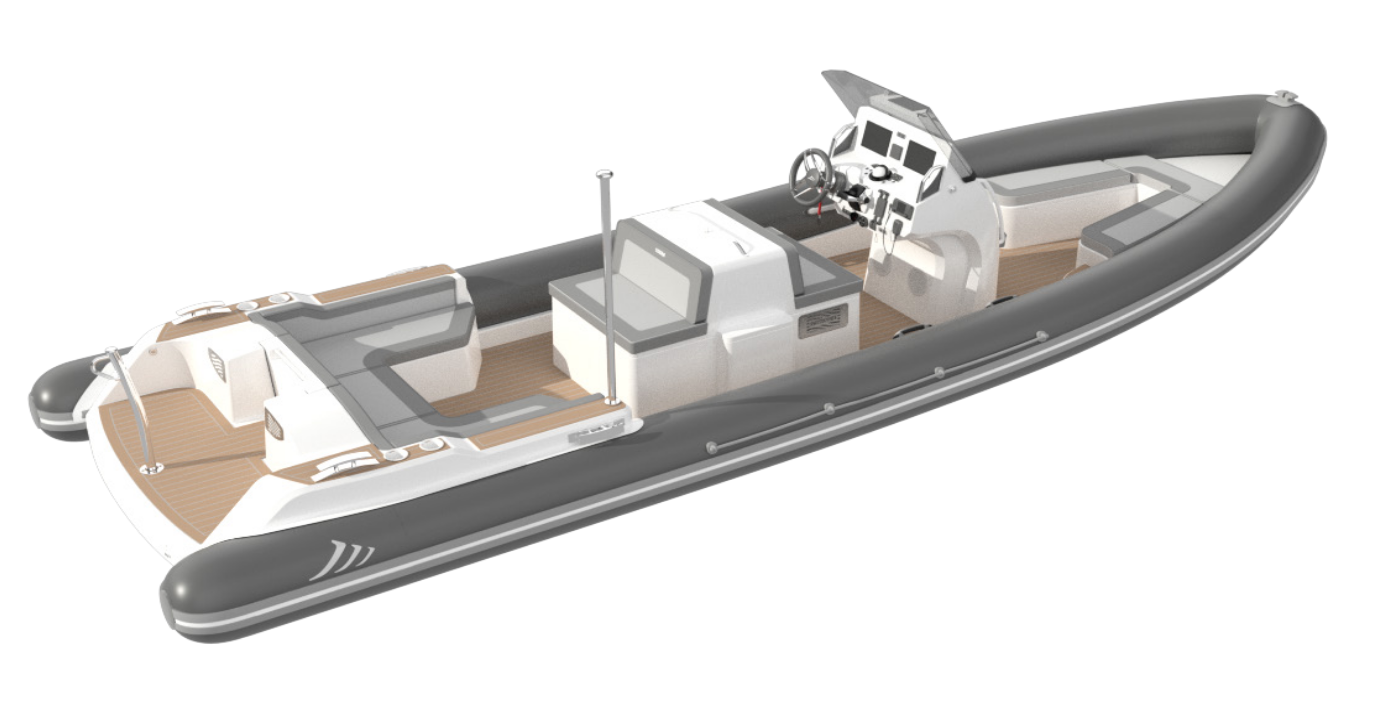 Cobra · On the registerCobra 8mLOA8.0mBeam2.55mTop Speed40knPrices on requestView on Superyacht Tenders →
covers that role with the speed and sea legs a busy charter week demands.
Cobra · On the registerCobra 8mLOA8.0mBeam2.55mTop Speed40knPrices on requestView on Superyacht Tenders →
covers that role with the speed and sea legs a busy charter week demands.
If you genuinely do both, carry both. When the garage only fits one, the honest tiebreaker is where the boat will spend ninety per cent of its hours. To narrow a lander spec from there, read choosing a beach lander.
What we tell clients
Owners often ask which boat is "better," and it is the wrong question. The better question is what the shoreline looks like where they cruise. Show us a season of dock-side marinas and open anchorages and we point at a RIB every time. Show us a season of wild beaches, tidal flats, and shore picnics with no jetty in sight, and the dry ramp of a beach lander earns its keep on the first landing. Most of the disappointment we see comes from buying the wrong one for the actual itinerary, not from either boat being poor at its job. Match the boat to the beach, not to the brochure.
Sources
- Strider 10 | Sacs Marine — SACS (retrieved May 2026)
- Rebel 40, Sacs Marine — SACS (retrieved May 2026)
- Strider 13, Sacs Marine — SACS (retrieved May 2026)
- Cobra Design and Hand Build Process | Customisable RIB Boats — Cobra (retrieved May 2026)
- Explore the Nautique Inboard Range | Cobra Custom RIBs — Cobra (retrieved May 2026)
- On Test, Sacs Strider 15, Yachting News — SACS (retrieved May 2026)