A beach lander is bought backwards by most first-time owners. They fall for a length or a finish at a show, sign, then discover the boat will not clear the garage door or land on the beach they had in mind. The category rewards the opposite order: decide what the boat must do, then let each spec fall out of the one above it. This guide runs the decisions in the sequence that avoids re-orders, from the brief through to a builder shortlist.
1. Define the brief first
Write down three things before you look at a single boat: the beaches, the guests, and the gear.
- Beaches. A steep shingle cove in the Mediterranean and a flat tidal sand flat in the Bahamas demand different hulls and different draft. List the actual landings you expect to make in a season.
- Guests. Six adults stepping ashore dry is a different boat from twelve guests plus crew plus a picnic setup. Peak headcount sets seating, ramp width, and payload.
- Gear. E-bikes, dive kit, paddleboards, a beach bar, a wheelchair. The bulkiest item you load decides ramp clear width and deck length more than the guest count does.
This is the step buyers skip, and it is the one that costs money later. As Superyacht Content notes in its beach lander guide, choosing a tender is about matching lifestyle and logistics to current and future use, with each use case pointing to different size, range, and layout. Get the brief on paper and the rest of this framework becomes a series of narrowing decisions rather than guesses. If you are still deciding whether a lander is even the right tool, start at what is a beach lander and beach lander vs RIB.
2. Size to the garage, not to the brochure
The single hardest constraint on a beach lander is the hole it has to live in. Size the boat to the smallest dimension of your tender garage: opening width, opening height, internal length, beam, and headroom. The brochure LOA is the least useful number here, because ramp hinges, bow shoes, towing eyes, and any tilted outboard all add length and height the bare figure hides.
Most custom and semi-custom beach landers sit in the 5 to 12 metre band, with the popular owner sweet spot around 8 to 10 metres. Above 12 metres the boat usually moves to a catamaran landing-craft format carried by a support vessel rather than a conventional garage. Work the numbers properly at beach lander sizes before you fix on a length, because a 200mm error here is the difference between a boat that fits and one that does not.
3. Choose the ramp mechanism and material
The ramp is the reason the boat exists, and it is also the part that breaks first and constrains the cabin aft. Two decisions matter.
Mechanism. Manual ramps are practical and near indestructible up to about 10 metres: a single counterbalanced panel a deckhand drops in under 30 seconds. Above 10 metres the panel gets too heavy and hydraulic actuation becomes mandatory, which buys faster deployment at the cost of a real maintenance load (pump, hoses, seals, valves). The full trade is at beach lander bow ramps.
Material and width. Composite ramps are light and quiet; aluminium ramps take more abuse on shingle and rock. Set the clear width by the gear from step 1: 800mm for comfortable single-file boarding, 1,000mm for wheelchair access, more if you load a beach bar or dive racks. Match the width to the brief, not to a default.
4. Pick propulsion and lock in draft
For a dedicated beach lander, waterjets are the default and for good reason. The drive sits flush inside the hull, so there is nothing below the keel to strike sand or coral on the run-in, and nothing tall to block the garage door. A jet package is also more compact than an outboard installation, which is exactly the clearance you fought for in step 2.
Outboards can beach land, and they are simpler to service and cheaper to replace, but the leg has to be tilted clear on the final approach, which slows the run-in and leaves the propeller exposed if the timing is wrong. Sterndrives are rare on landers for the same reason.
Whatever the drive, draft is the number that decides which beaches in your step 1 list you can actually reach. A laden beach lander wants the shallowest practical draft at the bow, typically well under half a metre, so the boat noses onto the sand before the keel grounds. Confirm the laden draft against your steepest and your flattest target beach, not the empty-boat figure.
5. Settle finish, seating, and deck layout
With the hard constraints fixed, the comfort decisions are next, and they trade directly against payload and stowage.
- Seating. Forward-facing benches for a fast transit, or a social U-shape for a day at anchor. Peak headcount from step 1 sets the minimum.
- Shade. A folding T-top or hydraulic bimini keeps guests comfortable but adds height; check it folds inside the garage envelope.
- Deck. Teak looks the part and grips wet feet; synthetic decking is lighter, cooler underfoot, and far easier to maintain after a sandy season.
- Stowage. Lockers for the gear you listed, plus a freshwater rinse for feet and kit. The bulkiest item from the brief should have a home.
Keep checking each addition against the garage envelope and the laden draft. A T-top or a heavier deck can quietly push you past a constraint you already locked.
6. Build the builder shortlist
Only now does the builder question make sense, because you can hand each yard the same brief and compare like for like. The dedicated beach lander field is small and specialist: Pascoe International, Hodgdon, Cockwells, and a handful of others build the bespoke end, while several semi-custom yards cover shorter lead times below them. Compare track record, ramp engineering, and refit support at beach lander builders, and weigh the trade against a converted RIB at beach lander vs RIB.
For reference points that already exist on the water, the
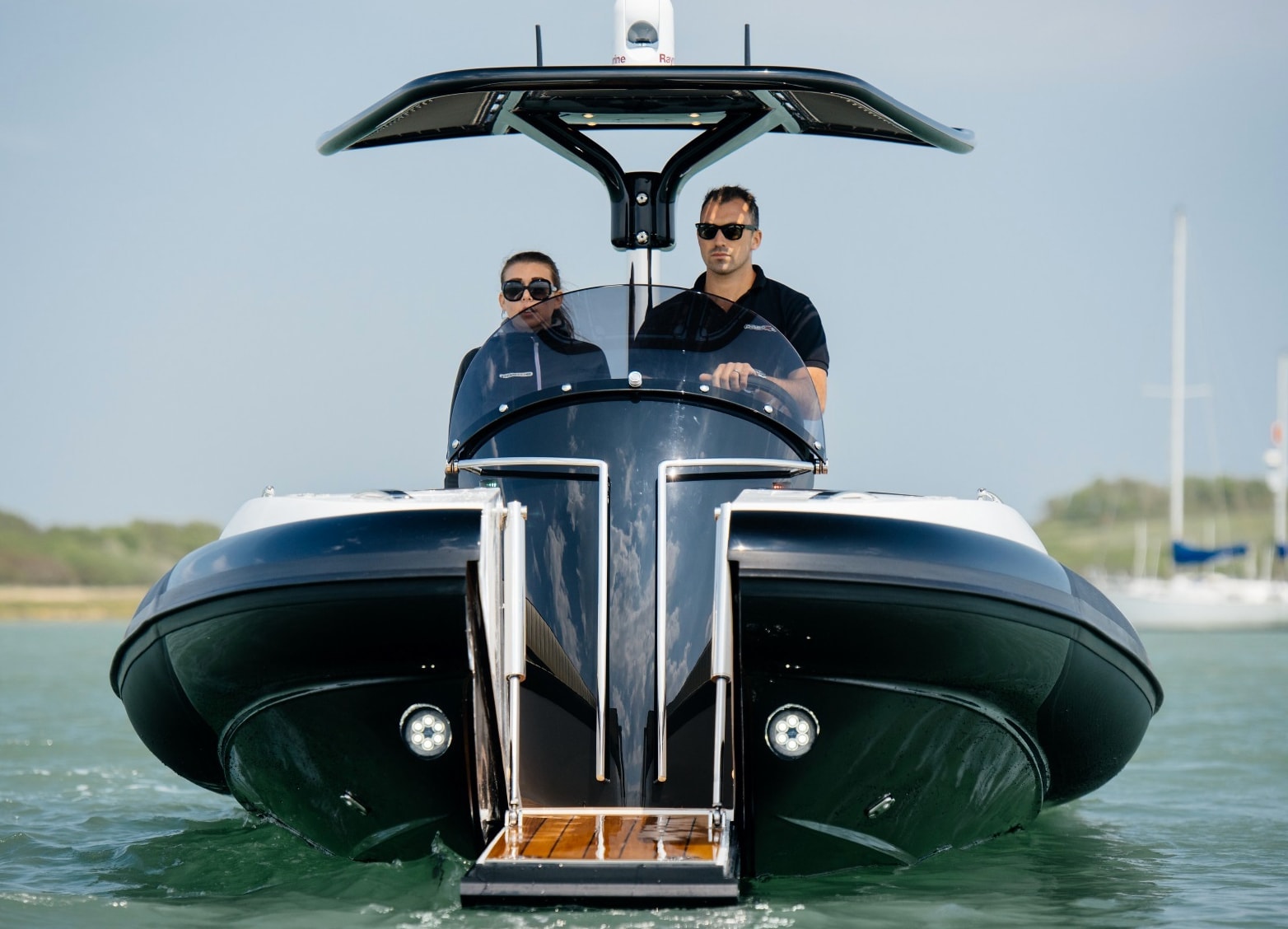 Pascoe · On the registerPascoe 8.6mLOA8.6mBeam2.95mTop Speed35knPrices on requestView on Superyacht Tenders →
sets the bespoke benchmark, while the
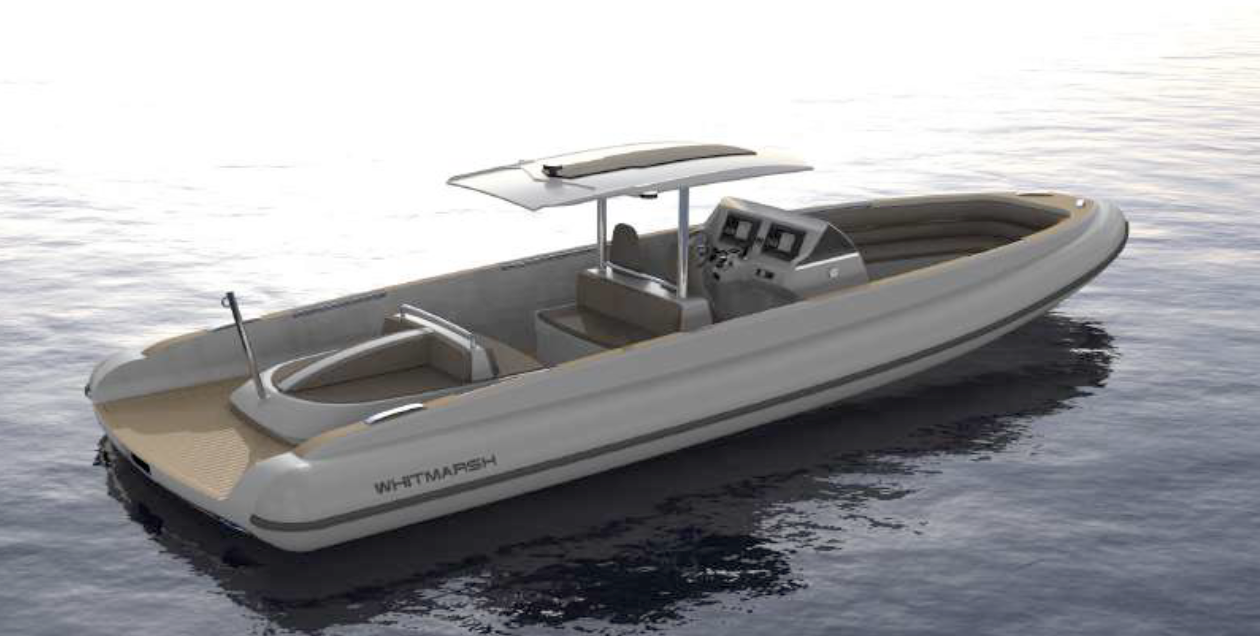 Whitmarsh · On the registerWhitmarsh 8.6mLOA8.6mBeam3.00mTop Speed40knPrices on requestView on Superyacht Tenders →
and the
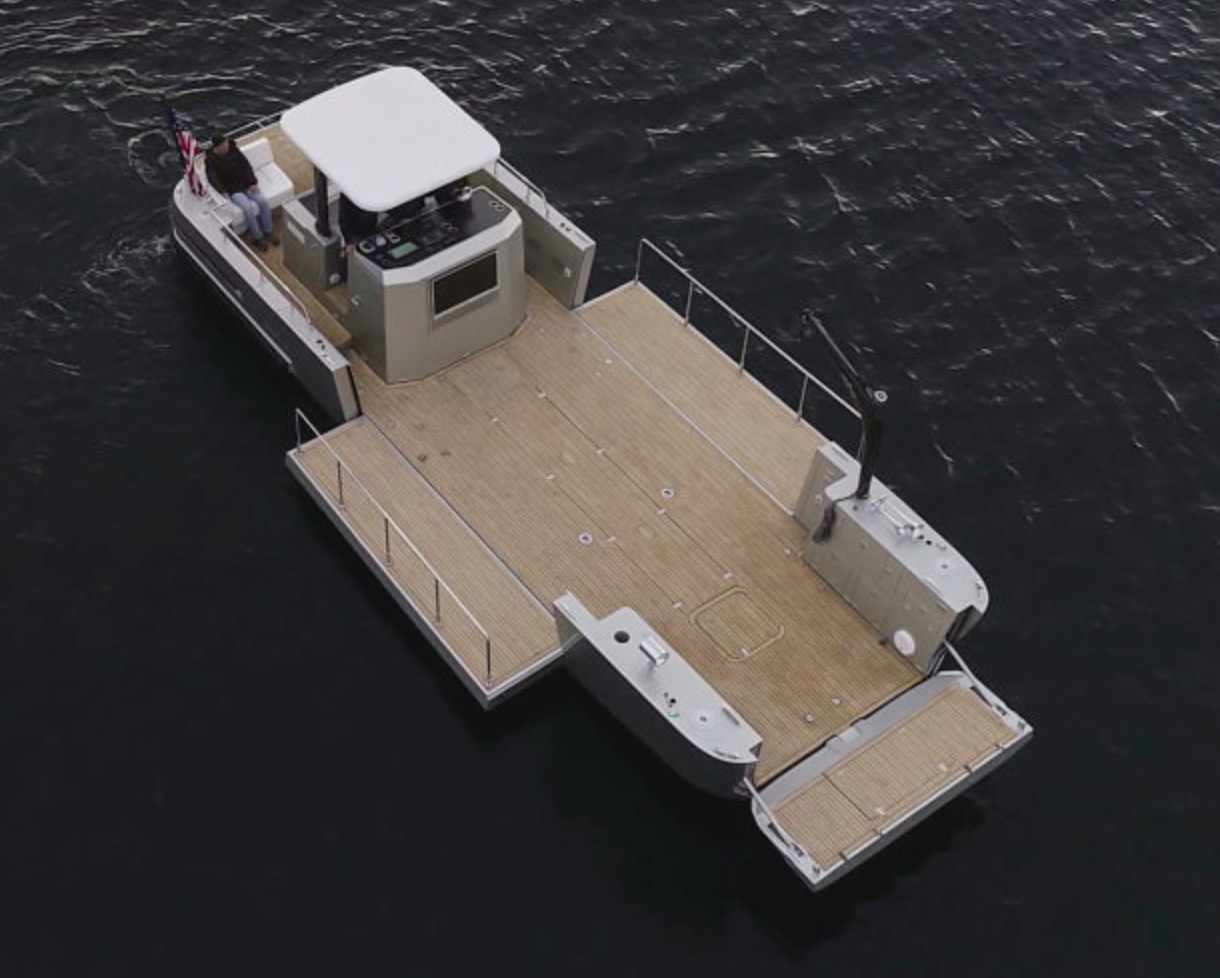 Reliant Yachts · On the registerReliant Yachts LanderLOA11.5mBeam3.93mTop Speed24knPrices on requestView on Superyacht Tenders →
show how the same brief resolves at different lengths and price points. Run the numbers on ownership at beach lander cost, and see how owners actually use these boats at beach lander uses.
What we tell clients
Buy in this order and you will not re-order. The brief is the contract: beaches, guests, gear, written down before anyone quotes a length. Size to the garage opening, not the show-stand LOA. Treat the ramp and the laden draft as the two specs you never compromise, because they decide whether the boat does the one job it was bought for. Everything after that, finish and seating and brand, is preference, and preference is cheap to get right when the hard constraints are already locked. When you are ready to compare real hulls, start at the beach landers overview, browse current stock at new beach landers and pre-owned beach landers, and read across the curated best beach landers shortlist.
Sources
- Whitmarsh Ribs official — Whitmarsh (retrieved May 2026)
- Reliant Yachts X40L Lander official page — Reliant Yachts (retrieved May 2026)
- Pascoe DT Launch Beachlander, Pascoe International — Pascoe (retrieved May 2026)