The beach lander field is smaller than it looks. Plenty of yards will fit a bow door to a stock hull and call it a lander, but the boats that actually land cleanly on sand, carry a load, and back off again come from a short list of specialists. This is an overview of who builds what, not a ranking. The right yard for one brief is the wrong yard for the next, and the only way to choose is to start from the job and work back to the builder.
The builder field
Bow-ramp landing tenders cluster into three families, and most builders sit clearly inside one of them.
The first family is the production guest lander: a finished, garage-stowed tender with a hydraulic bow door that drops onto the beach so guests step off dry. The second is the heavy load carrier: an aluminium landing-craft-style hull with a flat drop bow that takes vehicles, dive gear, or provisioning pallets straight off the ramp. The third is the jet-driven shallow-water lander, which trades a formal ramp for the ability to run right up onto sand and mud banks at speed. A few custom yards bridge these families on a one-off basis.
Knowing which family your brief falls into removes most of the builders from the conversation before you ever request a quote. To browse the boats themselves rather than the yards, start at the beach landers overview or the new beach landers listings.
What each builder is known for
Pascoe International (UK). The dominant name in the production guest lander bracket. Pascoe's Beachlander range, launched in its current hydraulic-bow-door form in 2016, is the boat most owners picture when they say beach lander: a finished tender in the 7.5 to 9.8 metre band with a button-controlled opening bow ramp and a hydraulic bimini that drops to clear low garage stowage. Pascoe is the safe default when the brief is elegant guest delivery to the beach with a finish that matches the rest of the yacht's fleet.
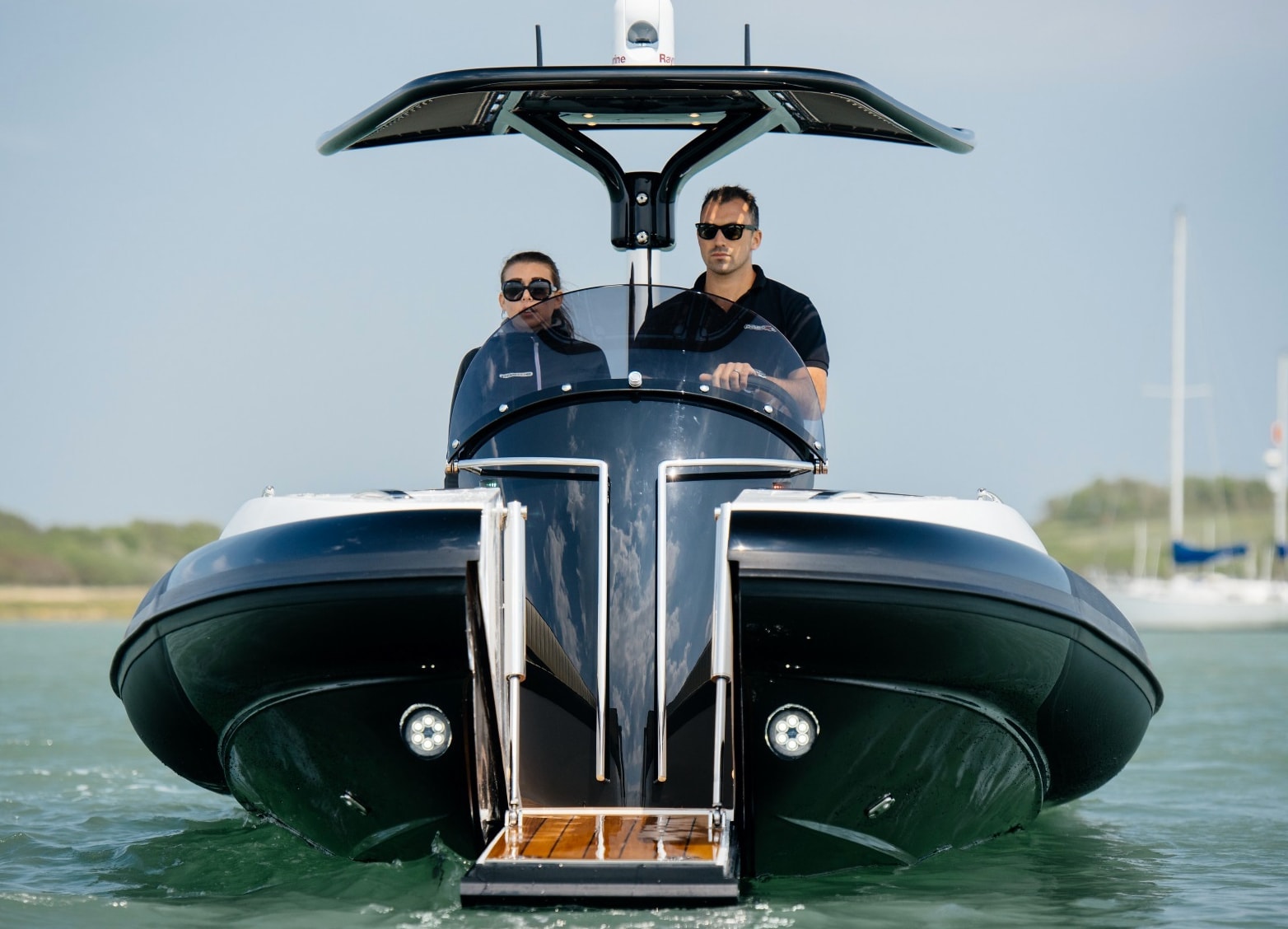 Pascoe · On the registerPascoe 8.6mLOA8.6mBeam2.95mTop Speed35knPrices on requestView on Superyacht Tenders →
Reliant Yachts (UK, building as X-Tenders). Reliant occupies the heavy load-carrying end. The X40L Lander is a 40 foot aluminium boat with a landing-craft-style drop bow that forms a full-width ramp, built for a superyacht client who wanted to drive a car straight on and off. It runs Hamilton jet drives rather than propellers so it can work in shallow water, and uses pop-up winches to kedge itself onshore and back off again. This is the builder to call when the brief is cargo and capability rather than guest finish.
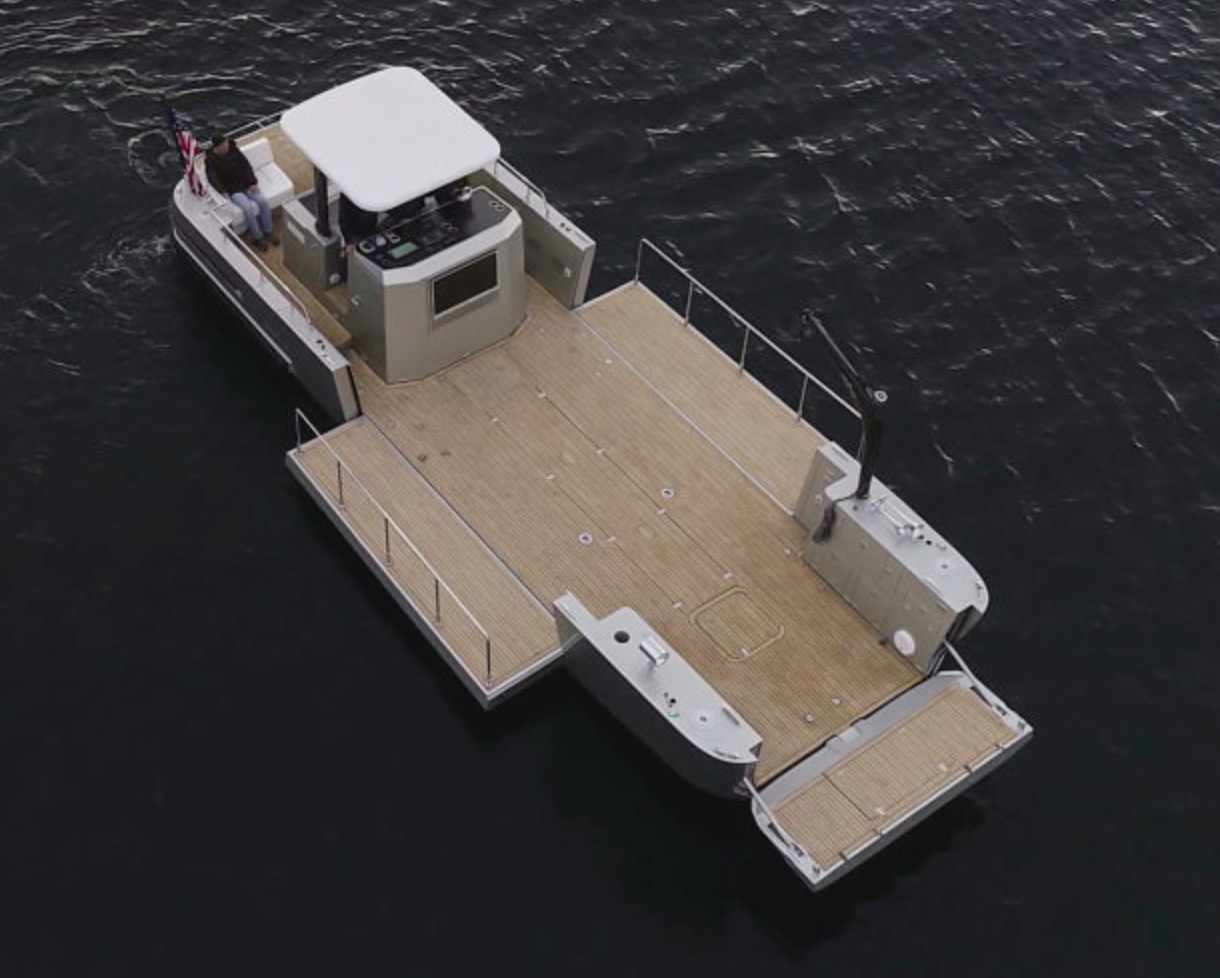 Reliant Yachts · On the registerReliant Yachts LanderLOA11.5mBeam3.93mTop Speed24knPrices on requestView on Superyacht Tenders →
Castoldi (Italy). The Milan yard built its name on waterjet tenders, and that propulsion is exactly what suits the shallow-water lander job. Castoldi jet tenders carry stepped bow-landing ramps and can cross sand and mud banks at speed with no exposed propeller to damage. They sit at the sportier, faster end of the field, so they suit owners who want one boat that doubles as a quick day tender and a beach platform rather than a dedicated landing craft.
Whitmarsh (UK). Whitmarsh works from Chichester Harbour and added a run of dedicated beach landers in 2025, the SBL625, SBL725 and SBL850, alongside its existing tender and SOLAS work. The format is a walkaround deck with a clever lowering bow door and half-circle inflatable tubes that keep the internal space clear. It sits in the mid-size, multi-role bracket: watersports, diving, and guest transfers from one hull.
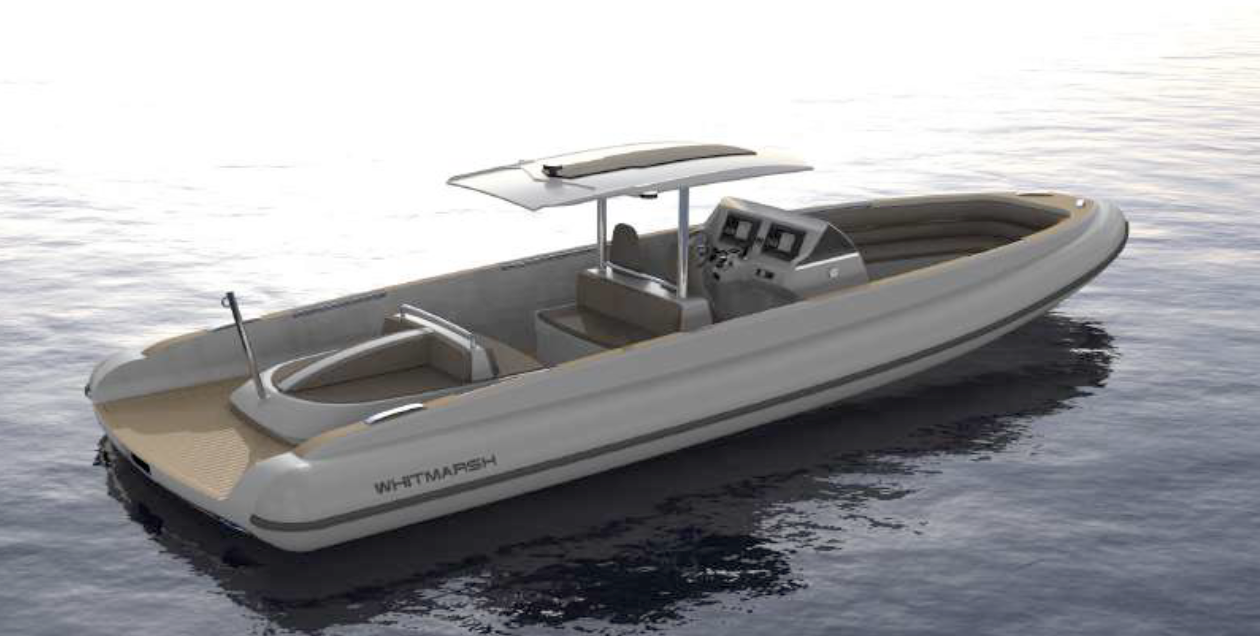 Whitmarsh · On the registerWhitmarsh 8.6mLOA8.6mBeam3.00mTop Speed40knPrices on requestView on Superyacht Tenders →
Custom and crossover yards. Cockwells, Hodgdon, and a small number of other bespoke builders take on landers as one-off commissions, usually when the owner wants a lander built to match an existing tender fleet's styling or a non-standard garage. These yards are worth approaching when no production model fits the slot, but expect a longer build and a higher cost per metre. For the broader builder picture across all tender types, see the builders directory.
A useful external benchmark for the field is the annual best-tenders review from Boat International, which tracks the same yards we see winning landing-tender briefs.
How to shortlist
The brief variables that decide the yard, in the order they usually matter:
- Use case. Guest delivery points to Pascoe or Whitmarsh. Vehicle and cargo carrying points to Reliant. Fast shallow-water work points to Castoldi. Pin this down first, because it eliminates most of the field. Our choosing a beach lander guide walks through the trade-offs.
- Garage fit. The hull has to come back into a slot that already exists. Bow-door geometry, beam, and stowed height all change which builders can hit the dimensions. Settle the size envelope before you settle the builder.
- Finish expectation. A guest-facing lander needs a finish that does not look out of place next to the yacht's other tenders. A working load carrier does not. This single line splits the field between the fine-finish yards and the capability yards.
- Hull and ramp engineering. Forefoot geometry, bow shoe, and ramp mechanism are where landers succeed or fail in service. Read the hull design notes and ask each yard for the load-bearing numbers, not just renderings.
- Budget envelope. Cost runs from semi-production guest landers up to bespoke aluminium load carriers. Get a realistic figure early from the beach lander cost guide so the shortlist is grounded in what you will actually spend.
If you are still deciding whether a lander is the right boat at all, start with what is a beach lander before you approach any yard.
What we tell clients
Do not start from a builder name. We have watched too many owners decide they want a particular yard, then spend months trying to force a hull that does not suit the actual use into the garage and the budget. Start from the job: who steps off the bow, what they carry, how shallow the water is, and what the boat has to look like parked next to the rest of the fleet. Those four answers usually point at one family of builders, and often at one or two yards within it.
From there, treat the shortlist as a specification exercise rather than a beauty contest. Ask every yard on the list for forefoot deadrise, bow shoe spec, ramp mechanism, and stowed dimensions in writing. The builders who run a real landing tender programme will give you numbers without hesitation; the ones bolting a door to a stock hull will not. That single request tells you more than any brochure.
When you are ready to compare the boats themselves, move to the best beach landers guide and the new beach landers listings. If your brief is drifting toward something faster or larger than a lander, step back to the full superyacht tenders overview and reset the use case before you commit.
Sources
- Whitmarsh Ribs official — Whitmarsh (retrieved May 2026)
- Pascoe official site — Pascoe