A beach lander is the tender you specify when the job is getting people and gear from the yacht onto a shore that has no dock. The defining feature, a bow ramp that lowers onto the sand, is not a styling choice. It is there to solve a set of real operational missions that a conventional tender handles badly or not at all. This page walks through those missions in the order a busy charter or owner programme actually meets them, from the first guest landing of the morning to the last crew run after sunset.
Dry guest landings on sand
This is the headline mission and the reason the category exists. At a private island, a secluded cove, or any anchorage where there is no jetty, a conventional tender either beaches stern-to and asks guests to wade, or it noses in and someone holds it off the sand while people step over the bow. A beach lander drives straight at the beach, grounds gently, and drops its ramp onto dry sand. Guests walk off and onto the beach without getting their feet wet.
That single capability changes how a yacht uses its cruising ground. As one industry guide puts it, beach landers are designed "to accommodate the full complement of guests and deliver them directly to the beach," which makes them ideal for "private islands, secluded bays or where traditional jetties are not feasible" (Superyacht Content). The practical effect is that a captain's hot list of shore stops stops being limited to places with infrastructure. Any sheltered beach becomes a usable destination, which is exactly what owners want when they are paying for a programme built around remote destinations.
The limit on this mission is sea state, not the boat. Ramp deployment is comfortable in calm water and gets marginal above roughly Beaufort 4, because the bow surges fore and aft against the sand and the ramp becomes a trip hazard. We cover that boundary in detail under beach lander bow ramps.
Setting up the beach club
The second mission turns the boat into the logistics arm of a beach day. Before guests arrive, the crew runs the lander in loaded with everything the beach club needs: shade structures, loungers, a cool box, paddleboards, a barbecue, towels, and drinks. A flat, walk-on bow ramp means the deck team carries kit straight off the front of the boat in one trip rather than passing it over a gunwale into knee-deep water.
This is where the format earns its keep against a limo tender. Lightweight, packable beach furniture and a tender that can land it dry are what make a polished beach setup possible at a beach with no road access. The crew stages the shore, the guests arrive on a later run, and the lander shuttles between yacht and sand through the day. When the party ends, the same boat strikes the set and carries it all home, which is far cleaner than ferrying wet gear back in armfuls.
Provisioning and crew runs to remote shores
When the guests are not aboard, the beach lander becomes a workboat. The standard crew tasks at a remote anchorage are guest runs, provisioning, garbage runs, anchorage scouting, and crew transfers ashore, and a beach lander handles the heavy end of that list better than any limo tender. A large provisioning run from a village beach, where there is a slipway or hard sand but no marina berth, is a one-boat job: drive the bow up, drop the ramp, wheel a loaded trolley straight aboard.
The same applies in reverse for waste. Beach landers are routinely used for "large provision or garbage runs" precisely because the open deck and bow ramp make bulky, awkward loads easy to move on and off (Superyacht Content). Crew transfers to a beach with no dock, on changeover day or for a shore excursion, are the same drill. Nobody wades, nobody passes bags over the side, and the boat is back at the yacht in one trip.
Because the boat is most often recovered into a garage or onto a crane rather than towed, this workboat role has to share space with the guest role. That trade between deck volume, ramp, and stowed footprint is the heart of getting the size right, which we work through in beach lander sizes and choosing a beach lander.
Carrying gear, toys, and bikes ashore
A beach lander is, in effect, a small landing craft, and that is what makes it the natural choice for moving toys and gear that will not fit through a side hatch or balance on a swim platform. E-bikes for a coastal ride, kit for a beach barbecue, dive cylinders and gear, kayaks, foils, and SeaBobs all load flat and roll on through the bow. Industry guidance lists taking "guests and bikes ashore" and loading diving equipment among the core jobs the format is built for (Superyacht Content).
The bow ramp also doubles as a low, stable diving platform. With the ramp down at the water's edge, divers and gear go in and out at sea level, well away from the engines and props, then climb back aboard up a gentle slope rather than a transom ladder. For a dive-led programme that one feature removes most of the friction a conventional tender adds.
Accessibility and dry boarding for everyone
The last mission is the one owners often discover only when it matters. A beach lander is the most accessible tender format on the water. A flat bow ramp lets a wheelchair roll straight from the yacht's boarding point onto the beach with no step, no transfer, and no being lifted, which no stern-boarding tender can offer. Amphibious and ramp-equipped designs are explicitly built so that passengers "can walk or use wheelchairs ashore safely and dry" (Ocean Craft Marine).
That benefit is not limited to wheelchair users. Older guests, small children, anyone unsteady on a ladder, and crew carrying loads all board and land more safely on a walk-on ramp than over a transom or a gunwale. The number that governs it is clear width: a comfortable single-file guest ramp is around 800 to 900mm, while genuine wheelchair access needs at least 1,000mm. Confirm both the ramp width and the deck-to-ramp transition early, because retrofitting clearance is not realistic.
What we tell clients
When an owner or captain asks whether the format is worth it, we put the question the other way around. Look at how the yacht actually spends its time. If the cruising plan leans on beaches without docks, if the programme includes a real beach club, if there is dive or toy activity, or if anyone aboard needs step-free access, the beach lander stops being a luxury and becomes the boat that makes the rest of the day work. If the yacht lives at marina berths and lands guests on pontoons, a limo tender is the better tool and the ramp is dead weight.
In practice the boats that justify themselves run several of these missions in one day: a dry guest landing in the morning, a beach club at lunch, a provisioning run in the afternoon, and a quiet crew transfer after dark. That versatility is the whole argument for the type. Builders such as the 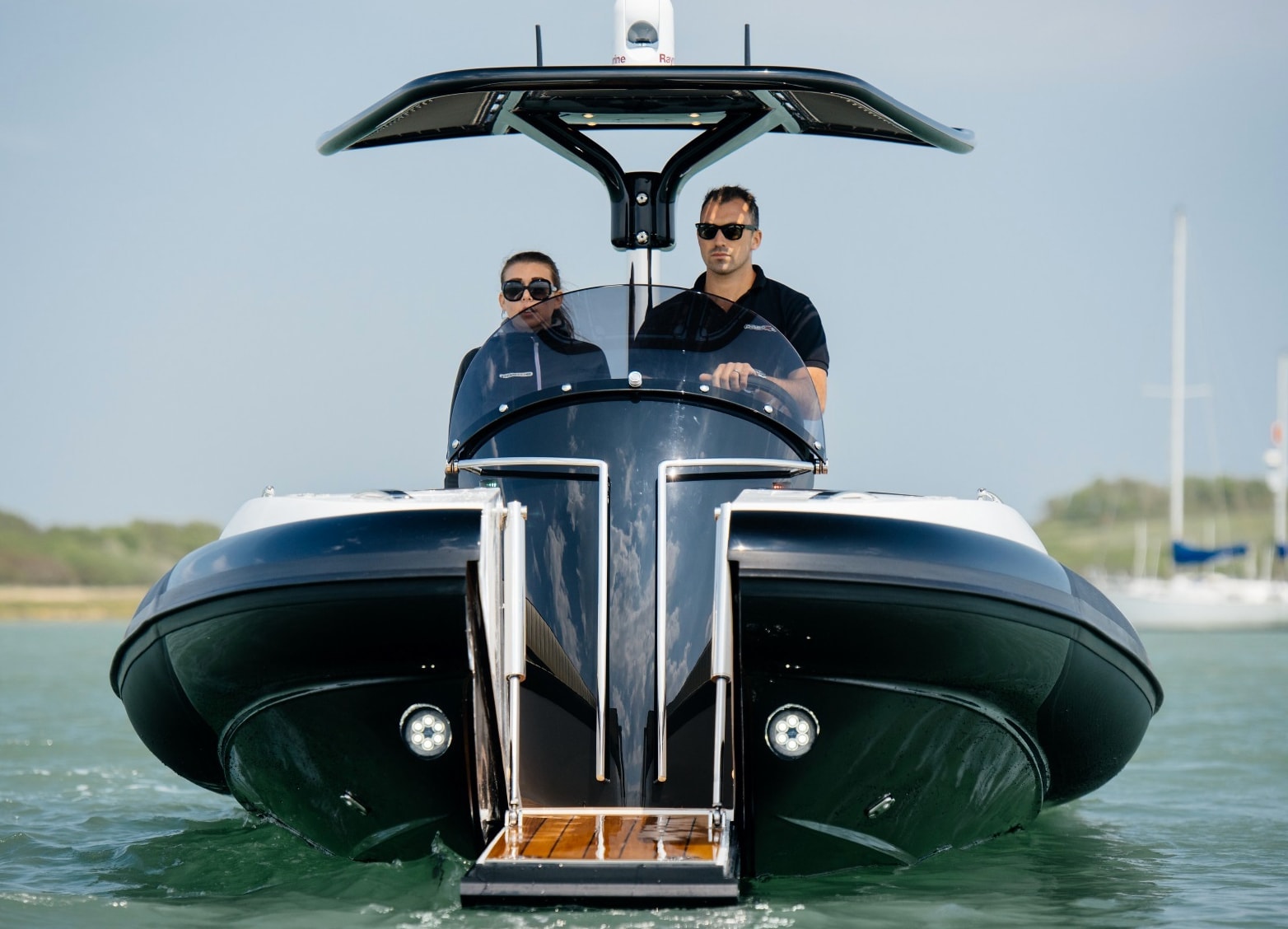 Pascoe · On the registerPascoe 8.6mLOA8.6mBeam2.95mTop Speed35knPrices on requestView on Superyacht Tenders → and the
 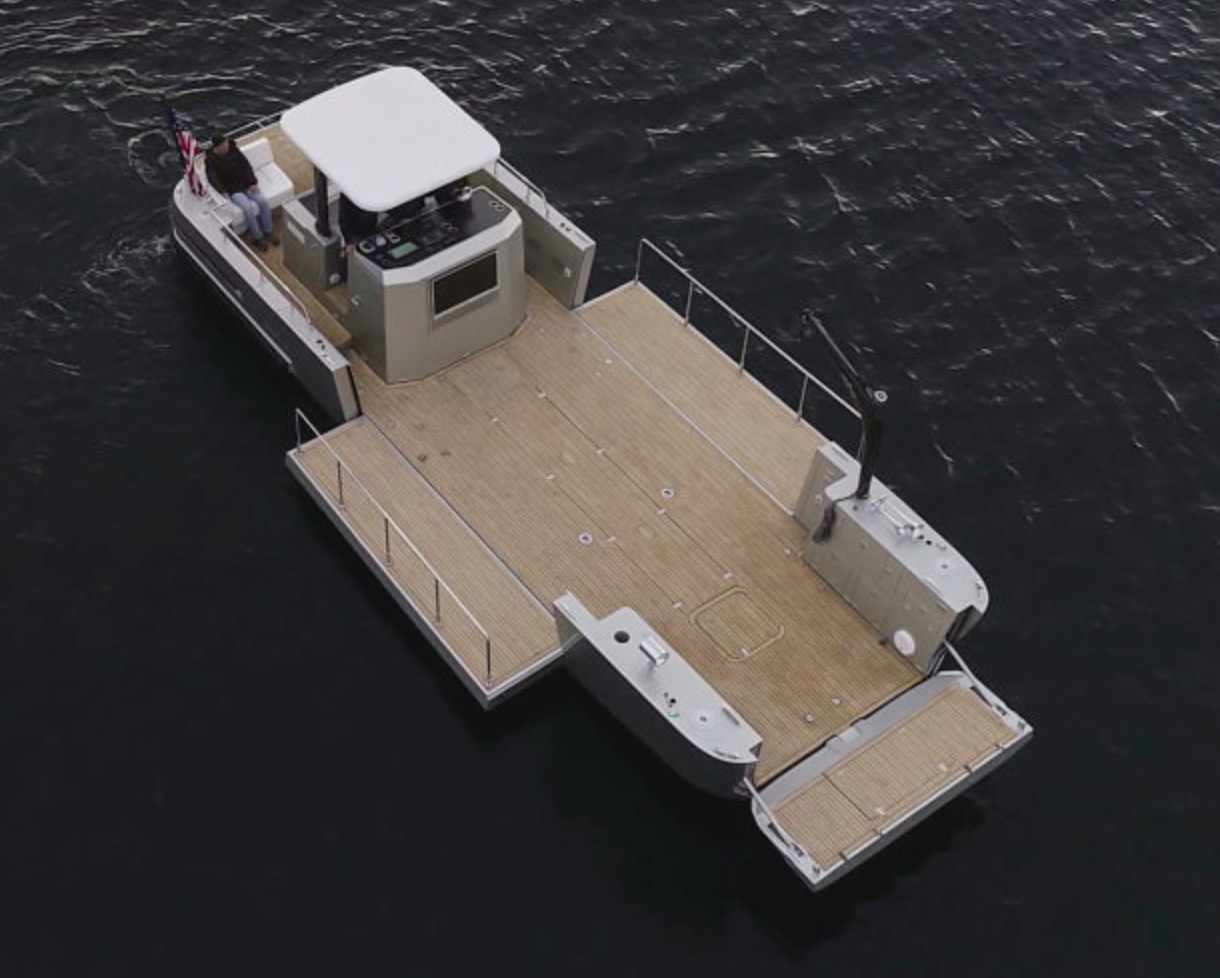 Reliant Yachts · On the registerReliant Yachts LanderLOA11.5mBeam3.93mTop Speed24knPrices on requestView on Superyacht Tenders → are engineered around exactly this multi-role brief.
If you are at the start of the decision, read what is a beach lander for the category basics, then work back from your own missions using choosing a beach lander. When you are ready to compare specific boats, our best beach landers guide and the beach landers overview carry the current field.