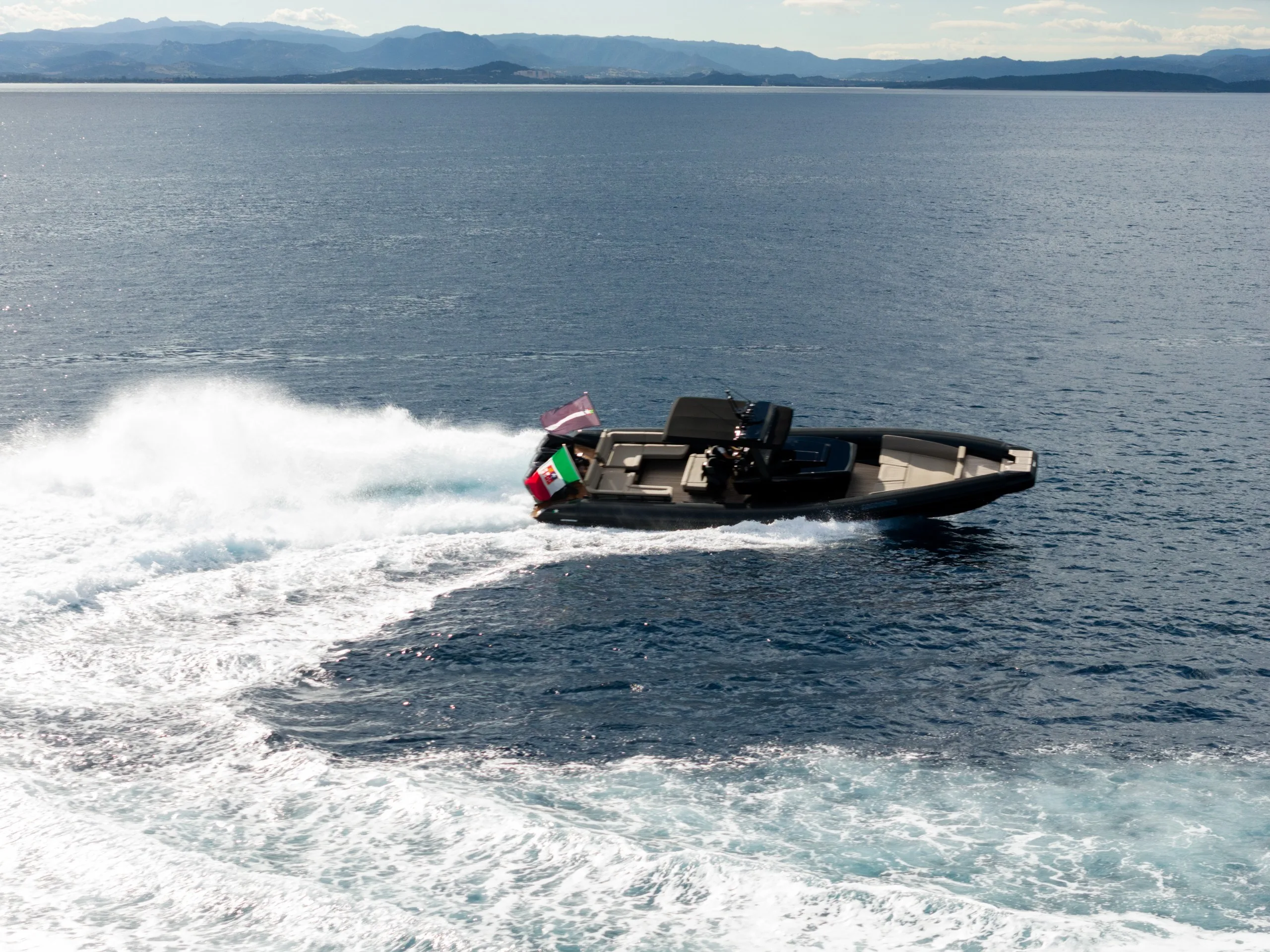
Novamarine · New build
RH1200
12.1m
Length
48kt
Top Speed
14
People
Prices on request
The best RIB tender is the one that boards forgivingly alongside the swim platform, lifts cleanly on a single point, and is built in a tube and hull spec that survives exposed yacht-side life. This is the owner's-side shortlist, the construction that decides it, and the boats worth comparing.
For sale now
Showing the latest 6 of 35 boats
New build, to order · priced within one working day
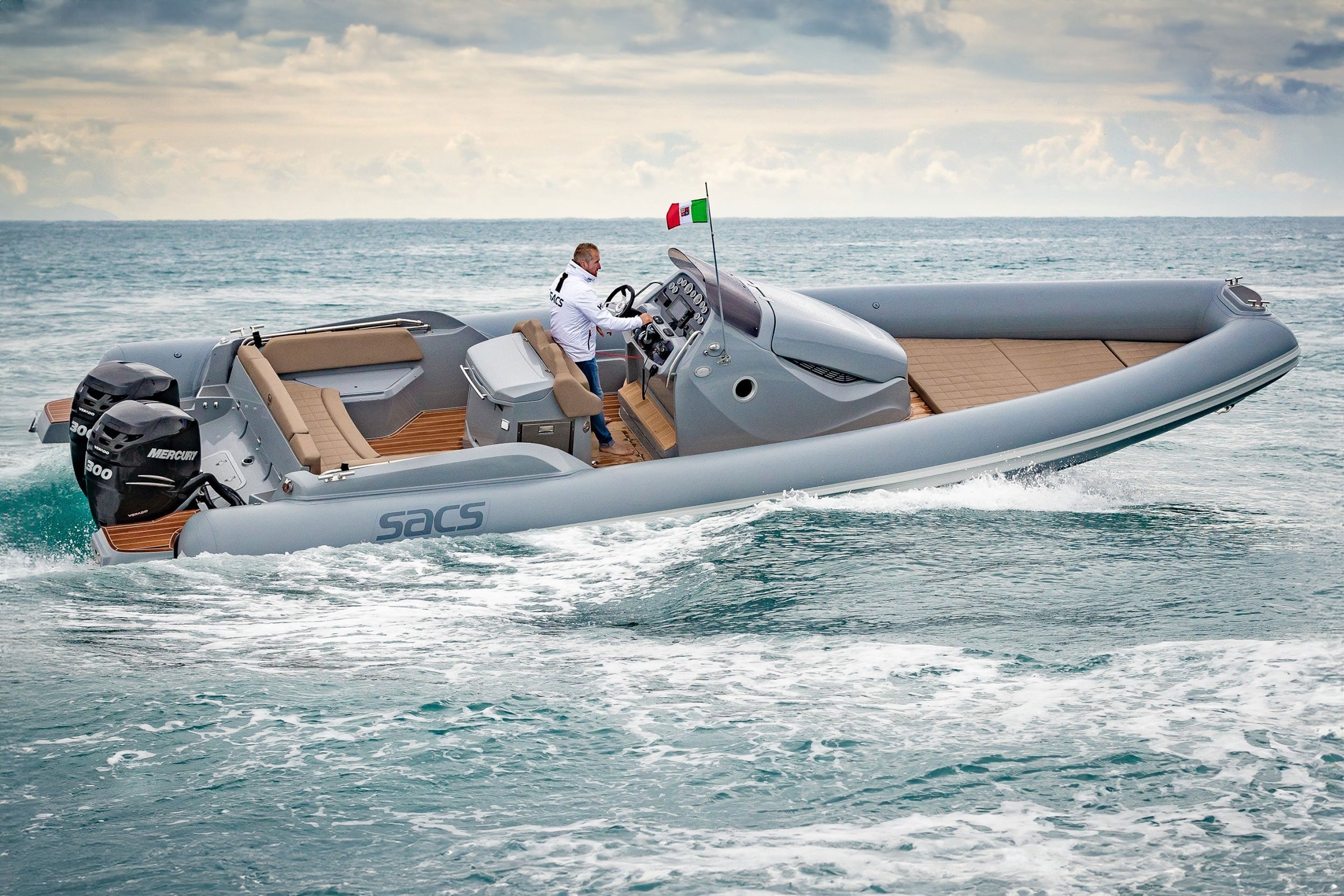
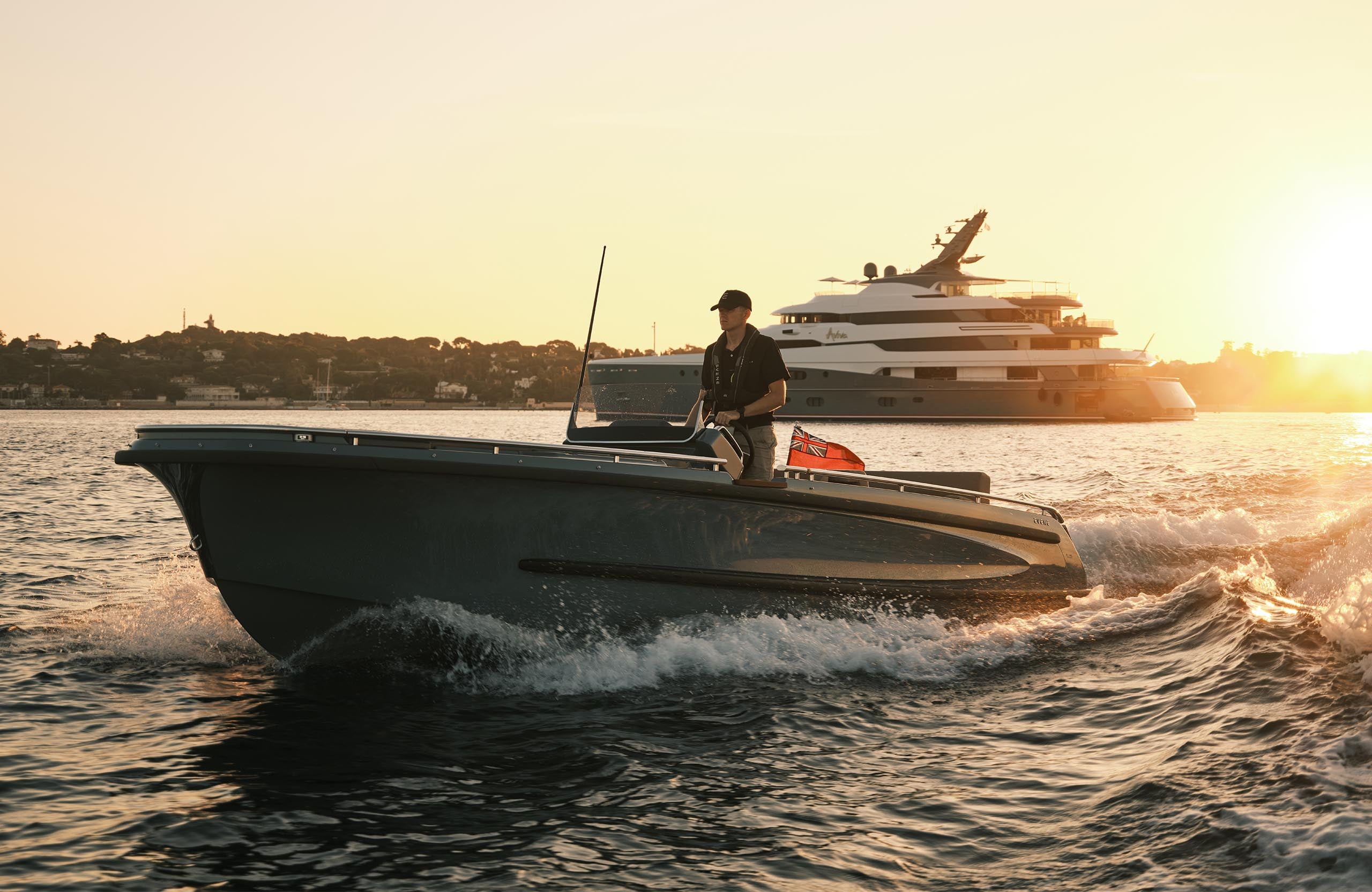
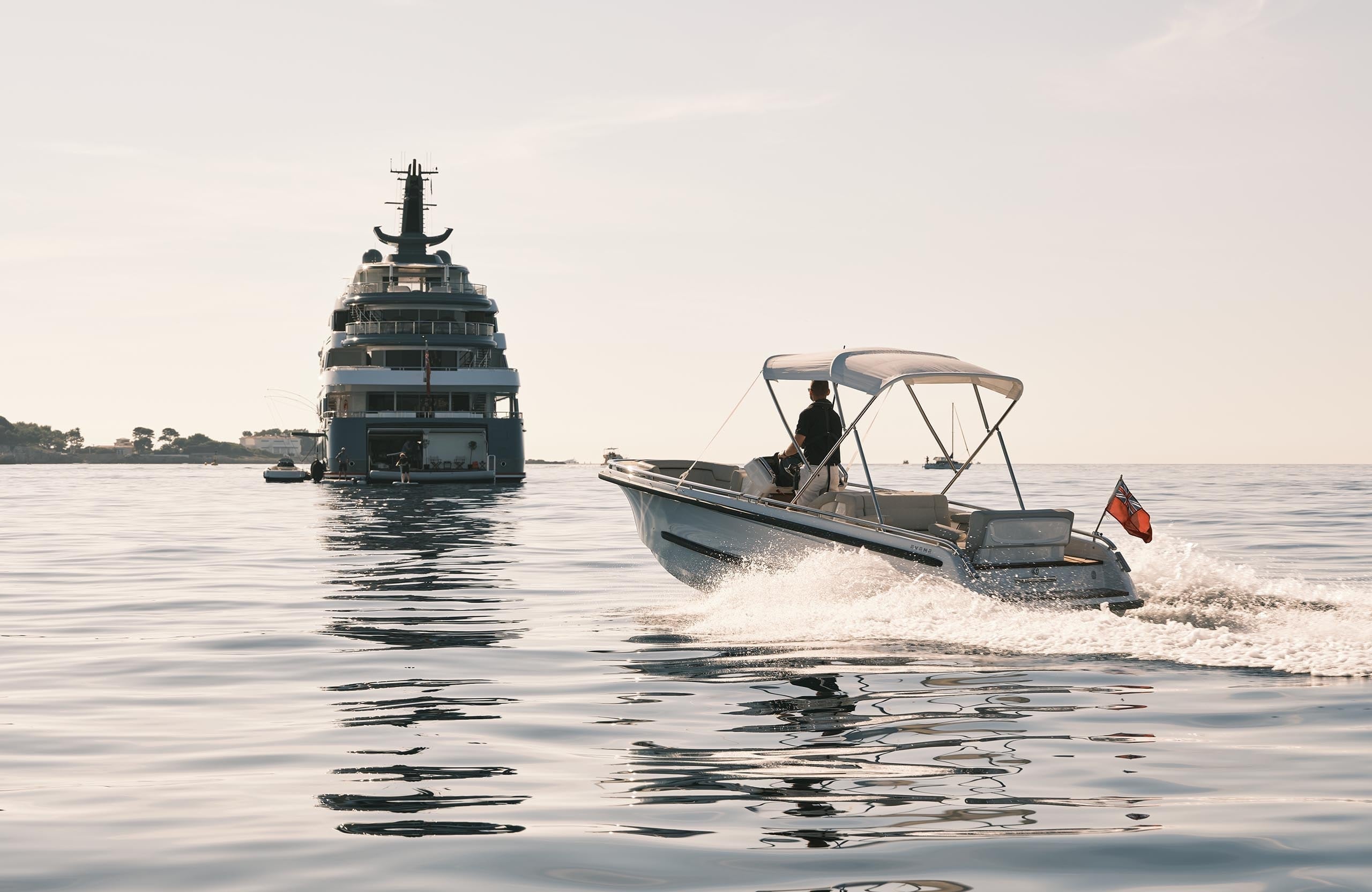
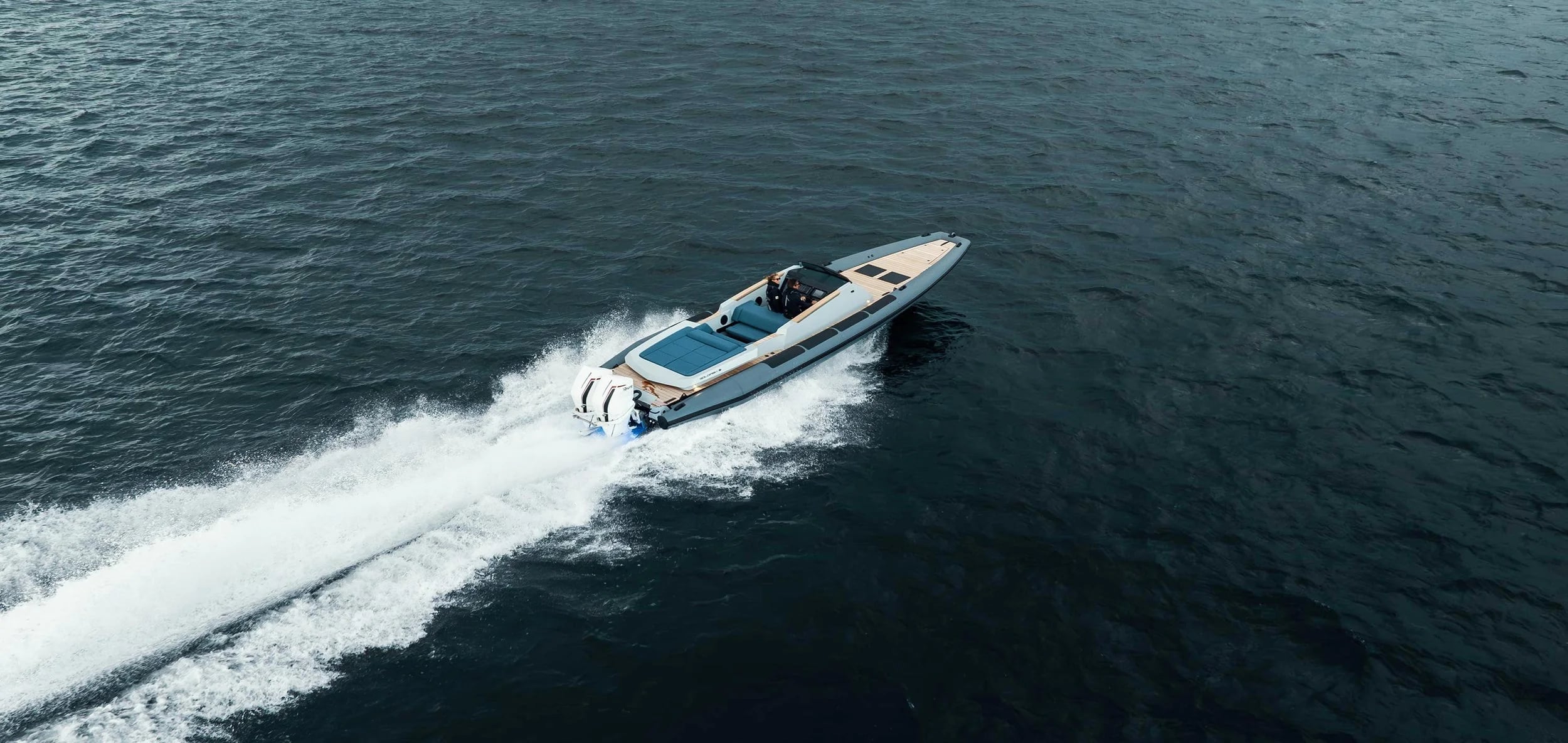
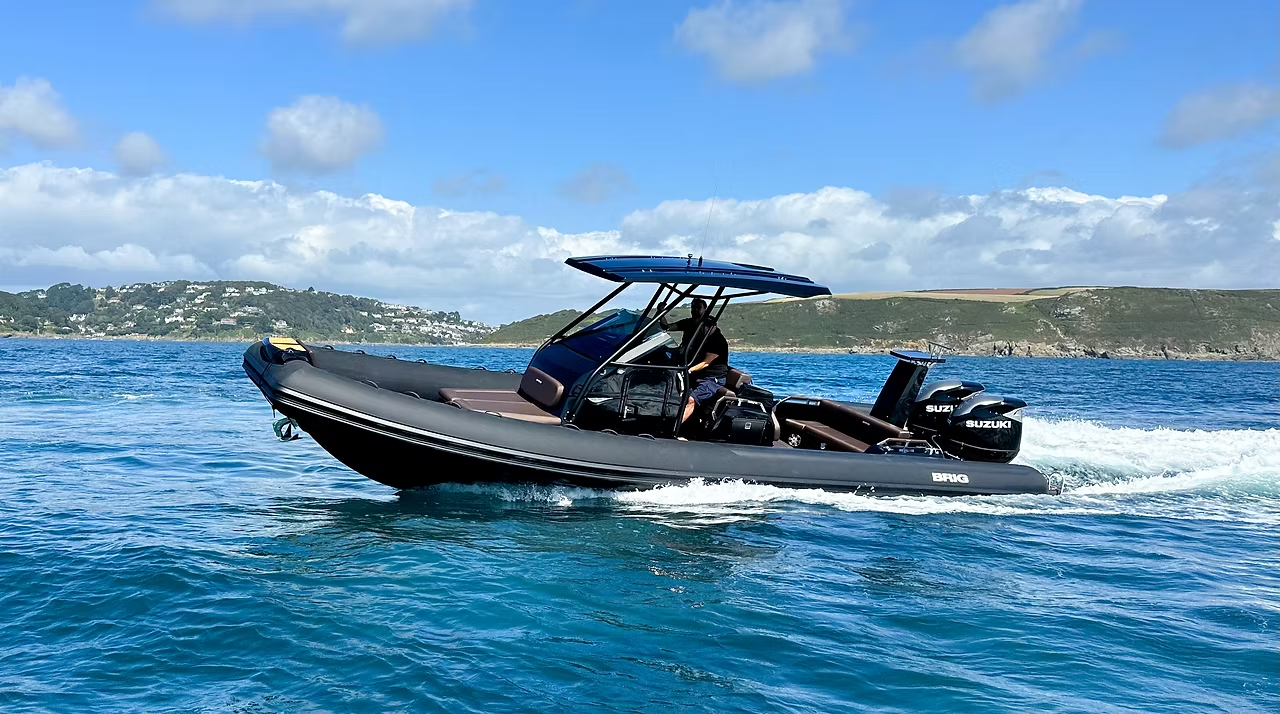
The RIB is the workhorse of the superyacht-tender world: forgiving alongside the swim platform, stable at rest, and it carries more passengers per metre than a hard hull. "Best" is decided by role fit, construction and how the boat interfaces with the yacht, not by the badge on the console. This is the builder shortlist, the construction that actually matters, and the boats worth putting side by side. For the full fleet view see the best superyacht tenders and the RIB tenders overview.
A RIB is a rigid hull (composite or aluminium) with an inflatable or foam collar. That collar is the reason the format dominates tender duty: it acts as a continuous fender alongside the swim platform and the dock, it adds buoyancy and stability at rest when guests are boarding from the water, and it lets the boat carry more people per metre than an equivalent hard hull. For a tender that spends its life coming alongside a moving yacht in a swell, that forgiveness is worth more than top speed.
Two construction choices drive cost and service life far more than the brand:
Hull material. GRP is the mainstream, cost-effective and easily repaired. Carbon and advanced composite buy weight savings that matter when the davit has a fixed safe working load (a lighter hull is a larger usable payload). Aluminium is the rugged, field-repairable choice for crew and expedition RIBs that take grounding and dock abuse.
Collar material. Hypalon, or a modern CSM equivalent, is the default for an exposed yacht tender: UV and chemical resistant, typically 10 to 15 years before a re-tube. PVC is lighter and cheaper but degrades faster (roughly 5 to 8 years exposed) and belongs only on a garaged, limited-use budget boat. Foam collars remove the puncture and pressure-management problem entirely and are common on crew and SOLAS hulls. Re-tubing is a planned refit cost, so the collar decision is a long-term economic one, not a finish detail.
This is the distinction the generalist roundups blur, and it is the one that matters on a real brief. Recreational brands build excellent boats, but a superyacht RIB is engineered around the yacht: certified single-point (or four-point) lifting arrangements, a hull and deck plan dimensioned to the garage and davit envelope, frequently a SOLAS-compliant variant, and a finish specified to match the mothership. A boat that is perfect off the dealer's pontoon can be the wrong tender if it cannot be lifted, stowed and certified the way the programme needs.
Outside the linked register, Ribeye (a family-run Dartmouth builder with a strong bespoke superyacht and SOLAS and beach lander line) and Tecnorib, which builds the Pirelli RIB range from roughly 3 to 19 m, are also routinely credible on a superyacht brief, as is Rafnar for its heavy-weather OK Hull hulls. We name them because the shortlist should be honest, not limited to who has a page here.
Indicative published figures for two common guest-RIB reference points. Where a builder does not publish a figure, we say so rather than estimate.
| Spec | Williams DieselJet 625 | Williams EvoJet 70 |
|---|---|---|
| LOA | 6.32 m | 7.10 m |
| Beam | 2.41 m | Not published |
| Draft | 0.35 m | 0.80 m |
| People | 11 | 13 |
| Top speed | 40 kn | Up to 35 kn |
| Power | 1x Yanmar 4LV, 195 hp (230 hp option) | Jet (electric EvoJet 70E option, 58.5 kWh) |
| List price | Not published | Not published |
Sources: Williams DieselJet 625 and itBoat on the EvoJet 70. Treat these as reference points for the segment, not a ranking.
Decide the role and the garage envelope first, specify Hypalon or foam unless the boat lives inside, confirm the lifting arrangement against the davit, then shortlist three or four builders and put the candidates in a side-by-side comparison on the specs that bind: loaded weight, lift points, draft and recovery sea state, not brochure top speed. A RIB rarely travels alone; most programmes pair it with a limousine for the formal arrival, and the best superyacht tenders guide covers the fleet mix. Tell us the mothership and the brief and the shortlist follows.